Homeschool Piano Curriculum for Beginners: A Parent Checklist
A good homeschool piano curriculum should teach more than a sequence of songs. For a beginning child, it should build keyboard geography, steady rhythm, listening, note reading, two-hand coordination, melody, chords, and independent practice in a clear order. It should also give parents an easy way to see what comes next without turning music into another heavy academic subject.
The most useful curriculum is not necessarily the one with the longest lesson list. It is the one your child can follow consistently, enjoy early, and grow through without important skill gaps. Use this guide to compare programs, plan a realistic learning rhythm, and decide when your child needs extra support.
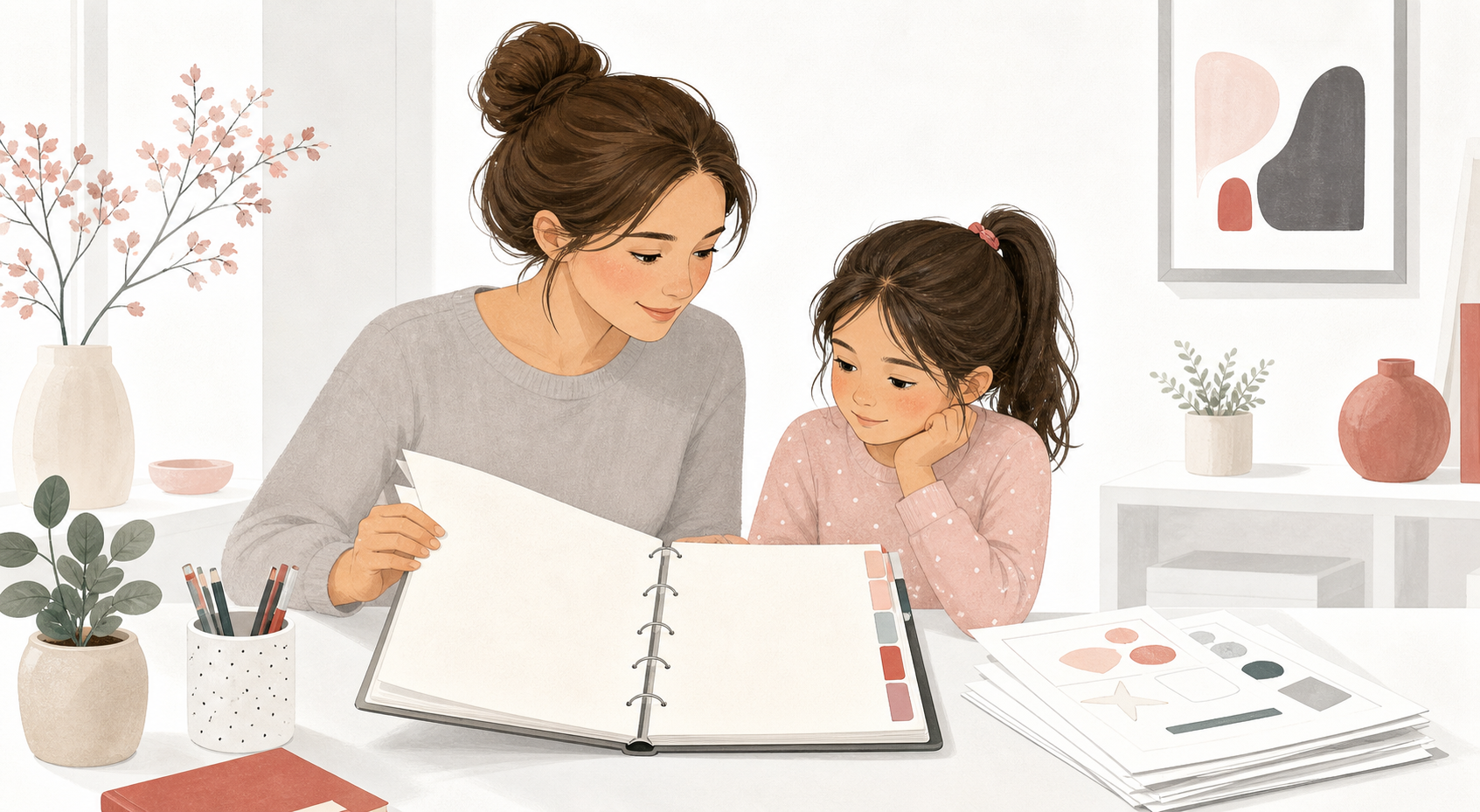
What should a homeschool piano curriculum include?
At minimum, look for a structured path that combines songs with rhythm, keyboard knowledge, listening, note reading, technique, coordination, creativity, and regular review. Lessons should be short enough for a beginner to absorb, clear enough for a parent to support, and progressive enough that each new skill builds on one the child already understands.
A strong program should answer five practical questions:
- What should my child learn first?
- What should we repeat between lessons?
- How will I know the skill is secure?
- What should happen if my child gets stuck?
- What is the next appropriate level?
If the program cannot make those answers clear, parents may end up collecting disconnected videos and worksheets instead of following a curriculum.
Eight parts of a complete beginner piano curriculum
1. Keyboard geography
Children should learn how the keyboard is organized and how to find useful landmarks. Early lessons can include high and low sounds, groups of keys, direction, and simple starting positions. The goal is not fast memorization. It is helping the child feel oriented each time they sit down to learn.
2. Rhythm and counting
Rhythm should appear from the beginning through clapping, speaking, moving, listening, and playing. A curriculum should gradually introduce steady beat, common note values, rests, and simple patterns. Children who can feel and count a pattern are better prepared to play it accurately.
3. Listening and musical imitation
Beginning musicians learn by ear as well as by sight. Useful lessons ask a child to notice whether sounds match, identify changes, copy a short pattern, or hear when something feels complete. Listening keeps early music-making active and helps children check their own work.
4. Songs that produce an early win
Children need recognizable musical results before every symbol makes sense. A well-sequenced curriculum uses playable songs to reinforce one or two skills at a time. That early success builds confidence while the child is still learning how the instrument, hands, eyes, and ears work together.
5. Note reading in a useful sequence
Reading should develop in small steps. Look for patterns, direction, intervals, landmarks, and short musical phrases rather than pages of isolated note-name drills. Children should connect what they see with what they hear and play. If you are wondering what progress is realistic, read what a child can learn in the first year of piano lessons.
6. Two-hand coordination
Two-hand work does not have to begin with complex pieces. It can start with alternating hands, simple repeated patterns, or one hand holding while the other moves. The curriculum should increase coordination gradually so a child can stay relaxed and successful.
7. Chords, patterns, and creativity
A complete beginner path should eventually include simple chord shapes, accompaniment patterns, improvisation, or creating short musical ideas. These activities help children understand how music is built and give them another way to use what they learn.
8. Review and progress checks
New material should not replace everything that came before it. Look for built-in review, chances to replay familiar songs, and clear milestones. Progress checks should show what is secure, what needs another week, and what the child is ready to learn next.
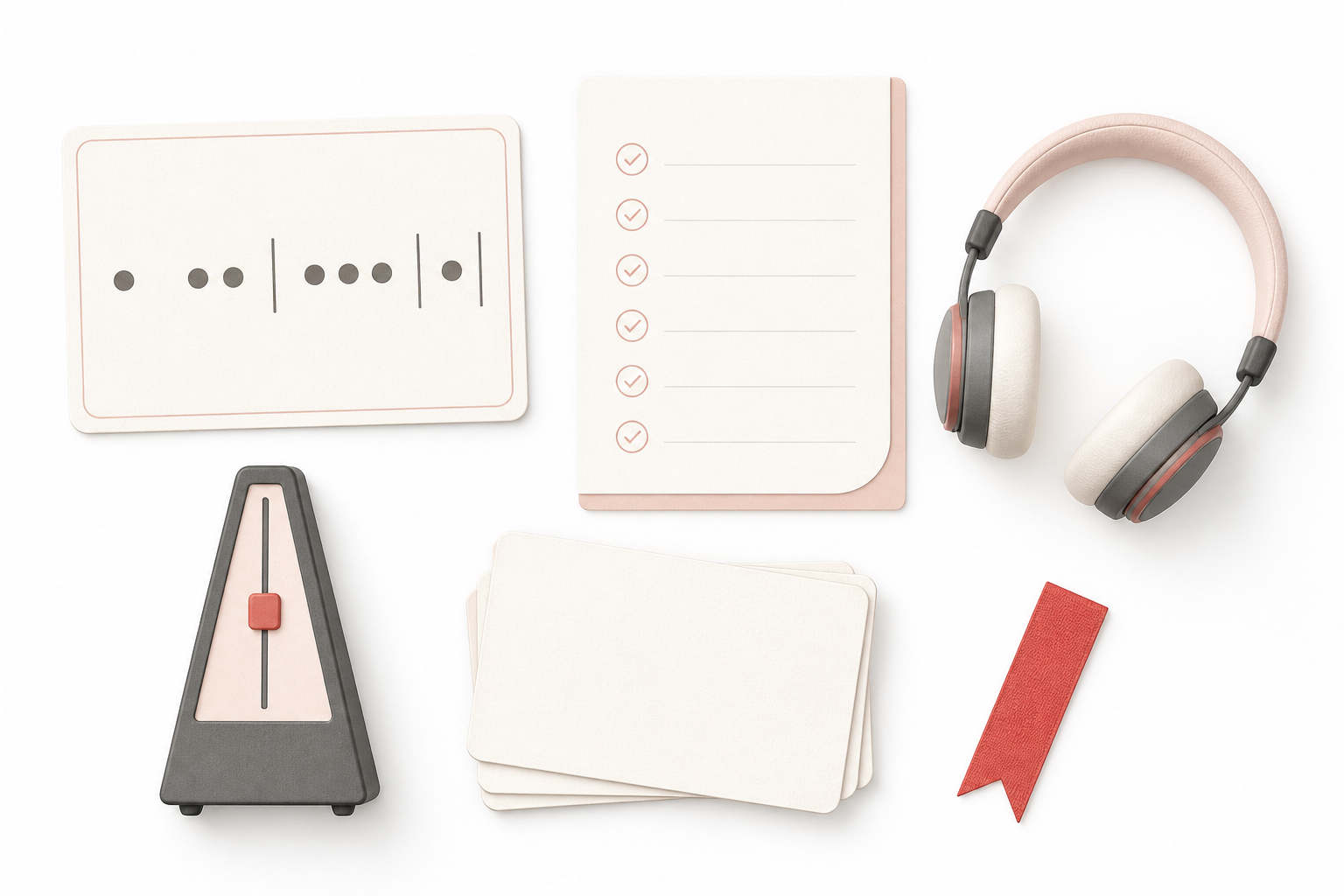
How to evaluate a homeschool piano program before enrolling
Use this comparison checklist before choosing a course, membership, video library, or teacher-supported program.
| What to check | A strong sign | A caution sign |
|---|---|---|
| Lesson sequence | Each lesson names the skill and the next step | A large video library with no clear order |
| Beginner pacing | Short lessons with planned review | Several new ideas introduced at once |
| Musical balance | Songs, rhythm, reading, listening, and coordination work together | Only note drills or only follow-along songs |
| Parent clarity | You can see what to repeat and when to move on | You must design the learning plan yourself |
| Child independence | Directions become easier for the child to follow over time | Every activity requires constant adult translation |
| Support | There is a clear next step when progress stalls | The only option is to repeat the same explanation |
Preview the teaching style
If a preview is available, watch it with your child. Notice whether the instruction is clear, the pace feels manageable, and the activity leads to something the child can actually do. A polished video is not the same as an effective lesson.
Check the level path
Ask what happens after the beginner material. A defined sequence makes it easier to continue without shopping for a new program every few weeks. It also helps parents recognize whether a hard lesson is a temporary challenge or a poor level match.
Look for flexible structure
Homeschool families often value flexibility, but complete freedom can create uncertainty. The strongest model offers a recommended sequence and enough flexibility to pause, review, or spread one lesson over several days.
A simple homeschool piano learning rhythm
A curriculum gives you the order; your weekly rhythm gives the learning time to settle. One beginner-friendly approach is to use a lesson day followed by several short practice-and-review days.
- Lesson day: Watch or complete one lesson, then try the new activity slowly.
- First review: Repeat the easiest part and one new skill.
- Second review: Play the familiar material, then solve one small challenge.
- Choice day: Revisit a favorite song, rhythm game, or creative activity.
- Progress check: Ask the child to show what feels easier now and decide whether to continue or repeat.
This is a rhythm, not a rigid calendar. The exact number of days depends on the child, the lesson length, and the rest of the homeschool schedule. For more detail, see how many days a week a child should practice piano and the weekly plan for online piano video lessons.
Keep the goal smaller than the available time
A ten-minute window does not need ten minutes of new material. Leave room to get settled, repeat something familiar, and end with a clear success. Children are more likely to return when the learning session feels finishable.
How to track progress without making music feel like a test
Track skills your child can demonstrate, not just lessons marked complete. A simple monthly note can answer:
- Which songs can my child start without help?
- Can my child keep a steady beat through a short pattern?
- Can my child find the starting position independently?
- Can my child explain or show the newest skill?
- What still causes confusion or tension?
- What does my child want to play again?
These observations are more useful than racing through lesson numbers. They also tell you when to repeat, adjust the pace, or ask for guidance.
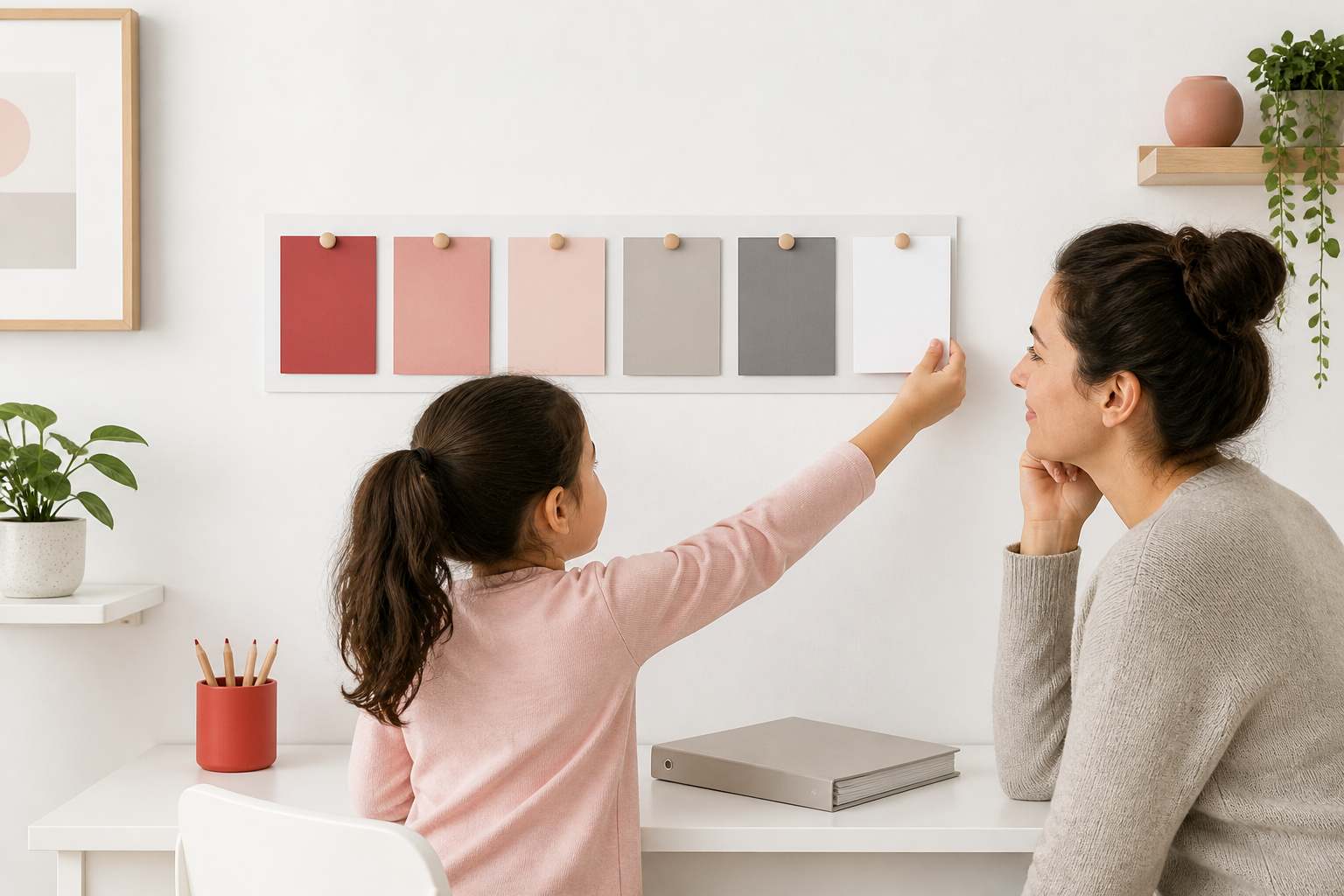
Signs the curriculum is working
- Your child can begin at least part of the routine with less prompting.
- Familiar skills return more quickly after a missed day.
- New lessons connect to patterns or songs the child already knows.
- Mistakes lead to a useful correction instead of an immediate shutdown.
- Your child can describe something that has become easier.
Signs the plan needs adjustment
- Every lesson introduces too many unrelated ideas.
- Your child can follow the video but cannot repeat the skill afterward.
- Progress depends on a parent giving constant step-by-step directions.
- The program offers no review path when a concept is difficult.
- The child is completing lessons without making recognizable musical progress.
One difficult week does not mean the program has failed. First shorten the session, return to a familiar success, and repeat the current skill in a simpler way. If confusion continues, the level, explanation, or learning format may need to change.
Homeschool piano curriculum FAQ
Can a parent teach homeschool piano without a music background?
Yes, if the curriculum supplies clear instruction, a sensible lesson order, demonstrations, and parent guidance. The parent does not need to give every musical explanation. Their most useful role is often protecting a regular learning time, helping the child follow the next step, and noticing when support is needed.
Are online piano lessons good for homeschool students?
They can be a good fit when the program is structured, age-appropriate, easy to revisit, and balanced across musical skills. The child still needs an instrument, time to practice away from the screen, and a clear way to get help. Read what parents should look for in online piano lessons.
How long should a beginner piano lesson be?
Long enough to introduce one manageable idea and let the child try it, but short enough to preserve focus. Some children do better when one lesson is divided across two days. Consistent, purposeful sessions matter more than stretching to fill a fixed time.
Does homeschool piano count as music education?
A thoughtful piano curriculum can cover meaningful parts of music education, including rhythm, listening, performance, notation, coordination, creativity, and musical vocabulary. Families should use their own homeschool requirements when deciding how to document the work.
What equipment does a beginner need?
A suitable piano or keyboard, a stable bench or chair, a quiet learning window, and the curriculum materials are the essentials. Headphones can help in a shared space. Avoid buying many accessories before you know what the chosen program actually uses.
How do I know when my child is ready for the next level?
Look for a cluster of skills rather than one perfect performance. The child should recognize the current concepts, complete familiar activities with growing independence, and recover from small mistakes. A well-designed curriculum should state its level-completion expectations clearly.
Choose a path your child can keep using
The best homeschool piano curriculum gives your child a clear next step and gives you enough structure to support progress without becoming the full-time music teacher. Look for early musical wins, complete skill development, built-in review, visible milestones, and a realistic route to the next level.
If you want a guided online option for a beginning student, explore the iPianoLab learning path and choose the next step that fits your family.