Is Your Child Too Young for Piano Lessons? Here's the Truth
![[HERO] Is Your Child Too Young for Piano Lessons? Here's the Truth](https://cdn.marblism.com/ahoyqevVuhS.webp)
Here's the good news: your child is probably ready sooner than you think. Most kids can start meaningful piano lessons for kids around 5-6 years old. But age is just a number. What really matters is whether your child is developmentally ready. And here's even better news, there's no such thing as too late to start learning piano.
Age Is Just a Starting Point
Let's cut through the confusion.
Piano teachers often say "5-6 years old" as the ideal age to start piano. And there's truth to that. By this age, most children have developed the fine motor skills, attention span, and ability to follow instructions that make formal lessons actually work.
But this isn't a hard rule.
Some 4-year-olds are absolutely ready. Some 7-year-olds need more time. Individual readiness beats calendar age every single time.
Research shows that children who begin early childhood music education between ages 5-8 demonstrate significant brain growth compared to their peers. But starting later doesn't mean missing out. Older students often progress faster because they have better focus and conceptual understanding.
What Readiness Actually Looks Like
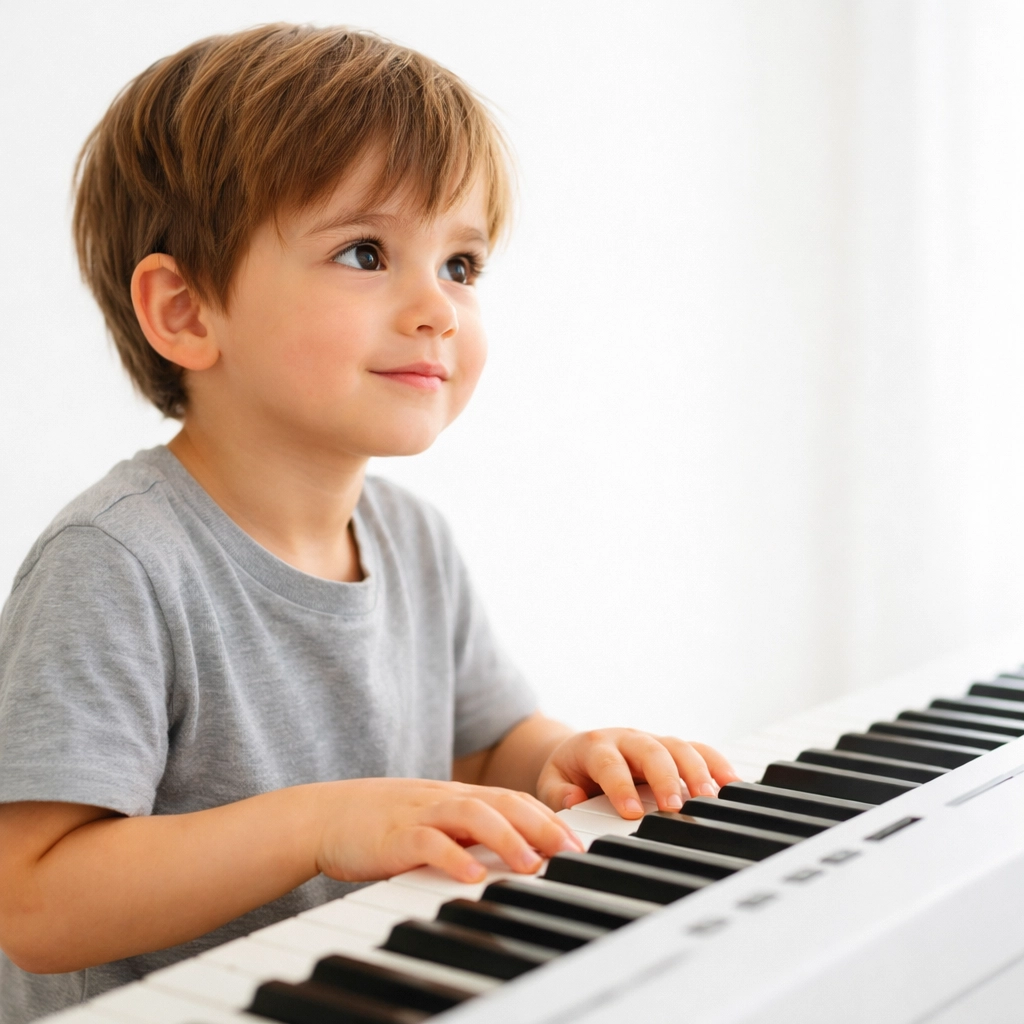
Forget the birthday. Look at these signs instead:
Your child can focus on one activity for at least 30 minutes. This doesn't mean sitting perfectly still. It means staying engaged with a task without constantly jumping to something else.
They can follow multi-step directions. "Put your thumb on this key, then play these three notes in order" needs to make sense.
Their hands can span five keys comfortably. Physical readiness matters. If their fingers can't reach, the frustration isn't worth it yet.
They show genuine interest in music or the piano. Curiosity is your best friend here. Kids who want to learn progress faster and practice more willingly.
They understand practice is part of learning. You're not asking for daily dedication yet. But they should grasp that playing piano means working on it regularly.
If your child checks most of these boxes, they're probably ready: regardless of age.
When Waiting Is the Smarter Move
Sometimes the best decision is to wait six months or a year.
Here's why: kids who start before they're ready often struggle, get frustrated, and develop negative associations with piano. Then you're fighting an uphill battle to get them interested again later.
Children under 5 can absolutely enjoy music. They can bang on keys, sing songs, and explore sounds. But formal piano lessons usually don't stick. Their attention spans are too short for structured learning.
Children under 7 need movement and play. It's developmentally unnatural for them to sit still and practice an instrument daily. If your 5-year-old is squirmy and active, that's normal and healthy: not a character flaw.
Wait if your child:
- Resists sitting still for more than a few minutes
- Shows no interest in music or instruments
- Gets frustrated easily with small tasks
- Struggles to follow basic instructions
Waiting one year often results in dramatically faster progress than pushing forward too early. You're not behind. You're being strategic.
Different Ages, Different Approaches
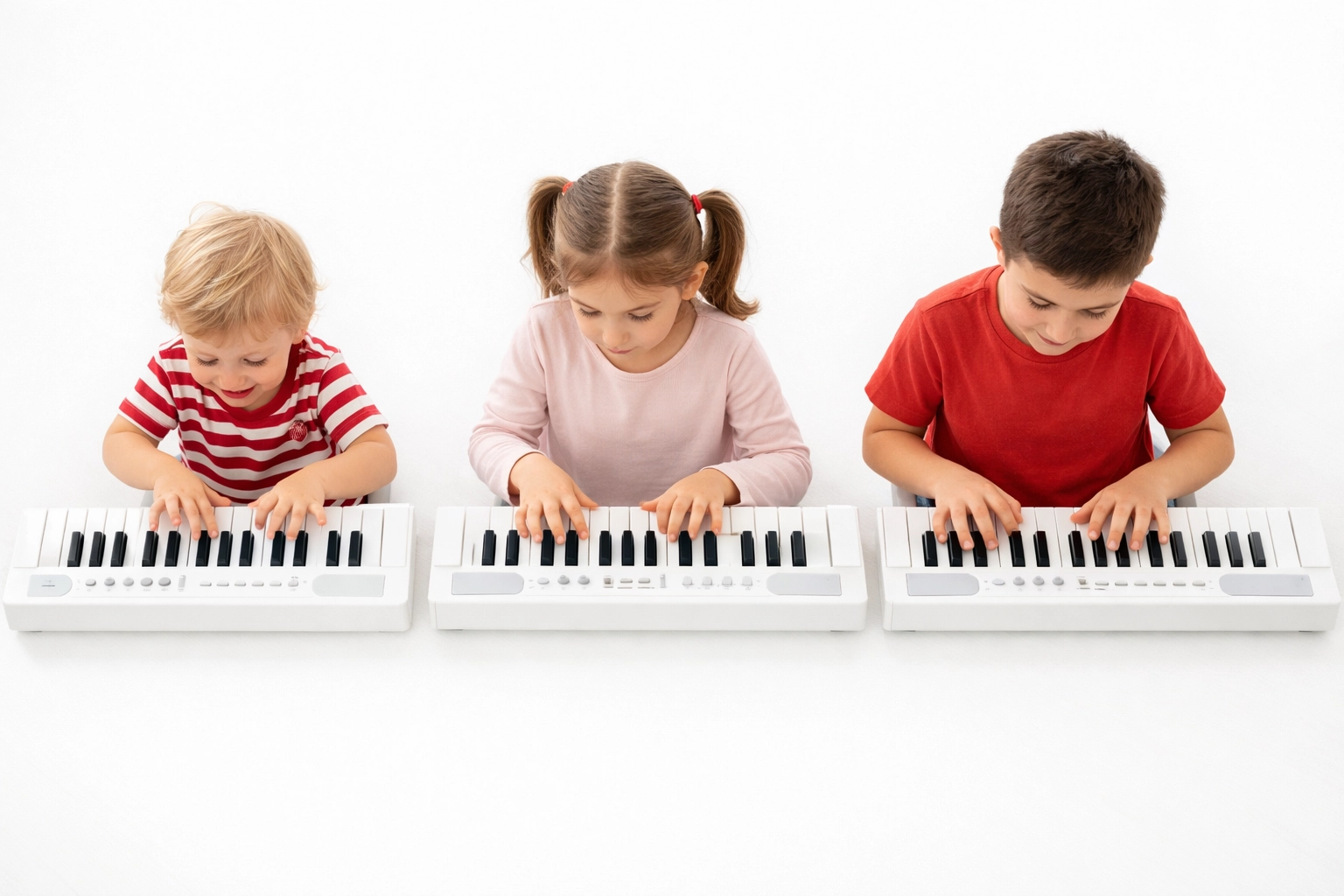
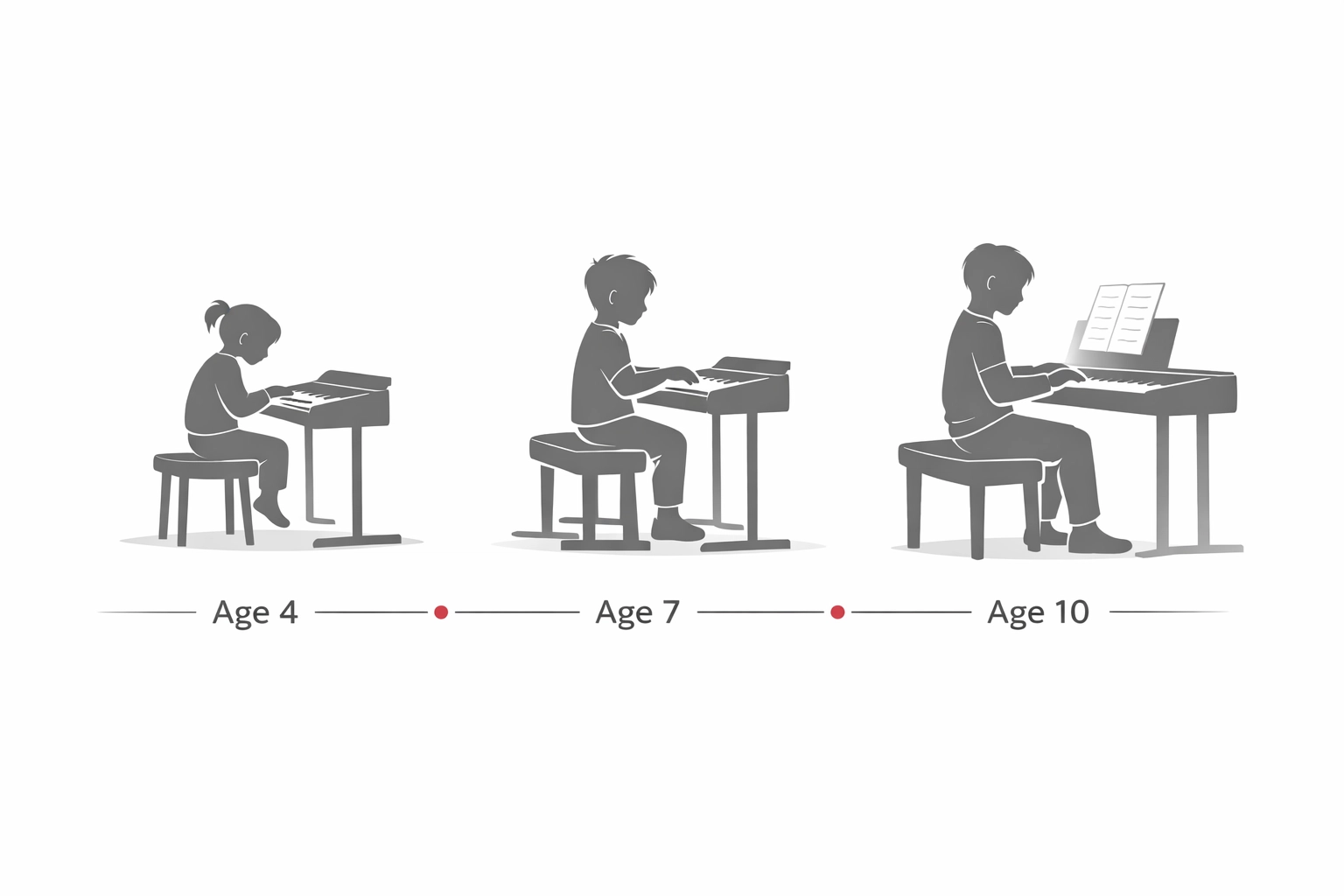
The way you introduce piano should match your child's developmental stage.
Ages 3-4: Pure Exploration
This is about play, not lessons. Let them bang on keys. Sing together. Watch videos of piano players. Make music fun and pressure-free.
Consider group music classes that involve movement, singing, and basic rhythm. These build musical foundations without the pressure of formal instruction.
Ages 5-6: The Sweet Spot
Most kids hit their stride here. They have the physical ability to press keys intentionally. They can focus for 20-30 minute lessons. They understand the concept of practice.
This is the ideal age to start piano for most children.
Look for teachers who specialize in young beginners. The teaching approach matters as much as your child's readiness. In-person learning environments often work beautifully for this age group because professional studios understand how to keep young children engaged while building foundational skills.
Ages 7-10: Building Momentum
Kids this age often learn faster than younger beginners. Their fine motor skills are more developed. They grasp musical concepts more quickly. They can practice more independently.
This is where modern teaching methods really shine. Programs designed for today's learners keep older elementary students engaged and progressing quickly.
Ages 11+: Never Too Late
Preteens and teens bring motivation and focus that younger kids can't match. They often race past students who started earlier because they have better discipline and understanding.
Starting "late" is not a disadvantage. It's just a different timeline.
Modern Methods for Modern Learners
Traditional piano lessons follow a centuries-old model: one teacher, one student, classical music, and weekly 30-minute sessions.
That works for some kids. But not all.
Enter PianoFlight: a forward-thinking method that adapts to how kids actually learn today. Instead of forcing every child into the same rigid structure, PianoFlight meets students where they are.
Shorter attention span? The curriculum accommodates it. Prefer popular music over classical? You can learn real songs you actually want to play. Need flexibility in scheduling? Modern platforms make that possible.
PianoFlight recognizes that the "right age" to start piano isn't just about physical readiness. It's about matching the learning method to the individual child. When the approach fits the learner, age becomes far less important.
You can explore how modern piano education adapts to different learning styles and ages.
The Trial Lesson Solution
Still not sure if your child is ready?
Book a trial lesson.
One session tells you more than months of wondering. You'll see how your child responds to instruction. Whether they can focus. If they enjoy it.
Most importantly, there's no commitment. If it's too early, you've only invested one lesson. Wait a few months and try again.
If they love it? You've found the perfect starting point.
Many families in NYC find that trying lessons at a professional studio setting gives them a clear answer about readiness. The structured environment helps assess focus and interest quickly.
What About Kids Who Aren't Interested?
Here's a truth many piano teachers won't tell you: not every child needs to play piano.
If your child shows zero interest, pushing them creates resistance. Music should bring joy, not fights.
That said, sometimes kids don't know if they'll like something until they try it. If there's even mild curiosity, a few lessons won't hurt. But if they're actively resistant? Trust that.
Exposure to music matters more than formal lessons anyway. Let them hear different styles. Take them to concerts. Play music at home. Musical appreciation is valuable even without playing an instrument.
The Bottom Line: Start When Your Child Is Ready
Is your child too young for piano lessons?
Probably not: if you're asking the question, you're likely close to the right age. Most kids between 5-6 years old are ready. Some at 4, some at 7 or 8.
Focus on readiness, not age.
Look for interest, attention span, fine motor skills, and the ability to follow directions. If those boxes are checked, go for it.
If not? Wait six months. Your patience now means faster progress later.
And remember: starting piano at any age works. There's no deadline, no cutoff, no "too late." Whether your child is 5 or 15, the best time to start is when they're ready and interested.
Want to see if your child is ready? Check out the classes designed for different age groups or explore free resources to test the waters at home first.
The truth is simple: your child isn't too young: or too old: to start piano. They just need the right moment and the right approach. When those align, the music begins.