Should Kids Take a Break From Piano Practice During the Holidays?
Yes—a child can take a short, planned break from piano practice during the holidays. A few days away will not erase their progress. For a longer school break, two or three brief, low-pressure music touchpoints can make the return easier without turning family time into a practice battle.
The goal is not to keep a perfect streak. It is to choose the lightest plan that protects the child’s connection to music, respects the teacher’s current assignment, and fits the family’s actual schedule.
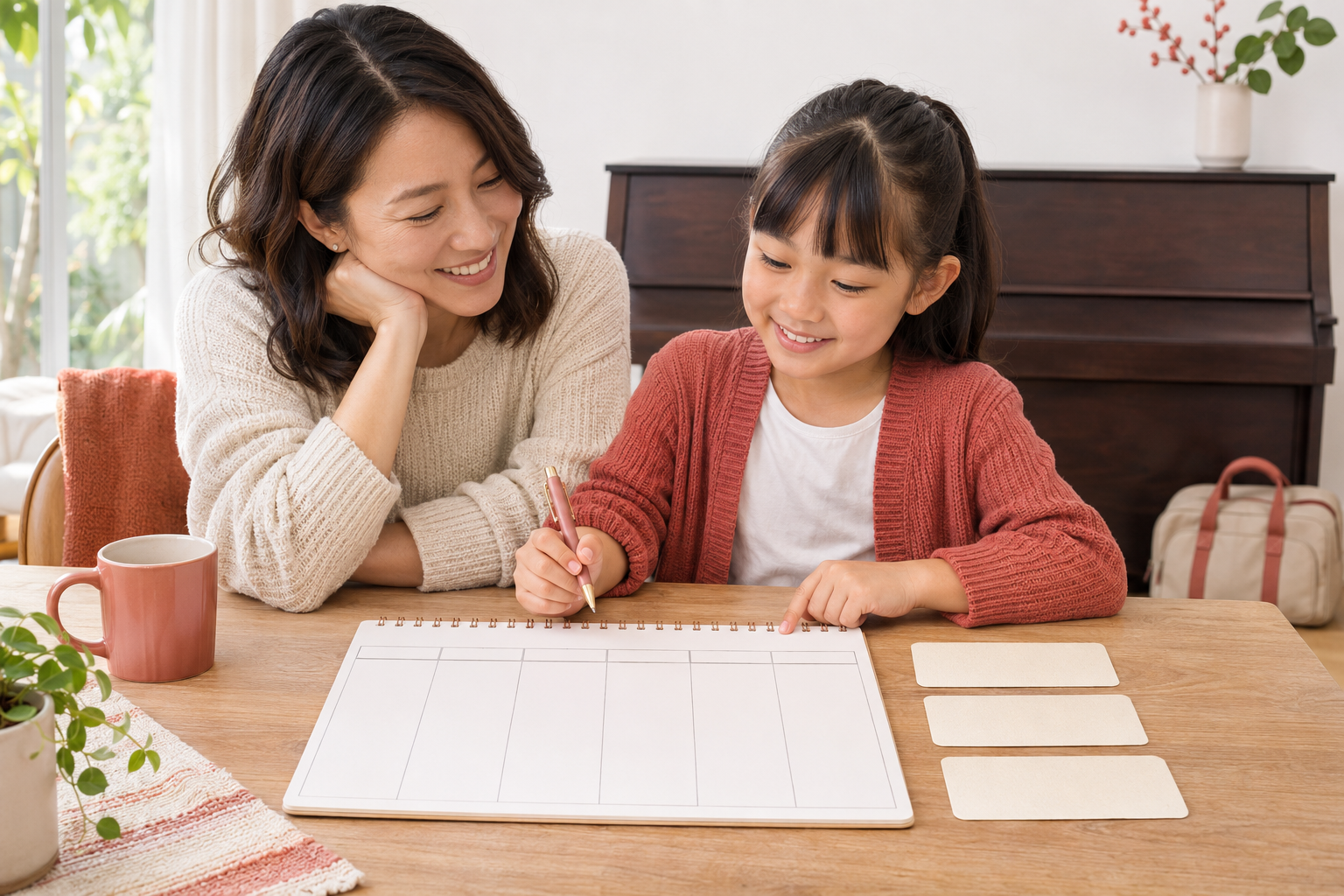
Is it okay for a child to stop practicing piano over a holiday break?
It is usually fine to pause for several days, especially when the family is traveling, hosting visitors, or simply needs rest. Musical learning does not depend on an unbroken daily streak. What matters is that the break is intentional and that the child knows how to begin again.
A longer break does not require a full lesson schedule at home. Keep one small connection to music: play a familiar song, clap a rhythm, listen while following the score, or repeat the easiest part of the current assignment. Stop while the child still feels successful.
| Length of break | A practical parent plan |
|---|---|
| One to three days | Rest completely if the family needs it. No make-up practice is required. |
| Four to seven days | Try one or two short, enjoyable sessions if the instrument is available. |
| One to two weeks | Choose two or three brief touchpoints each week and keep the task familiar. |
| No instrument available | Use listening, rhythm, score-following, or a teacher-approved online activity. |
These are flexible starting points, not requirements. If the teacher has given a specific plan for an upcoming lesson or performance, use that instruction first.
Choose one of three holiday piano-practice plans
Pick the plan before the break starts. A clear small plan is easier for a child to follow than a daily negotiation.
Plan 1: Take a real rest
Choose this when the break is short, the child is tired, or the family schedule will be unpredictable. Put the music away without guilt and choose a specific restart day. A real rest is better than several tense sessions that teach the child to associate piano with conflict.
Plan 2: Keep a tiny routine
Choose this when the child enjoys playing and the instrument is easy to access. A tiny routine might be one familiar song, one rhythm game, or one teacher-assigned phrase. Five focused minutes can be enough. The guide to how long a child should practice piano explains why attention and clarity matter more than stretching the clock.
Plan 3: Stay connected without formal practice
Choose this when the family is traveling or a normal practice space is unavailable. Listen to the child’s current song, tap the steady beat, notice repeated patterns, or let the child show a family member something they already know. Do not introduce new fingering, notes, or technique that the teacher has not assigned.
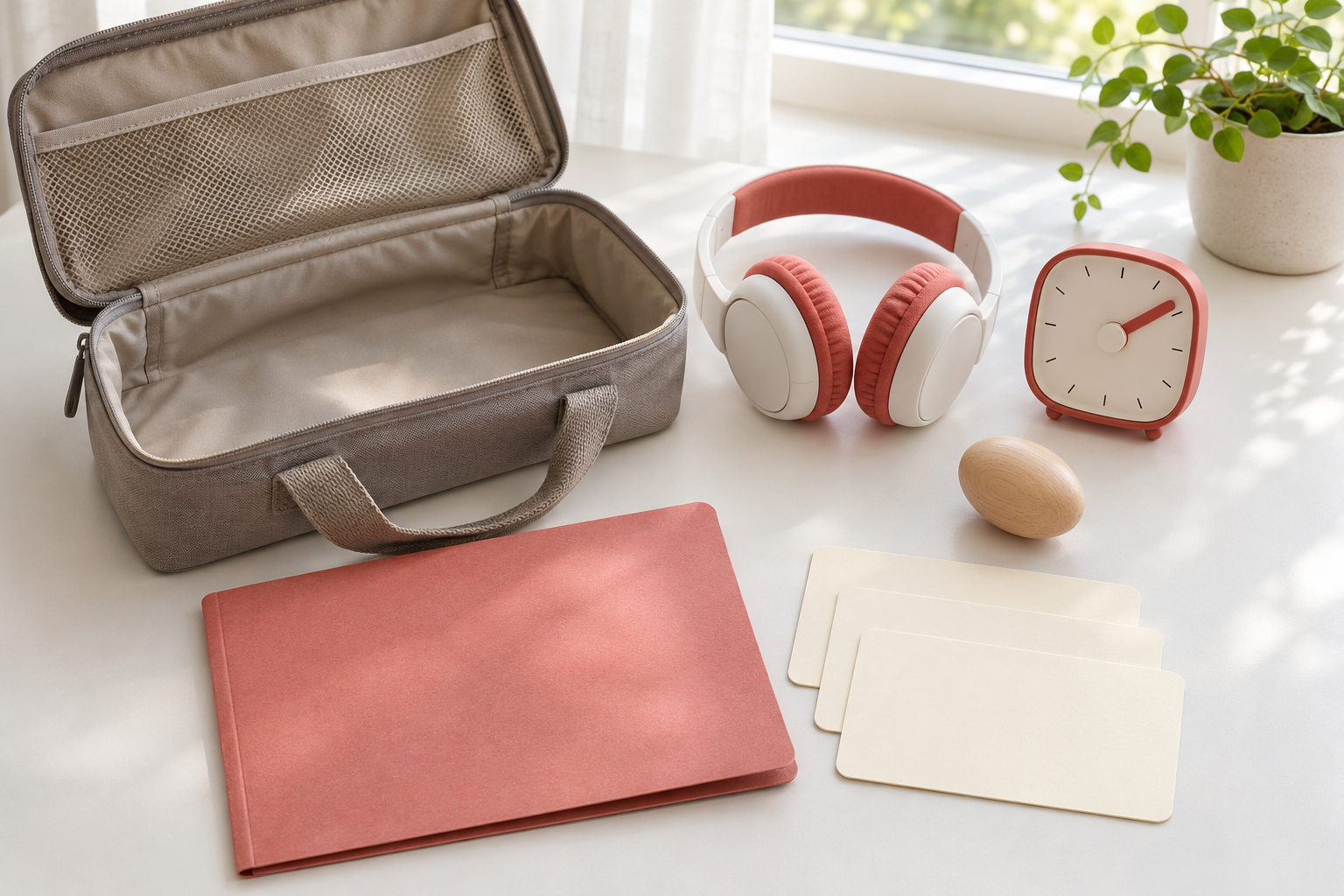
What can a child do when there is no piano?
Practice away from the instrument should reinforce something the child already understands. It should not become a substitute for teacher guidance or a reason to guess at new material.
- Listen with a purpose. Ask the child to notice the pulse, a repeated pattern, or when a familiar section returns.
- Clap or tap the rhythm. Use the current assignment only if the child already knows how the rhythm should go.
- Follow the score. The child can point to where the music begins, where a phrase repeats, or where they usually need help.
- Say the plan out loud. “Start here, play this short part, then stop” helps preserve the sequence of an assignment.
- Use approved learning materials. If the child already uses an online lesson or video assigned by the program, repeat a familiar section rather than opening a random tutorial.
If flexible home access would help during schedule changes, review iPianoLab online learning. Families should still follow the child’s current lesson plan and choose a routine they can sustain.
Use the five-minute holiday practice reset
- Minute 1: choose. Pick one familiar song, phrase, rhythm, or online lesson segment.
- Minute 2: begin slowly. Let the child find the starting point and try the easiest section.
- Minutes 3–4: repeat once or twice. Keep the same goal instead of adding more material.
- Minute 5: finish clearly. Name what worked and put the materials away.
If the child wants to continue, that is fine. If not, the small routine has still done its job. For a weekly cadence, see how many days a week children can practice piano.
What parents should avoid during the holidays
- Do not demand extra-long sessions to “make up” for missed days.
- Do not compare the child’s holiday routine with another student’s.
- Do not correct every note while relatives are listening.
- Do not turn a family performance into a surprise requirement.
- Do not start a new song from an unverified tutorial when the assignment is unclear.
Inviting a child to share is different from putting them on the spot. Ask privately, accept “not today,” and let a familiar piece be enough.
How should a child restart piano after the holiday break?
Return with review, not a test. On the first day back, open the assignment, find the easiest familiar section, and play it slowly. Then identify one place that needs the teacher’s help. The first session should restore orientation and confidence—not prove that nothing was forgotten.
- Use the same bench, materials, and starting routine as before the break.
- Play one familiar piece or section before opening new work.
- Keep the first session shorter than the normal routine.
- Write down one clear question for the next lesson.
- Build back toward the usual schedule over the next few days.
If the pause lasted longer than expected, use the full parent plan for restarting piano lessons after a break. A calm restart is more useful than trying to recover everything in one day.
Frequently asked questions
Will my child lose piano skills after one week off?
A short break may make the first session back feel less automatic, but it does not erase all prior learning. Start with familiar material, slow the tempo, and rebuild the routine before judging progress.
Should kids practice piano every day during winter break?
Not necessarily. Daily practice can work for a child who enjoys it and has a clear assignment, but it is not required for every family. A few brief, focused sessions—or a short complete rest—may fit better.
What if my child wants to play only holiday songs?
Let a familiar seasonal song be part of the fun if it is appropriate for the family and within the child’s level. Keep the teacher’s assignment visible, and avoid turning a difficult new arrangement into a holiday deadline.
Can children practice piano while traveling?
Yes, but travel practice may be listening, rhythm, score-following, or an approved online activity rather than keyboard playing. Use familiar material and avoid guessing at new technique.
What if the assignment was forgotten before the break?
Do not invent a replacement assignment. Check the teacher’s note, marked page, lesson video, or online path. If the goal is still unclear, use the forgotten-assignment reset and save one specific question for the teacher.
Give the break a beginning and an end
A useful holiday plan can be as simple as: rest for three days, play one familiar song twice next week, and restart the normal routine on Monday. The child knows what counts, the parent stops renegotiating, and music keeps its place as something the family can return to.
Explore flexible iPianoLab online learning or see current iPianoLab signup options.