Beginner Piano Lessons for Kids With No Musical Background
Your child does not need a musical background before starting piano. They do not need to read notes, know rhythm names, own a long list of books, or have parents who can play. A strong beginner program should expect children to arrive as beginners.
What matters more is the lesson path: clear first steps, songs that feel rewarding early, patient repetition, and enough structure that parents know what to do between lessons. When those pieces are in place, a child with no prior music experience can start with confidence.
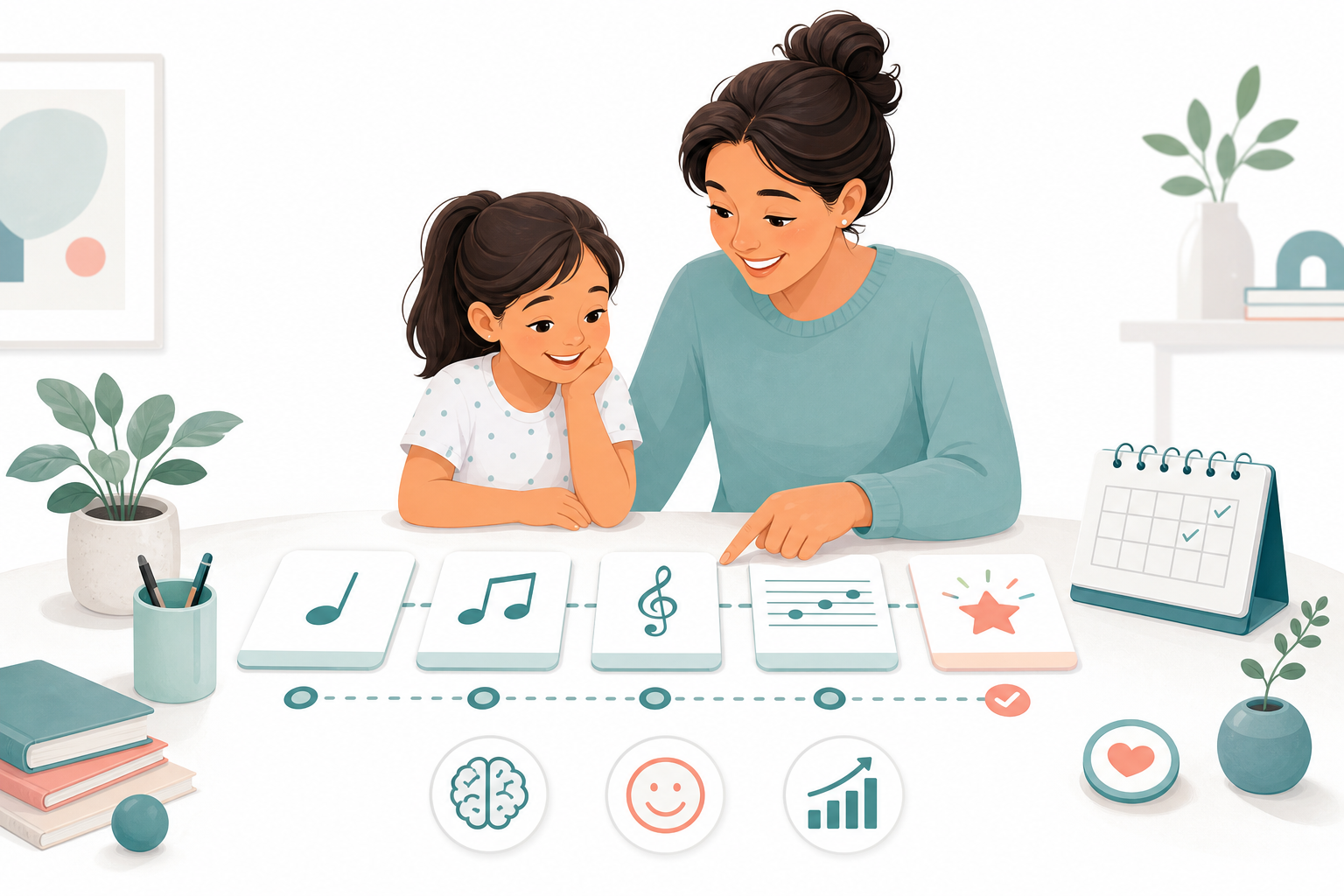
Do Kids Need Music Experience Before Piano Lessons?
No. Most children begin piano with little or no formal music experience. Some have sung in class, tapped along to songs, or played with a toy instrument, but that is not the same as knowing how piano works. Beginner lessons should introduce the basics in a way children can understand.
Early piano learning usually starts with simple musical habits: listening, steady beat, finger awareness, keyboard geography, short patterns, and easy songs. Note reading and music literacy can grow from there.
Start the iPianoLab signup path if your child is ready to begin from the first step.
What A True Beginner Should Learn First
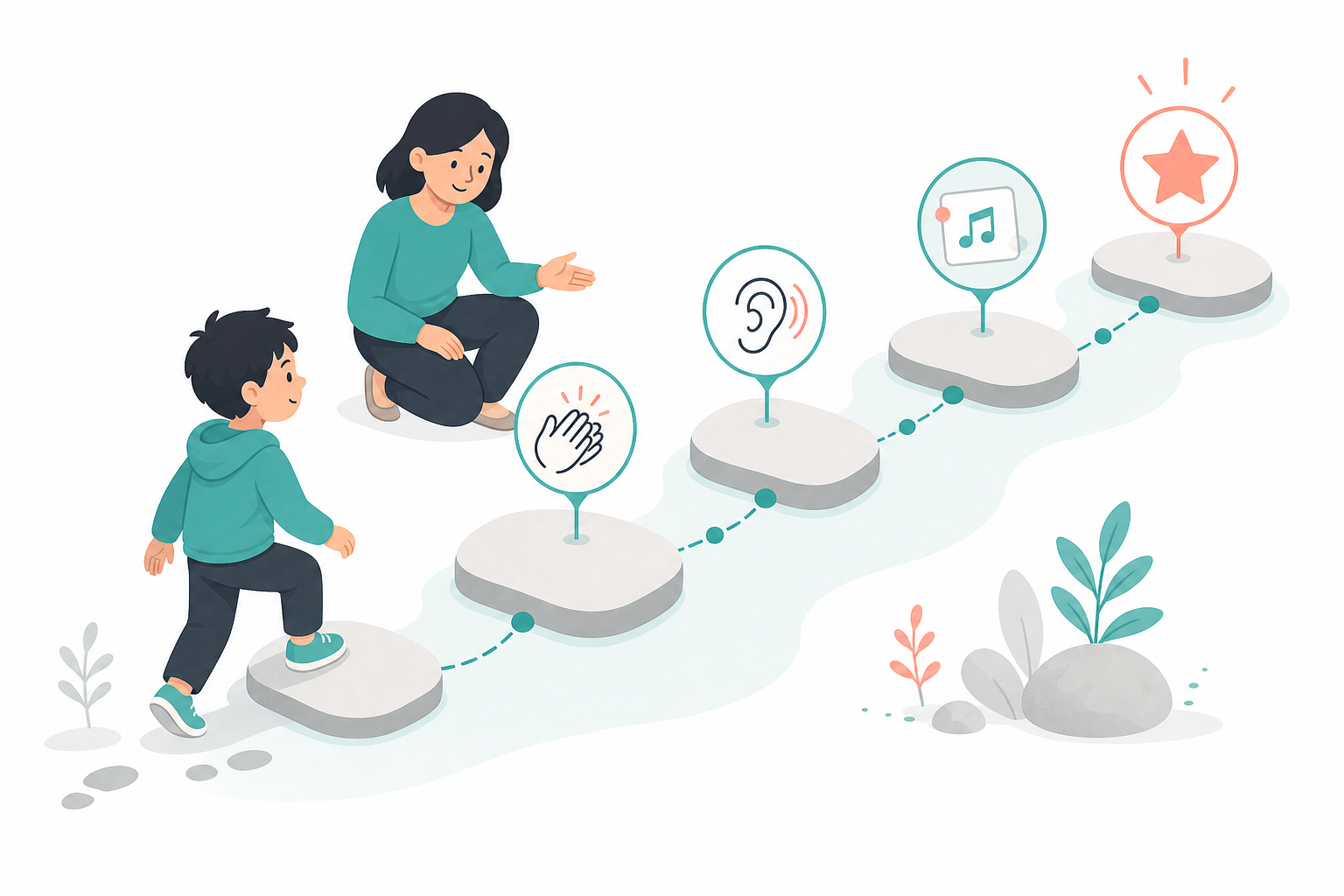
A new student does not need everything at once. The first goal is musical comfort. A child should learn what the instrument is, how to listen, how to follow a simple rhythm, and how to repeat a small pattern without feeling lost.
Useful first skills include:
- Finding high and low sounds.
- Keeping a steady beat by clapping or tapping.
- Copying a short rhythm or melody pattern.
- Using one finger or one hand with control.
- Starting and stopping together with a teacher.
- Trying again after a small mistake.
- Playing a short song or pattern that feels like music.
Those skills may look simple, but they build the foundation for reading notes, playing with two hands, understanding rhythm, and practicing independently later.
Why Early Wins Matter
Children are more willing to keep learning when they feel capable early. That does not mean skipping fundamentals. It means connecting fundamentals to small musical wins that children can hear and remember.
At iPianoLab, students play songs they enjoy while building keyboard geography, rhythm, counting, note reading, melody, chords, two-hand coordination, and music literacy over time. The early song experience gives children a reason to care about the fundamentals.
What Parents Can Do Before The First Lesson
You do not need to teach piano at home before lessons begin. In fact, trying to pre-teach too much can make the first lesson more confusing. A better goal is to make music feel normal and low-pressure.
Before the first lesson, parents can:
- Play music your child enjoys and ask what they notice.
- Clap along to a favorite song for a few seconds.
- Talk about lessons as a place to learn, not a test to pass.
- Set aside a small home practice spot if you have a keyboard.
- Keep expectations simple: listen, try, repeat, and ask questions.
If your family is choosing a starter instrument, keep the decision practical. A simple home keyboard can support short practice while your child is getting started, and the 61-key vs. 88-key keyboard guide can help you compare options without overbuying.
School Class, Online Learning, Or Extra Help?
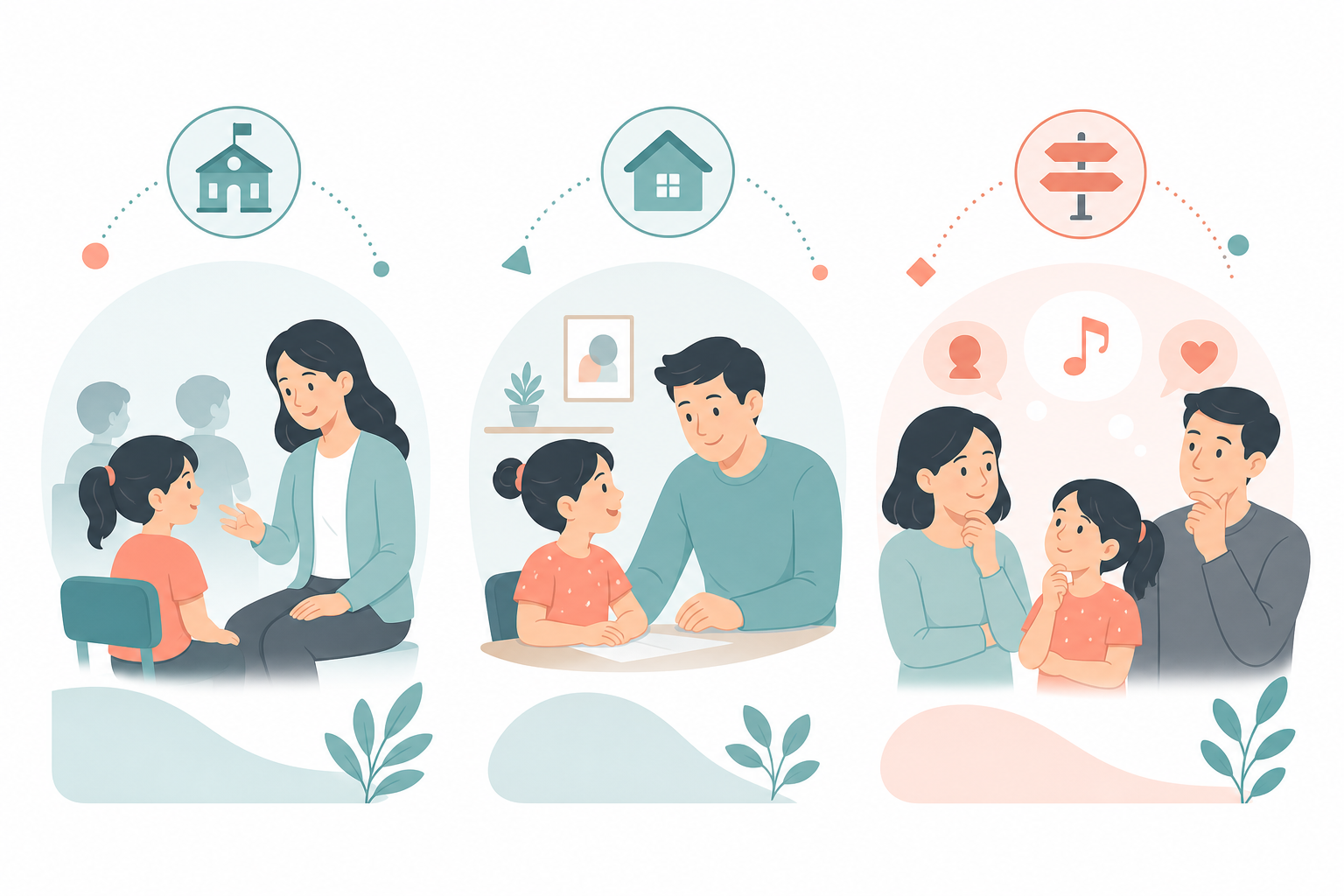
A child with no musical background can start in more than one format. The best choice depends on personality, schedule, and how much support your family wants between lessons.
- After-school classes work well when your child likes routine, classmates, and a teacher-guided weekly structure. Explore iPianoLab after-school piano classes.
- Online learning works well when your family needs flexibility, home practice support, or an easier way to review between lessons. Explore iPianoLab online learning.
- Help choosing a path works best when you are unsure whether your child needs a class, online option, or extra support. Ask about the right beginner path.
New York City families who already have lessons but need a quiet place for extra coaching, practice, or audition preparation can review Lenox Hill Music Studios for hourly studio space. That link is most relevant when the barrier is practice space, not whether your child is ready to start.
How To Tell If The First Lessons Are Working
Progress for a complete beginner is not always a polished song. It may be a child remembering where to start, keeping a steadier beat, recognizing a pattern, or being willing to try again after a mistake.
Look for these early signs:
- Your child can explain one thing they learned.
- They can repeat a short song, rhythm, or pattern with less help.
- They are less nervous about touching the instrument.
- They can follow a simple teacher direction.
- They recover from mistakes faster than they did at the beginning.
- They are curious about another song or next step.
If you want a deeper parent checklist, read how to tell if your child is making progress in piano lessons.
Beginner Piano FAQ
Can my child start piano if they cannot read music?
Yes. Reading music is part of the learning path, not a requirement before starting. Many children begin with listening, rhythm, simple patterns, and songs, then build note reading over time.
Do parents need to know piano?
No. Parents can help by protecting the routine, keeping practice short, and asking what the child is supposed to repeat. The teacher or program should provide the musical direction.
What age is best for a complete beginner?
Readiness depends on attention, curiosity, and the lesson format. Some children are ready earlier with playful structure; others do better when they can follow directions more independently.
Should a beginner start online or in a class?
Both can work. A class can provide routine and peer energy, while online learning can support flexible review at home. The best choice is the one your child will actually use consistently.
Start From The First Step
A child does not need a musical resume to begin piano. They need a first step that feels possible, a teacher-guided path, and enough early success to keep going.
iPianoLab is built for beginning students and busy families. Students start with approachable songs and clear routines, then grow into the fundamentals that make long-term music learning possible.
Choose your child's beginner piano path, compare after-school classes, or start with online piano learning.