Short answer for parents
- For most beginners, a 61-key keyboard is enough to start.
- Choose 88 weighted keys when your child is committed, has space, and is moving toward acoustic or classical technique.
- The best starter keyboard is the one your child will use consistently.
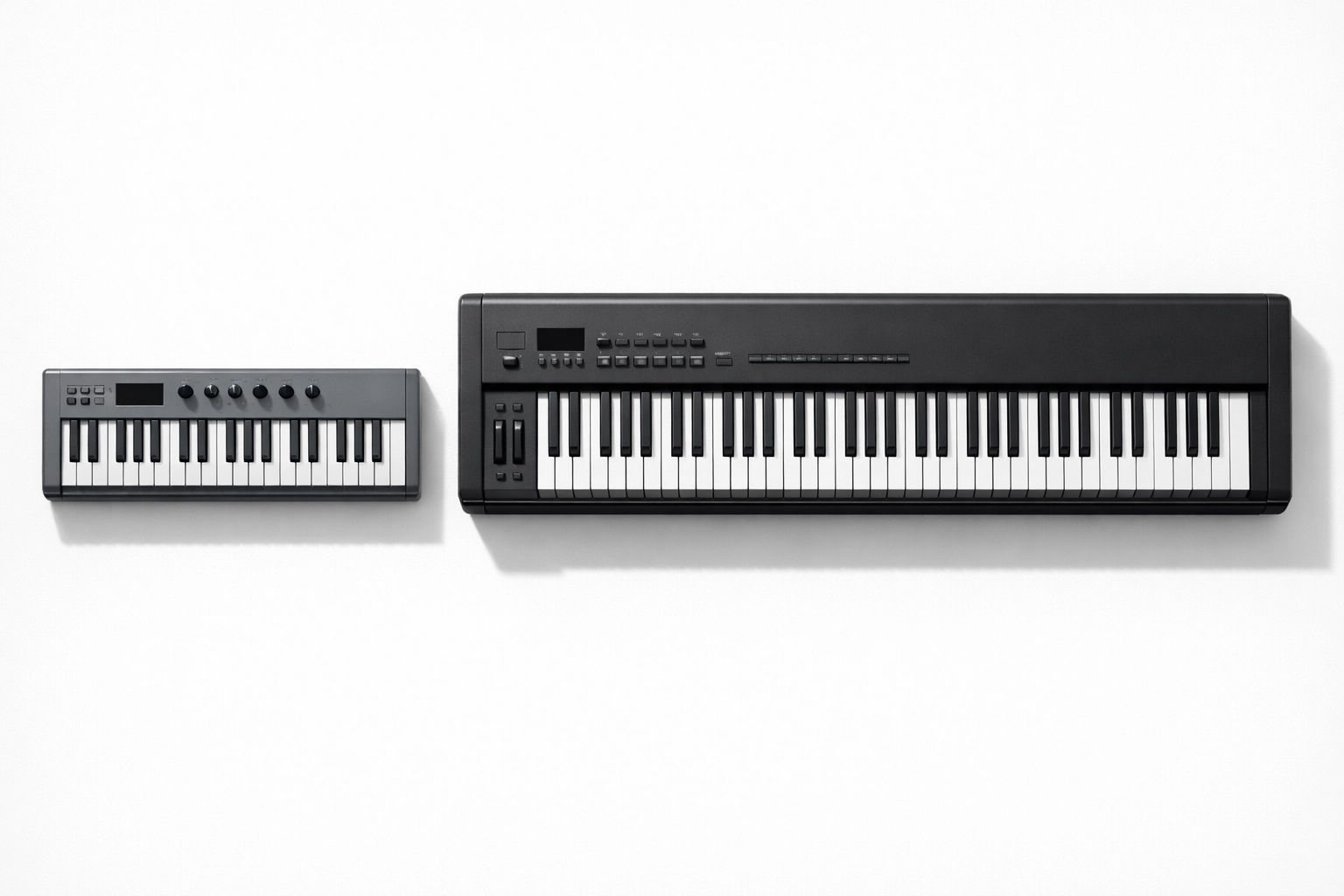
| Question | 61-key starter keyboard | 88-key weighted keyboard |
|---|---|---|
| Best for | New beginners, younger students, and families testing a first lesson routine. | Committed students who need a piano-like feel and a wider range. |
| Space and portability | Smaller, easier to move, and simpler to fit in a bedroom or shared family space. | Larger and heavier, with a setup that usually needs a dedicated spot. |
| When to upgrade | Upgrade when your child practices consistently and starts needing weighted keys or more range. | Start here when your child is already committed or has a teacher recommending weighted keys. |
Already bought the keyboard?
If your child has a starter keyboard and you are deciding what should happen next, use our lesson-path guide to choose between online learning, school classes, and teacher-guided support.
Read: After Buying a Keyboard: Which Piano Lesson Path Fits Your Child?Ready to turn that first keyboard into progress?
iPianoLab helps beginners use a starter keyboard for real songs, rhythm, note reading, and confidence.
![[HERO] 61-Key vs 88-Key Keyboard: Which Is Better For Your Child's First Piano Lessons?](https://ipianolab.s3.us-west-2.amazonaws.com/blog/posts/1/assets/marblism/cdn.marblism.com/e94R5zLwViT.webp)
You're ready to get your kid started with piano lessons. Awesome! But now you're staring at keyboard options online, and the big question hits you: 61 keys or 88 keys?
Here's the good news: you don't need to overthink this decision. For most kids just starting out with beginner piano lessons, a 61-key keyboard is the better choice: and we'll explain exactly why in this guide.
If your child will learn from home, review whether online piano lessons are effective before choosing a weekly routine.
Why 61-Key Keyboards Are Perfect for Piano Lessons for Kids
Let's cut to the chase. When you're starting keyboard lessons for beginners, a 61-key model gives you everything your child needs to learn, practice, and actually have fun without breaking the bank or taking over your living room.
It's Budget-Friendly
A quality 61-key keyboard typically costs $150-$300, while 88-key models start around $400 and can easily climb past $1,000. When you're not sure if your child will stick with piano lessons for kids long-term, spending less upfront just makes sense. You can always upgrade later if they fall in love with it.
It Fits Your Space (and Your Life)
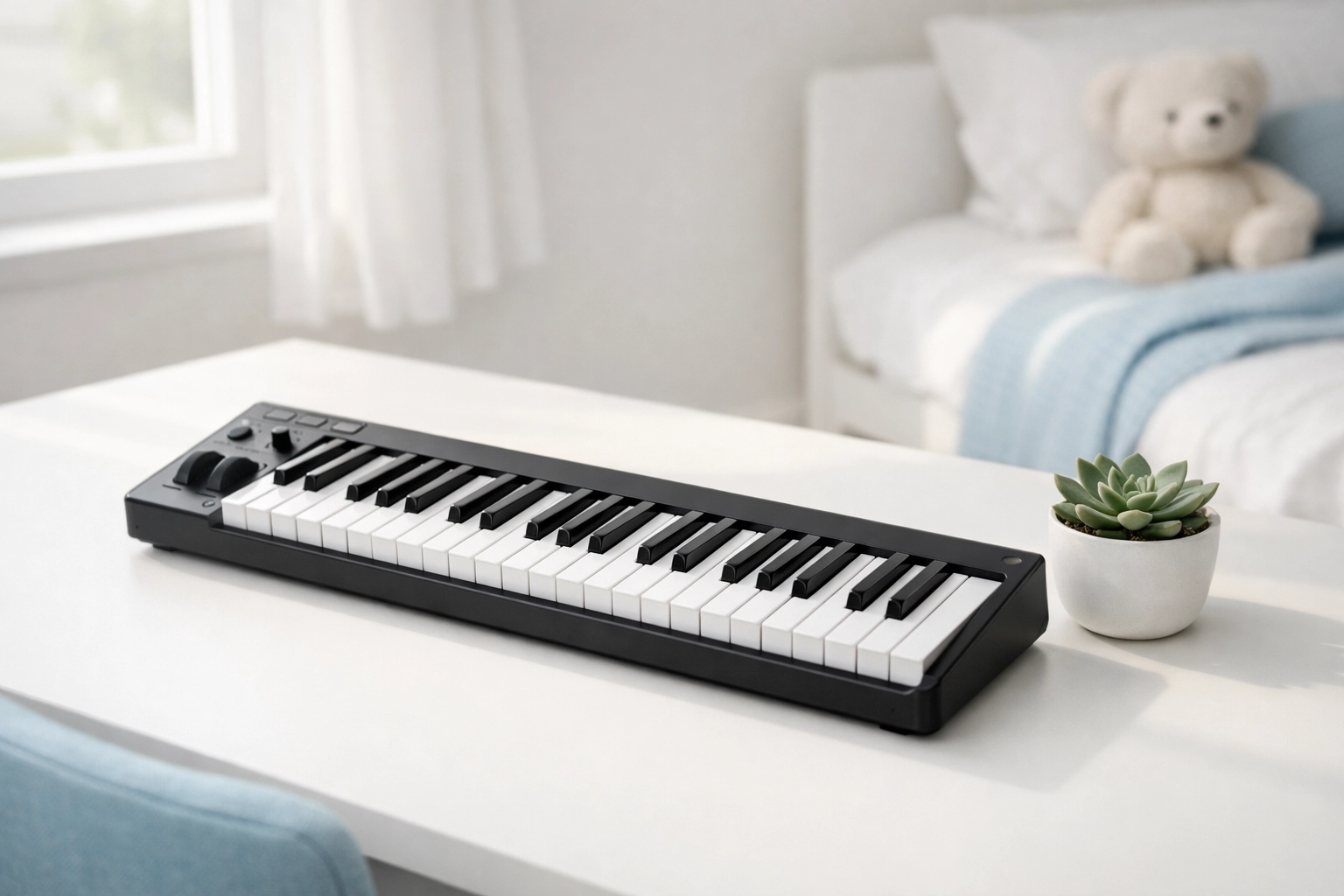
Here's something nobody tells you: keyboards that don't stay set up don't get played. A 61-key keyboard is compact enough to keep on a desk, dresser, or small stand in your child's room. It's light enough that even a 7-year-old can move it around. That accessibility matters way more than you'd think: when practice means hauling something heavy out of a closet, it just doesn't happen.
It's Got the Range Kids Actually Need
Your child will spend their first year (or more!) learning songs that use maybe 2-3 octaves. Popular songs, Disney tunes, simple classical pieces: they all fit comfortably on 61 keys. Unless your kid is diving into advanced Chopin or Rachmaninoff, they won't run out of space anytime soon.
Built-In Learning Features That Actually Work
Most modern 61-key keyboards come packed with features that make learning faster and more fun: light-up keys, recording functions, tons of instrument sounds, and rhythm accompaniments. These interactive tools keep kids engaged during those crucial first months when building a practice habit matters more than anything else.
At iPianoLab, we've watched hundreds of kids progress quickly on 61-key keyboards because they're practicing more consistently. And consistency beats perfection every single time.
When Should You Choose an 88-Key Keyboard Instead?
Look, we're not saying 88-key keyboards are bad: they're just not always necessary for beginners.
Consider 88 keys if your child:
- Has already been taking lessons for 6+ months and is seriously committed
- Specifically wants to focus on classical piano and graded exams
- Has shown they'll practice consistently (you're not still reminding them every day)
- Has the physical space for a larger instrument permanently set up
- Needs weighted keys to build proper finger strength for acoustic piano transition
The main advantage of 88 keys is the full piano range and weighted action that mimics a real acoustic piano. If your child's goal is to eventually play on an acoustic piano or pursue classical performance seriously, starting with 88 weighted keys builds better technique from day one.
But here's the reality check: that only matters if they're actually going to stick with it. Starting with something affordable and manageable beats starting with something "perfect" that collects dust.
What About Weighted vs Non-Weighted Keys?
This is another common question parents ask us. Here's the simple breakdown:
Non-weighted keys (most 61-key keyboards) are lighter and easier for small hands to press. They're perfect for learning notes, chords, and songs without finger fatigue. Kids can play longer and have more fun.
Weighted keys (most 88-key keyboards) feel more like an acoustic piano and build finger strength. They're ideal if your child will eventually transition to a traditional piano.
For keyboard lessons for beginners, non-weighted is totally fine: and often better. Your child can always adjust to weighted keys later if needed. It's way easier to go from light to heavy than the other way around.
The Best Keyboard for Beginners: Our Practical Recommendations
We've worked with families trying every keyboard brand and model imaginable. Here are our honest, tested recommendations:
Best 61-Key Options ($150-$300):
- Casio CTK series (CTK-2550 or CTK-3500)
- Yamaha PSR-E373
- Alesis Melody 61 MKII (great bundle with stand, bench, and headphones)
Best 88-Key Options ($400-$600):
- Yamaha P-45 (weighted, very popular)
- Casio Privia PX-160 (weighted, great sound)
- Alesis Recital Pro (weighted, budget-friendly)
Want more specific details on what to look for? We've got a complete guide that breaks down exactly what features matter (and which ones are just marketing fluff). Check out our keyboard buying guide for the full scoop.
How iPianoLab Makes Learning Work on Both 61 and 88 Keys
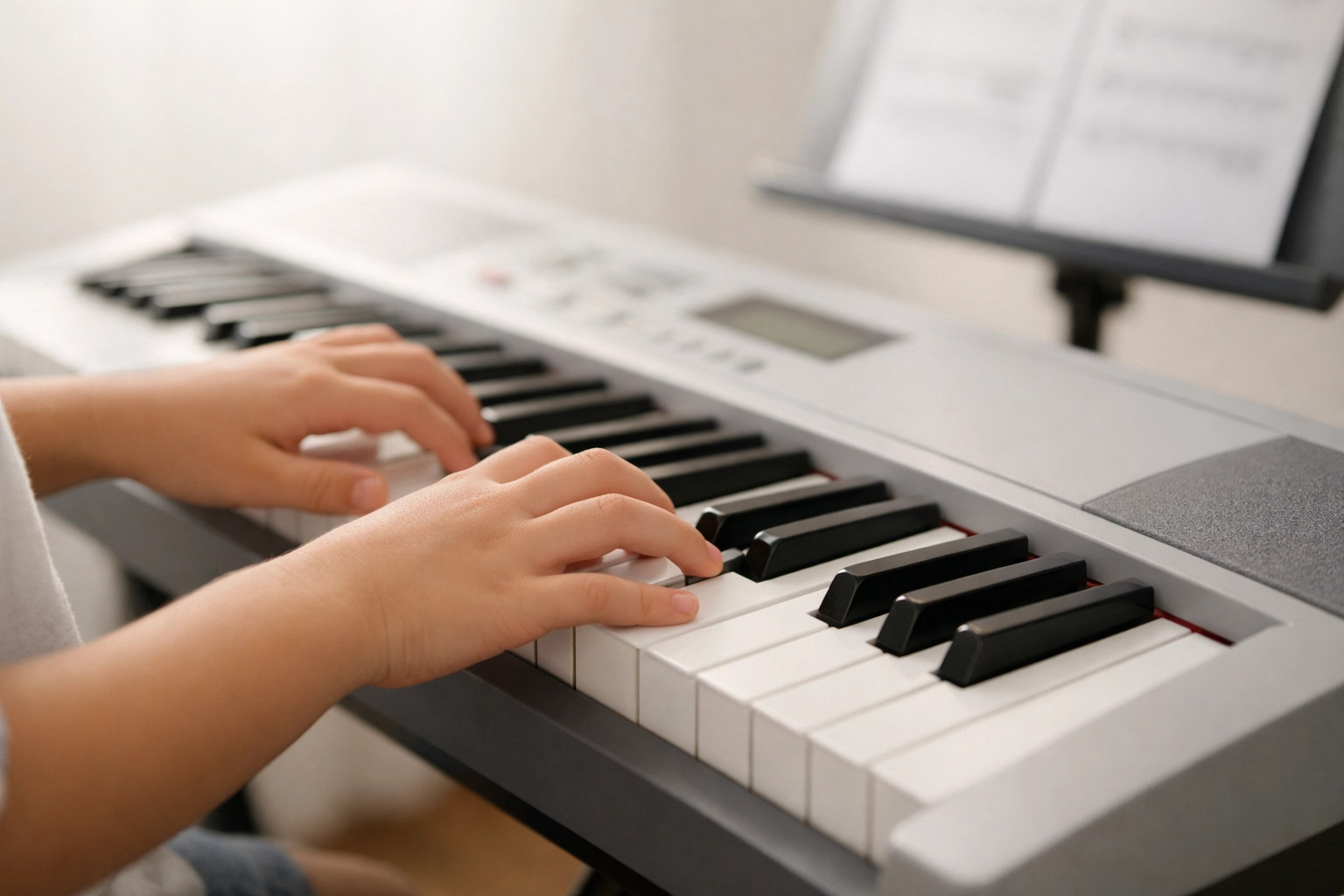
Here's what makes iPianoLab different: we teach using popular songs your kids actually want to play. No boring scales for six months. No ancient folk tunes nobody's heard of. We're talking Billie Eilish, Imagine Dragons, Disney, Taylor Swift: the songs they're already listening to.
And guess what? Those songs sound amazing on a 61-key keyboard.
Our method works on both 61-key and 88-key keyboards because we focus on:
- Fast results: Kids play recognizable songs within their first few lessons
- Fun, modern music: Learning feels like playing, not like homework
- Flexible programs: Online lessons, after-school programs, and NYC in-person options
We've had kids start on basic 61-key keyboards and progress to performing at school showcases within months. The keyboard doesn't hold them back: the practice method matters way more.
Want to see how it works? Grab some free lessons and resources and try it out before committing to anything.
Making Your Final Decision: Start Small, Upgrade Later
Still not sure which keyboard is right? Here's our honest advice: when in doubt, go with the 61-key option.
You're not making a forever decision here. You're making a starting decision. If your child falls in love with piano and keeps progressing, upgrading to an 88-key keyboard in a year or two is perfectly fine. Plenty of our students do exactly that.
But if you invest $800 in an 88-key keyboard and your child loses interest after three months? That's a much tougher pill to swallow.
Start with what's practical, affordable, and accessible. Let your child's enthusiasm guide the next step.
Quick Shopping Tips for the Best Keyboard for Beginners
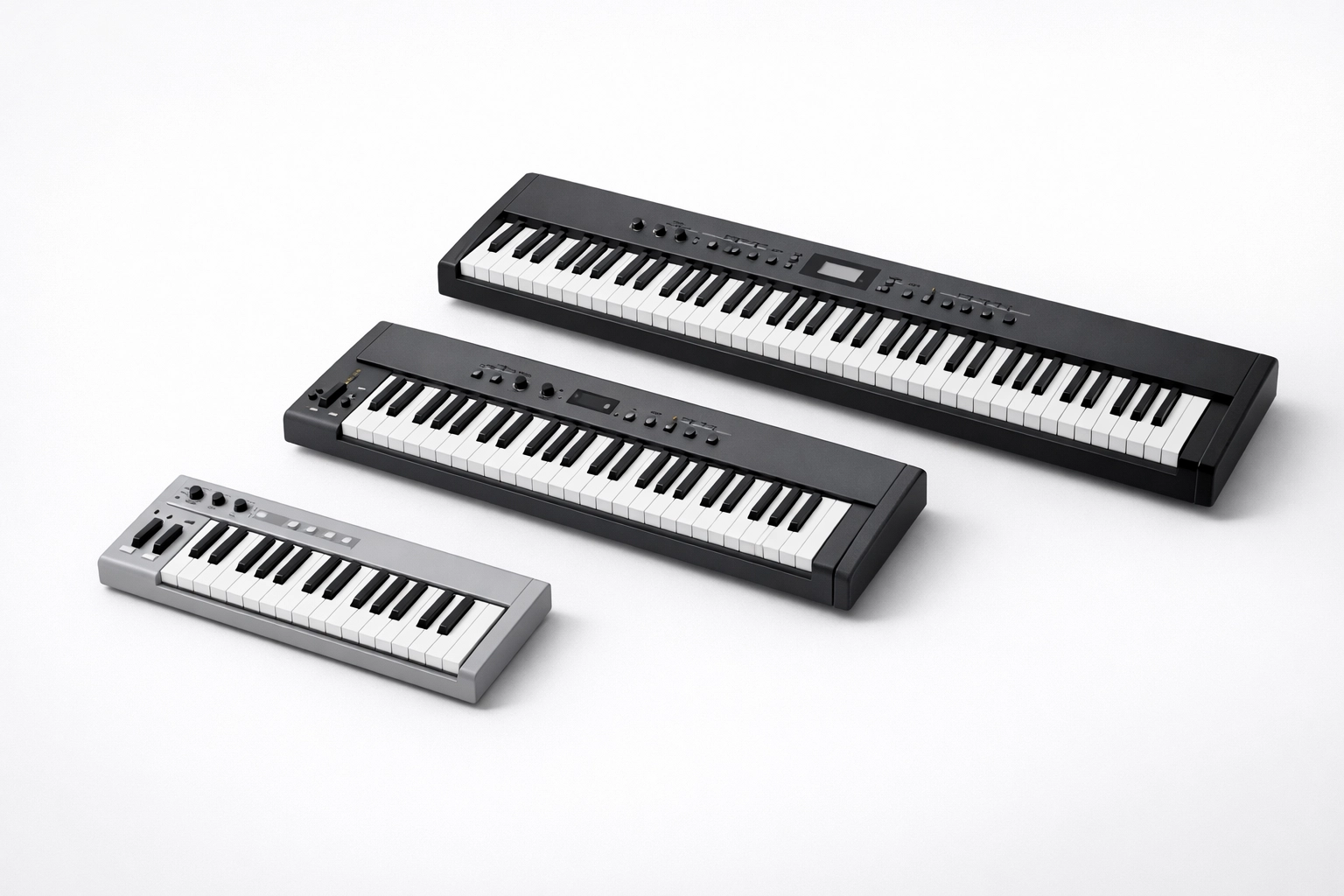
Before you click "buy," here are a few things to double-check:
✓ Touch-sensitive keys: Keys should respond to how hard you press (louder when you press harder)
✓ Full-size keys: Avoid mini keys: they don't transfer well to regular pianos
✓ Headphone jack: Essential for peace and quiet in your house
✓ Sustain pedal input: Not crucial immediately, but nice to have for later
✓ MIDI/USB connectivity: Helpful if you want to connect to learning apps
Don't worry about getting every feature perfect. The best keyboard for beginners is the one your child will actually practice on.
Ready to Start Piano Lessons for Kids?
Whether you go with 61 keys or 88 keys, the most important part is getting started. At iPianoLab, we make learning piano fun, fast, and flexible: with programs designed for real kids with real schedules.
Check out our options:
- After-school programs at partner schools
- Online keyboard lessons from anywhere
- NYC in-person locations for local families
Getting started is just one click away. Your child's first song is waiting: whether on 61 keys or 88!
Looking for beginner piano lessons in NYC?
iPianoLab NYC offers group classes, camps, and private lesson options for local families at the Upper East Side studio.
Help your child start with a clear next step
Choose the path that fits your family: create an account, start online lessons, or find school classes near you.