
Why Does My Child Play Piano Notes Unevenly?
If your child plays piano notes unevenly, find whether timing, volume, or accuracy changes and try this five-minute clap–tap–play routine.
Read PostNews, tips, and stories from the iPianoLab team.
If your child plays piano notes unevenly, find whether timing, volume, or accuracy changes and try this five-minute clap–tap–play routine.
Read Post
If your child barely makes a sound on the piano, use this five-minute faint, clear, strong listening routine without adding tension.
Read Post
If your child skips or shortens piano rests, use this five-minute sound–silence–sound routine to keep the beat moving through the quiet.
Read Post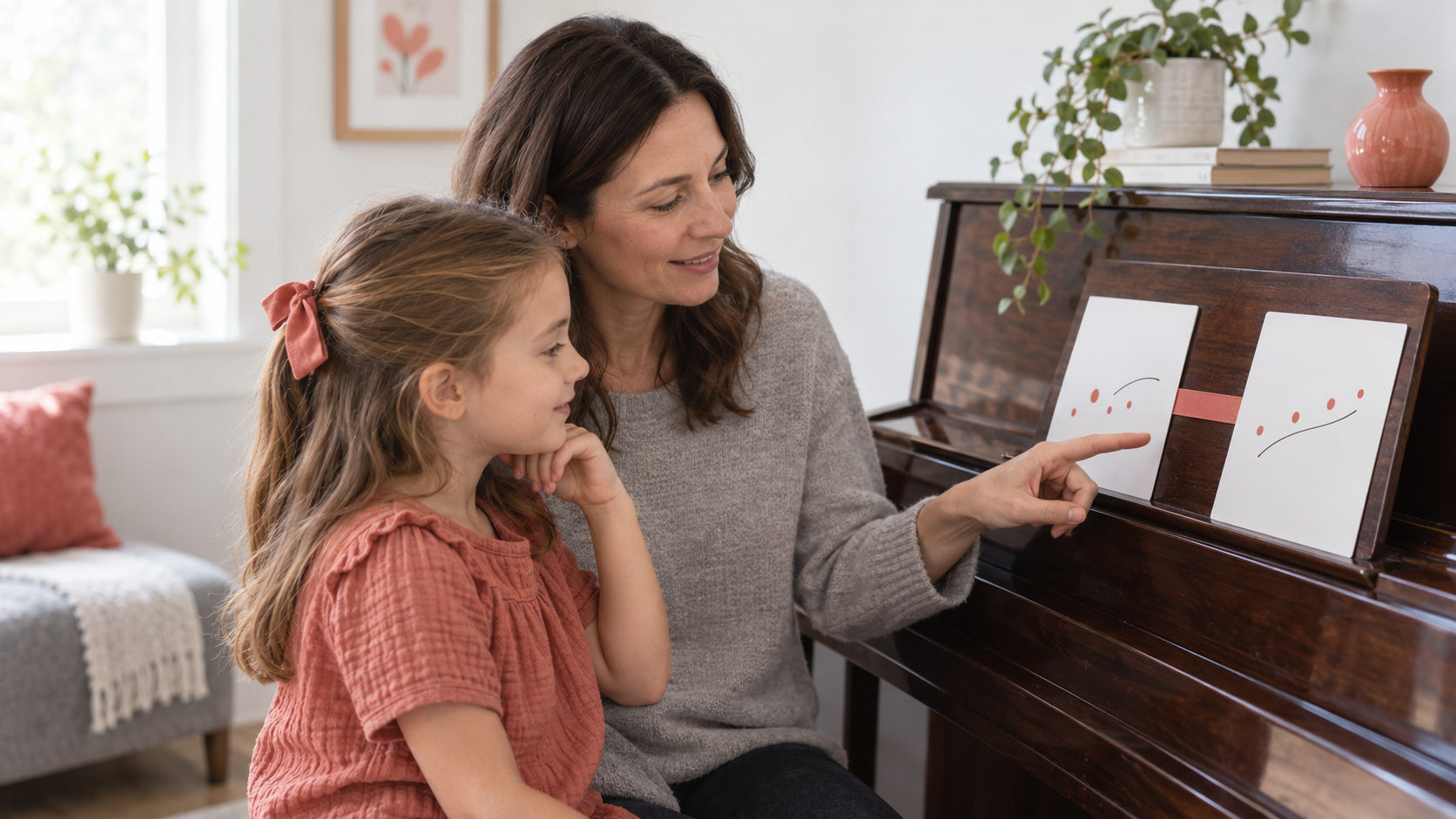
If your child pauses at every bar line on piano, use this five-minute last-beat–first-beat routine to connect measures without rushing.
Read Post
If your child plays the left hand too loudly on piano, use this five-minute melody-and-support routine to build balance between the hands.
Read Post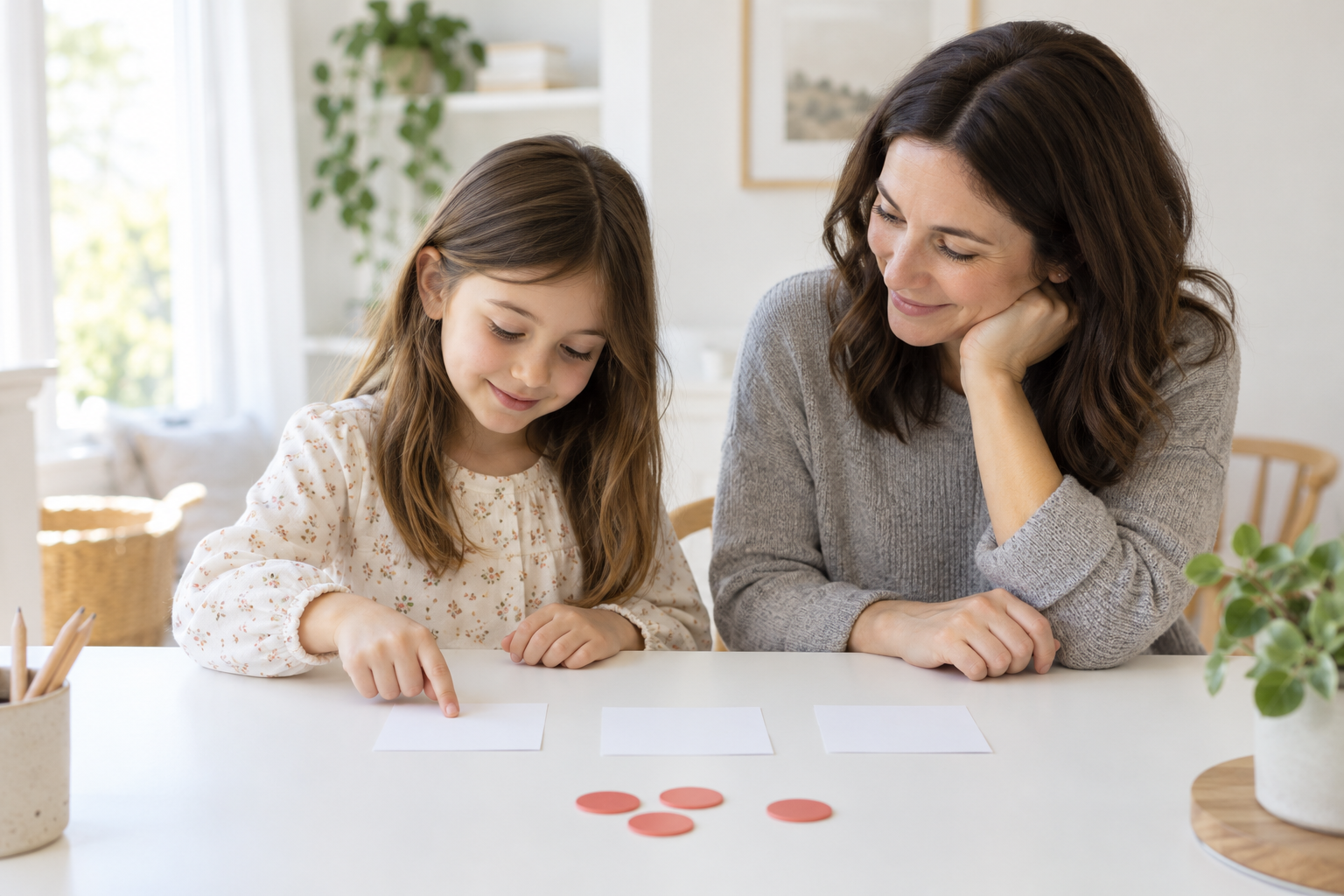
If your child keeps playing wrong piano notes, find the pattern and use this calm five-minute point, place, play routine.
Read Post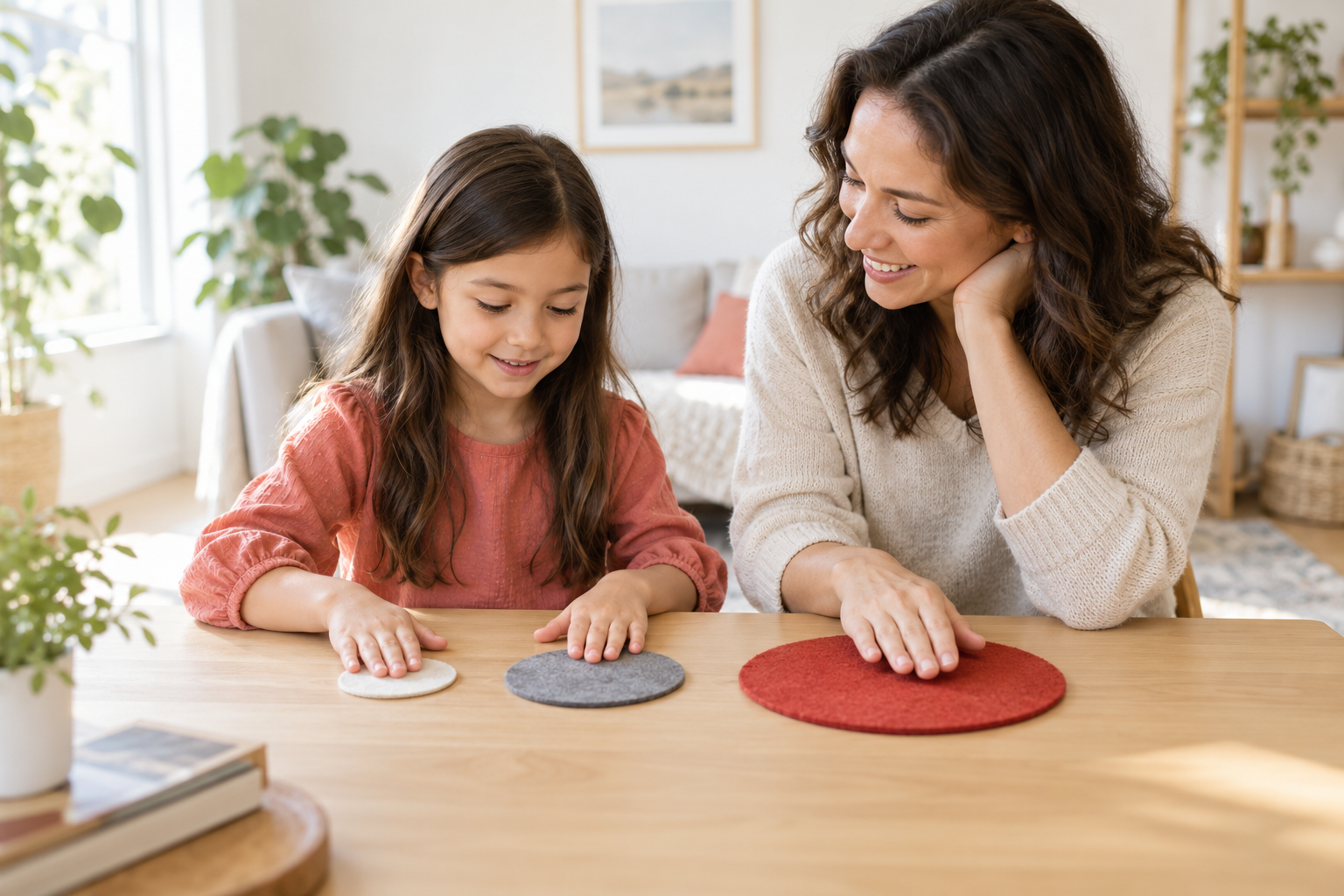
If your child plays every piano note at the same volume, use this five-minute soft, medium, strong listening game to build musical contrast.
Read Post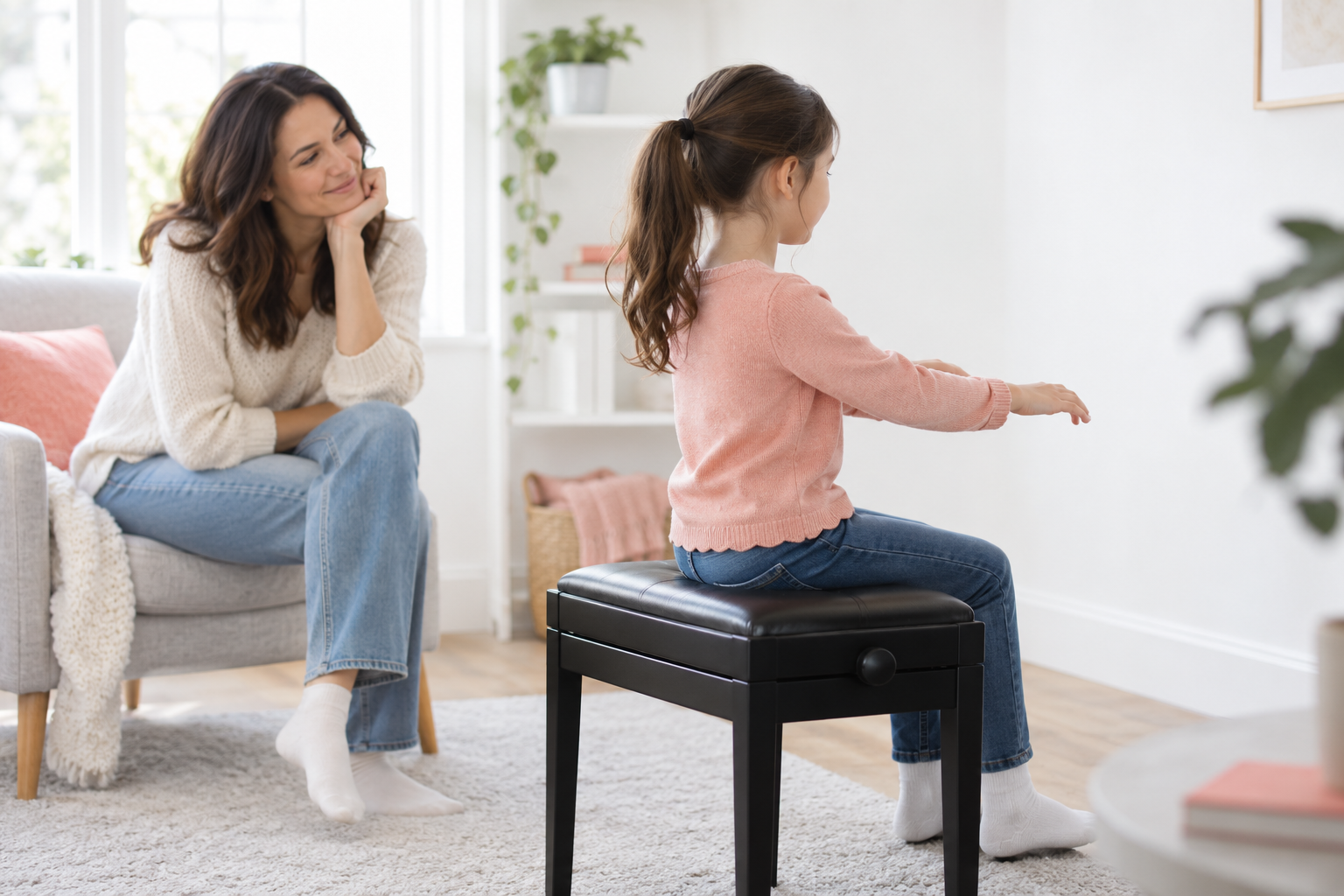
If your child lifts their shoulders while playing piano, check the setup and try this calm five-minute lift, breathe, release reset.
Read Post
If your child loses their place in piano music, use this calm five-minute find, follow, return routine to build steadier visual tracking.
Read Post