After-School Piano Enrichment: What Parents Should Look For
After-school activities can fill up a family calendar quickly. Sports, art, tutoring, dance, clubs, and music all compete for the same weekday window. For parents, the real question is not just "What sounds fun?" It is "What will help my child grow, stay motivated, and actually fit into our week?"
After-school piano enrichment can be a strong choice because it gives children a structured creative outlet while building listening, rhythm, focus, coordination, and confidence. The best programs are not built around pressure or perfection. They help beginners experience early musical wins, then connect those wins to real skills.
At iPianoLab, becoming PianoFlight in Summer 2026, students start by playing songs they enjoy and then build fundamentals such as keyboard geography, rhythm, counting, note reading, two-hand coordination, melody, chords, and music literacy.
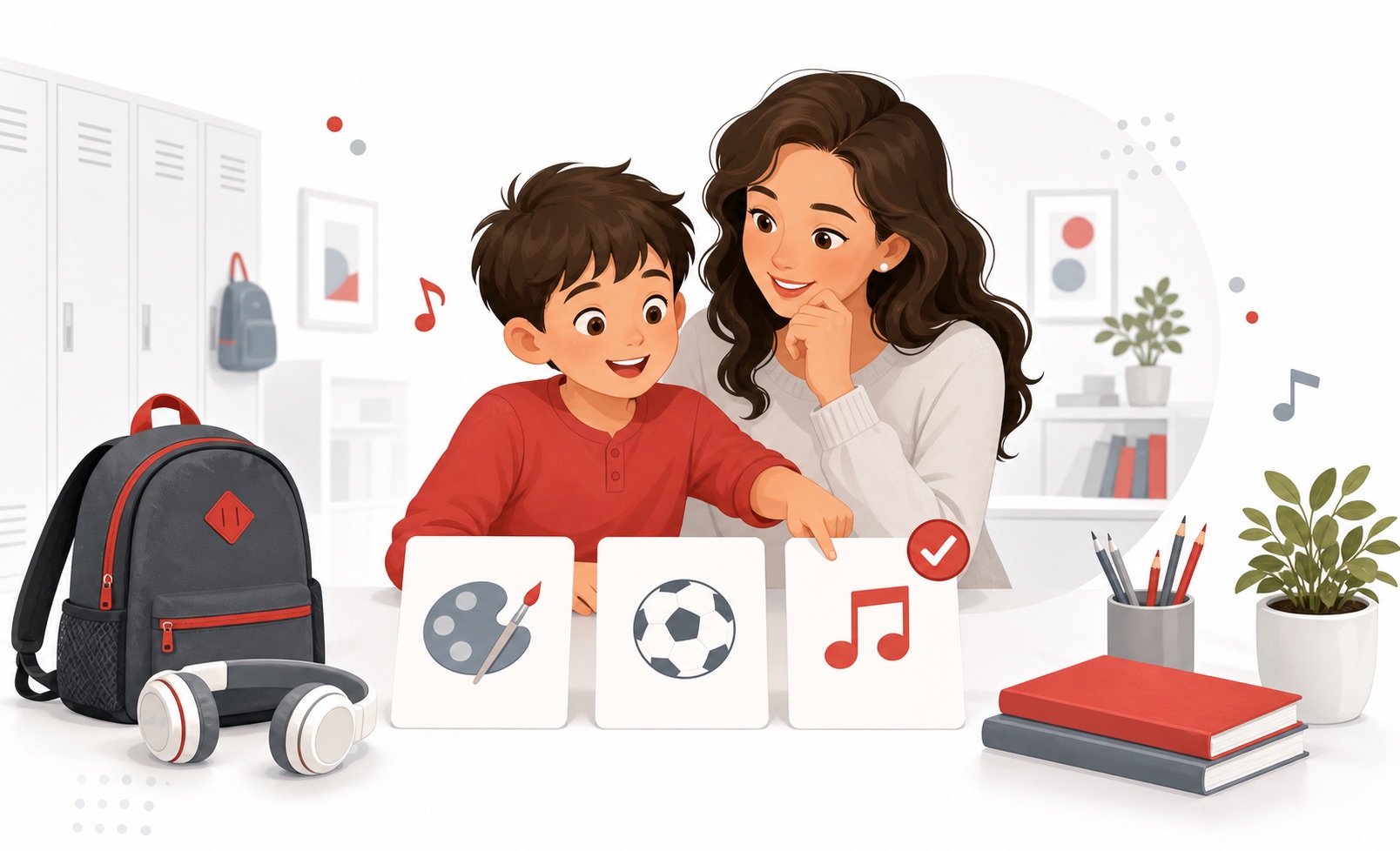
What is after-school piano enrichment?
After-school piano enrichment is a beginner-friendly music class that fits into the school-week routine. Instead of asking families to manage a separate late-evening lesson commute, enrichment programs often meet right after school or in a predictable weekly class format.
A strong program should still teach real music. The activities may feel playful, but the learning should connect to clear fundamentals: steady beat, note direction, listening, hand coordination, reading patterns, and confidence at the keyboard.
Why piano works well after school
Children often need a different kind of focus after the academic day. Piano can offer that because it is active, creative, and structured at the same time. Students listen, move their hands, count, make decisions, repeat patterns, and hear the result immediately.
That immediate feedback matters. When a child plays a short pattern correctly, they hear progress. When something sounds off, they can try again. Over time, that loop builds persistence without needing a lecture about discipline.
What parents should look for before enrolling
The best after-school piano program is not always the fanciest one. Parents should look for a program that can explain how beginners start, how teachers keep the class organized, and how families know what to practice between sessions.
- A clear beginner path for students with no prior experience
- Short, age-appropriate teacher instructions
- Early songs or musical patterns children can recognize
- Rhythm, listening, and keyboard skills taught together
- Predictable weekly scheduling
- Simple parent communication about practice
- A next step when the child is ready to continue
How after-school piano builds confidence
Confidence grows when children know what to do next. A beginner who is handed a difficult song too early may decide piano is "too hard." A beginner who can find a pattern, count a rhythm, and play a short musical idea is more likely to feel capable.
That is why early wins matter. They are not shortcuts. They are the doorway into more serious learning. Once a child believes, "I can do this," the teacher can build toward reading, coordination, chords, and more independent practice.
Group piano can be a smart starting point
Private lessons are useful for many students, especially as goals become more specific. But group piano can be especially helpful for beginners when the class is well organized. Children see classmates trying, repeating, laughing, and improving. That shared energy can make music feel less intimidating.
The structure matters. A strong group class should still include teacher attention, clear checkpoints, and level-appropriate materials. Lively is good. Unfocused is not.
What should practice look like at home?
After-school enrichment works best when home practice is short and specific. Parents do not need to become music teachers. They need to help create a repeatable routine.
For many beginners, five to ten focused minutes can be enough to keep momentum between classes. The practice goal might be finding a pattern, replaying a short melody, clapping a rhythm, or watching an assigned tutorial. The point is consistency, not marathon practice.
If your family is choosing a starter instrument, the iPianoLab keyboard buyer's guide can help you avoid overspending while still giving your child a practical way to practice.
Questions to ask a program director
Before signing up, ask practical questions that reveal how the program works day to day:
- What happens in the first class for a brand-new beginner?
- How often does the class meet, and how long is each session?
- Are keyboards, headphones, books, and materials provided?
- How are parents told what to practice at home?
- How does the teacher support shy, energetic, or mixed-level students?
- What is the next step after the first level or session?
What makes iPianoLab different?
iPianoLab is built for beginning students and busy families. Students play songs early, but the method is not skill-light. Songs become the way children learn rhythm, counting, keyboard geography, note reading, two-hand coordination, and musical confidence.
School-based classes commonly meet once weekly for one hour, with levels organized into six lessons. Programs provide keyboards, headphones, books, music, and learning materials for class sessions. Families are encouraged to have a keyboard at home so practice can stay easy between classes.
FAQ: after-school piano enrichment
Is after-school piano good for beginners?
Yes, when the program is designed for beginners. A good class starts with simple patterns, listening, rhythm, and early songs before expecting advanced reading or technique.
Does my child need a piano at home?
A full acoustic piano is not required for most beginners. A practical starter keyboard can work well for home practice, especially when assignments are short and clear.
How often should kids practice?
Short, consistent practice usually works best. Five to ten focused minutes between classes can help a beginner remember patterns and feel prepared for the next lesson.
Are group piano classes effective?
They can be very effective when they are structured. Group classes give children peer energy and teacher guidance while still building real musical skills.
Ready to choose an after-school piano program?
The best after-school activity is one your child can enjoy and your family can sustain. If your child is curious about music, iPianoLab can help them begin with structure, confidence, and songs that make learning feel possible.
Explore school-based piano programs, online piano learning, or start here: