What to Do When Your Child Wants to Quit Piano Lessons
A child saying "I want to quit piano" can mean several different things. Sometimes it means the music is too hard. Sometimes it means practice has become tense. Sometimes the lesson format does not fit the child right now. Before dropping piano completely, parents can usually learn a lot by slowing the decision down and finding the real source of friction.
The short answer: listen first, make the next goal smaller, talk with the teacher, and choose the lesson path that gives your child the best chance to feel capable again. Quitting may be the right choice in some cases, but it should not be the first move when a reset could protect confidence and progress.
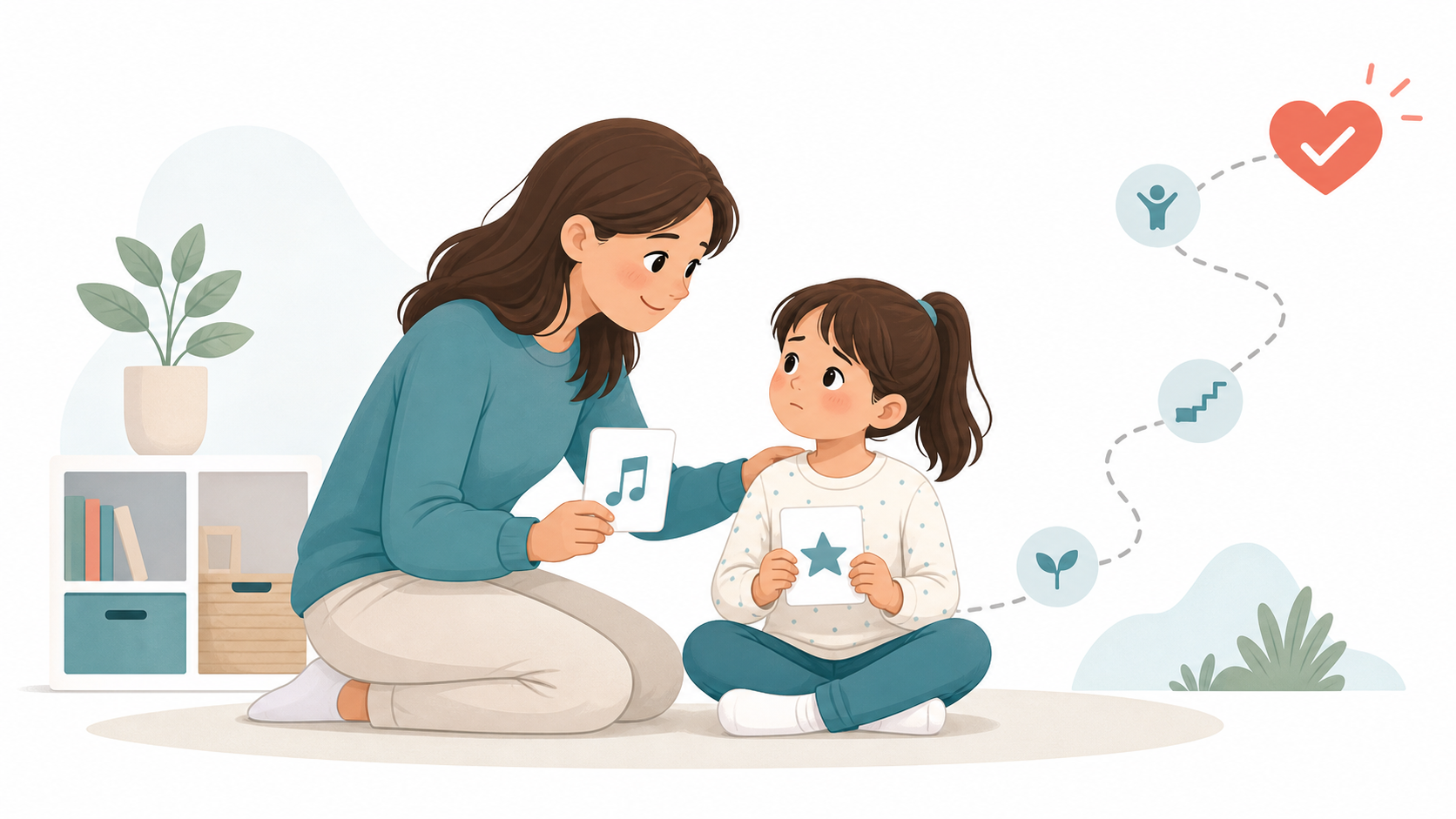
Why kids say they want to quit piano
Children often use one sentence for a whole cluster of feelings. "I want to quit" may mean "I do not understand this song," "I do not like practicing alone," "I am embarrassed to make mistakes," or "I am tired after school." The fix depends on the cause.
Common reasons include:
- The assignment is too broad. A child may not know what to practice or where to start.
- The song is too difficult right now. A piece that asks for too many new skills can make a beginner feel stuck.
- Practice has become a conflict. If every session turns into correction, the child may associate piano with pressure.
- The lesson format is not a fit. Some students need group energy, some need private attention, and some need more flexibility at home.
- The child cannot see progress. Beginners may improve in rhythm, listening, and confidence before they can play a polished song.
Pause before making a permanent decision
If your child is upset, avoid deciding in the middle of a bad practice session. Instead, choose a calm time and ask one practical question: "What part feels hardest right now?"
Listen for specifics. If your child says the song is too hard, the next step is different from a child who says they do not like practicing alone. If they say the teacher moves too fast, that is different from not wanting another activity after school.
Parents do not need to talk a child out of every feeling. The goal is to find the problem that can be changed.
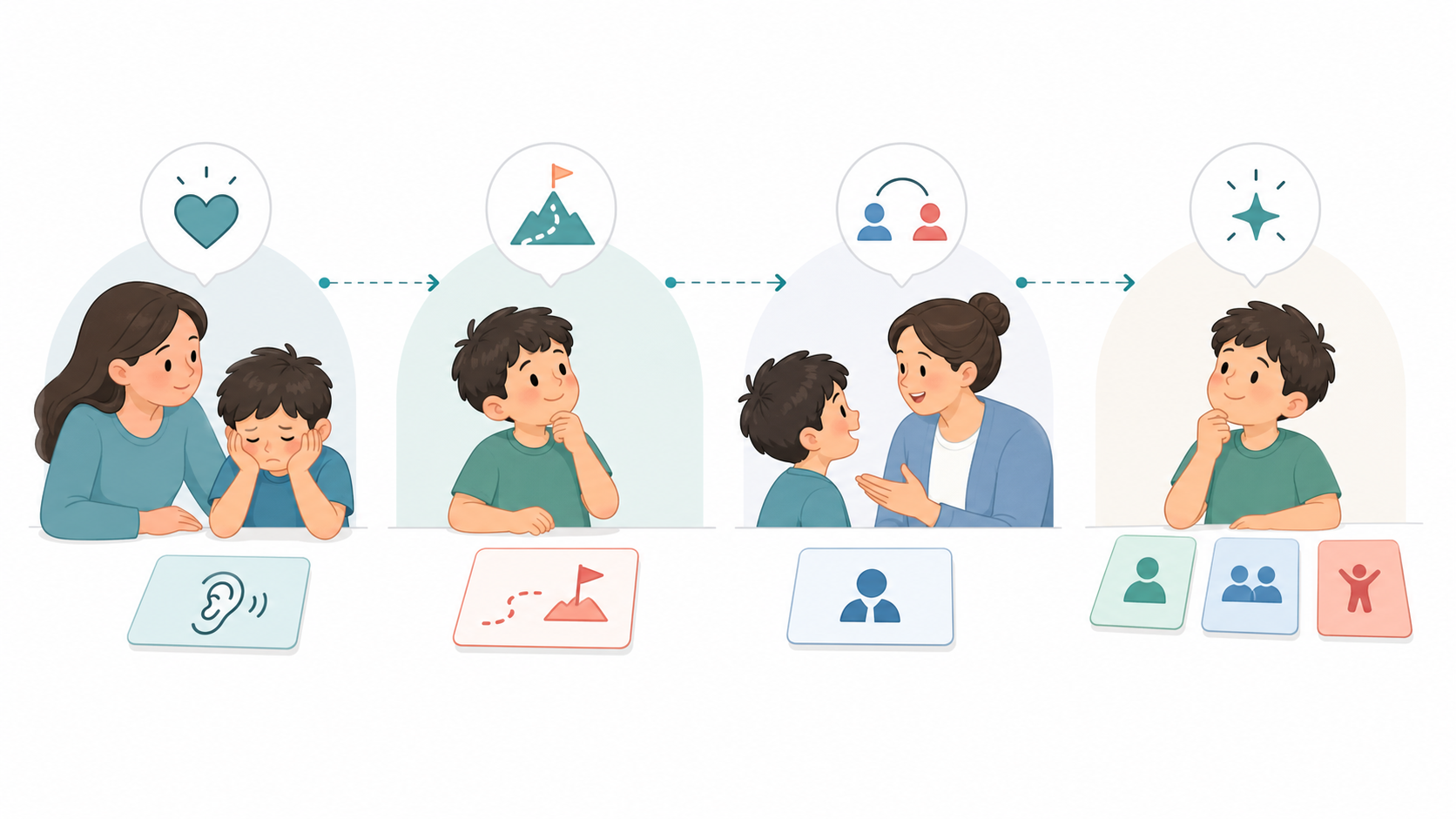
Try a one-week piano reset
Before stopping lessons, try one week of smaller goals. This gives your child a chance to feel progress again without turning the decision into a long argument.
- Choose one tiny target. Practice one line, one rhythm, or one hand position instead of the whole assignment.
- Shorten the session. Five to ten focused minutes can be enough for many beginners.
- Start away from the instrument. Clap the rhythm or count out loud before playing.
- End with one win. Stop after a better try, not after everyone is exhausted.
- Tell the teacher what happened. Ask what should be smaller, slower, or repeated next.
This is not about lowering standards. It is about making the next step reachable so the child can rebuild momentum.
What to ask the teacher or program director
A strong beginner program should help parents understand what success looks like. If your child wants to quit, ask for clarity before assuming piano is not a fit.
- What exact skill is my child working on right now?
- What should practice look like this week?
- Can we make the assignment smaller for a few days?
- Is the current song too hard, too easy, or just new?
- Would a different lesson format help my child?
These questions keep the conversation focused on support, not blame. They also show your child that learning can be adjusted when something is difficult.
When to switch formats instead of quitting
Sometimes the child does not need to quit piano. They need a better match between the learning format, the family schedule, and the child's confidence level.
- School-based classes can help children who do well with a weekly routine and group energy.
- Online learning can help families who need flexibility and a calmer home-based pace.
- Teacher-guided lessons can help when a child needs more personal attention or a more specific plan.
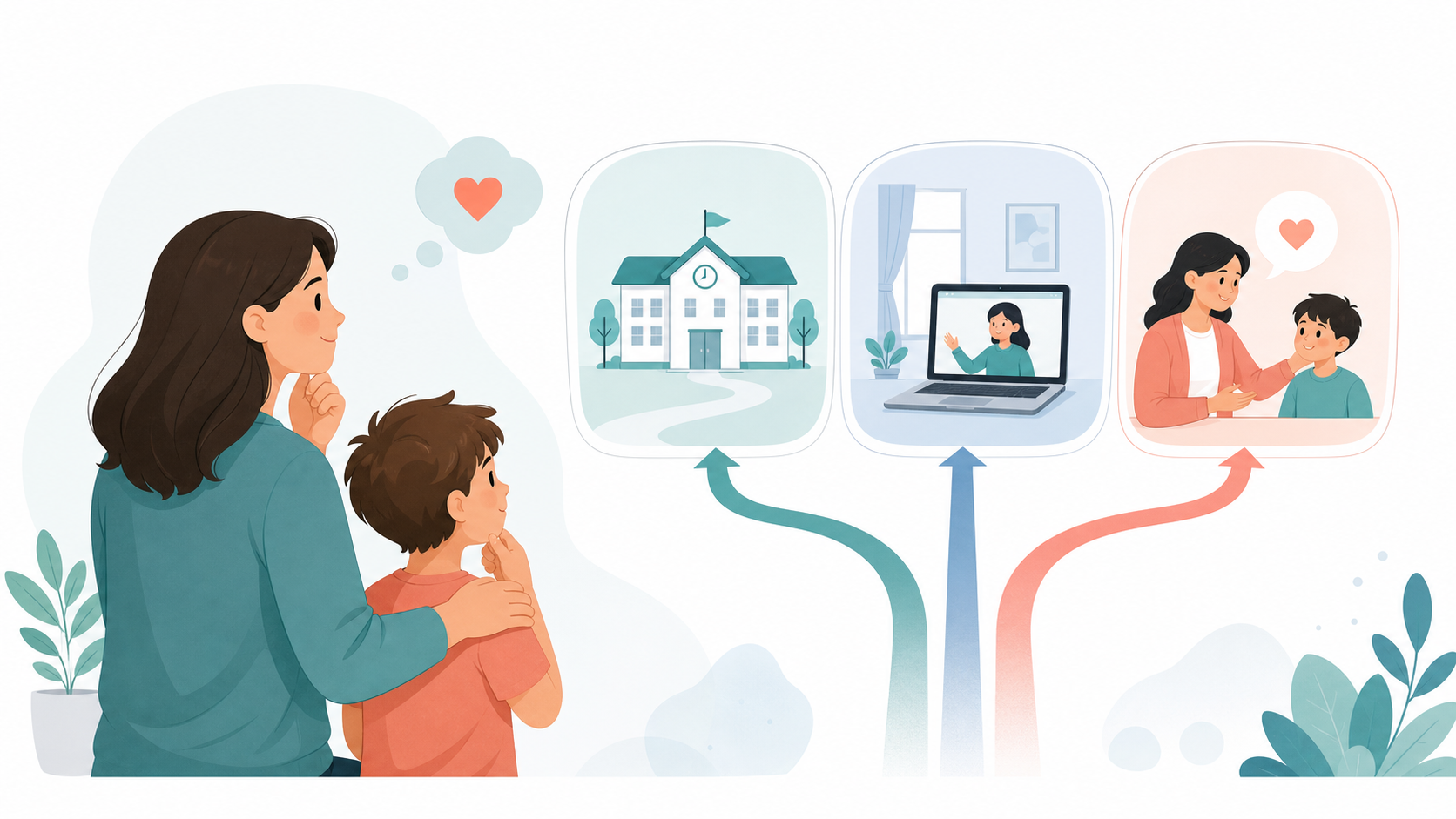
At iPianoLab, families can compare school-based classes, online piano learning, and signup options designed for beginning students. The best choice is the one that makes piano feel possible again.
Find school-based classes Explore online piano learning
When quitting may be the right decision
There are times when stopping is reasonable. If piano is causing ongoing distress, if the schedule is truly unsustainable, or if the child has another activity that is clearly a better fit right now, a pause can be healthy.
Even then, it helps to end with respect for the progress already made. Your child may return later with more readiness. A good ending is not "You failed at piano." It is "We learned what works for you, and we can choose the next step when the time is right."
How iPianoLab helps children stay with music
iPianoLab is built for children and beginning students. Students play songs they enjoy early, then build fundamentals such as keyboard geography, rhythm, counting, note reading, two-hand coordination, melody, chords, and music literacy. That approach matters because confidence and skill have to grow together.
If your child is losing momentum, the next step may be a smaller practice goal, a clearer assignment, or a different path through lessons. You do not have to solve that alone.
Start a beginner-friendly piano plan
Parent checklist
- Do not decide during a stressful practice session.
- Ask what part feels hardest.
- Try one week of smaller practice goals.
- Ask the teacher for one clear assignment.
- Compare lesson formats before dropping piano entirely.
- Protect your child's confidence, even if you decide to pause.
FAQ
Should I make my child continue piano lessons?
It depends on why your child wants to stop. If the issue is frustration, unclear practice, or a poor format fit, try a reset before quitting. If piano is consistently distressing even after support, a pause may be reasonable.
How long should we try before quitting piano?
A one-week reset can reveal a lot. Make the assignment smaller, talk with the teacher, and watch whether your child becomes more willing to try. Longer decisions should be made with the teacher or program director.
What if my child never wants to practice?
Look at practice length, assignment clarity, and timing. Many beginners do better with five to ten focused minutes and one small goal. If practice is always vague or tense, ask the teacher for a clearer plan.
Is switching lesson formats better than quitting?
Sometimes. A child who dislikes practicing alone may do better in a school-based class. A child who feels rushed may need more individual support. A family with schedule friction may need online learning. The format should support the child, not create the whole problem.
Can a child come back to piano after quitting?
Yes. Many children return to music later. If you pause, keep the door open by ending positively and preserving any small wins your child already built.