How to Get Your Kids to Practice Piano (Without the Nagging!)
![[HERO] How to Get Your Kids to Practice Piano (Without the Nagging!)](https://ipianolab.s3.us-west-2.amazonaws.com/blog/posts/2/assets/marblism/cdn.marblism.com/AuK4Qs3vM02.webp)
"Tired of constant battles over piano practice? Discover proven strategies to get kids to practice piano without nagging: including fun routines, reward systems, and how learning popular songs makes beginner piano lessons something your child actually looks forward to."
Let's be real: the daily piano practice battle is exhausting. You invested in piano lessons for kids, bought the keyboard, and your child was excited... for about a week. Now? Getting them to sit at the piano feels like negotiating a peace treaty.
Here's the good news: you're not doing anything wrong, and your kid isn't "bad at commitment." The problem is usually how practice is framed. When piano practice feels like homework, kids will resist it the same way they resist math worksheets.
The secret? Stop thinking about "making" your child practice. Instead, create conditions where they actually want to practice. It sounds impossible, but thousands of parents have cracked this code: and you can too.
The Real Reason Kids Resist Practice
Most traditional beginner piano lessons start with scales, theory exercises, and classical pieces that kids have never heard of. Imagine if your first guitar lesson required you to learn Baroque lute music before you could play anything recognizable. You'd quit too!
Kids resist practice when it feels disconnected from music they care about. They hear songs from their favorite movies, games, and artists every day: but then they sit down to practice "Ode to Joy" for the millionth time.
That's why iPianoLab's approach flips the script: students learn popular songs from day one. When your child can play the theme from their favorite video game or a song they actually stream, practice stops being a chore. It becomes the way they connect with music they already love.
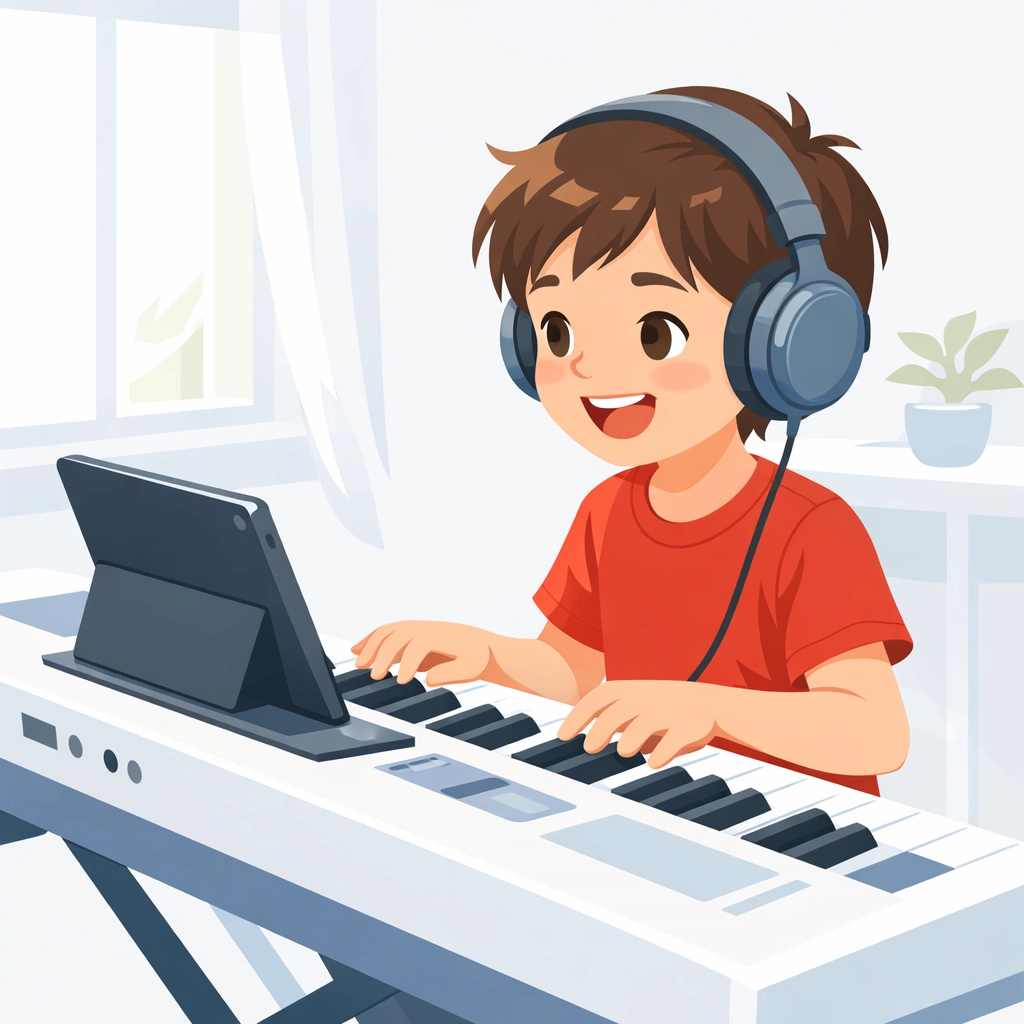
Set It and Forget It: The Power of Routine
The single most effective strategy? Make practice non-negotiable by embedding it in your child's daily routine. This isn't about being strict: it's about removing the daily negotiation.
Pick a specific time that works for your family:
- Right after breakfast before school
- Immediately after homework
- Before screen time kicks in
15-20 minutes is plenty for beginners. You're not training for Carnegie Hall; you're building a habit. Consistency beats marathon sessions every single time.
When practice happens at the same time every day, it becomes automatic: like brushing teeth. There's no "Do I feel like it today?" debate. It just happens.
Give Them Control (Within Boundaries)
Kids resist when they feel powerless. Give your child ownership over how they practice, and watch their investment skyrocket.
Let them choose:
- Which song to start with today
- The order they tackle their assignments
- Whether to practice in the morning or evening (within your set options)
- How to arrange their practice space
You're not giving up all control: you're still setting the expectation that practice happens. But when kids feel like they're steering the ship, they're way more likely to sail.
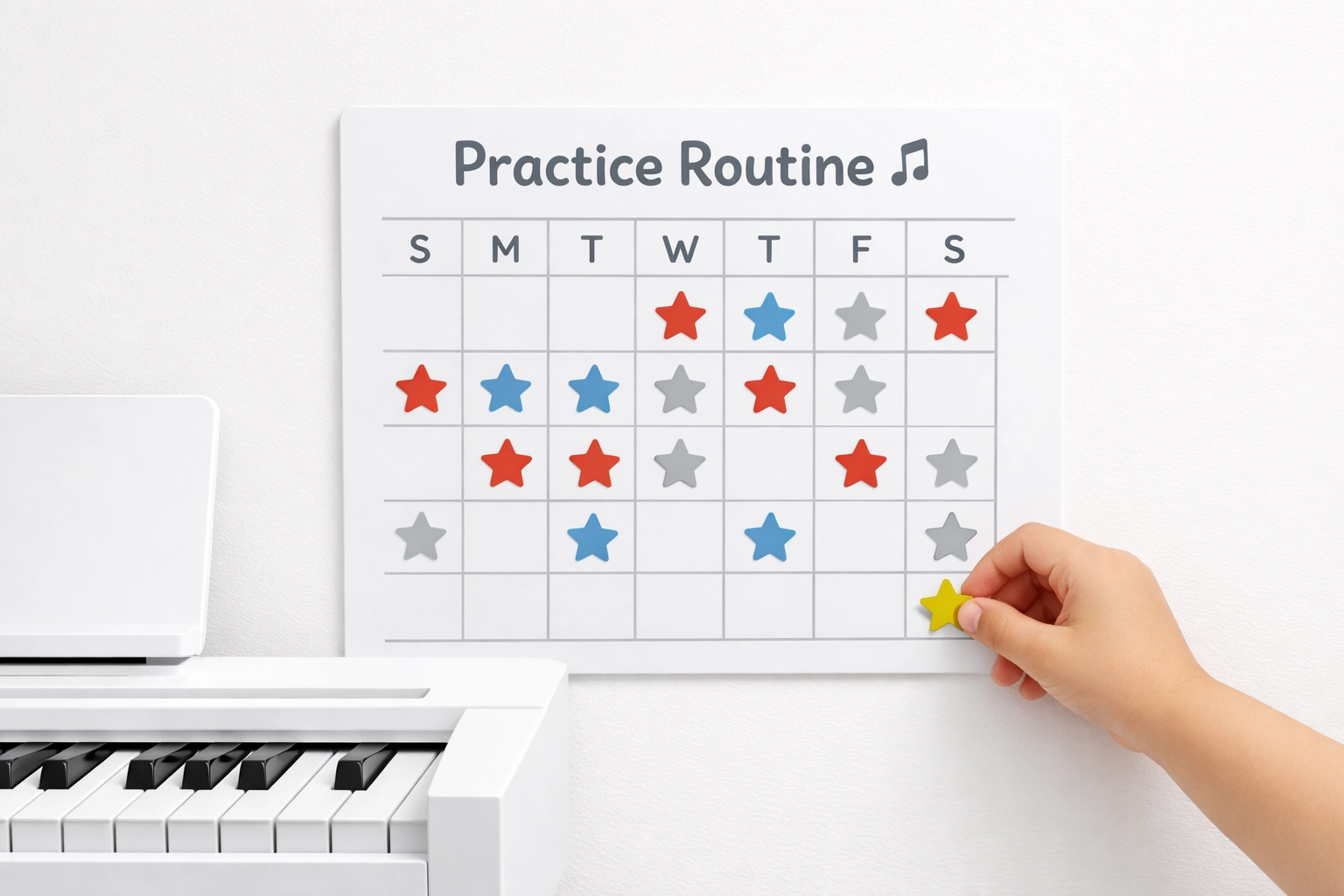
Make Practice Visually Rewarding
Visual progress is incredibly motivating. Create a practice chart or calendar posted right next to the piano where your child can add a sticker or checkmark every day they practice.
Some ideas:
- Star chart that leads to a small weekly reward
- Colored markers to track daily streaks
- Monthly calendar where 20+ days equals a celebration
- Progress thermometer showing advancement toward a goal
The reward doesn't have to be expensive: extra screen time, choosing dinner, a small toy, or even just bragging rights can work wonders. The key is making progress tangible and celebrated.
Turn Practice Into Play
Here's where you get sneaky: disguise practice as games. Kids will happily spend 30 minutes on something when it doesn't feel like "work."
Practice games that actually work:
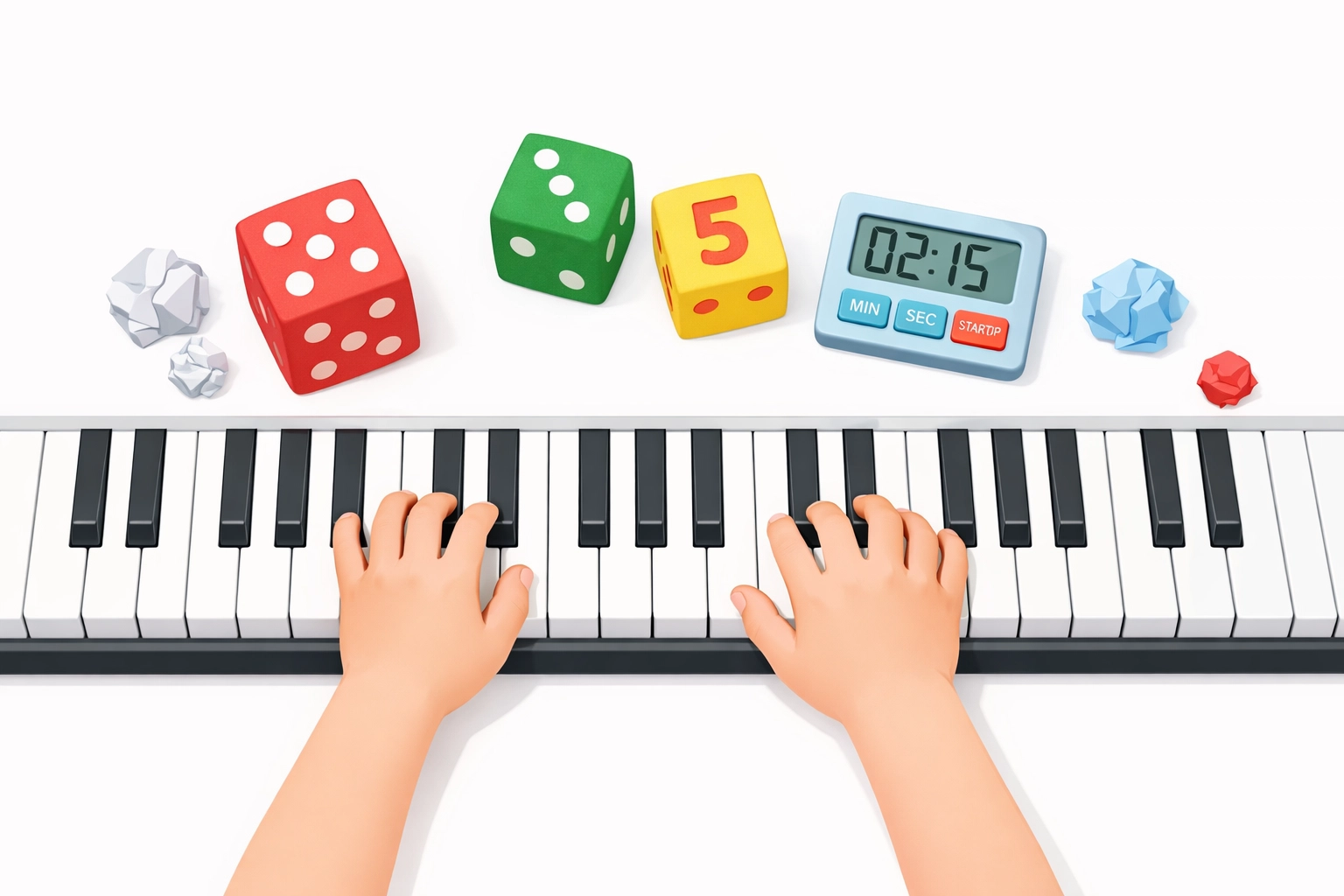
Dice Roll Practice: Roll a die to decide how many times to play a section. Kids love the randomness, and you get built-in repetition.
Beat the Clock: Set a timer for 2 minutes and see how many times they can play through a tricky measure. Turn it into a personal best challenge.
Listening Hide-and-Seek: Play their practice piece on your phone and have them "find" where they are in the sheet music.
Trash Can Piano: Identify a note correctly, play it, then shoot a paper ball into the trash. Combine learning with movement.
Emoji Emotion Playing: Have them play the same piece "happy," "sleepy," "excited," or "mysterious" to work on dynamics and expression without it feeling technical.
Praise Effort, Not Perfection
How you respond to practice matters more than the practice itself. If you only praise perfect playing, your child learns that mistakes are failures. That's a motivation killer.
Instead, try:
- "I love how you kept trying that tough part!"
- "You're getting faster every day: I can tell you've been working on it."
- "That sounded way smoother than yesterday!"
Celebrate the showing up, not just the outcome. When kids know their effort is valued regardless of how it sounds, they're more willing to keep trying.
The Modern Advantage: Online Piano Lessons
Here's something traditional piano teachers won't tell you: modern online piano lessons actually make practice easier because the lesson and practice blur together.
With platforms like iPianoLab's online lessons, kids can:
- Practice with the same interface they learned on
- Replay difficult sections without waiting for next week's lesson
- See visual feedback that shows exactly what they're doing right or wrong
- Learn at their own pace without pressure
The technology isn't a replacement for learning: it's what makes practice feel less isolating. Your child isn't alone with a dusty book of exercises; they're continuing an interactive experience.
Plus, when kids can pull up their practice on a tablet or computer, there's less friction. No hunting for the right page, no deciphering confusing notation alone. Just press play and follow along.
Secret Weapon: Passive Practice
Here's a hack most parents miss: have your child listen to the songs they're learning during other activities. Play their practice pieces:
- During breakfast
- In the car
- While they're playing with toys
- As they fall asleep
When kids are familiar with how a song sounds, learning to play it becomes way easier. Their brain is already processing the melody, rhythm, and structure. By the time they sit at the piano, it's less like reading a foreign language and more like singing along to something they know.
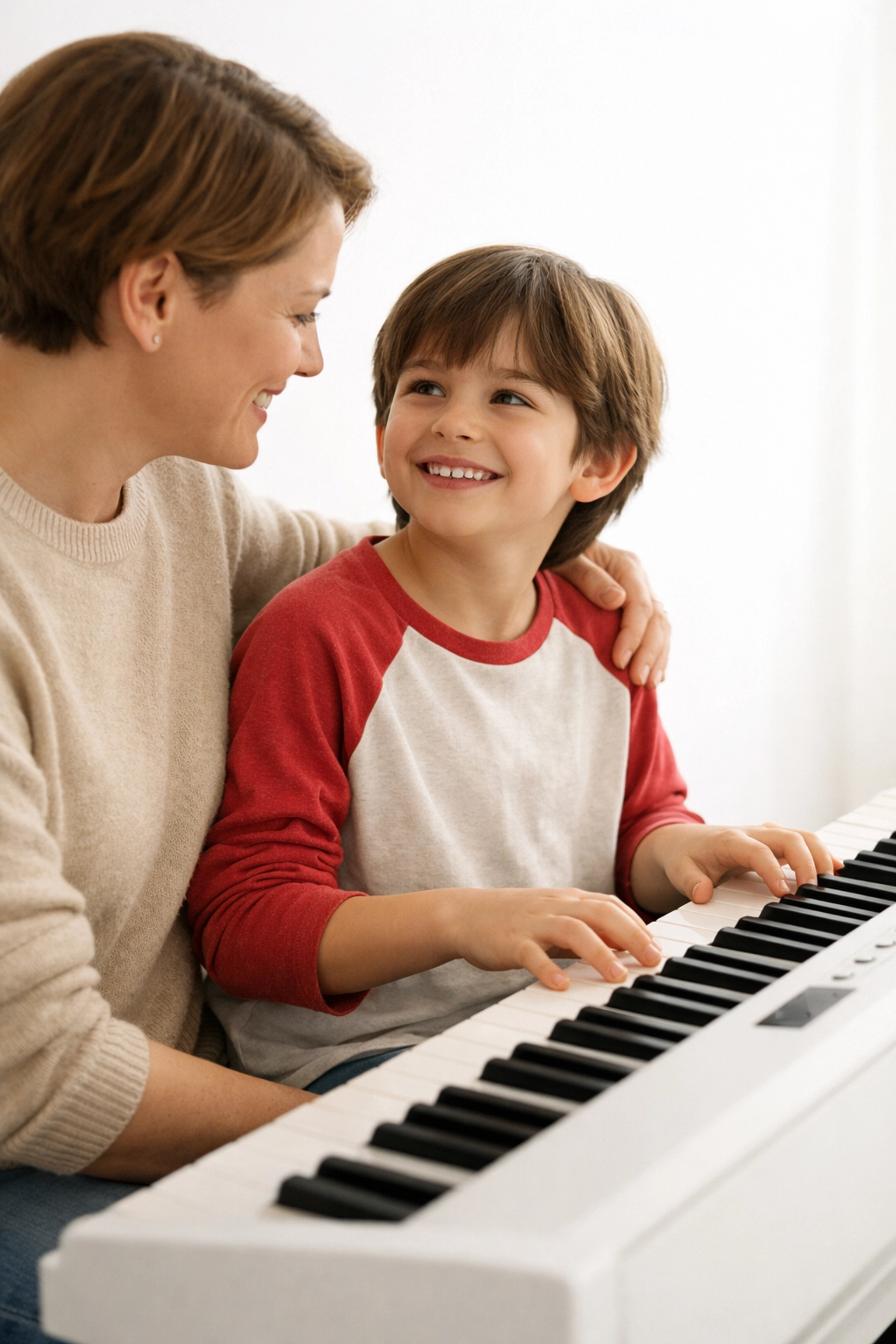
The Popular Song Secret
Let's circle back to the biggest motivation killer: boring repertoire. When kids are learning songs they've never heard and don't care about, practice feels pointless.
That's the core of what makes iPianoLab different. Instead of forcing kids through centuries-old exercises, students jump straight into popular music: from movie soundtracks to current hits to video game themes.
When your child can play something their friends recognize, practice becomes social currency. They're not just doing it because you said so; they're doing it because they want to show off, because it's actually cool, because the music matters to them.
And here's the thing: they're still learning proper technique, theory, and skills. They're just learning it through songs they're excited about. The fundamentals are baked into the fun.
When It's Still a Struggle
Some days will still be hard. That's normal. Your child isn't required to love piano every single day, just like you don't love your job every single day.
If resistance continues for weeks:
- Check if the songs are too hard or too easy (both kill motivation)
- Ask if they'd prefer a different practice time
- Consider whether online piano lessons might reduce the pressure
- Make sure they're getting enough variety in what they're learning
- Remember that breaks are okay: sometimes stepping away for a few days resets motivation
The goal isn't perfection. It's building a relationship with music that lasts. If practice is a constant battle that makes everyone miserable, it's time to adjust the approach, not double down on discipline.
Start Making Practice Easier Today
Getting kids to practice piano without nagging isn't about finding the magic words or being a tougher parent. It's about making practice feel less like obligation and more like opportunity.
Set a routine. Give them control. Make it visual. Turn it into games. Praise effort. Use modern tools. And most importantly, let them learn music they actually care about.
Ready to see what happens when piano lessons are actually fun? Check out iPianoLab: where kids learn the songs they love from day one, and practice becomes the part of the day they look forward to. Sign up for a trial and watch your child's attitude toward practice completely transform.
Because the best practice is the practice that actually happens( no nagging required.)