Kids Piano Lessons in NYC: What Parents Should Look For Before Choosing a Program
New York families have a lot of music options. That is a good thing, but it can make choosing kids piano lessons feel harder than it should. One program may look polished online. Another may be close to school. Another may promise fast results. The real question is simpler: will this help your child start piano with confidence and keep going?
A strong beginner program should be organized, age-appropriate, and practical for family life. Children need early musical wins. Parents need clear schedules, simple practice guidance, and a teacher who understands how young beginners actually learn.
iPianoLab, becoming PianoFlight in Summer 2026, is built around that kind of first success. Students play songs early, then build fundamentals such as rhythm, keyboard geography, counting, note reading, two-hand coordination, and music literacy.
Start with the learning environment
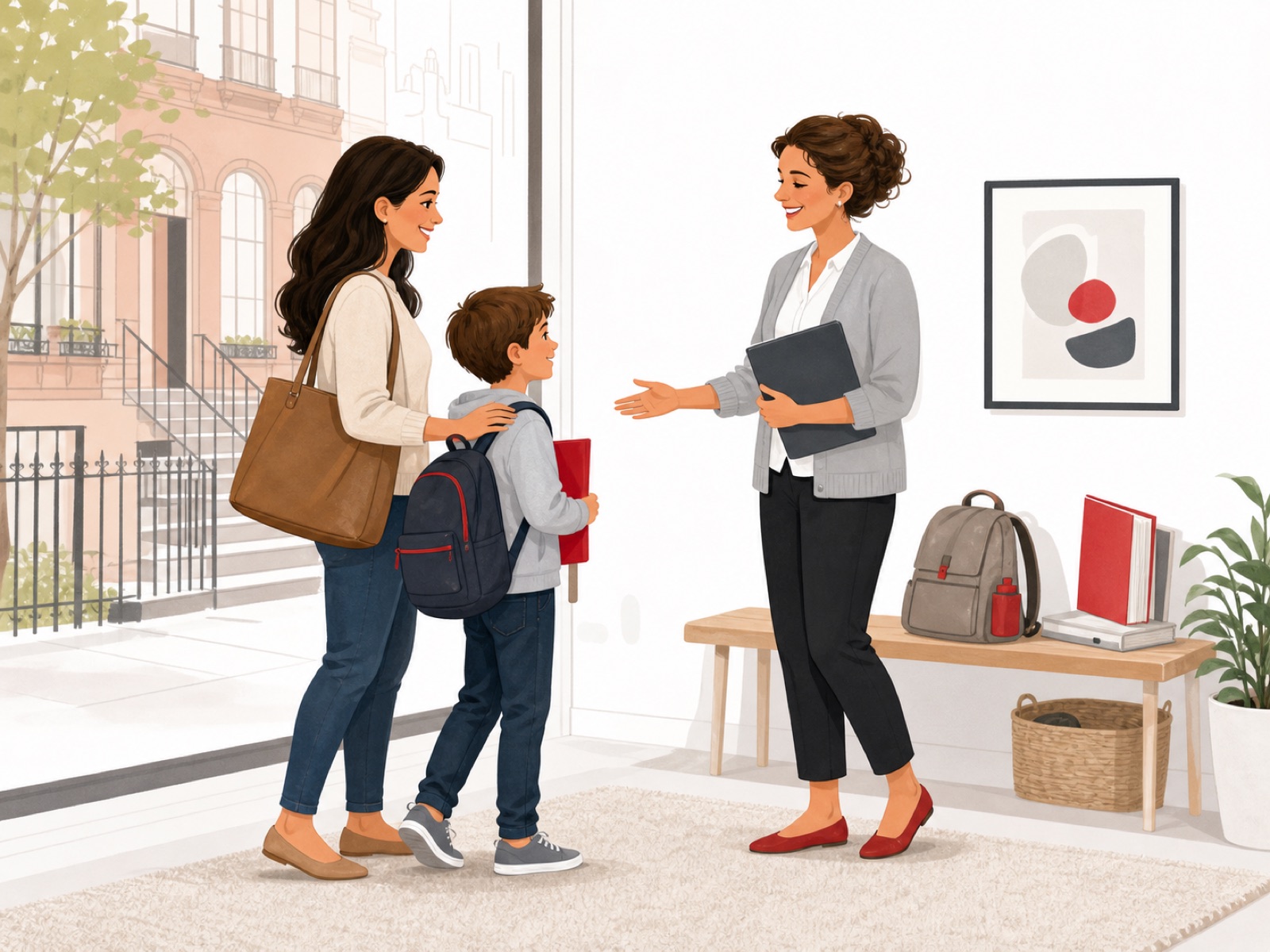
For young beginners, the room matters less than the routine. A good class should make it clear where students sit, how they listen, when they try, and how they ask for help. The teacher should not expect a child to already know notes, rhythms, or piano terminology.
Look for a program that has a beginner path, not just open-ended lessons. Children do better when the next step is visible. They should know what they are practicing this week and what success looks like before the next class.
Ask how the program handles the first month
The first month tells you a lot. Some children are excited immediately. Others need time to warm up. A beginner-friendly piano program should have a plan for both.
Ask these questions before enrolling:
- What does a brand-new student do in the first class?
- How are songs introduced before note reading gets difficult?
- How does the teacher keep a group class organized?
- How are parents told what to practice at home?
- What happens if a child feels shy, distracted, or behind?
You are not looking for a perfect script. You are looking for a teacher and program that can explain the process clearly.
Check the schedule against real NYC family life
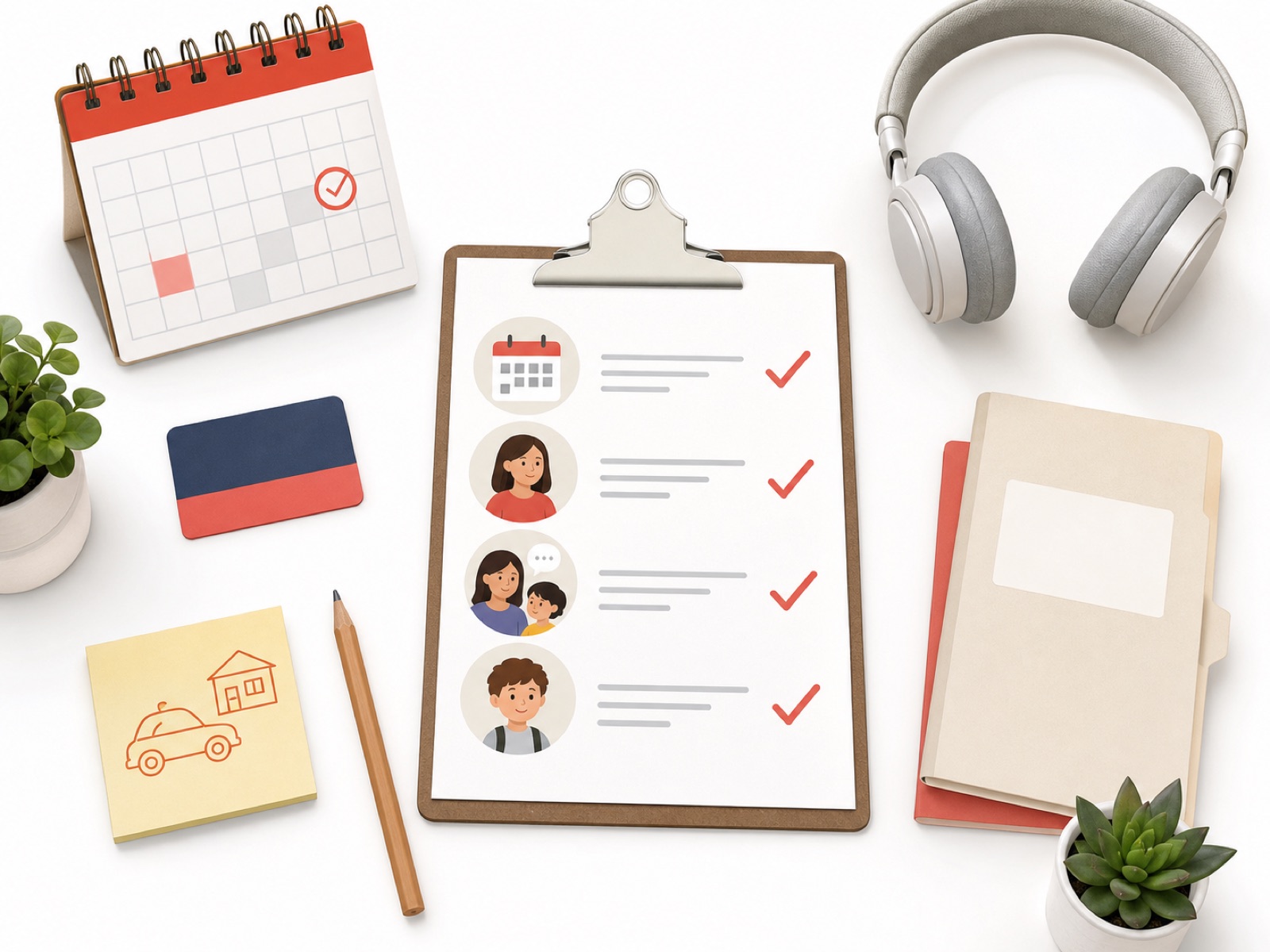
In New York, logistics can decide whether lessons last. A class that looks ideal but causes a weekly transportation scramble may not be sustainable. Before choosing a program, think through the actual routine: school pickup, commute time, homework, meals, sibling schedules, and practice space at home.
iPianoLab after-school classes commonly meet once weekly for one hour. That format works well for many families because it creates a predictable weekly rhythm without asking parents to manage a long private-lesson commute after school.
Look for early songs, not just drills
Fundamentals matter. Children need rhythm, note reading, finger control, listening skills, and two-hand coordination. But beginners are more motivated when those skills connect to music quickly.
A song-first approach can help because children hear progress early. The song does not need to be difficult. It needs to feel like music. Once a child experiences that first win, the teacher can connect it to the building blocks behind it: steady beat, patterns, notes, and careful listening.
Know what materials are provided
Parents should not have to guess what to bring. iPianoLab school and class programs commonly provide keyboards, headphones, books, music, and learning materials during class. For home practice, families are encouraged to have a keyboard available. A full acoustic piano is not required for most beginners.
If you are buying a starter instrument, keep the decision practical. The iPianoLab keyboard buyer's guide is a good place to start before spending more than you need.
Compare group lessons and private lessons honestly
Private lessons can be useful, especially for older or more advanced students. But group piano can be powerful for beginners when it is structured well. Children see classmates trying, repeating, and improving. That shared energy can make piano feel less intimidating.
The key is organization. A good group class should still have clear teacher attention, level-appropriate materials, and a way for each child to move forward. If the room feels lively but unfocused, that is different from a well-run beginner class.
Plan home practice before lessons begin
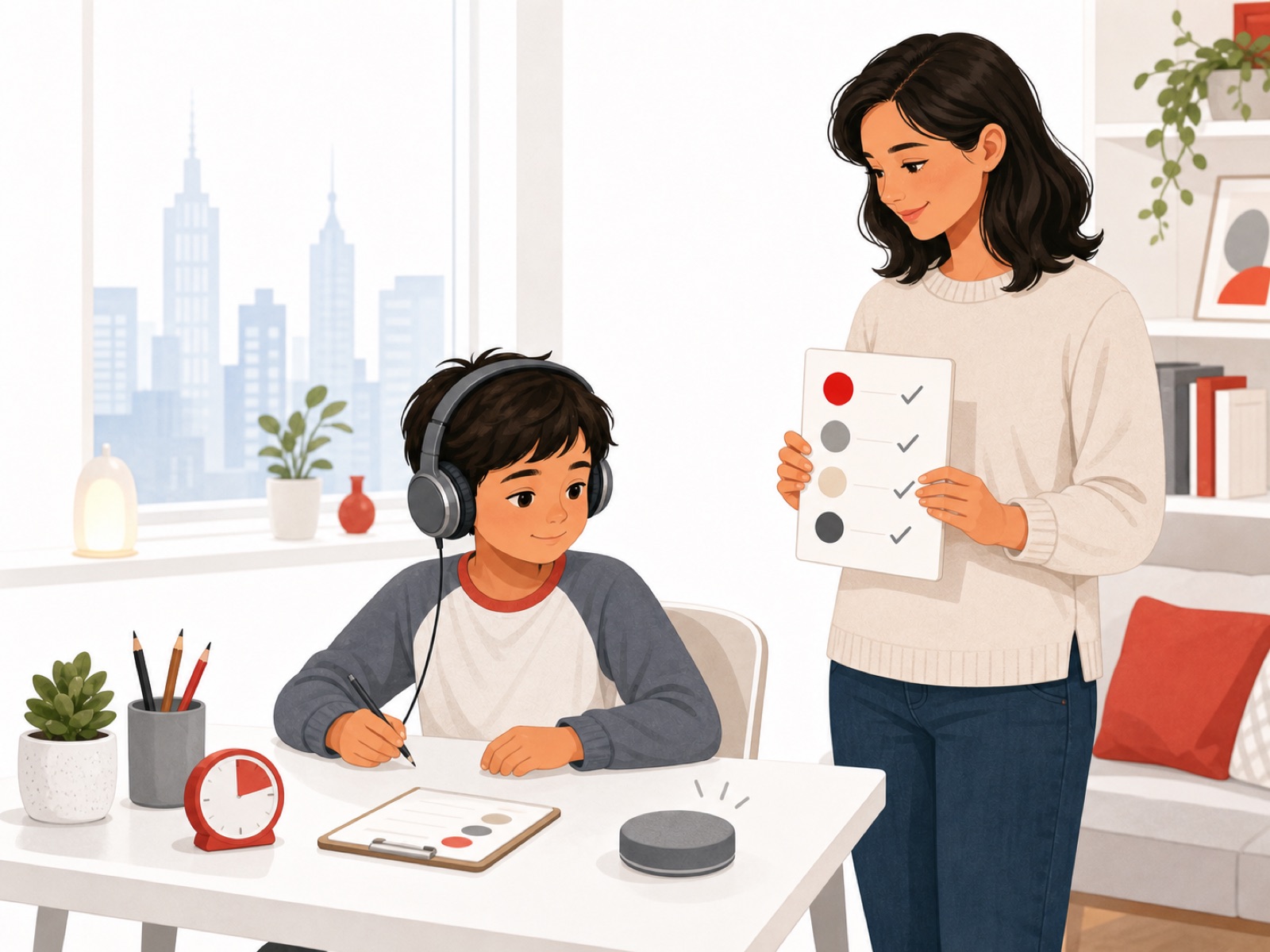
Home practice should be short, specific, and repeatable. Five to ten focused minutes can do more for a beginner than one long, stressful session. Parents do not need to become music teachers. They need to help create the habit.
Ask the program how assignments are shared and what support exists outside class. Video tutorials, clear song goals, and simple practice notes can make a big difference.
Use local spaces only when they solve a real problem
Most young beginners can practice at home with a suitable keyboard. Some NYC families, teachers, or older students may occasionally need a quiet room for coaching, auditions, recording, or focused rehearsal. When that is the case, a local hourly room can help.
For Upper East Side families and teachers, Lenox Hill Music Studios lists hourly studio rentals at 353 E 77th Street, Lower Level, with rooms for rehearsals, lessons, practice, workshops, and creative sessions. Use that kind of space when it supports the goal; do not let room rental become another weekly obstacle if home practice is working.
Quick answers for NYC parents
What age should kids start piano lessons?
The right age depends on attention span, interest, and readiness to follow simple directions. Many elementary-age children do well when the program is designed for beginners.
Are group piano lessons good for beginners?
Yes, when the class is structured. Group lessons can help children build confidence with peers while still learning real musical skills.
Do we need a keyboard at home?
It is strongly helpful to have a home keyboard for practice. iPianoLab's FAQ notes that school classes provide keyboards and headphones for class, while home practice is easier when families have an instrument available.
What should parents look for first?
Look for a clear beginner path, friendly teacher support, practical scheduling, and simple practice instructions. Those details matter more than fancy promises.
Ready to start?
The right kids piano program should make music feel possible from the beginning. If your child is curious, shy, energetic, brand-new, or already humming songs around the house, iPianoLab can help turn that interest into steady musical growth.
Explore school-based programs, online piano learning, or begin here: