Can Kids Do Piano and Sports? A Busy Family Guide
Many families do not choose between piano and an empty calendar. They choose between piano, sports, homework, siblings, school events, and a child who is tired by dinner. If your child likes music but already has a full week, the real question is not whether piano is valuable. It is whether the routine can stay light enough to work.
The short answer: kids can do piano and sports when the piano plan is specific, short, and realistic. A weekly class or lesson plus a few small practice moments can build music confidence without turning the whole family schedule into a second job.
Start a beginner-friendly piano path
Why busy kids can still learn piano
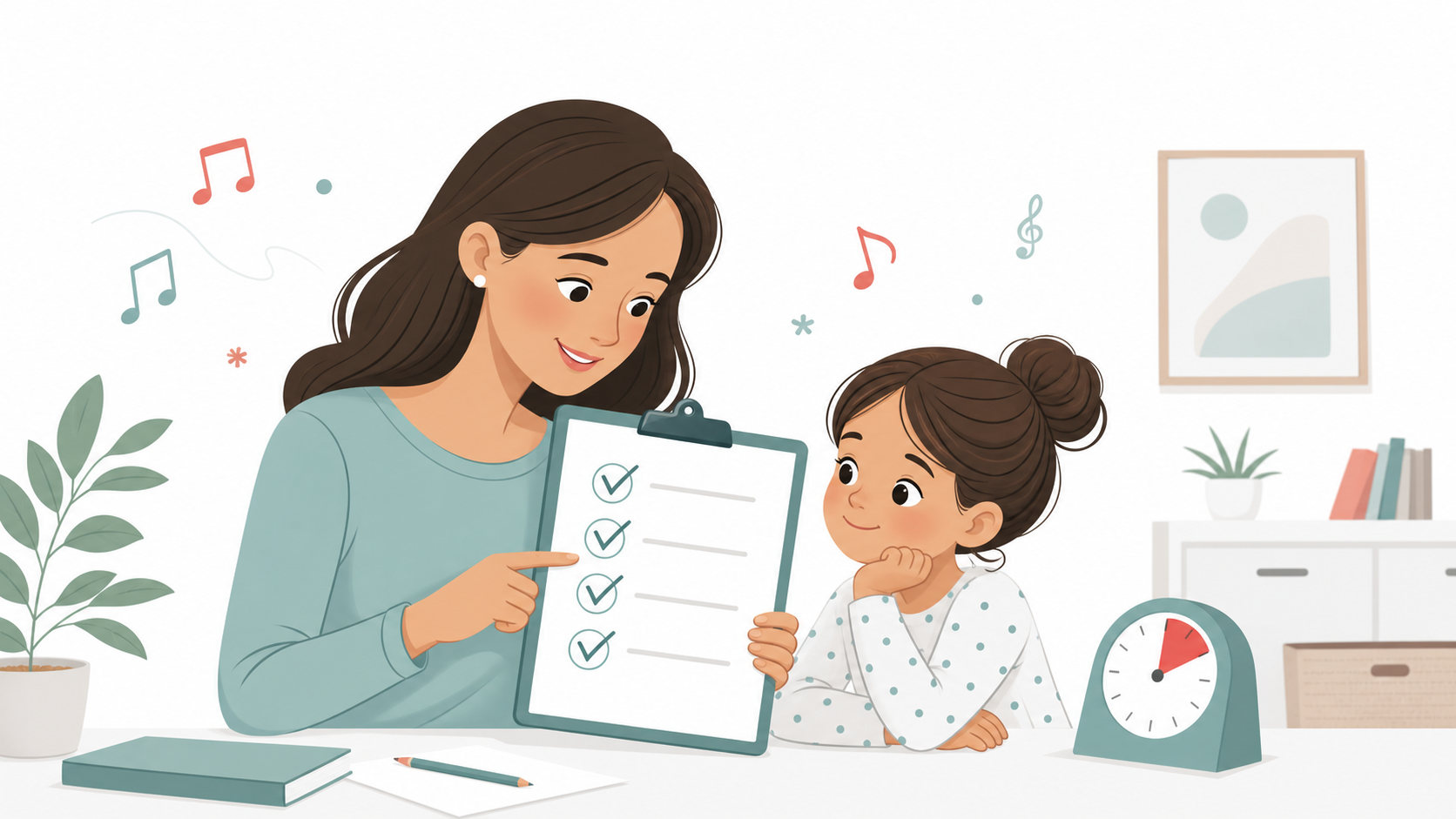
Beginner piano does not have to mean long daily practice blocks. Children often make better progress when the next step is clear and repeatable. A short rhythm, a small pattern, or one song section practiced several times during the week can do more than one stressful marathon session.
This matters for sports families because game days, practices, and travel can change from week to week. A piano routine has to bend without disappearing.
A practical beginner plan usually has three parts:
- One protected learning time. This may be a school-based class, online lesson, or teacher-guided session.
- A tiny home goal. Instead of "practice piano," choose one rhythm, one hand pattern, or one small song section.
- A reset option. On sports-heavy weeks, keep piano familiar with a shorter review instead of skipping it completely.
Signs the schedule can handle piano
Before adding anything new, look at the child and the week. The best plan is not the most ambitious one. It is the one your family can repeat without constant conflict.
- Your child still has one reliable learning window. It may be after school, on a lighter weekday, or at home through an online option.
- Your child can handle short instructions. Busy students need clear assignments, not vague pressure.
- You can keep practice short. Five to ten focused minutes can be enough for many beginners.
- The activity does not compete with sleep. If piano only fits by cutting rest, the plan needs to change.
- The program understands beginners. A child with a packed schedule needs a teacher or class that gives realistic next steps.
How to fit piano around sports
The mistake many families make is trying to treat every week the same. Sports seasons are rarely that neat. Instead, use a flexible rhythm.
On regular weeks
Choose two or three short practice moments. Put them near an existing habit: after snack, before homework, before dinner, or after a shower. Keep the goal specific enough that the child can finish.
On game or tournament weeks
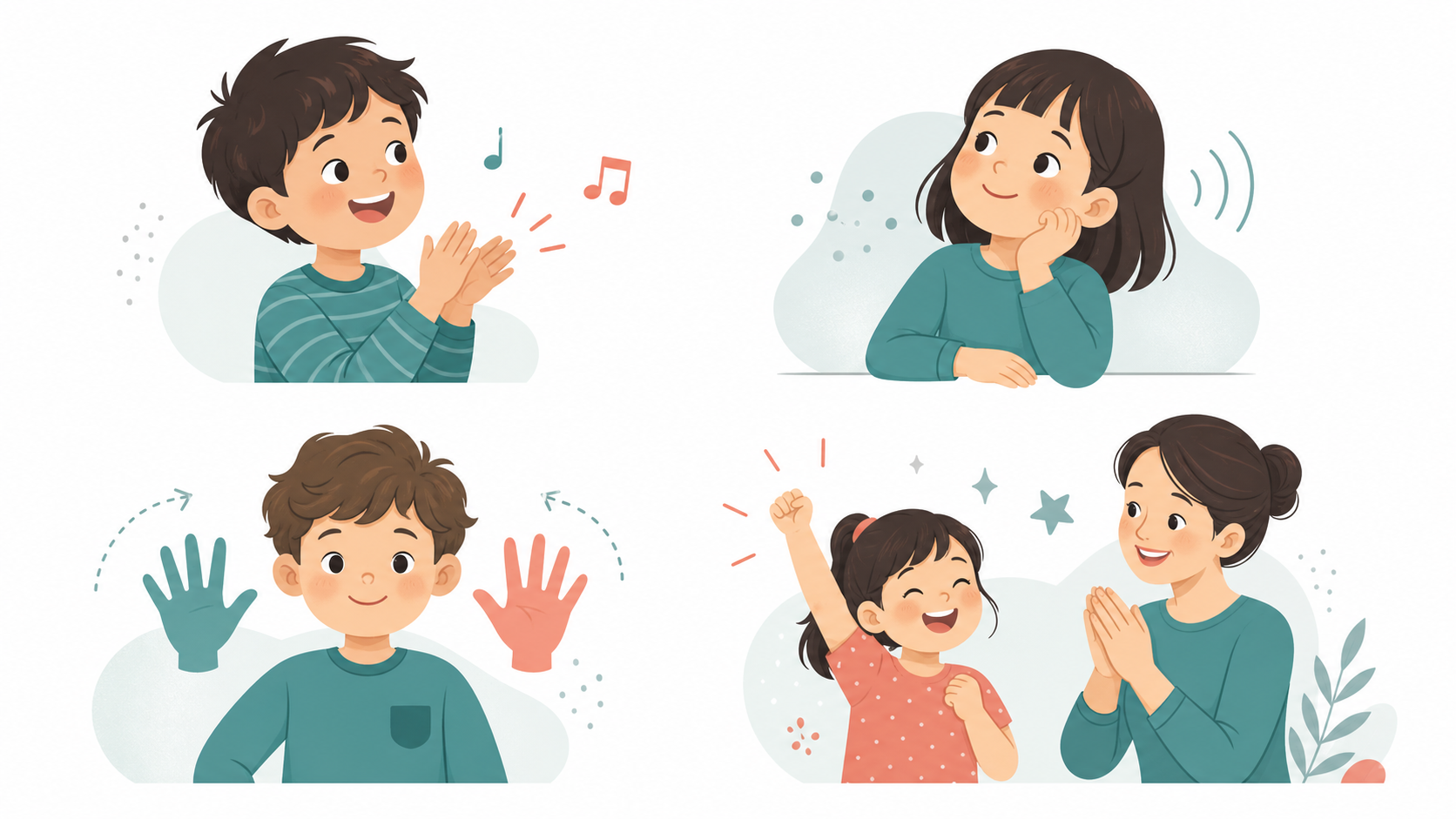
Do not try to force a full practice plan. Keep piano alive with a review: clap the rhythm, play one favorite pattern, or listen to the assigned song. The goal is continuity.
On tired weeks
Make the assignment smaller. If your child is exhausted, a short successful repetition is better than a long argument. You can always rebuild the routine when the week opens up.
Which piano format fits a busy family?
The right format depends on where the schedule pressure is coming from.
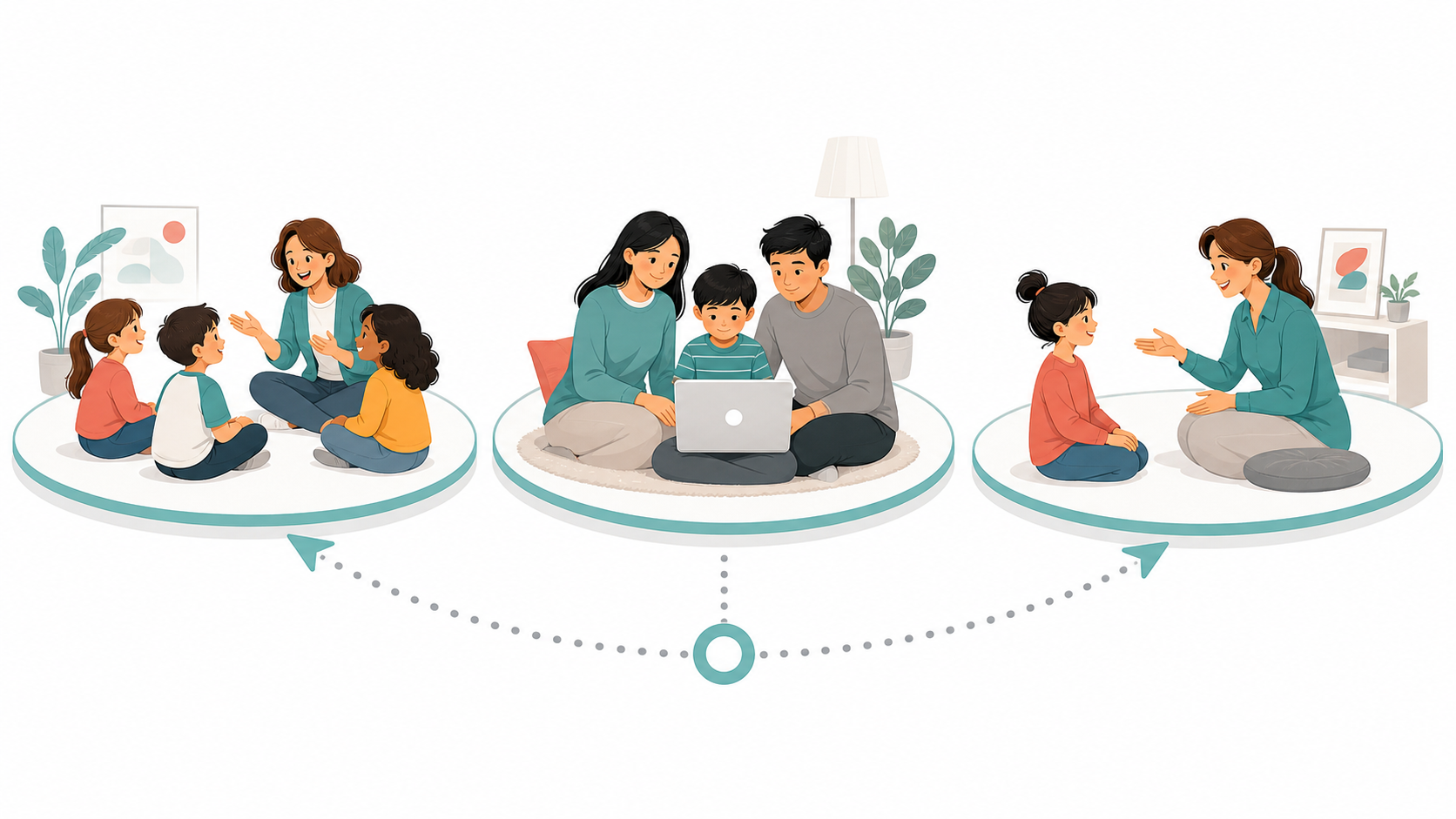
- School-based classes can reduce travel friction because the child is already in a school routine.
- Online learning can help families with uneven sports schedules, traffic, or sibling logistics.
- Teacher-guided support can help when a child needs more individual feedback or a clearer reset plan.
iPianoLab is designed for children and beginning students. Students play songs they enjoy early, then build fundamentals such as keyboard geography, rhythm, counting, note reading, two-hand coordination, melody, chords, and music literacy. For busy families, the important part is that the path stays concrete and manageable.
Explore school-based piano classes Compare online piano learning
What not to do
Busy families do not need guilt. They need a plan that protects music without turning it into one more fight.
- Do not add piano as punishment. If piano becomes the thing a child has to do after losing free time, motivation drops.
- Do not demand long practice after hard sports days. Use shorter review goals instead.
- Do not compare your child to a less busy student. The goal is steady personal progress.
- Do not let weeks disappear completely. Even a tiny review keeps piano familiar.
- Do not choose a format that creates the main problem. If travel is the blocker, consider school-based or online options.
A sample busy-week piano plan
Here is a simple structure for a beginner during sports season:
- Class or lesson day: Ask the teacher what one small goal matters most this week.
- Day 2: Clap or count the rhythm for two minutes, then play one short pattern.
- Day 4: Repeat the same small goal and stop after one better try.
- Weekend: Let your child show you one thing from class, even if it is not perfect.
This kind of plan is intentionally modest. It helps the child stay connected to music without pretending the family has unlimited time.
How to know if the plan is working
The first sign is not always a polished song. Look for smaller signs of progress:
- Your child starts faster because the goal is familiar.
- They can count or clap a rhythm with less help.
- They recover from a mistake without quitting immediately.
- They can show you one thing from class.
- The routine creates less argument than it did before.
If those signs are present, piano is probably fitting the schedule. If every week feels like a fight, reduce the assignment or switch formats before dropping music completely.
Choose your child's piano path
FAQ
Can my child take piano lessons during sports season?
Yes, if the piano plan is realistic. Use one protected learning time and short practice goals. On heavy game weeks, review one small skill instead of forcing a full practice session.
How often should a busy child practice piano?
Many beginners do well with a few short practice moments each week. Five to ten focused minutes can be useful when the goal is clear and the child can end successfully.
Should we pause piano during a busy sports season?
Pause only if the schedule is truly unsustainable or the child is losing sleep and confidence. If possible, switch to a lighter review routine or a more flexible lesson format first.
Are online piano lessons better for busy families?
Online learning can help when travel, traffic, or uneven sports schedules are the main obstacle. School-based classes may work better when the child benefits from an existing school-day routine.
What if my child likes piano but never has time?
Choose the smallest repeatable plan. Ask the teacher for one weekly goal, protect two short practice moments, and keep piano connected to progress rather than pressure.