Why Learning "Radio Hits" Will Change the Way Your Child Views Beginner Piano Lessons
![[HERO] Why Learning](https://ipianolab.s3.us-west-2.amazonaws.com/blog/posts/15/assets/marblism/cdn.marblism.com/JjECzQv9k3i.webp)
Let’s be honest for a second. We’ve all seen the movie scene: a child sitting stiffly at a massive wooden piano, a metronome ticking like a time bomb, and a stern teacher tapping a ruler while the kid struggles through a song written three hundred years ago.
It’s a classic image, but for a lot of kids today, it’s also a total vibe-killer.
When parents think about beginner piano lessons, they often think they have to start with the "classics." They think "Mary Had a Little Lamb" or "Minuet in G" are the mandatory entry points. But here’s the thing: if your child is obsessed with what’s trending on TikTok or what’s playing on the radio during the school run, forcing them to play nursery rhymes can feel like a chore.
The good news is that there’s a better way. At iPianoLab: which is officially transitioning to our new name, PianoFlight, this summer: we believe the fastest way to a child’s heart (and their musical success) is through the songs they actually like.
Here is why learning "Radio Hits" will completely change the way your child views the piano.
1. Motivation is the Secret Sauce
The biggest hurdle in piano lessons for kids isn't hand-eye coordination or reading music: it’s motivation. Most kids quit piano because they’re bored. It’s that simple.
When a child recognizes a melody, something magical happens. Their eyes light up. They aren't just hitting keys; they’re recreating a piece of their world. Whether it’s a catchy Taylor Swift chorus or a viral hit they’ve heard a hundred times, the desire to "get it right" comes from within.
Instead of you having to nag them to practice, they find themselves drawn to the keyboard because they want to hear that familiar hook. When kids love the song, the practice happens naturally.
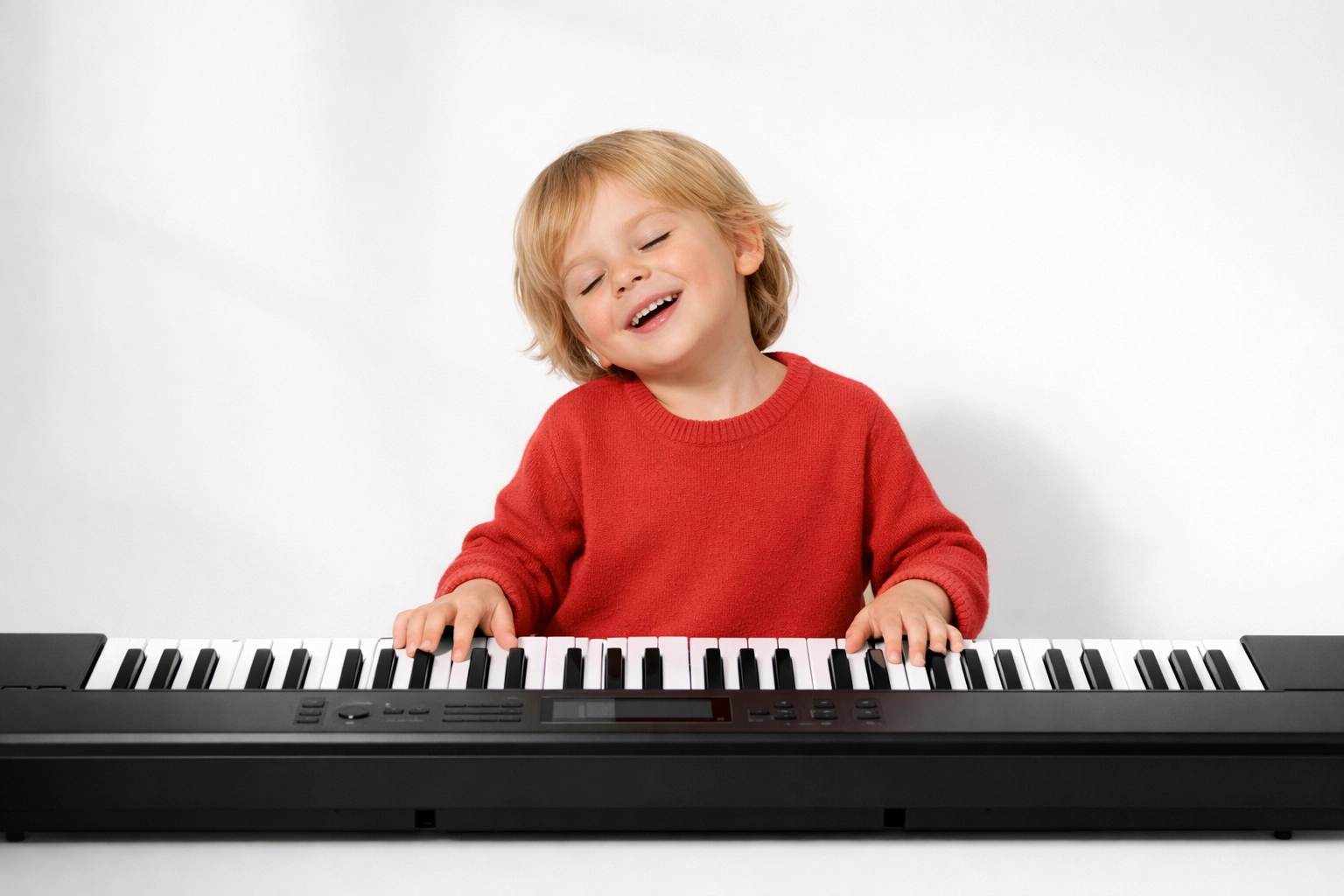
A young student feeling the rhythm while playing a familiar pop song on a digital keyboard.
2. Success from Day One
Traditional methods can sometimes feel like you’re building a house but aren't allowed to see the finished roof for three years. You spend months on scales and "hot cross buns" before you ever get to play something "cool."
By focusing on popular songs for piano beginners, we flip the script. Most pop hits are built on simple, repetitive chord structures. This means a beginner can actually sound "good" very quickly.
At iPianoLab (soon to be PianoFlight, the future of music education!), we use a proprietary method that breaks these hits down into digestible pieces. When a child realizes they can play the main hook of a song their friends know, their confidence sky-rockets. That early win is what keeps them coming back for more.
3. It Reduces "Lesson Anxiety"
Let’s face it: piano can be intimidating. The idea of "art" can sometimes feel robotic or strictly academic. But when you introduce radio hits, the piano starts to feel like a toy: in the best way possible. It becomes a tool for expression and fun.
If your child views their fun piano lessons as a break from schoolwork rather than an extension of it, they’re much more likely to stick with it long-term. We want them to see the keyboard as a place where they can relax and be creative.
For families in New York looking for that perfect balance of fun and structure, we often recommend checking out local rehearsal spaces or in-person keyboard clubs. If you're looking for a great community vibe, Lenox Hill Music Studios is a fantastic spot for NYC-based students to find their groove in a professional yet welcoming environment.
4. Stealth Learning: The Technical Benefits
Some parents worry that if their child isn't playing Bach, they aren't "really" learning. But here’s a little secret: Pop music is a fantastic teacher.
When a child learns a radio hit, they are learning:
- Chords and Harmony: Most pop songs use the same 4 or 5 chords. Understanding these patterns is the "skeleton key" to all music.
- Rhythm: Radio hits often have syncopated or interesting rhythms that challenge a child’s timing more than a simple folk song would.
- Ear Training: Because they know how the song is supposed to sound, they naturally start using their ears to correct mistakes.
It’s "stealth learning." They think they’re just playing a hit song, but they’re actually building a rock-solid musical foundation.
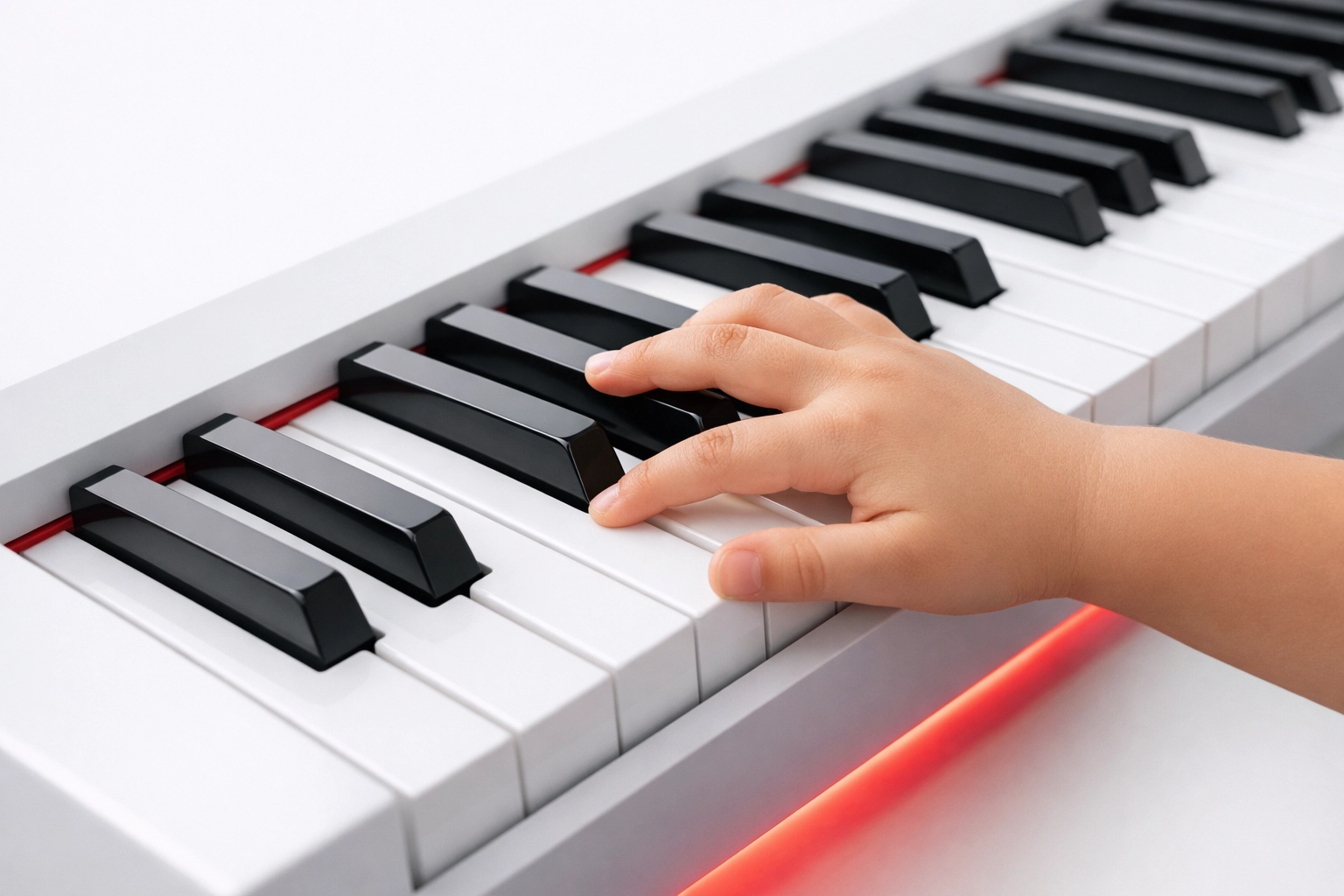
Close-up of hands on a keyboard's keys while playing a simple chord.
5. It Makes "Learning Piano at Home" Easier
If you’ve decided to learn piano at home, the environment is everything. Without a teacher physically in the room every second, the "fun factor" has to be higher to keep the momentum going.
At iPianoLab, we provide online lesson videos, tutorials, and games that complement our real-teacher-led sessions. This hybrid approach ensures that even when they are practicing at home, they have the support they need to master the latest radio hits.
By the time we fully transition to PianoFlight this summer, we’ll be offering even more ways to make home practice feel like a game rather than a task. Our goal is to be the most modern, accessible way for kids to fall in love with music.
6. How to Get Started (Without the Pressure)
If you’re worried about the cost or the commitment, take a deep breath. You don't need a $5,000 grand piano in your living room to start. In fact, we usually recommend starting with a simple, affordable digital keyboard.
The most important thing is just to get them started. Here’s a quick checklist for a low-stress entry into piano:
- Pick a Keyboard: Look for something with at least 61 keys (though 88 is great if you have the space). Check out our keyboard buyers guide for budget-friendly recommendations.
- Ask Them What They Like: Sit down with your child and ask, "What song do you want to play?" Even if it’s a video game theme song or a 15-second TikTok clip, that’s your starting point.
- Find a "Fun-First" Program: Look for lessons that prioritize engagement. Whether it's our after-school programs or online classes, the focus should always be on keeping the child excited.
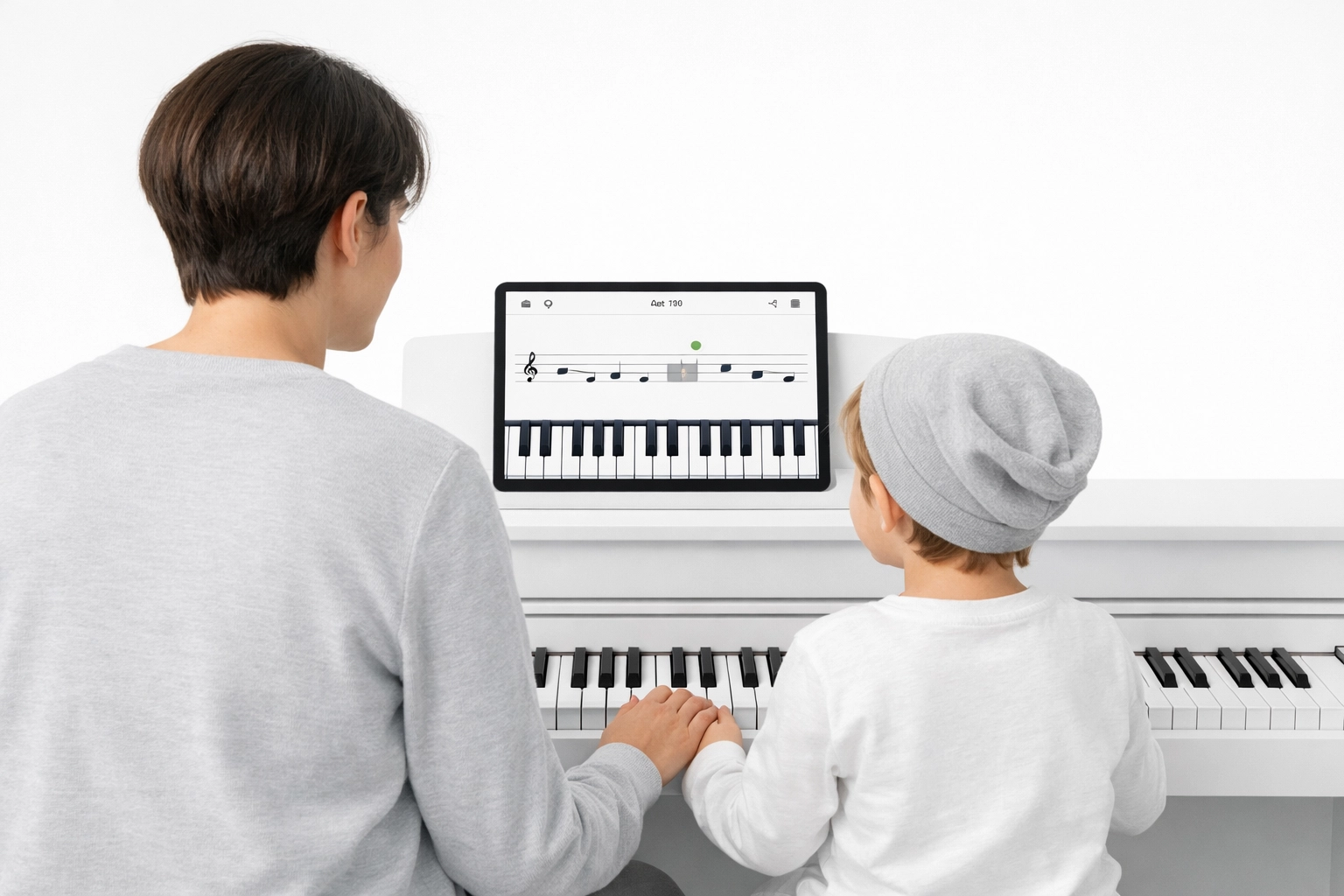
A parent and child looking at a digital tablet together while sitting at a keyboard, choosing a song to learn.
Why We Are Changing to PianoFlight
You might notice us mentioning PianoFlight more often lately. Why the change? Because we believe music education should feel like it’s taking off. It should be light, fast-paced, and modern.
iPianoLab has spent years perfecting a method that works for the modern kid. As we move toward becoming PianoFlight, we are doubling down on our mission to make piano the coolest part of a child's day. We’re moving away from the "robotic" style of the past and toward a future where every child feels like a rockstar from their very first lesson.
The Bottom Line
Traditional lessons have their place, but for a beginner, the most important goal is simply not quitting.
By letting your child learn the "Radio Hits," you aren't just teaching them how to play an instrument; you’re giving them a language they can use to connect with their friends, their culture, and their own creativity.
If they can play "Flowers" or "Blinding Lights," they’ll feel like they have a superpower. And once they have that confidence? Then they’ll be much more open to trying a little Beethoven down the road.
The good news is that starting is easy. Whether you want to join us for NYC camps, local classes, or learn from the comfort of your living room, we’re here to help your child find their wings.
Ready to see the difference a "radio hit" can make? Check out our free stuff to get a taste of how we teach, or sign up today to join the iPianoLab family as we transition into the exciting world of PianoFlight.
Let’s get those fingers moving!