After Buying a Keyboard: Which Piano Lesson Path Fits Your Child?
A first keyboard is a real milestone. It means your child has a way to try songs, build rhythm, and start making music at home. But the keyboard itself does not answer the next question most parents ask: should we choose online learning, a school-based class, private lessons, or a simple starter routine first?
The best answer depends less on the keyboard model and more on your child's age, confidence, attention span, schedule, and need for feedback. iPianoLab, becoming PianoFlight in Summer 2026 with the same programs and team, is built around that early-stage decision: help children play something they enjoy, then build fundamentals step by step.
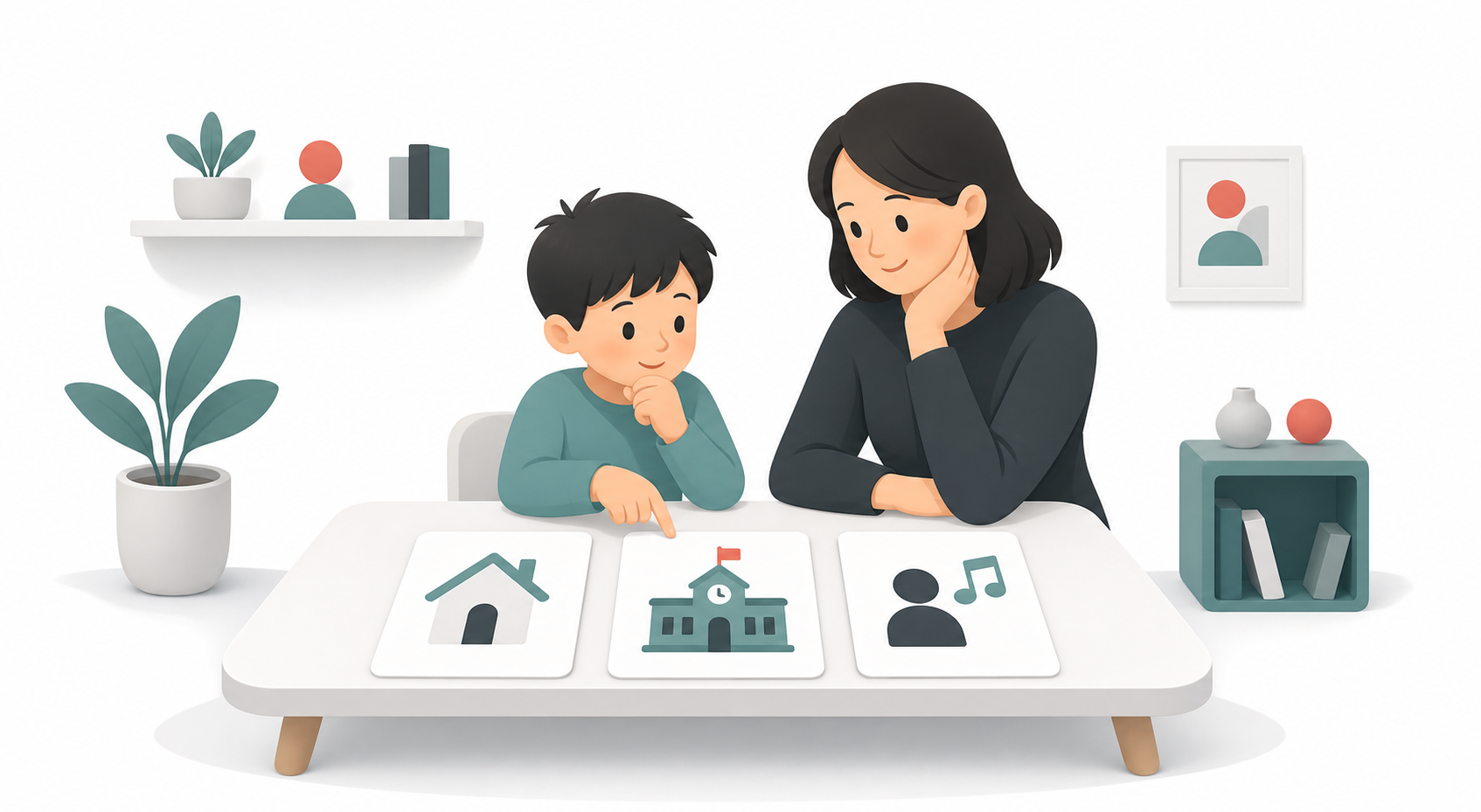
What should happen after buying a beginner keyboard?
After the keyboard arrives, the goal is not to rush into a difficult song or a rigid practice schedule. The goal is to create a path your child can actually start. A good first path gives them a quick musical win, a clear routine, and enough support to avoid getting stuck.
If your child is already trying sounds, tapping rhythms, or asking for songs, they may be ready for a structured lesson option. If they are curious but hesitant, a short routine plus a beginner-friendly class can make the transition feel safe instead of overwhelming.
Three lesson paths parents usually compare
Most families are really choosing among three practical options:
- School-based group classes: useful when your child likes learning with peers and your family needs a convenient after-school routine.
- Online learning: useful when your child needs a flexible home option, wants to repeat videos, or is building confidence before an in-person class.
- Teacher-guided lessons: useful when your child needs live feedback, help with posture and rhythm, or a clearer weekly assignment.
Many children benefit from a blend over time. The right first choice is the one that makes practice easier to begin and gives parents a clear next step.
When online learning is a good first step
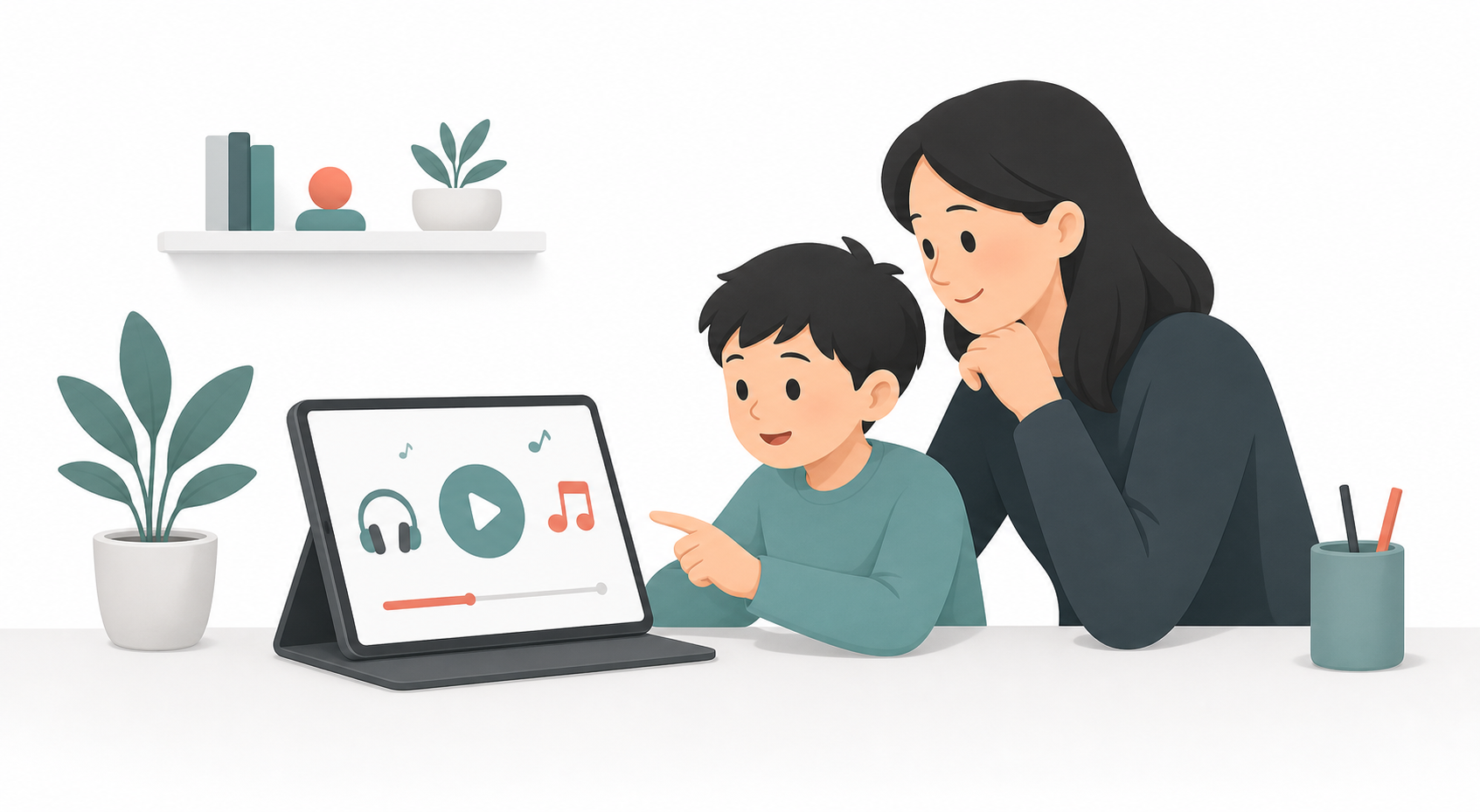
Online learning can work well when the keyboard is at home, the schedule is tight, or your child likes learning at their own pace. It gives beginners a way to pause, repeat, and revisit short skills without the pressure of keeping up with a room.
For online learning to help, the assignment still needs to be small. Parents should know which song, rhythm, or skill to try this week. A library of videos is most useful when it is tied to a structured beginner path.
When a school-based class is the better fit
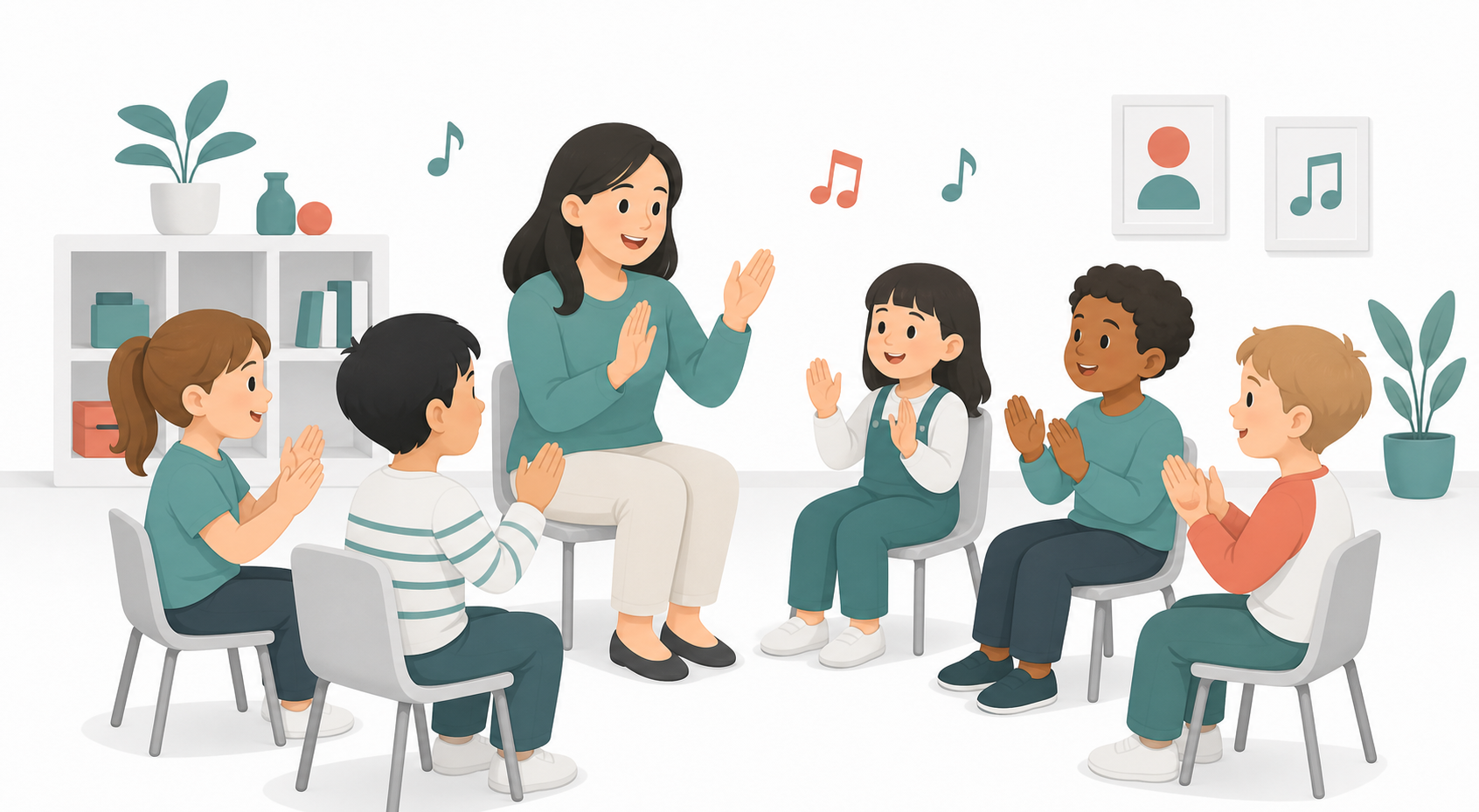
A school-based group class can be a strong fit when your child learns well around other children, enjoys rhythm games, or needs a regular routine outside the home. iPianoLab school-based classes commonly meet once weekly for one hour, with levels organized into six lessons. That structure helps families see progress without turning every day into a long practice requirement.
Group classes are especially useful for beginners who need confidence. Children hear other students try, recover, and improve. That peer energy can make piano feel approachable instead of solitary.
Find school-based class options
When live teacher support matters most
Some children need a teacher's eyes and ears early. That may be true if your child gets frustrated quickly, avoids trying alone, has trouble keeping a steady beat, or keeps practicing the same mistake. Live feedback can turn confusion into one small correction at a time.
Teacher support does not have to mean a high-pressure program. For beginners, the most valuable teacher is often the person who can make the next step feel clear: where to put hands, what rhythm to count, which tiny section to repeat, and when to stop before practice becomes a fight.
How to choose without overthinking it
Use these parent signals to choose the first path:
- If your child asks for songs but needs flexibility, start with online learning.
- If your child enjoys peers and your school offers a convenient option, check school-based class registration.
- If your child needs live correction or encouragement, use a teacher-guided signup path.
- If your child is in New York City and the real blocker is a quiet practice or coaching space, Lenox Hill Music Studios may be useful for Upper East Side practice, lessons, or coaching sessions.
The point is not to pick the most advanced option. The point is to choose the path your child will actually use.
A simple first-week plan before lessons begin
While you choose the lesson path, keep the home routine simple:
- Let your child explore the keyboard sounds for a few minutes.
- Choose one short song, rhythm, or pattern to repeat.
- Stop while the experience still feels positive.
- Write down one question for the first teacher, class, or online lesson.
If you want a deeper first-week routine, read Your Child Has a Keyboard. Now What?. If you are still choosing the instrument itself, the keyboard buyers guide can help.
FAQ: choosing a lesson path after buying a keyboard
Is online piano learning enough for a beginner?
It can be a good starting point when the material is structured and the child has a clear weekly goal. Many beginners still benefit from teacher feedback as they build rhythm, hand position, and confidence.
Should my child start with private lessons or a group class?
If your child needs individual correction or has a very specific goal, private lessons may help. If your child likes peer energy and benefits from routine, a group class can be a strong first step.
How soon should we start after buying a keyboard?
Start with a low-pressure routine right away, then choose a lesson path when your child shows curiosity or when home practice starts to feel unclear. The first step should make music feel easier, not heavier.