Can a Child Learn Piano Before They Can Read? A Parent Guide
Yes. A child can begin learning piano before they read words fluently. Early piano learning can start through listening, copying short patterns, clapping rhythms, noticing high and low sounds, taking turns, and following simple visual or spoken directions. Reading words can make some lesson materials easier to use independently, but it is not an entrance requirement for making music.
The more useful question is whether the lesson fits a pre-reader. A young beginner needs short activities, clear demonstrations, familiar routines, and an adult who can help remember the next step. The goal is not to rush the child into reading either words or music. It is to build musical understanding in a form the child can use now.
What can a child learn before reading fluently?
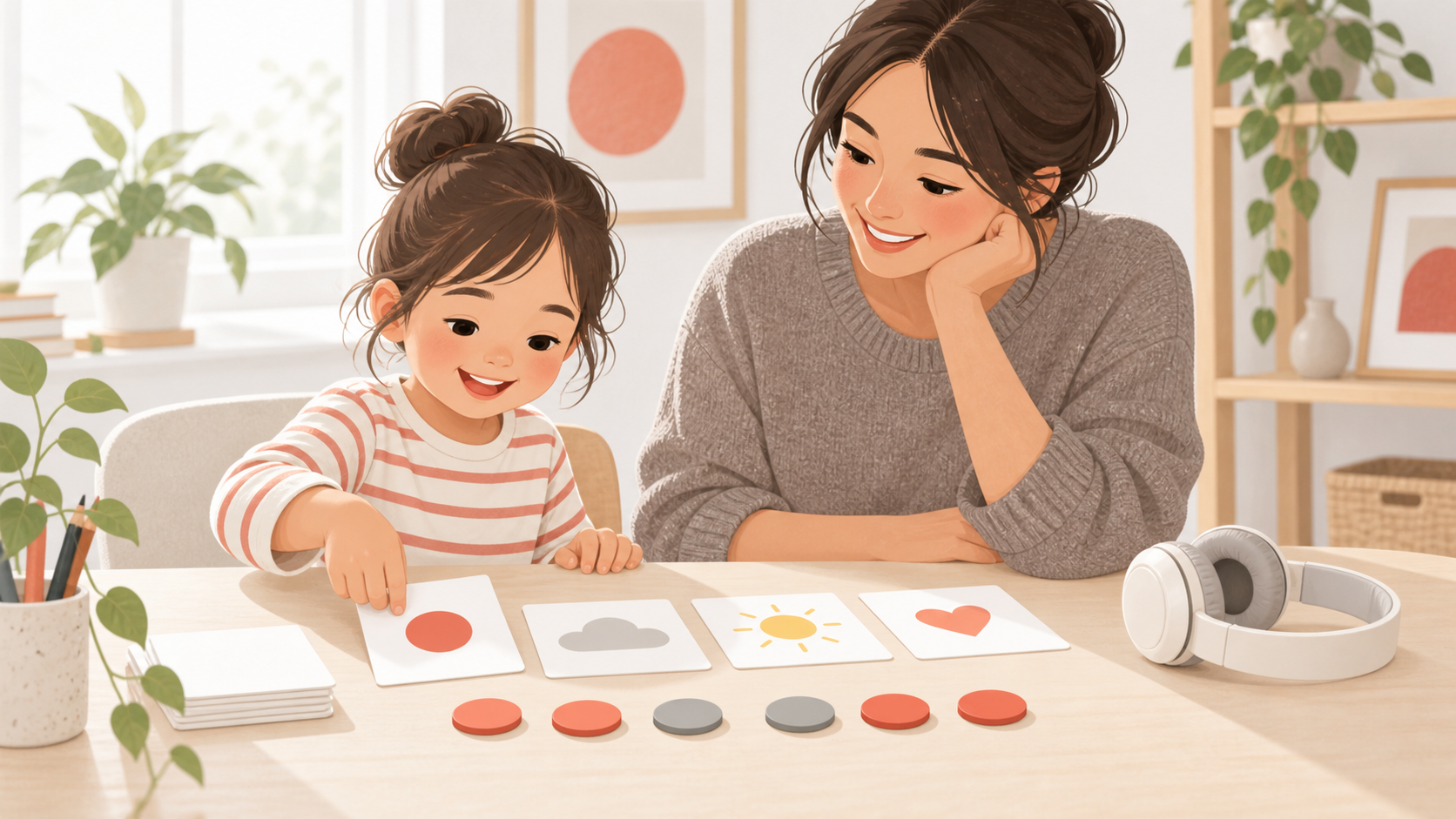
Children understand patterns, movement, sound, and spoken language before they can read a page alone. Beginner piano lessons can use those same strengths. A teacher might play a two-note pattern for the child to copy, ask the child to clap a steady beat, or use a simple picture cue to show which activity comes next.
A pre-reader can begin developing:
- Listening: hearing whether sounds move higher, lower, repeat, or change;
- Rhythm: copying short patterns and keeping a steady beat;
- Keyboard geography: noticing repeating visual groups and finding useful landmarks;
- Coordination: using one hand, alternating hands, and gradually combining simple movements;
- Musical memory: remembering a short sequence from a demonstration;
- Learning habits: watching, trying, stopping, listening, and trying again; and
- Confidence: playing a small musical idea that feels successful.
These are real foundations for later note reading. If you are asking a different question—whether a child must already read sheet music—the answer is also no. See the separate guide, Does My Child Need to Read Music Before Piano Lessons?
How can parents tell whether a pre-reader is ready?
Do not use reading level as the only test. Watch how your child responds to one short, playful learning sequence. A child may be ready to explore beginner lessons when several of these signs appear together:
- They are curious about sounds or return to a music activity without pressure.
- They can follow one simple spoken direction at a time.
- They can copy two claps, taps, or movements.
- They can wait briefly for a turn and then try.
- They can stay with an activity for a few useful minutes, especially when the task changes.
- They can tolerate a small mistake with calm encouragement.
- Your family can support a short, repeatable routine between lessons.
A child does not need every sign, and readiness can depend on the format. A child who loses focus during a long explanation may stay engaged while listening, moving, clapping, and playing. A child who is quiet in a new room may need time to observe before joining. The parent readiness guide gives a broader age-and-stage checklist.
What should piano lessons for a pre-reader look like?
A strong lesson does not hand a young child a page of instructions and expect independent reading. It turns the next musical idea into something the child can hear, see, copy, and remember.
Short directions
One clear step works better than a chain of instructions. “Listen, then copy these two sounds” is more usable than explaining an entire exercise before the child begins.
Demonstration before explanation
Young children often understand faster when the teacher demonstrates the sound or motion first. The teacher can name the musical idea after the child has experienced it.
Activity changes with one shared goal
A beginner lesson may move from clapping to listening to playing, but the activities should connect. For example, the child can clap a short rhythm, hear it in a song, then try the same rhythm at the instrument.
Simple visual cues
Picture cards, shapes, color used carefully, or a small sequence of blank activity markers can help the child know what comes next. Visual cues should support listening and understanding, not become a permanent substitute for learning musical relationships.
A clear finish
The child should leave knowing one small thing they can show or repeat. That may be a rhythm, a starting place, a short pattern, or a familiar song fragment. Parents need the same clarity so home review does not turn into guesswork.
Ask any program what brand-new children do in the first few sessions, how instructions are adapted for non-readers, and how parents receive the next practice step. A helpful answer should describe the actual learning experience, not simply say that every child is different.
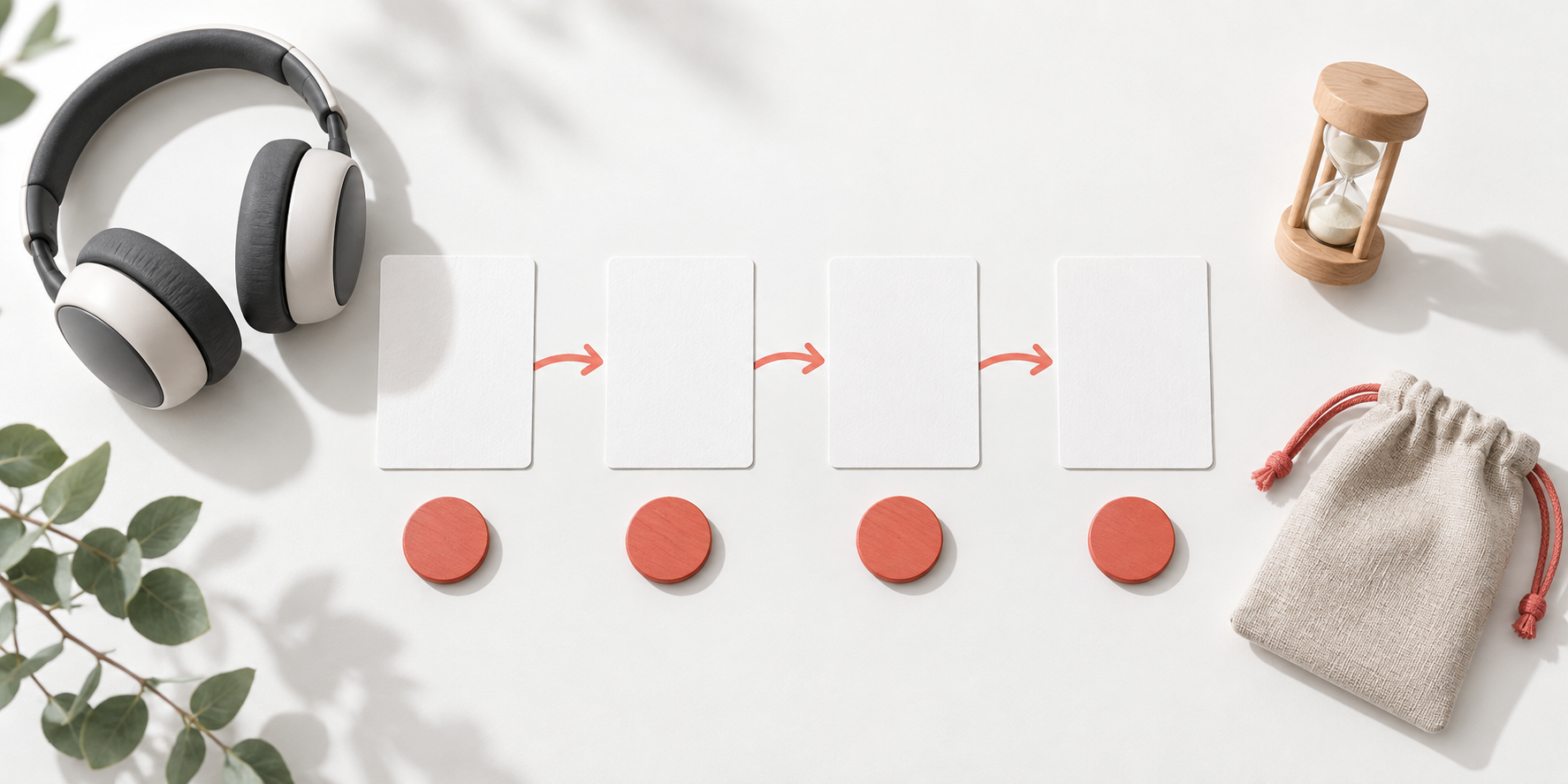
A four-step home plan for a child who cannot read yet
Keep the routine small enough that the child can recognize it. Use the teacher's exact assignment when one is available.
- Listen: Play or sing the short target once. Ask the child to notice whether it repeats, moves, or stops.
- Move: Clap, tap, or step the rhythm away from the instrument.
- Try: Play one short musical action at the keyboard, following the teacher's demonstration or lesson video.
- Show: Let the child repeat the easiest successful part once, then name what comes next.
The routine can take only a few focused minutes. Do not turn every card, color, or movement into a quiz. The purpose is to help the child reconnect with the lesson and finish with one usable musical memory.
Parents do not need to supply the musical teaching. Your job is to make the routine easy to start, replay the assigned demonstration when needed, and notice effort. The guide to helping a child practice without becoming the teacher offers more examples.
Should a young child start with group, private, or online piano?
Any of the three can work when the format matches the child and family.
- Group lessons may fit a child who enjoys copying peers, shared rhythm activities, predictable turns, and a social routine.
- Private lessons may fit a child who needs highly individual pacing, a quieter setting, or frequent changes in explanation.
- Online learning may fit a family that wants to repeat short demonstrations at home and can provide adult help with the device and routine.
The label matters less than the structure. Ask how long any one activity lasts, whether the child gets enough active music-making time, how the teacher responds when the child needs movement or repetition, and what support exists between lessons.
Reading words and reading music are different skills
A child who is not yet reading sentences can still begin noticing musical symbols, but written music should be introduced in a way that connects to sound and movement. One child may recognize visual patterns before remembering note names. Another may copy a rhythm accurately before understanding its printed form.
The goal is not to choose between playing by ear and reading. A balanced beginner path can let the child listen and imitate first, then gradually connect those experiences to musical symbols. As word reading grows, the child may also become more independent with written practice directions and lesson materials.
When might it be better to wait or change the format?
Waiting can be sensible when every music activity becomes distressing, the child shows no interest after several low-pressure tries, or the family cannot support a repeatable routine right now. But “not ready for this lesson format” is not the same as “not ready for music.”
Before postponing completely, change one variable. Shorten the activity, reduce the number of directions, try a more playful group, choose a quieter setting, or use a repeatable home lesson. Then watch whether the child becomes more willing to listen, copy, and try again.
How iPianoLab helps children begin
iPianoLab is designed for children and beginning students. Learners play songs they enjoy early, then build keyboard geography, rhythm, counting, note reading, two-hand coordination, melody, chords, and music literacy through a structured multi-level path.
Explore iPianoLab online learning for a flexible beginner path, or choose an iPianoLab program that fits your child.
Frequently asked questions
Does a child need to know the alphabet before piano lessons?
No. Knowing letters can help with some note names and written directions, but a beginner can start through listening, imitation, rhythm, movement, and short visual routines. The teacher should adapt the lesson to the child's current literacy.
Can a four-year-old learn piano without reading?
Some four-year-olds can enjoy brief, play-based piano learning before they read fluently. Readiness depends on curiosity, response to simple directions, willingness to copy a pattern, and the lesson format—not only age.
Is reading music harder for a child who cannot read words?
The skills are related in some ways but are not identical. A young child may begin recognizing musical shapes, directions, and patterns while still developing word reading. Written music should be connected to sounds and actions the child already understands.
Should parents wait until first grade to start piano?
Not automatically. Some children are ready earlier, while others benefit from waiting or beginning with musical play. Use the child's interest, attention, imitation, and comfort with a short routine as the guide.
How can a parent help if the child cannot read the assignment?
Ask the teacher for one spoken, pictured, marked, or recorded practice step. At home, help the child open the lesson, repeat the same cue, and finish after one small success instead of introducing new instructions.
Ready to try a child-friendly first step? See iPianoLab online learning.