Can Kids Practice Piano With Headphones? A Parent Guide
Yes. Children can practice piano with headphones when the headphones fit comfortably, the volume stays low, and the child still gets regular chances to play through speakers. Headphones can make a digital piano easier to use in an apartment, during a sibling's homework time, or whenever a child needs a calmer practice space.
They are a tool, not a requirement. A good routine uses headphones for a clear reason—such as quiet practice or focused listening—rather than leaving them on for every session. Parents should also check the fit and volume themselves instead of assuming that a children's label or a volume-limiting claim makes every setting safe.
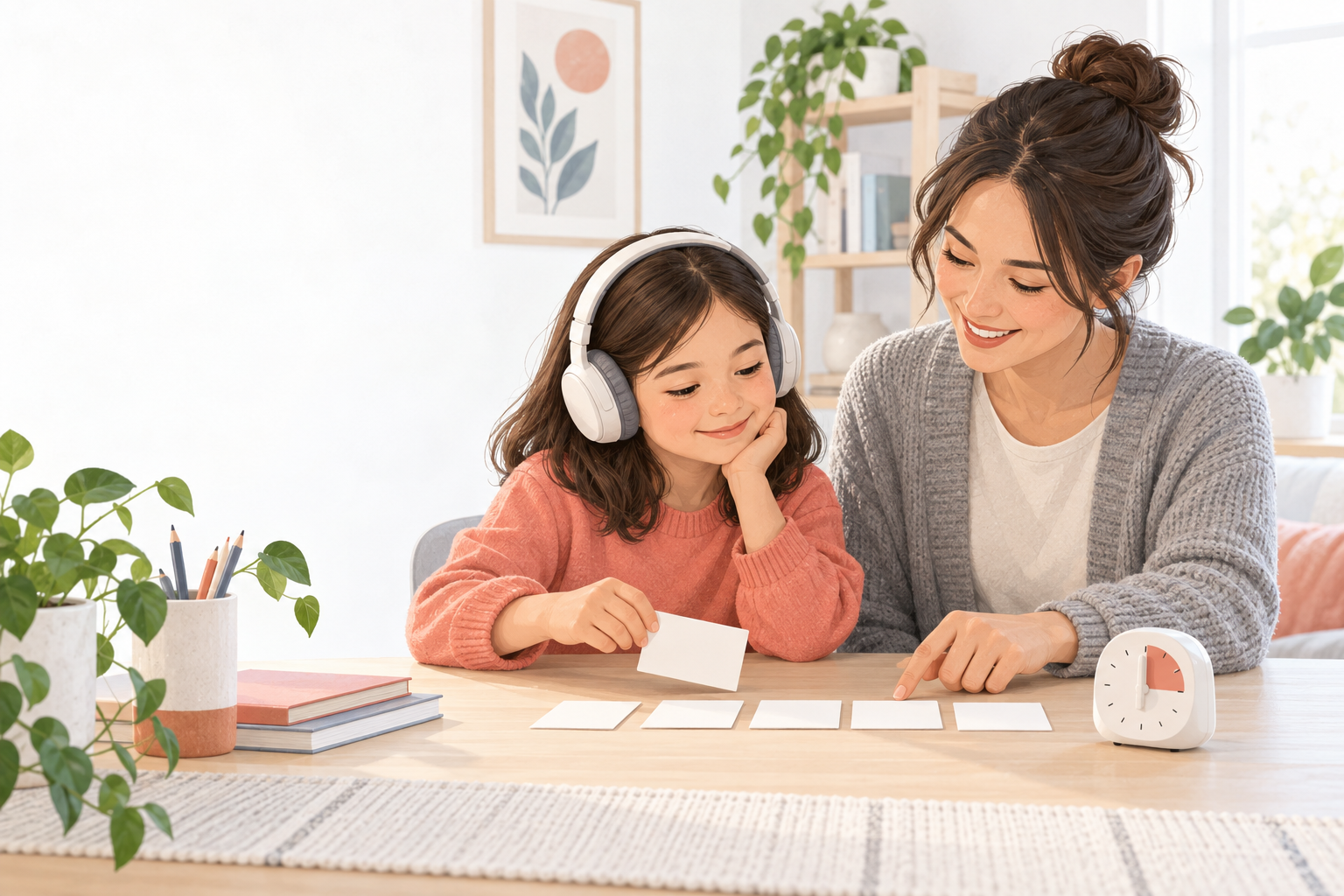
When headphones can help a child's piano practice
Headphones are most useful when they remove a practical obstacle. If the family can keep the instrument ready and the child can begin without worrying about disturbing someone, a short practice session becomes easier to repeat.
- Quiet times at home: A child can practice while another family member studies, rests, or takes a call.
- Apartment living: Headphones can make early-evening or weekend practice feel more neighbor-friendly.
- Focused listening: A well-fitted pair can make it easier to notice whether notes begin together, a rhythm stays even, or one hand is covering the other.
- Private repetition: Some beginners feel more comfortable repeating a difficult measure when the whole room cannot hear every attempt.
- Online instruction: Depending on the setup, headphones can help a child hear a lesson clearly—but the child must still be able to hear the instrument and any supervising adult.
If the main problem is simply getting the home area organized, start with the piano practice space guide. A ready instrument, visible materials, and one dependable routine cue often matter more than extra equipment.
When should a child practice through speakers instead?
Speakers help a child hear how the instrument sounds in the room. That matters because headphones can make tone, balance, pedal sound, and volume feel different. A teacher or parent also needs to hear the playing sometimes in order to notice a rushed rhythm, a missing note, or an uncomfortable setup.
Use speakers when the child is preparing to play for another person, checking the full sound of a piece, or receiving live feedback. If every session has happened privately through headphones, schedule one speaker run before a lesson, recital, or family performance so the room sound does not feel surprising.
A balanced beginner routine might use headphones for one focused practice block and speakers for the final play-through. The exact split is less important than making both experiences familiar.
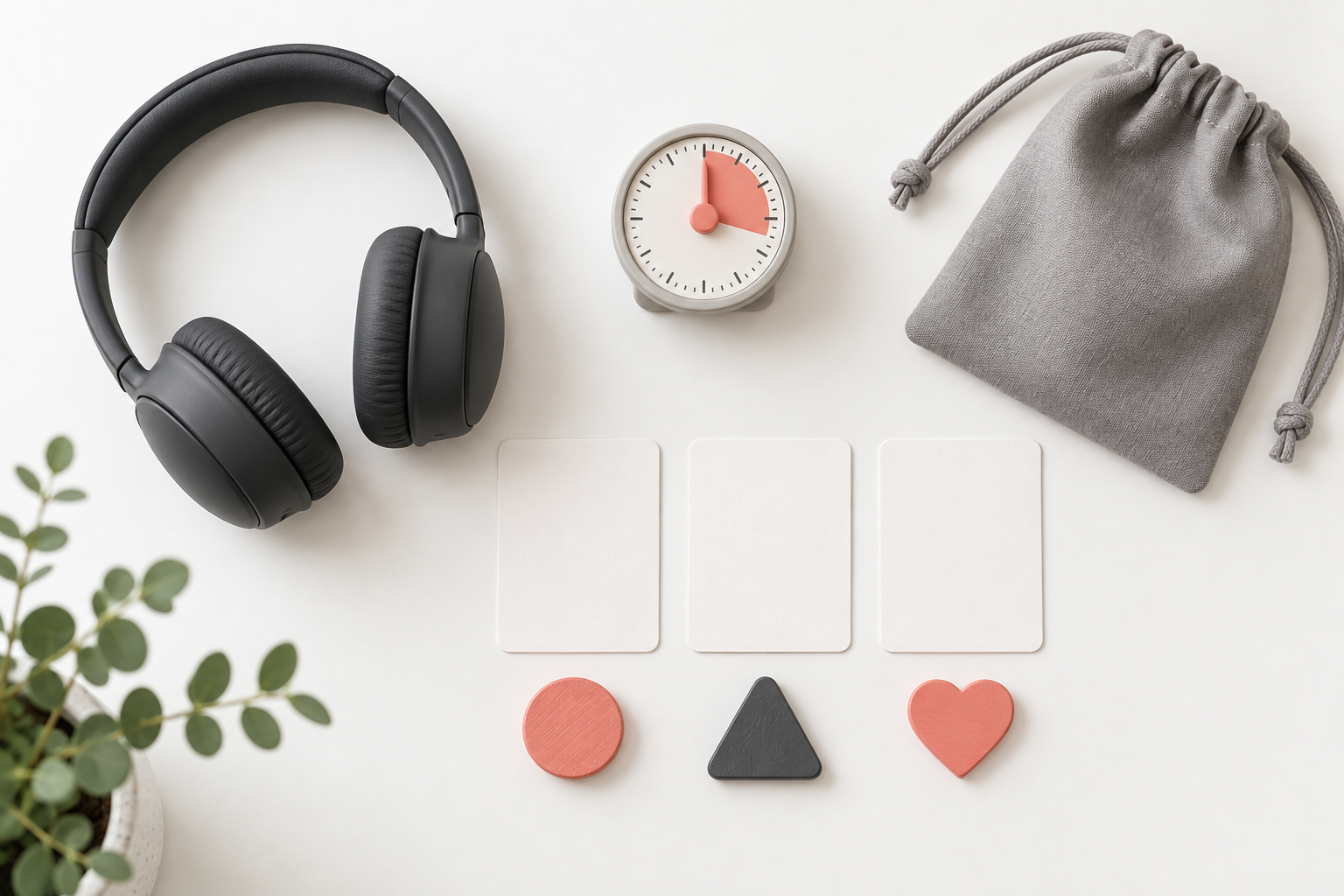
A simple safe-listening routine for piano practice
The World Health Organization's safe-listening guidance recommends well-fitted headphones, keeping device volume below 60% of maximum, and taking regular breaks. Parents can turn that general advice into a quick piano routine:
- Set the volume before the child begins. Start low and raise it only enough to hear the instrument clearly. Loudness should not be used to cover a noisy room.
- Check the fit. The ear cups should sit comfortably without pinching. If the child keeps adjusting them, the pair may be too large, too tight, or too warm.
- Choose one short goal. Practice a rhythm, a small song section, or a two-hand pattern instead of wearing headphones through an open-ended session.
- Take them off for a break. Pause between focused blocks and let the ears rest.
- Finish with a speaker check when practical. Play the section once at a comfortable room volume and notice what sounds different.
If a child reports ringing, muffled hearing, ear pain, dizziness, or ongoing discomfort, stop headphone use and talk with a qualified health professional. A blog guide cannot diagnose hearing or fit concerns.
How to choose headphones for a child's digital piano
You do not need the most expensive pair. Start with comfort, connection, and simple adult control.
- Prefer an over-ear fit: Soft ear cups are often easier to position consistently than tiny earbuds.
- Check the plug: Some digital pianos use a standard 3.5 mm jack, while others use a larger 6.35 mm jack or require an adapter. Confirm the instrument's headphone output before buying.
- Use a cable that stays out of the way: Route it so the child can sit naturally and so no one walks through it.
- Keep controls understandable: Parents should be able to find and reset the instrument volume quickly.
- Treat volume limiting as one safeguard, not a guarantee: Test the actual setup at home and continue supervising volume and session length.
Bluetooth can introduce a small delay on some instruments. That delay may make the sound feel disconnected from the key press, so a wired connection is usually the simpler starting point for real-time piano practice.
A five-minute headphone practice plan for a beginner
- One minute: listen to and clap the target rhythm without headphones.
- Two minutes: put on the headphones and repeat one small pattern slowly.
- One minute: play the pattern in the song or exercise where it belongs.
- One minute: remove the headphones and play once through speakers.
This is not a complete practice session for every child. It is a low-friction way to test whether headphones improve focus. For a broader schedule, use the four- or five-day beginner practice plan.
What if my child wants headphones every time?
Ask what the headphones are solving. The child may prefer privacy, find the room distracting, or like hearing details more closely. Those are useful clues. Keep the benefit while building flexibility: agree on a short headphone block, then finish one section through speakers.
If the child avoids speakers because they feel embarrassed, make the speaker check private and brief. The goal is not to force a performance. It is to help the child hear the instrument in more than one way and let a trusted adult notice whether help is needed.
Headphones for online piano lessons
For live or self-paced online learning, make sure the child can hear both the instruction and the piano without juggling several volume controls. Test the lesson setup before the first session, place the screen where the child does not twist away from the instrument, and keep an adult nearby for younger beginners.
The online piano lesson setup checklist covers the instrument, device, camera, materials, and practice area. If you are still deciding whether online instruction fits, see what makes online piano lessons effective for kids.
How iPianoLab supports a practical home routine
iPianoLab is built for children and beginning students. Learners play songs they enjoy early, then build keyboard geography, rhythm, counting, note reading, two-hand coordination, melody, chords, and music literacy through a structured multi-level curriculum.
Explore iPianoLab online learning for a flexible home path, or choose an iPianoLab beginner program.
Frequently asked questions
Are headphones bad for a child's piano practice?
Not when they fit well, the volume stays low, and sessions include breaks. Headphones should not replace all speaker practice or adult checks.
Can kids use Bluetooth headphones with a digital piano?
Some setups allow it, but Bluetooth may add a noticeable delay between pressing a key and hearing the sound. A wired pair is usually simpler for beginners.
Should a child wear headphones for an online piano lesson?
Only if the child can still hear the teacher, instrument, and supervising adult clearly. Test the exact audio setup before the lesson and avoid competing volume controls.
Do children's headphones make loud listening automatically safe?
No. Product labels and volume limits vary, so parents should still set the volume, check the fit, supervise use, and include breaks.
Is it better to practice piano with headphones or speakers?
Both can be useful. Headphones support quiet, focused repetition; speakers help the child hear room sound and make it easier for a teacher or parent to give feedback.
Ready for a beginner path that fits real family life? See iPianoLab online learning.