What to Expect at Your Child's First Piano Class
The first piano class can feel like a big step for parents and kids. You may be wondering whether your child needs experience, whether they should already know letters or rhythms, what materials they need, and what actually happens once the class begins.
A strong beginner piano class should make that first step feel clear. Children should know where to sit, what to listen for, how to find their place on the keyboard, and what success looks like before they leave. Parents should understand the next step at home without needing to become music teachers overnight.
At iPianoLab, our beginner classes are built for children who are new to piano. Students start with approachable wins, then build real fundamentals: keyboard geography, rhythm, counting, listening, note reading, two-hand coordination, and confidence.
Start your child's piano journey
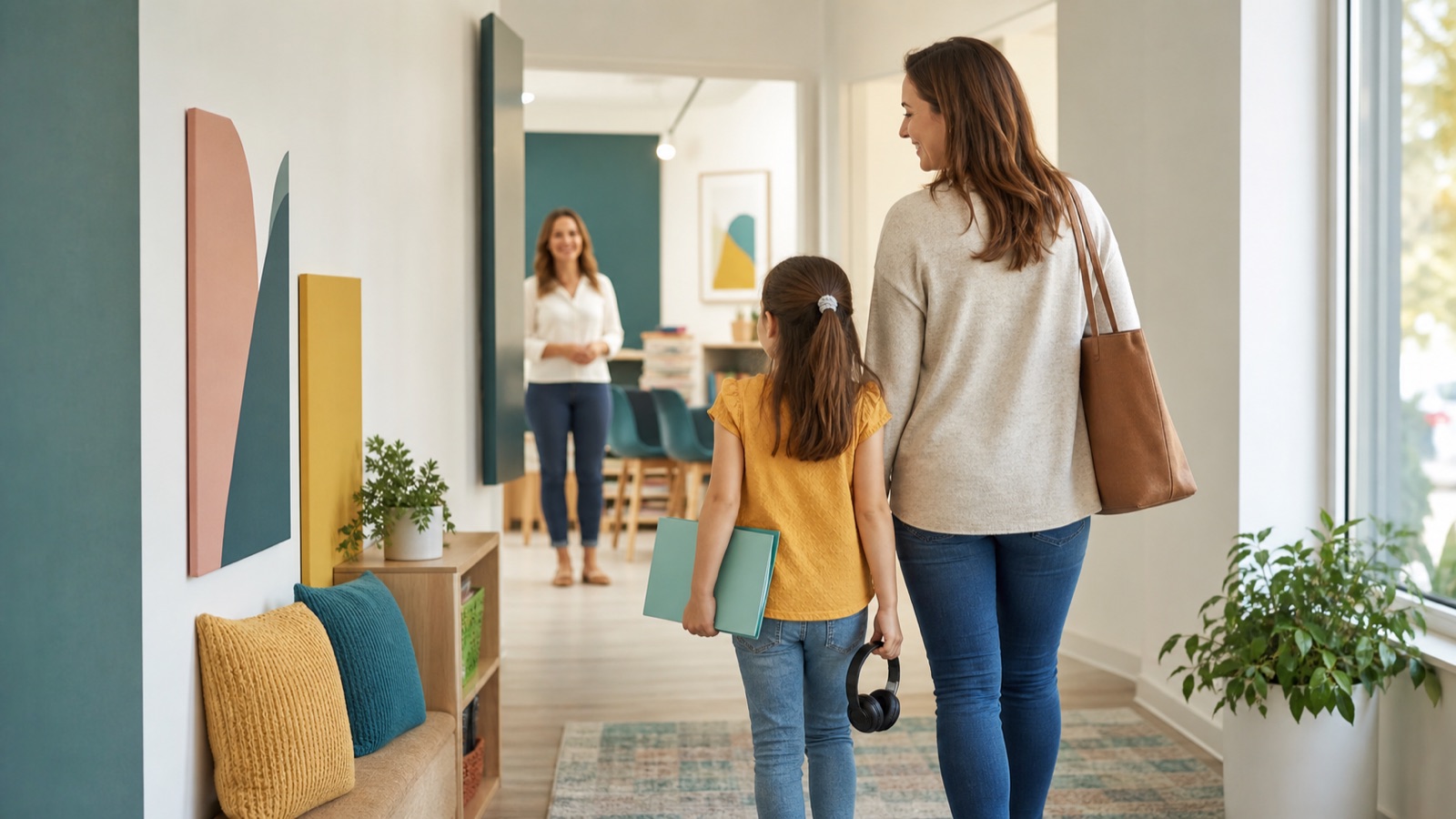
Does my child need experience before the first class?
No. A beginner-friendly piano class should not expect your child to read music, know note names, or have taken private lessons before. The first class is where those basics begin.
What helps most is readiness to follow simple directions, listen for short teacher instructions, try a new activity, and participate in a group. Some children arrive excited. Some arrive shy. Both can do well when the class has a clear routine and early musical success.
What happens when class starts?
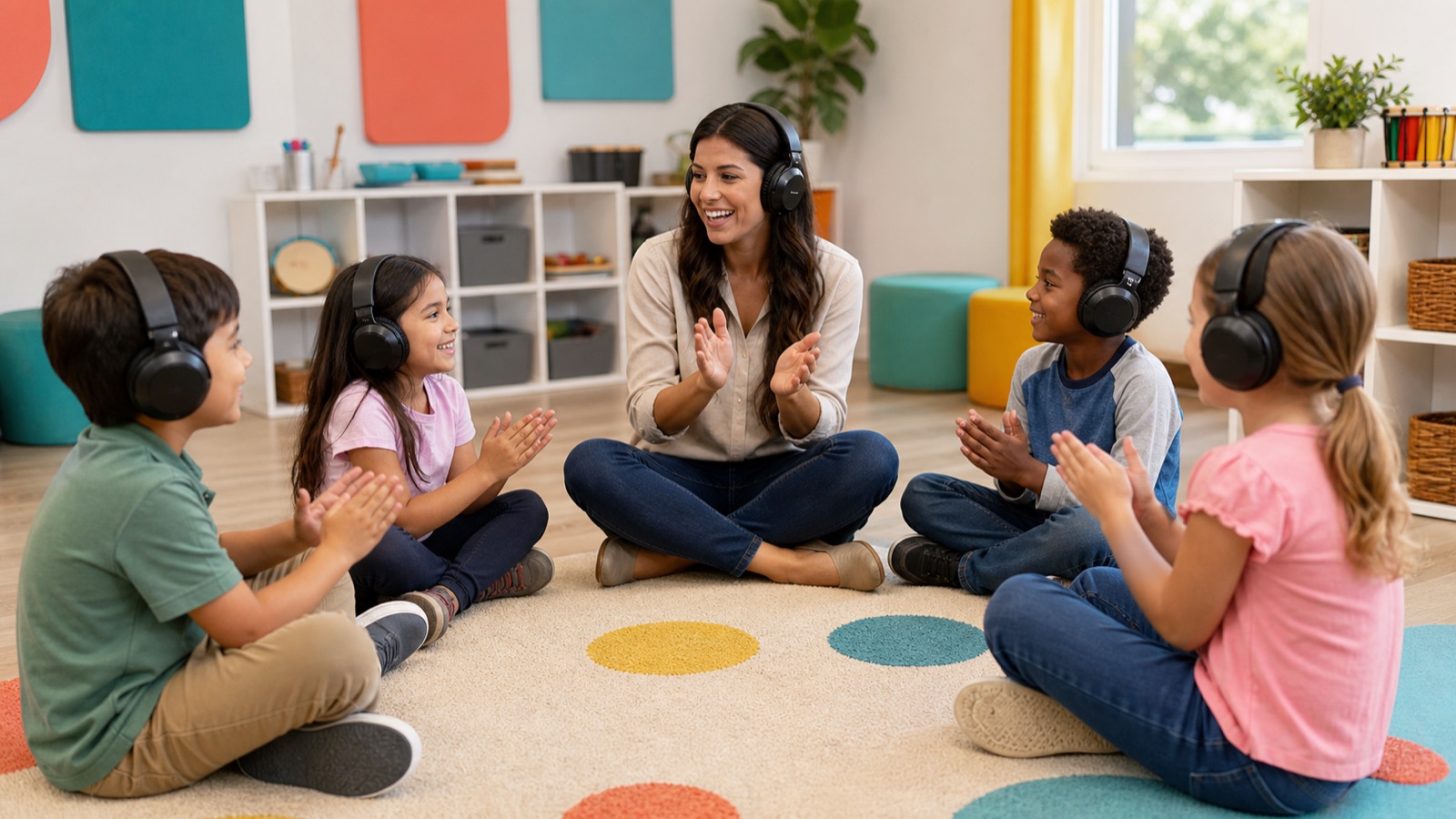
Most first classes begin with orientation. Students learn where to sit, how headphones or classroom tools work, how to listen to the teacher, and how to ask for help. Then the teacher introduces simple musical patterns that children can try right away.
For a brand-new student, the goal is not perfection. The goal is comfort with the learning process: watch, listen, try, repeat, and celebrate a small win.
A first beginner class may include:
- Finding patterns on the keyboard
- Listening for steady beats
- Clapping or tapping simple rhythms
- Trying short melodies or note patterns
- Learning how class materials are used
- Understanding what to practice before the next class
What should parents bring?
The exact details depend on the program, but parents should keep the first class simple. iPianoLab school and class programs commonly provide keyboards, headphones, books, music, and learning materials for class sessions. If your child is joining an online or home-supported program, a home keyboard and a quiet practice spot can help.
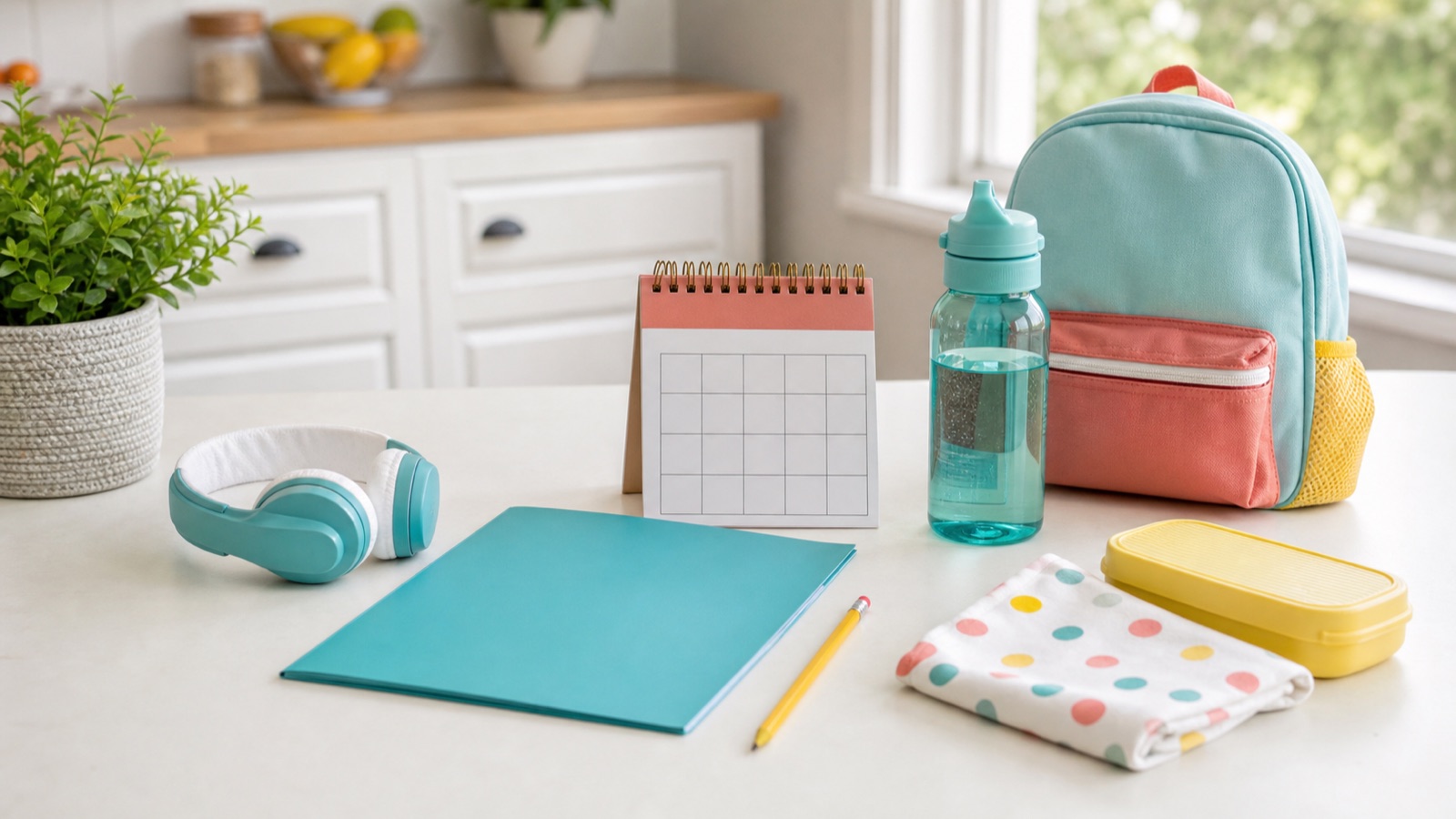
A practical parent checklist:
- Confirm the class time, location, and pickup plan.
- Help your child arrive rested and not rushed.
- Bring any required form, folder, or school pickup note.
- Ask how practice instructions will be shared.
- Keep the first home practice short and positive.
How do group piano classes work for beginners?
Group piano works best when the class is structured, not chaotic. Children can learn together while still moving at a pace that fits their level. The teacher gives short instructions, students try the skill, and the class checks progress in small steps.
The group setting can be especially helpful for beginners because children see that everyone is learning. A student who might feel nervous in a one-on-one lesson can relax when classmates are also trying, laughing, repeating, and improving.
That peer energy is one reason iPianoLab uses small-group learning in many school and online programs. Students build confidence while still learning real musical skills.
Will my child play a real song right away?
Often, yes, in a beginner-friendly form. The first song or pattern may be simple, but it should feel musical. Children are more motivated when they can hear progress early instead of waiting months to play something recognizable.
iPianoLab's method is song-first, but not skill-light. Songs become the doorway into fundamentals: steady beat, note direction, finger control, left and right hand awareness, and listening carefully enough to notice when something sounds right.
What if my child is nervous?
Nerves are normal. A new room, a new teacher, and a new activity can feel big. Parents can help by describing the first class simply: "You will meet the teacher, learn where to sit, try a few music activities, and practice one small thing at a time."
Avoid promising that everything will be easy. It is better to say that learning piano means trying, making mistakes, and trying again. That gives children permission to be beginners.
What should practice look like after the first class?
After the first class, practice should be short, specific, and calm. A five- to ten-minute review is usually more useful than one long session that turns into a struggle. The question is not "Did we practice for a long time?" It is "Did my child understand what to repeat?"
Good first-week practice might include finding the same keyboard pattern again, clapping the class rhythm, replaying a short melody, or watching the assigned video support if your program includes online access.
Parents do not need to correct every note. The most helpful role is to create a routine, notice effort, and help the child return to the assignment without pressure.
How parents can tell if the first class went well
A successful first class does not always mean your child can explain every musical term. Look for practical signs:
- Your child understood where to sit and what to do next.
- The teacher gave clear, age-appropriate directions.
- Your child tried a keyboard, rhythm, or listening activity.
- There was at least one small musical win.
- You know what the next practice step is.
- Your child is willing to come back and try again.
FAQ: First piano class for kids
What age should a child start piano?
The right age depends on attention span, interest, and comfort following simple directions. Many elementary-age children do well in beginner piano classes when the program is structured for young learners.
Do we need a piano at home?
A full acoustic piano is not required for most beginners. A practical starter keyboard can work well. If you are choosing one, start with the iPianoLab keyboard buyer's guide.
Are group piano lessons good for shy kids?
They can be. A supportive group gives children peer energy without making one student the center of attention all the time. The key is a teacher who keeps the class organized and beginner-safe.
What if parents do not know music?
That is okay. Parents can support practice by setting the time, keeping the mood positive, and using the teacher's instructions. You can also read our parent FAQs for more program details.
Ready for the first step?
The best first piano class helps your child feel capable quickly while building skills that last. If your child is curious about music, iPianoLab can help them begin with structure, encouragement, and songs that make practice feel possible.
Explore after-school piano programs, online piano learning, or start here: