Why Does My Child Pause Between Every Note on Piano?
If your child pauses between every note on piano, do not begin by asking for a faster performance. First find out what the pause is doing. Your child may be searching for the next note, deciding which finger to use, or losing the steady beat while concentrating on accuracy.
A beginner can know the notes one at a time and still be learning how to connect them into a musical phrase. The most useful home practice is usually a tiny group of two or three notes, rehearsed slowly enough that the next movement can be prepared before the current note ends.
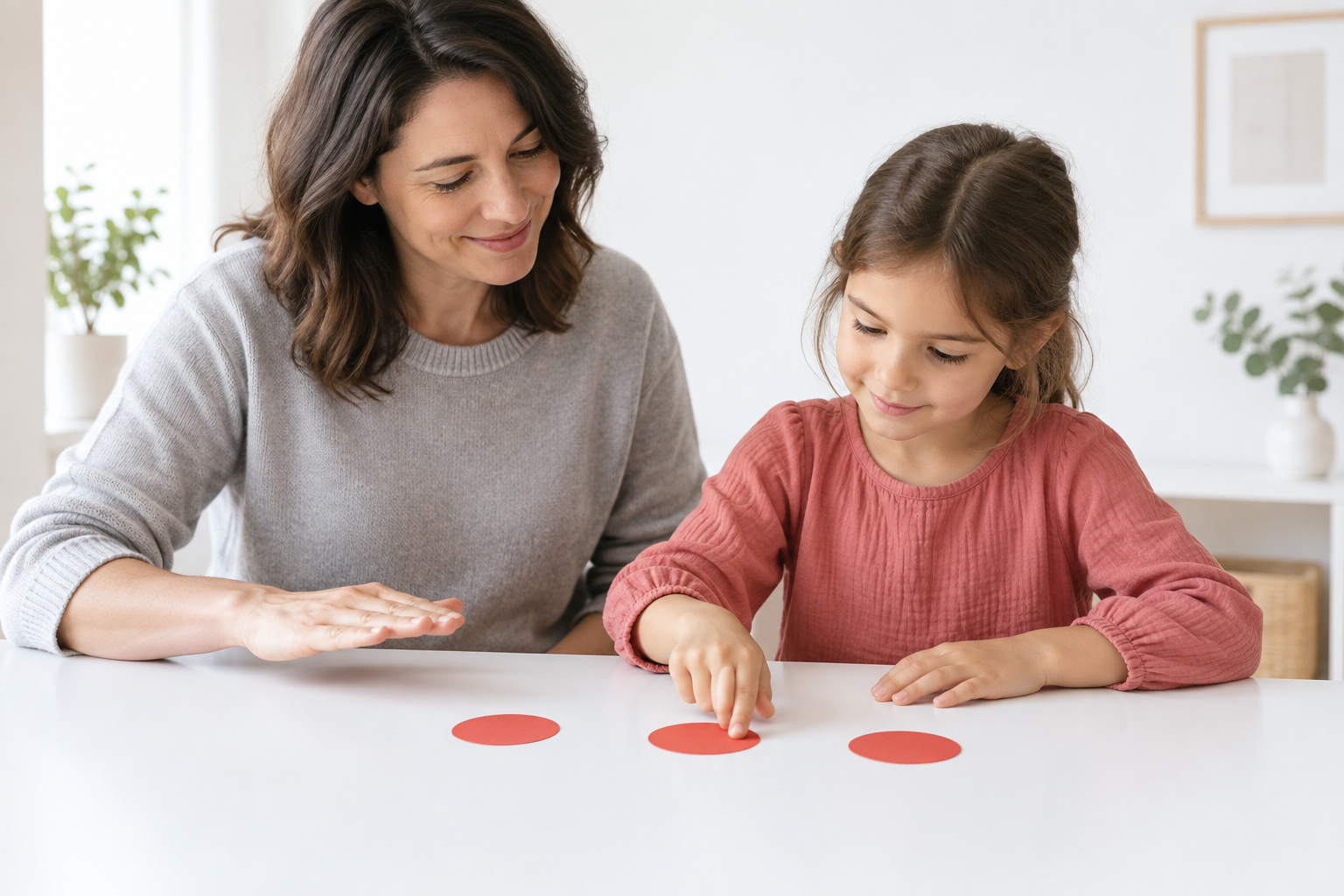
Why does a child pause between every piano note?
Usually, the pauses mean that one part of playing is not automatic yet. A child may be solving several small problems at once:
- Finding the next note. The child reads one symbol, finds one key, plays it, and then starts the search again.
- Choosing a finger. Even when the note is known, the hand may not have a comfortable movement plan.
- Watching the hands and the page separately. Looking down, finding a key, and returning to the music can interrupt the pulse.
- Trying not to make a mistake. A careful child may stop after each note to check whether it was correct.
- Practicing a section that is too large. When every measure contains a new decision, the child never gets enough repetition to connect a small pattern.
This is different from deliberately playing slowly. Slow playing can still have a steady pulse and connected thought. Note-by-note playing feels more like a series of separate starts.
Listen before you tell your child to “keep going”
Ask your child to play a very short part once while you listen. Do not correct every note. Try to notice where the hesitation appears:
- Does the pause happen before almost every note?
- Does it happen only when the hand changes position?
- Does it happen when the child looks from the music to the keys?
- Does one repeated group become smoother after two or three tries?
- Can the child tap or sing the rhythm without the instrument?
These observations give the teacher something specific to work with. They also prevent a common mistake at home: pushing the tempo before the child has a workable note, finger, and movement plan.
If your child looks down frequently, that is not automatically a problem. Beginners often need quick glances. The goal is to make those glances useful and brief. See the related guide on when children should look at their hands while playing piano.
Try this five-minute three-note routine
Use a short group chosen from the child's current assignment. If you are unsure which notes or fingering to use, ask the teacher first. The parent does not need to teach a new technique.
- Minute 1: Find only three notes. Choose three neighboring notes or one tiny pattern from the assigned music. Stop before the next difficult spot.
- Minute 2: Tap the rhythm away from the keys. Use three plain markers, fingertips on a table, or a gentle clap. Keep the spaces between the taps even.
- Minute 3: Prepare the next movement. Before starting, let the hand settle. As one note sounds, encourage the child to think about where the next finger will go.
- Minute 4: Play the three-note group slowly. The aim is a connected sequence, not speed. Repeat only while the hand and attention stay relaxed.
- Minute 5: Add one note before or after. Grow the group by one small step so the child practices entering and leaving the pattern.
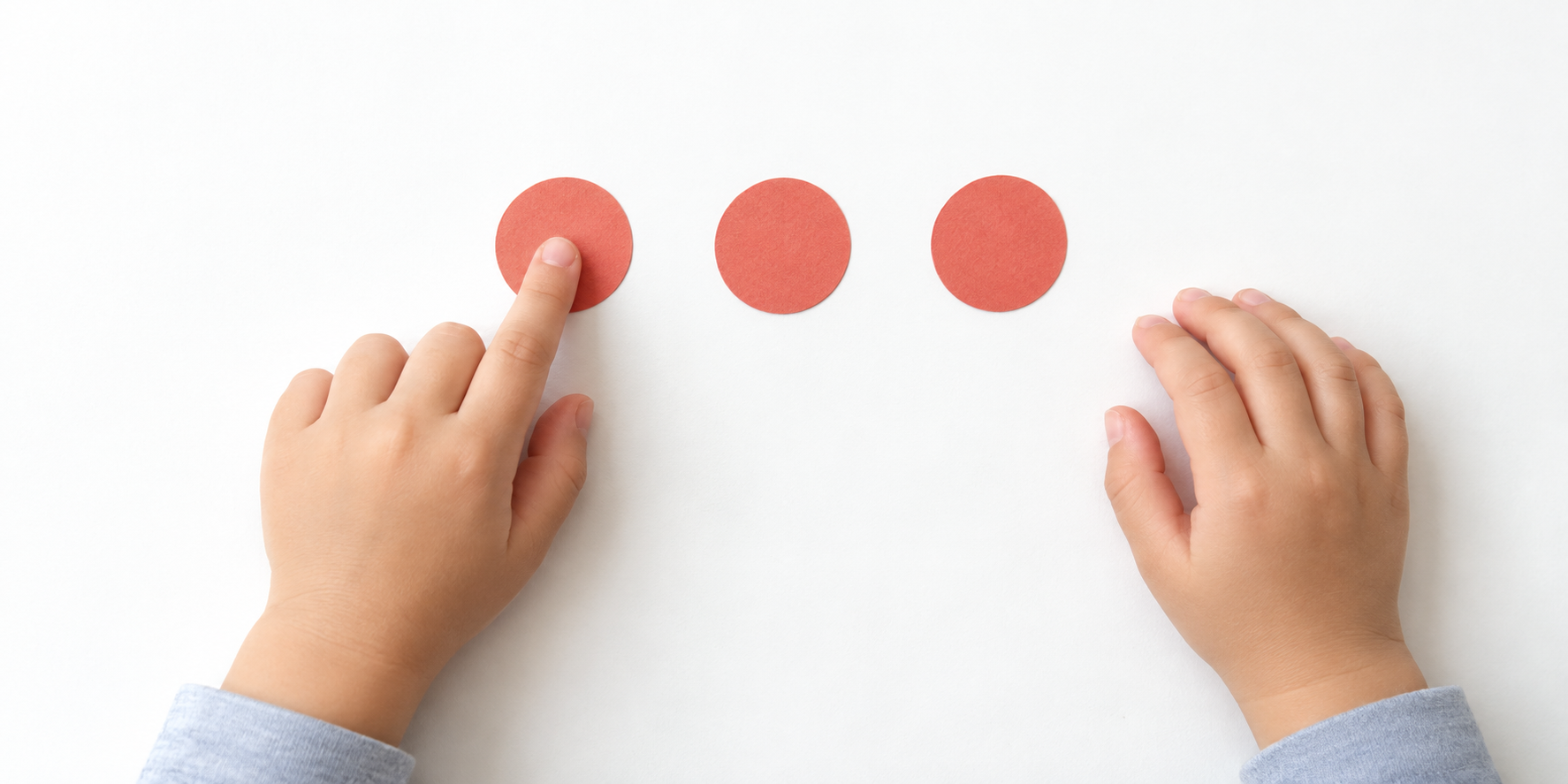
A simple cue such as “ready, next, next” can help the child think forward. Avoid naming every note while the child is already playing; that can create another stream of information to process.
What does “connected” mean for a beginner?
Connected does not mean fast, perfect, or forced. In this exercise, it means that the child experiences the notes as one small idea instead of three unrelated tasks. You may hear a steadier pulse, see less searching between notes, or notice that the hand prepares sooner.
Some music includes written rests, repeated notes, detached sounds, or intentional spaces. Do not remove those. The teacher can show your child how the assigned music should sound. The home goal is to remove accidental hesitation, not musical silence.
Should you use a metronome?
A metronome can help when the child already knows the notes and can move through the short group without tension. It is less helpful when the child is still searching for each note or finger. In that case, the click may add pressure without solving the real problem.
Start with an adult clapping or tapping a comfortable pulse, then decide with the teacher whether a metronome is appropriate. The parent guide to beginning metronome practice explains when that tool is likely to help.
What if the child speeds up once the pauses disappear?
Connecting the notes and controlling the tempo are related but separate skills. A child may solve the hesitations and then rush through the easier part. If that happens, keep the group small and return to a comfortable pulse. Use the five-minute beat-first reset for children who rush piano songs.
Helpful phrases for parents who do not play piano
You do not need to name the notes or fix the fingering. Use short questions that keep the task small:
- “Can you show me just three notes?”
- “Where does the first pause happen?”
- “Can we tap that tiny pattern first?”
- “What will your next finger do?”
- “Was that more connected, even if it was slow?”
- “What should we ask your teacher?”
Neutral language helps the child notice the process without turning every attempt into a test. If you do not play piano, this companion guide explains how to support piano practice without becoming the teacher.
When should you ask the piano teacher for help?
Bring the question to the teacher when the same hesitation continues across several practice sessions, the child cannot identify a comfortable finger plan, the hand becomes tight or uncomfortable, or the assignment remains confusing after you make it smaller.
A useful teacher question is:
“My child can find the notes, but pauses before each one. Which two- or three-note group should we connect this week, and what fingering or rhythm cue should we use?”
That question describes what you observed without diagnosing the child. It also asks for a specific practice target that the family can repeat.
How iPianoLab supports beginner progress
iPianoLab helps beginners build rhythm, counting, note reading, keyboard geography, coordination, melody, chords, and music literacy through manageable learning steps. A short connected phrase may look small, but it brings several of those skills together.
Families can explore iPianoLab online learning or find an iPianoLab beginner lesson path.
Frequently asked questions
Is it normal for a beginner to pause between piano notes?
Yes. Beginners often pause while matching a written note, key, finger, and rhythm. The important question is whether a small familiar group becomes smoother with clear instruction and calm repetition.
Should my child simply practice the whole song more?
Usually not at first. Replaying the whole song can repeat the same pauses without solving them. Work on a tiny assigned group, then reconnect it to the surrounding music.
Does playing slowly cause pauses?
No. Slow practice can be steady and connected. Accidental pauses happen when each note becomes a separate search or decision. Keep the tempo comfortable while preserving an even pulse.
Should I say the note names while my child plays?
Only if the teacher recommends it for that assignment. Saying every note can sometimes add more information than the child can use while moving. A short rhythm cue or advance preview may be more helpful.
What if my child feels pain or persistent tension?
Stop the exercise and tell the teacher exactly what the child feels and when it happens. Do not push through pain or try to diagnose the cause at home. The teacher can review the setup, movement, and assignment and advise the appropriate next step.
Ready for a clear beginner path that turns small steps into musical progress? Start with iPianoLab.