Why Do My Child’s Piano Notes Sound Blurry?
Quick answer: a beginner’s piano notes can sound blurry when one key stays down after the next note begins, the child has not yet learned the difference between pressing and releasing, or several musical jobs are competing for attention. First check whether the blur comes from the fingers rather than the sustain pedal. Then use a short press–listen–release routine on two familiar notes and bring any repeated pattern back to the teacher.
This is a common early-learning question, not proof that a child is careless or “playing badly.” Beginners are learning when a note starts, how long it lasts, and when the hand lets it go. Those three moments can be harder to coordinate when the child is also reading, counting, finding keys, and remembering fingering.
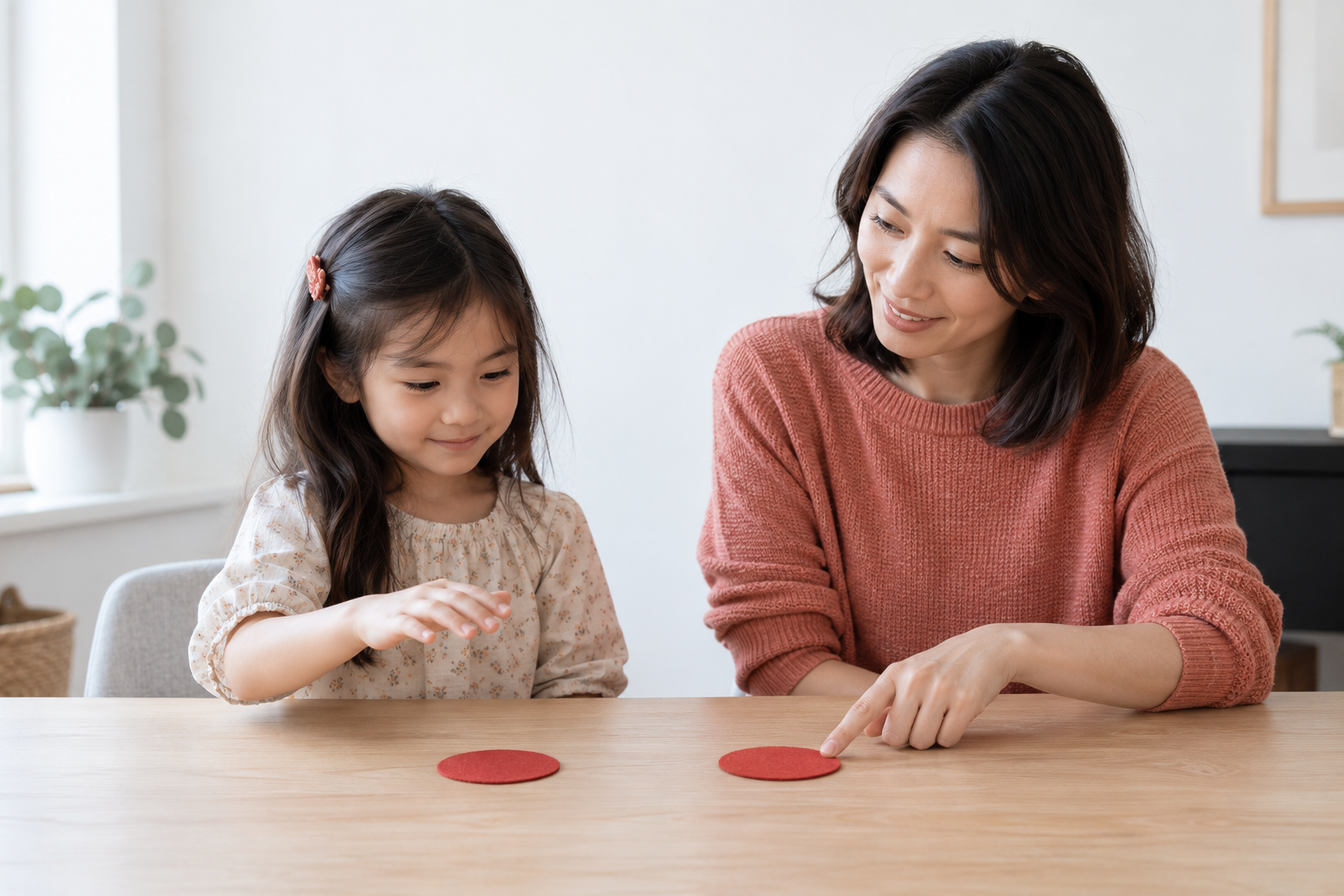
What does it mean when piano notes sound blurry?
Two nearby notes can blend when the first note continues after the second begins. A small overlap may be intentional in some music, but an accidental overlap can make a beginner phrase sound cloudy, heavy, or difficult to understand. Parents may describe it as notes running into each other, fingers getting stuck, or a song sounding muddy even though the child found the right keys.
The useful question is not simply, “Are the notes wrong?” Listen for the boundary between them. Can you hear the first sound finish? Does the next note begin at the expected time? Does the blur happen in one exact place or across the whole phrase?
Why do beginners hold piano keys too long?
A child may keep a key down for several different reasons:
- The release is not yet part of the rhythm. The child is concentrating on when to press, but not yet on when the sound should end.
- The next note takes extra attention. While searching for a key or finger, the child may leave the previous finger in place.
- The hand is trying to feel secure. Holding several keys can feel safer than letting go before the next movement is prepared.
- The music is too large for one practice step. A full phrase may ask for more reading, timing, and coordination than the child can organize at once.
- The child is copying a connected sound without understanding the movement. The musical idea may be clear, while the physical sequence still needs teacher guidance.
- The sustain pedal is adding overlap. If the pedal is down, sounds may continue even after the fingers release.
These causes need different responses. Repeating the whole song rarely shows which one is present.
How can a parent find the source of overlapping notes?
Choose the smallest place where the blur is easy to hear. Ask the child to play it once at a comfortable speed, then check:
- Does the first key remain visibly down after the next key begins?
- Does the sound become clear when the child plays only two notes?
- Does the overlap happen with one hand, both hands, or only one finger change?
- Does the child know how long the first note is written to last?
- Is a sustain pedal being used?
- Does the hand look comfortable, or does the child squeeze, stretch, or report discomfort?
If the notes are arriving at irregular times instead of overlapping, start with the guide to helping a child play piano notes more evenly. If the child is holding a written rest incorrectly, use the separate sound–silence–sound guide for piano rests.
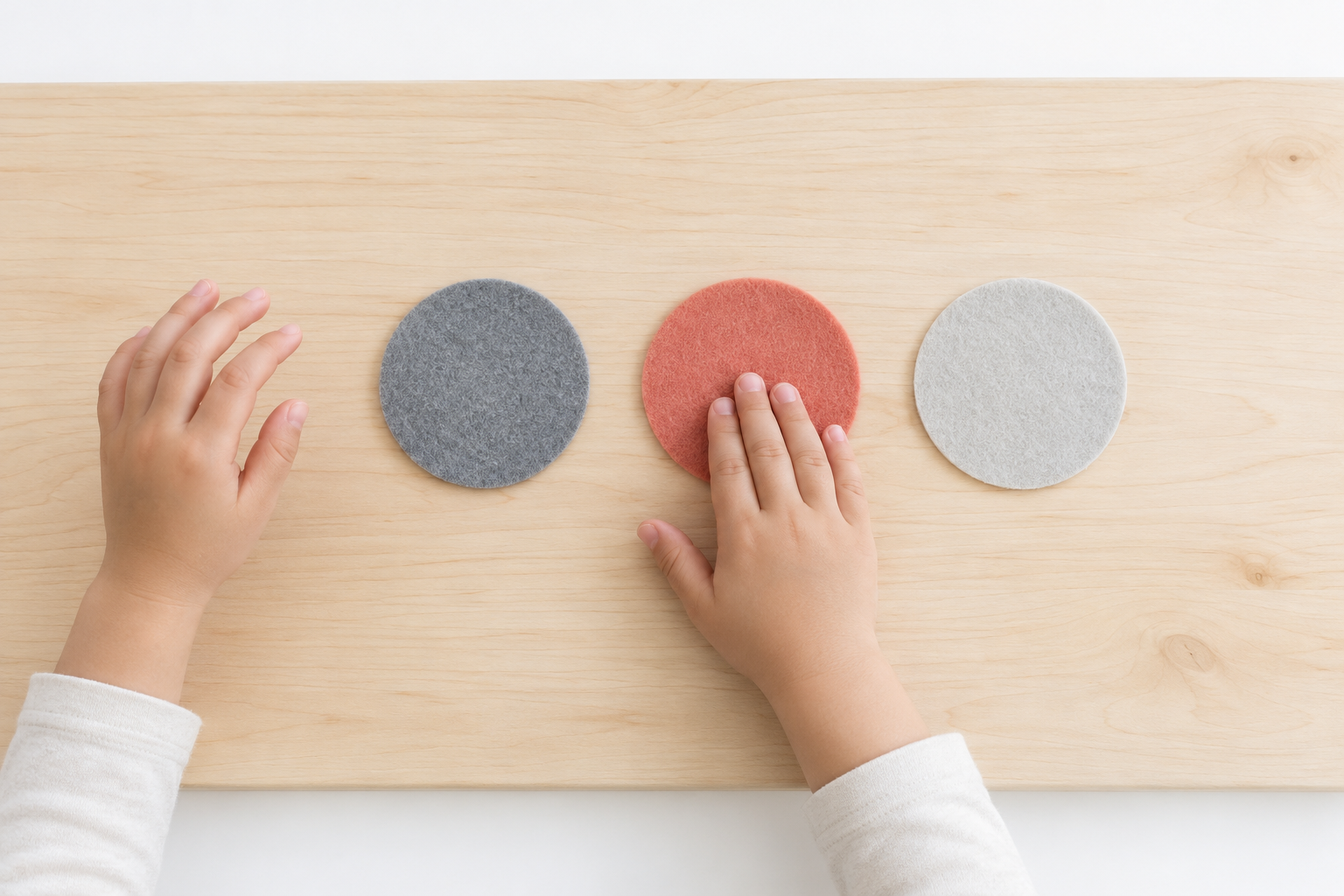
A five-minute press–listen–release routine
Use two familiar notes from the child’s assigned music. This routine helps the child notice the release; it does not replace the teacher’s fingering or technique instructions.
- Tap and lift away from the piano for one minute. Place two small markers on a table. Gently tap the first marker, let the hand lift, then tap the second. Keep the movement easy and quiet.
- Say the three jobs for one minute. Use the words “press, listen, release.” The words should follow the child’s actual movement rather than becoming a fast chant.
- Try one comfortable key for one minute. Press one key, listen for the sound, and release it fully. Repeat only a few calm times. Avoid forcing the finger upward.
- Use two assigned notes for one minute. Play the first note, release it at the written time, then play the second. Keep the exact fingering the teacher assigned.
- Return the pair to the phrase for one minute. Begin just before the blurry spot and finish just after it. Stop after one clear version instead of repeating until the child is tired.
If the overlap returns when more notes are added, shrink the section again. That is useful information, not a failed practice session.
Should the notes always have a gap between them?
No. Piano music can ask for connected notes, separated notes, repeated notes, held notes, chords, and rests. The goal is not to put a space after every sound. The goal is to match the musical instruction so the connection is intentional.
Parents do not need to decide the exact articulation on their own. Follow the score, demonstration, or teacher’s words. If the child is unsure whether the notes should connect, mark the spot and ask before practicing many guesses.
What if the sustain pedal makes the notes sound muddy?
First ask whether the pedal belongs in the current assignment. A beginner should not add it only because the sound seems fuller. If the teacher assigned pedal, practice the hands alone to check whether the finger release is clear, then follow the teacher’s exact pedal timing. Pedal technique depends on the music and is better demonstrated than diagnosed from across the room.
If the notes stay blurry with the pedal completely released, the source is probably elsewhere: finger release, rhythm, fingering, hand coordination, or the size of the practice section.
Could flat fingers or a stiff hand cause overlapping notes?
A hand that is reaching, squeezing, or working too hard may have trouble releasing one finger while preparing another. But finger shape alone does not explain every blurred phrase. Check the setup and comfort first, then let the teacher watch the movement. The iPianoLab guide to flat fingers in beginner piano explains why a flexible, comfortable hand matters more than forcing a perfect curve.
What can a parent say when the notes blur together?
Use one neutral listening prompt at a time:
- “Can you hear where the first sound ends?”
- “Let’s try only those two notes.”
- “Press, listen, release.”
- “Does it sound clearer without the pedal?”
- “Can you show your teacher this exact spot?”
- “That version had a clear beginning and ending.”
Avoid pulling the child’s fingers off the keys, repeatedly telling the hand to “relax,” or demanding a gap after every note. Those corrections can add tension or change the music without solving the actual problem.
When should the piano teacher take the lead?
Ask the teacher when the same finger or note repeatedly stays down, the child is unsure about note length or fingering, the blur appears only with both hands, the pedal timing is unclear, or the hand becomes stiff during an easy passage. Bring the exact two- or three-note spot so the teacher can see what happens before and after the overlap.
Stop and seek appropriate guidance if the child reports pain, numbness, tingling, or persistent discomfort. Home observation can identify a pattern, but it should not become a physical diagnosis.
Why clear note releases matter for beginners
Learning to finish one sound is part of learning rhythm, phrasing, articulation, and coordination. A clear release can help the child hear the beat, prepare the next movement, and understand the shape of a melody. It also makes later decisions—such as when to connect, detach, hold, or use pedal—more meaningful.
iPianoLab helps beginners connect songs they enjoy with keyboard geography, rhythm, note reading, listening, two-hand coordination, and music literacy. A two-note press–listen–release check turns a vague “muddy” sound into a clear question the child and teacher can solve together.
Give your beginner a clearer next musical step
Choose a learning path that combines enjoyable songs with structured support for rhythm, listening, note reading, coordination, and confident home practice.
Explore iPianoLab online piano learning, or choose an iPianoLab program for your child.
Frequently asked questions
Why do my child’s piano notes run into each other?
The child may be holding one key after the next note begins, searching for the next movement, using the pedal, or still learning when the first sound should end. Check two familiar notes without pedal and share the repeated pattern with the teacher.
What is it called when piano notes overlap?
Connected playing is often described as legato, but not every overlap is intentional legato. If the notes sound blurry or muddy, the release timing may not match the music. The teacher can clarify the intended articulation.
How can I help my child release piano keys?
Keep the task small. Try a gentle tap-and-lift motion away from the instrument, then use one key and finally two assigned notes. Do not pull the child’s fingers or force them high above the keys.
Should a beginner practice without the sustain pedal?
If the teacher has not assigned pedal, practice without it. If pedal is part of the assignment, checking the hands alone can help separate finger-release questions from pedal timing.
Are overlapping notes a sign that the song is too hard?
Not necessarily. One transition may simply be new. If the blur disappears when the child uses two notes at a comfortable speed, build from that smaller success. Ask the teacher if the overlap continues across an easy, familiar section.