Why Does My Child Play Piano Too Softly?
Quick answer: a beginner may play piano too softly because the child is still learning how touch becomes sound. They may be avoiding mistakes, using only the fingertips, holding tension in the hand, or listening for the right notes more than for a clear tone. Start with one comfortable note and compare three sounds—too faint, clear, and strong—without asking the child to force the key.
Quiet playing is not automatically a problem. Music needs soft sounds, and some children naturally explore the instrument gently. The question is whether the sound is intentional and clear. If notes fail to speak, disappear unevenly, or become inaudible whenever the music gets harder, the child may need a smaller listening task rather than a reminder to “play louder.”
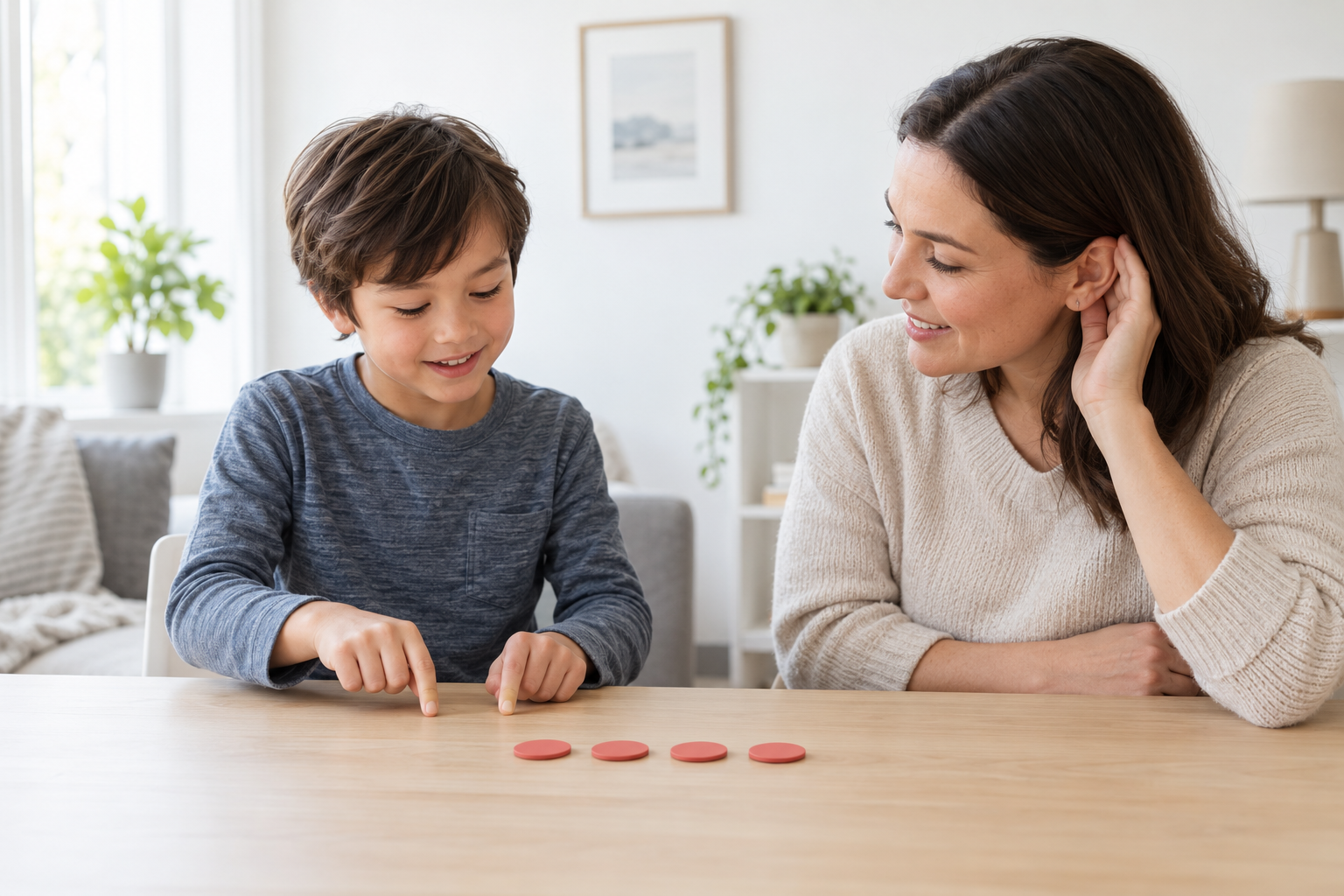
Why does my child barely make a sound on the piano?
Listen for the pattern before changing it. A faint sound can have several ordinary beginner causes, and each one points to a different next step.
The child is trying not to make a mistake
Some beginners approach an uncertain note as if touching it lightly will make the mistake smaller. The hand hesitates, the key travels only partway, and the note may not sound at all. This is often more about confidence and preparation than volume. Confirm the starting place and practice two or three notes that the child can play calmly.
The fingers are doing all the work
A child may poke at the keys with isolated fingertips while the wrist and arm stay rigid or disconnected. Asking for more force can add tension without improving the sound. The teacher can help the child coordinate the finger, hand, wrist, and arm in an age-appropriate way.
The child is listening only for correct notes
Finding the right key, using the assigned finger, reading the rhythm, and keeping the beat already demand a lot of attention. Sound quality can temporarily drop out of focus. Once a tiny pattern feels secure, ask the child to listen for one clear beginning to each note.
The instrument or setup is changing the result
Weighted keys, keyboard volume settings, headphones, bench height, and distance from the instrument can all affect what a child hears and how the hands move. Do not assume the child lacks strength. Check that the instrument is on, the volume is reasonable, the seat is stable, and the child can reach comfortably. Keep changes simple and follow the teacher's setup guidance.
The music gets harder and the sound fades
A child may produce a clear tone in an easy song but become faint during a jump, new hand position, second-hand entrance, or difficult rhythm. That is useful information: the musical task may be too large to control all at once. Reduce the section to one small movement and rebuild from there.
What should parents listen for before saying “play louder”?
Choose one short phrase and notice what actually happens:
- Do some notes fail to sound, or is the whole phrase simply quiet?
- Can the child make one clear note when playing slowly?
- Does the sound fade only when both hands begin?
- Does the child tense the shoulders, lock the wrist, or hold the breath?
- Is the child using the teacher's current fingering and setup?
- Does the same problem occur on a different instrument or volume setting?
A clear quiet note is different from a missing or uncertain note. The goal is not maximum volume. It is a sound that begins when intended, lasts for the written value, and fits the musical idea.
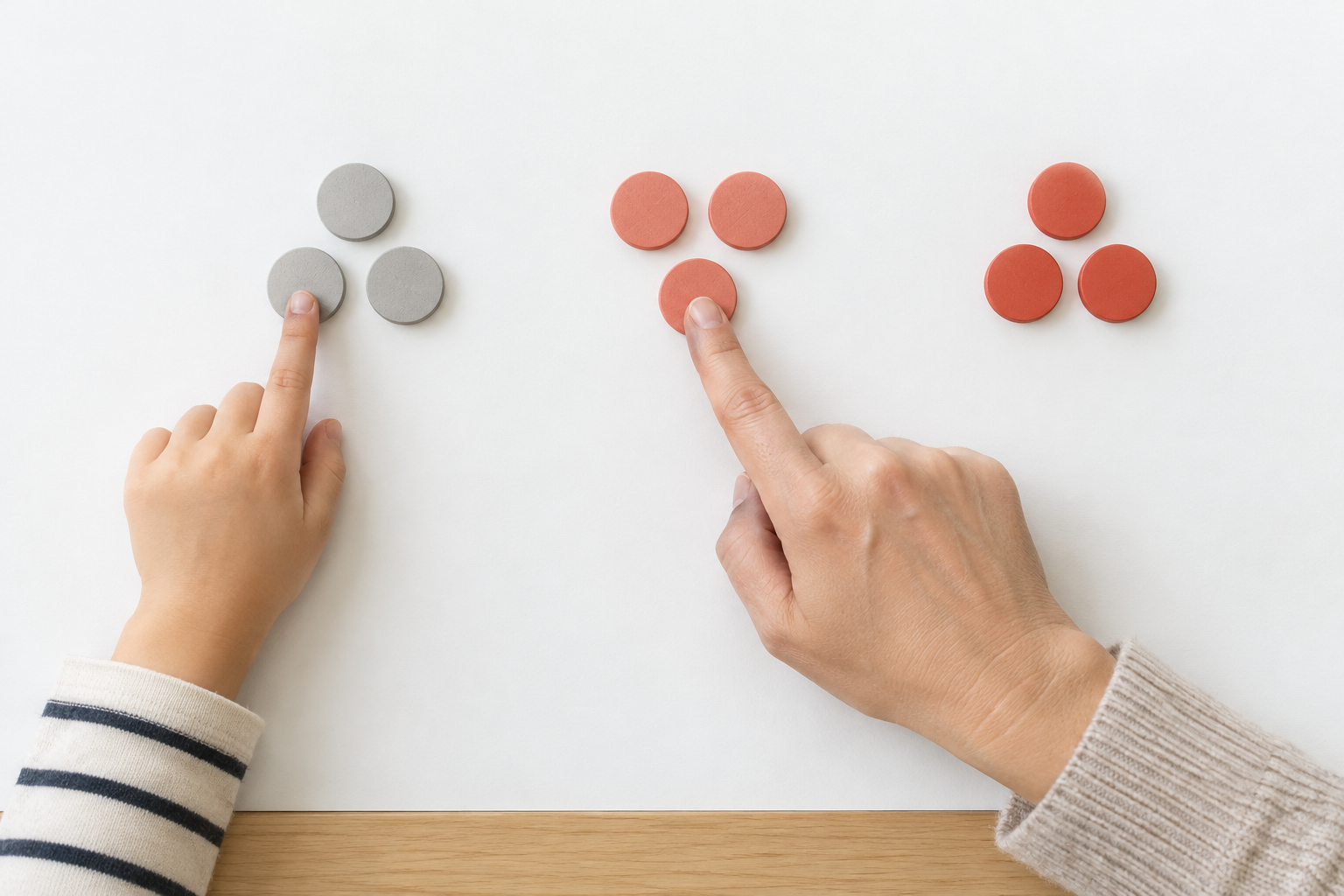
A five-minute “faint, clear, strong” listening routine
Use one comfortable note or a two-note pattern from the current assignment. Keep the activity playful and stop if the child becomes tense.
- Tap three sounds away from the piano. On a table or closed book, make one very faint tap, one clear tap, and one stronger tap. None should hurt or feel forced.
- Name the middle sound. Ask, “Which tap was easiest to hear without feeling hard?” The useful target is usually the clear middle sound, not the strongest one.
- Try one comfortable note. Let the child play a familiar note once. Listen together for a clean beginning rather than judging the child.
- Compare, do not command. Try the note faintly, clearly, and more strongly. Ask which version sounds ready for the song.
- Connect two or three notes. Use the clear sound in a tiny pattern while keeping the wrist and shoulders comfortable.
- Return to the assigned phrase. Play one small section and listen once. Stop after a clear success instead of repeating until the sound becomes tense.
If the child cannot produce a clear sound on one comfortable note, leave the physical technique to the teacher. A home routine should clarify the listening goal, not create a new touch method.
Should children always play piano loudly enough to be heard across the room?
No. Appropriate volume depends on the music, the instrument, the room, and the teacher's assignment. A soft dynamic can still be focused and audible. A strong dynamic should not require hitting, stiffening, or discomfort.
If every note sounds equally soft, the broader guide to helping a child use more than one piano volume explains how to build contrast. If the opposite problem appears, use the guide on pressing piano keys too hard. If the sound changes when the child becomes tense, review the shoulder-tension setup checks.
What can a parent say without becoming the piano teacher?
Use one neutral listening prompt at a time:
- “Can we hear the beginning of each note?”
- “Show me a faint sound, a clear sound, and a strong sound.”
- “Which sound fits this part of the song?”
- “Can you keep that clear sound for two notes?”
- “Does anything feel tight when the music gets louder?”
- “Let's mark this spot and ask your teacher.”
Avoid repeating “louder” through the whole song or comparing the child with another player. Those instructions do not explain what should change. A specific observation—“the first note is clear, but the sound fades when the left hand joins”—gives the teacher much better information.
When should the piano teacher take the lead?
Ask the teacher when notes regularly fail to sound, the child cannot make a clear tone on an easy note, the wrist or shoulders become rigid, the problem appears after a change of instrument, or the child is unsure about the intended dynamic. Bring the exact measure and describe when the sound changes.
Stop the activity and seek appropriate guidance if playing causes pain, numbness, tingling, or persistent discomfort. Parents do not need to diagnose a physical cause. The useful home job is to notice the pattern and share it.
Why a clear sound matters for a beginner
Learning to produce a clear, comfortable tone helps a child connect movement with listening. It supports rhythm, dynamics, balance between the hands, and the confidence to play a phrase without hiding each note. It also teaches that musical control is not a choice between whispering and pounding. There is a useful middle range where the sound speaks and the body stays comfortable.
iPianoLab helps beginners connect songs they enjoy with rhythm, note reading, keyboard geography, coordinated movement, and musical listening. A clear sound is one small step toward playing with intention.
Give your beginner a clearer next musical step
iPianoLab combines engaging songs with structured support for sound, rhythm, note reading, coordination, and confident home practice.
Explore iPianoLab online piano lessons, or choose a program and get started.
Frequently asked questions
Is my child too weak to play piano loudly?
Do not assume that strength is the problem. Setup, coordination, uncertainty, key resistance, and the musical task can all affect the sound. Check the basic instrument and seat setup, then ask the teacher to observe the child's touch.
Why do some piano notes not sound when my child plays?
The key may not be traveling far enough to produce a reliable sound, or the child may be hesitating while finding the note. Try one familiar note at a comfortable pace. If notes still fail to sound, ask the teacher to check the movement and instrument.
Should I tell my child to press the piano keys harder?
Avoid “harder” as the main instruction. It can encourage extra tension. Ask for a clear, comfortable sound and let the teacher guide the physical technique.
Can a soft piano sound still be correct?
Yes. Soft playing can be intentional, focused, and musical. The concern is not quietness by itself; it is whether the notes speak clearly and match the assigned musical idea.
What if my child plays clearly alone but too softly with both hands?
The combined task may be using most of the child's attention. Practice a very small section with each hand separately if that matches the teacher's plan, then reconnect only a few notes and listen for one clear sound at a time.