Why Does My Child Play Piano With One Finger?
Playing a beginner piano song with one finger is often a temporary way for a child to simplify a new task. They may know which notes to play but still be learning finger numbers, hand position, rhythm, or how to move several fingers independently. The useful next step is not to force all five fingers at once. It is to make one small pattern easy enough that the child can use two or three fingers with control.
One-finger playing is especially common when a student is exploring the keyboard, copying a melody by ear, or trying to avoid a finger change they do not remember. Watch what happens before correcting it: does the child lose the beat, slide the same finger from key to key, tense the whole hand, or simply choose one finger because it feels reliable? That observation tells the teacher which skill needs attention.
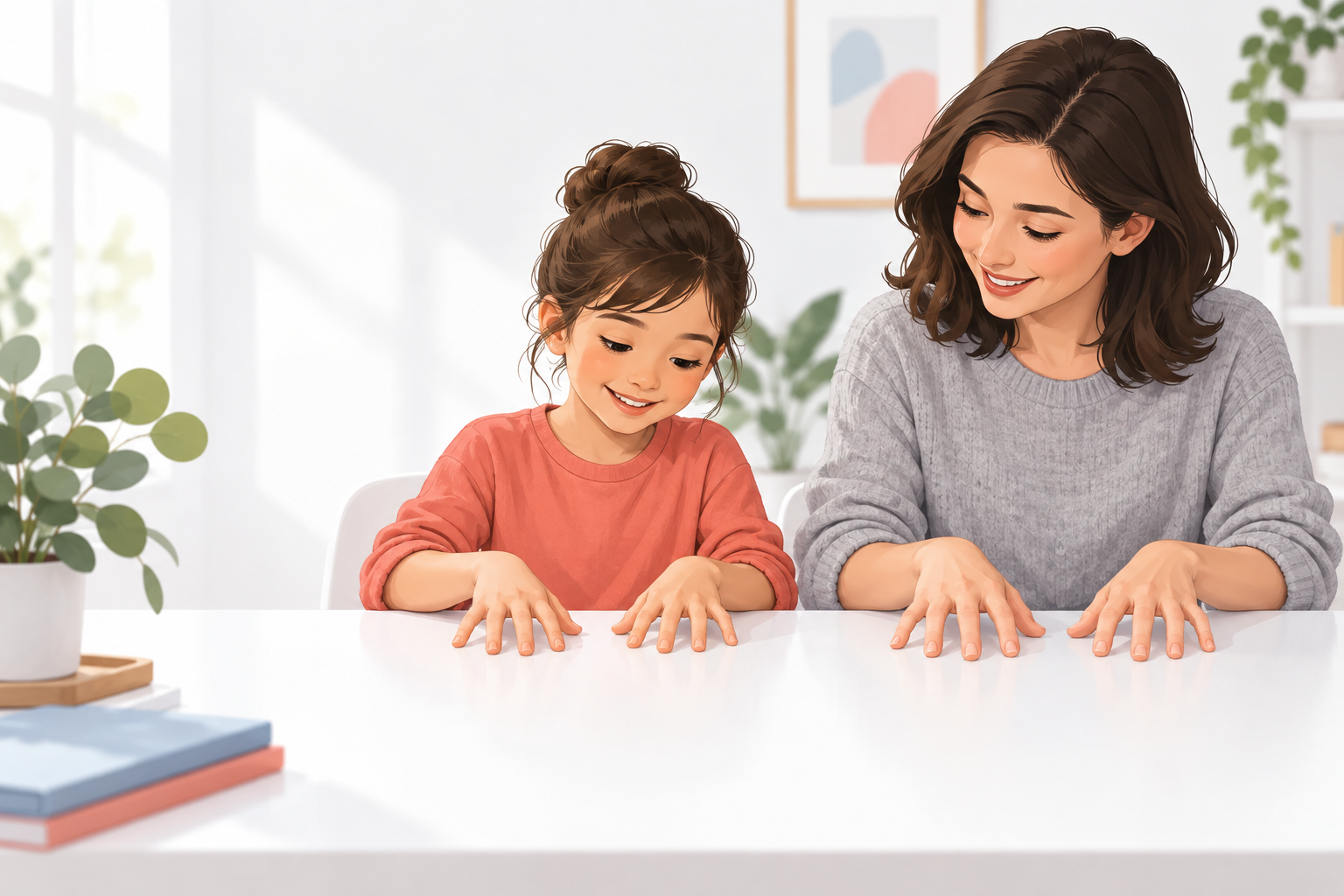
Why does a beginner play piano with one finger?
A short piano phrase asks a beginner to do several jobs at once: find the notes, remember the order, choose fingers, keep a pulse, listen, and continue after a mistake. Using one finger removes one decision. It may not be the long-term technique the teacher wants, but it can reveal that the child understands the melody while finger coordination is still developing.
Common reasons include:
- The melody is new. The child is spending most of their attention on finding the next note.
- Finger numbers are not yet automatic. They may know the notes but forget which finger the assignment asks them to use.
- The hand position changed. A familiar finger pattern may disappear when a song begins on a different note.
- One finger feels dependable. An index finger can seem easier to control than several fingers moving in sequence.
- The task is too large. Playing the whole song may leave no attention for fingering.
- The child learned the tune by ear. They may be reproducing pitches without yet connecting the sound to a planned hand movement.
This is why “use all your fingers” is usually too broad. A better question is: Which two- or three-note movement should become comfortable first? If your child is also stopping between notes, the guide to connecting notes without losing the pulse can help you identify whether searching or fingering is causing the hesitation.
Is playing with one finger normal for a piano beginner?
Yes, it can be normal at the beginning. A child may first learn that the keyboard moves from low sounds to high sounds, copy a short rhythm, or locate a melody with one finger. Those early experiments build listening and keyboard awareness. The child does not need polished technique before the first lesson.
Over time, the teacher should help the student use a comfortable hand position and choose fingers that make the music easier. Look for small changes rather than an instant switch from one finger to five:
- the child begins with the finger the teacher marked;
- two nearby notes use two different fingers;
- the hand stays relaxed instead of twisting to reach every note;
- a short pattern repeats with the same fingering; and
- the child can explain which finger comes next.
Those are useful signs of coordination. They matter more than whether a young beginner can already use every finger in a long song. For a broader view of early skills, see what children with no musical background can learn first.
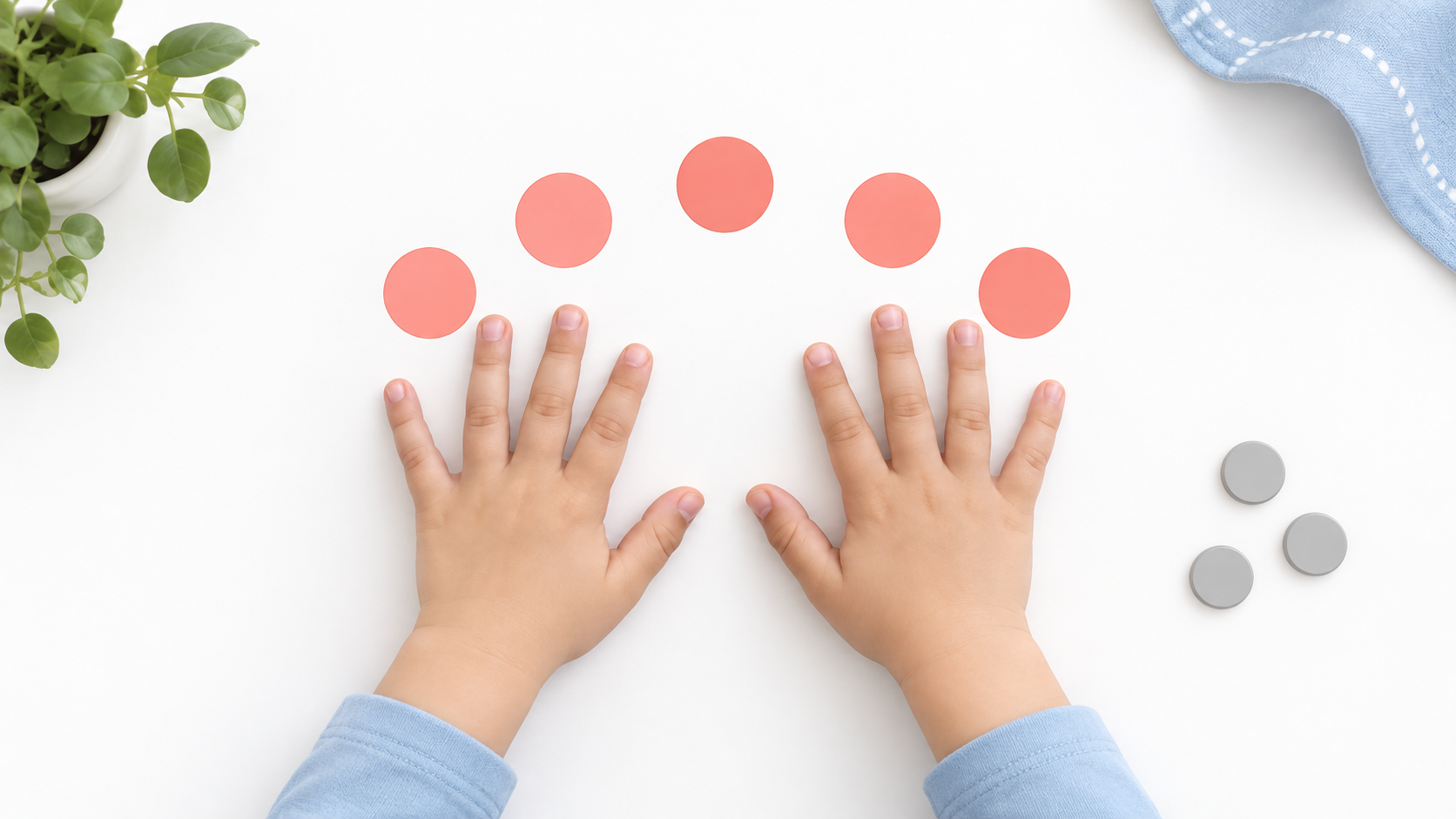
A five-minute routine to help a child use more fingers
Use the notes and fingering from the current lesson. The routine below organizes the practice; it does not replace the teacher’s demonstration.
- Wake up the fingers away from the piano for one minute. Rest both hands on a table. Slowly lift and tap one finger at a time. Keep the wrist quiet and the hand soft. If one finger will not move alone, let neighboring fingers move a little rather than forcing them down.
- Choose only three notes for one minute. Take the smallest assigned pattern and name the fingers it uses. Do not begin with the entire song.
- Prepare before playing for one minute. Place the fingers gently, then ask the child to point out the starting finger and the final finger. A prepared movement is easier than a rushed correction.
- Play, pause, and repeat for one minute. Play the three-note pattern slowly once. Pause. Ask whether the hand stayed relaxed and whether each finger had one clear job. Repeat only once with one improvement.
- Put the pattern back into music for one minute. Play the small phrase that contains the movement, then finish with a familiar part the child enjoys.
The routine should feel like coordination practice, not a hand-strength contest. Small fingers do not need to be pushed flat or held rigidly. Stop if the child reports pain, numbness, or unusual discomfort, and ask the teacher before repeating the movement.
What parents should avoid when correcting one-finger playing
Do not correct every note
If the child must stop after each note for a fingering correction, the phrase can become harder to understand. Choose one short pattern and one goal.
Do not hold the child’s fingers down
A hand learns through active movement and clear feedback. Forcing fingers into place can create tension and does not teach the child how to prepare the movement independently.
Do not demand all five fingers immediately
The next useful step may be two fingers, not five. A child can build from a reliable two-note movement to a three-note group and then a longer pattern.
Do not make speed the reward
Moving one finger quickly across several notes can look fluent while hiding the coordination goal. Let the new fingering become calm and repeatable before asking for more speed.
Do not invent a different fingering
Use the teacher’s assignment when it is clear. If the marking does not fit the child’s hand or the lesson is unclear, save the exact question for the teacher rather than creating a second system at home.
Parents can help most by keeping the target small and noticing effort. The guide to supporting piano practice without becoming the teacher gives a useful boundary for home practice.
Questions to ask your child’s piano teacher
- Which three-note pattern should we practice first?
- Should my child say finger numbers, note names, or count the beat?
- Is the goal a hand position, a finger change, or a steady rhythm?
- Should we practice one hand separately before returning to the song?
- What does a relaxed, successful attempt look and sound like?
- When should we stop and bring the problem back to the lesson?
If the song also asks the child to coordinate both hands, solve the fingering in one hand first. Then use the small-step approach in how to help a child play piano with both hands.
How iPianoLab helps beginners build finger coordination
iPianoLab helps children and beginning students play songs they enjoy early while building keyboard geography, rhythm, counting, note reading, two-hand coordination, melody, chords, and music literacy through a structured learning path. Finger control develops inside understandable musical tasks instead of becoming a long list of drills.
Explore iPianoLab online learning for a flexible beginner path, or choose an iPianoLab program for your child.
Frequently asked questions
At what age should a child use all five fingers on piano?
There is no single age. Readiness depends on the child’s lesson, hand comfort, attention, and experience. Many beginners first use two- or three-finger patterns, then expand as the movement becomes clear.
Should I stop my child from playing songs with one finger?
Not automatically. One-finger exploration can be useful, especially when a child is finding a tune by ear. For assigned music, ask which short pattern should use specific fingers and practice that small movement.
How can my child remember piano finger numbers?
Use the teacher’s marked pattern, name only the fingers needed for a tiny section, prepare them before playing, and repeat the same movement slowly. Avoid quizzing all ten fingers while the child is also trying to read and keep time.
Why does my child’s little finger feel weak at the piano?
The smaller finger may feel less independent, and the hand may be tense or poorly positioned. Do not force it down or use painful strength drills. Ask the teacher to check the hand position and choose an age-appropriate movement.
When should I be concerned?
Ask the teacher for help when one-finger playing persists across familiar assigned material, the child cannot understand the requested movement, the hand looks tense, or practice repeatedly causes frustration. Stop and seek appropriate guidance if there is pain, numbness, or unusual discomfort.
Ready for a clear, beginner-friendly next step? Find an iPianoLab program.