How to Tell If Your Child Is Making Progress in Piano Lessons
Parents often ask a very reasonable question after a few weeks of piano lessons: "Is this actually working?" A child may still make mistakes, forget a rhythm, or need reminders to practice. That does not automatically mean lessons are failing.
Beginner progress is usually quieter than a polished recital piece. It shows up in confidence, listening, rhythm, routine, and the ability to recover after a mistake. When you know what to look for, it becomes easier to support your child without turning every practice session into a performance review.
At iPianoLab, becoming PianoFlight in Summer 2026, students play songs they enjoy early, then build fundamentals such as keyboard geography, rhythm, counting, note reading, two-hand coordination, melody, chords, and music literacy.
Start a beginner-friendly piano path
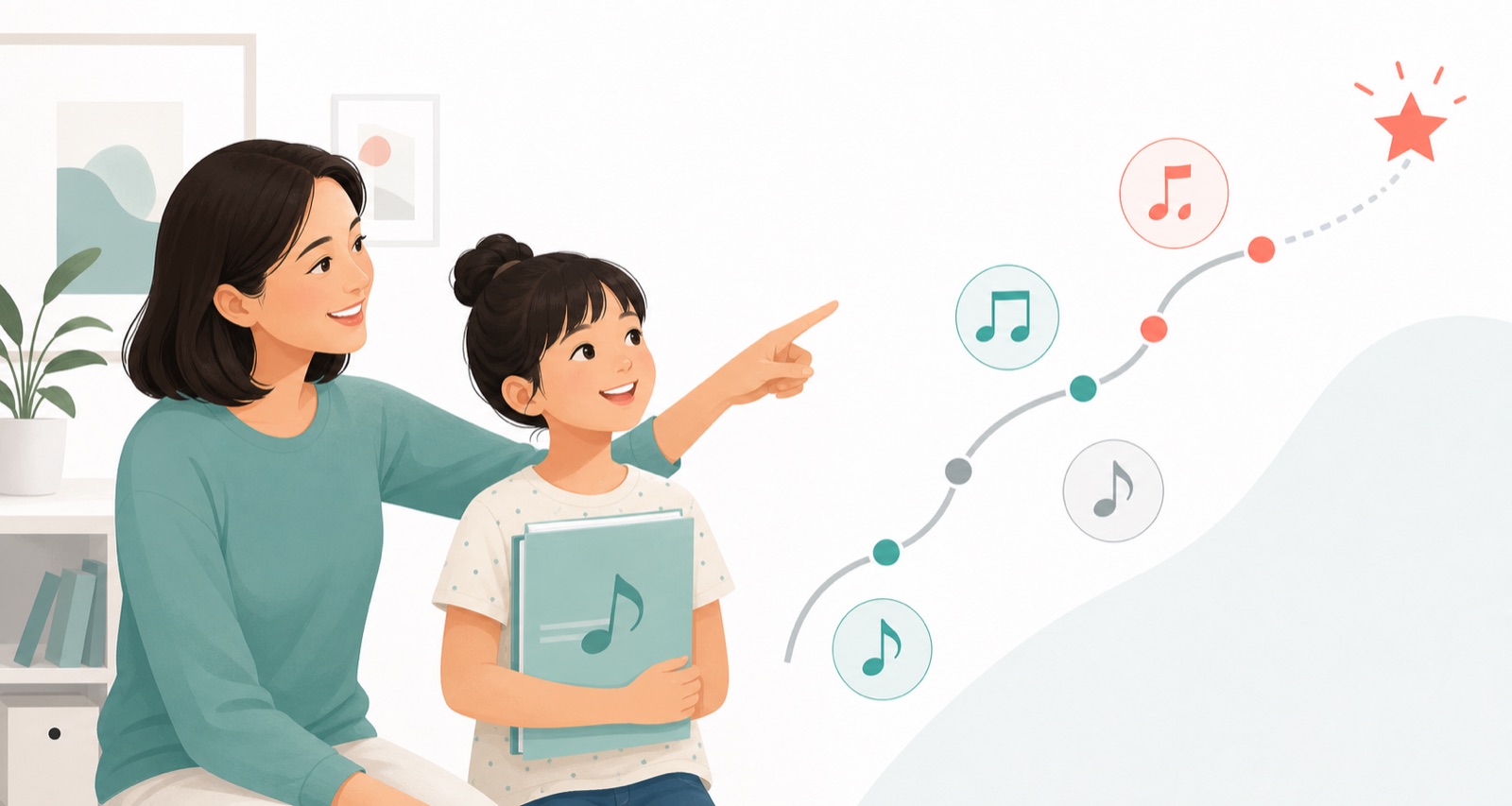
What does progress in beginner piano lessons look like?
Progress means your child is becoming more capable than they were before. For a beginner, that may mean finding notes faster, clapping a rhythm more steadily, remembering where a song starts, or feeling less nervous about trying again.
It does not mean every song is perfect. Piano asks children to listen, count, move both hands, read symbols, remember patterns, and manage frustration all at once. Those skills develop in layers.
Signs your child is making progress
Look for practical changes in how your child approaches music:
- They can start a short song or pattern with less help.
- They remember one or two teacher instructions between lessons.
- They can keep a steadier beat when clapping or playing.
- They notice when something sounds different from the example.
- They recover from a mistake without quitting immediately.
- They can explain one small thing they practiced.
- They are willing to repeat a section to make it better.
Those signs matter because they show growing independence. The goal is not just one finished song. The goal is a child who understands how to learn the next one.
Progress is not always linear
Children may have a strong week, then a distracted week. They may remember a rhythm but forget a note name. They may play well in class and freeze at home. That unevenness is normal, especially for young beginners.
Instead of asking, "Was this practice perfect?" ask, "What is easier than it was last month?" That question points to actual growth.
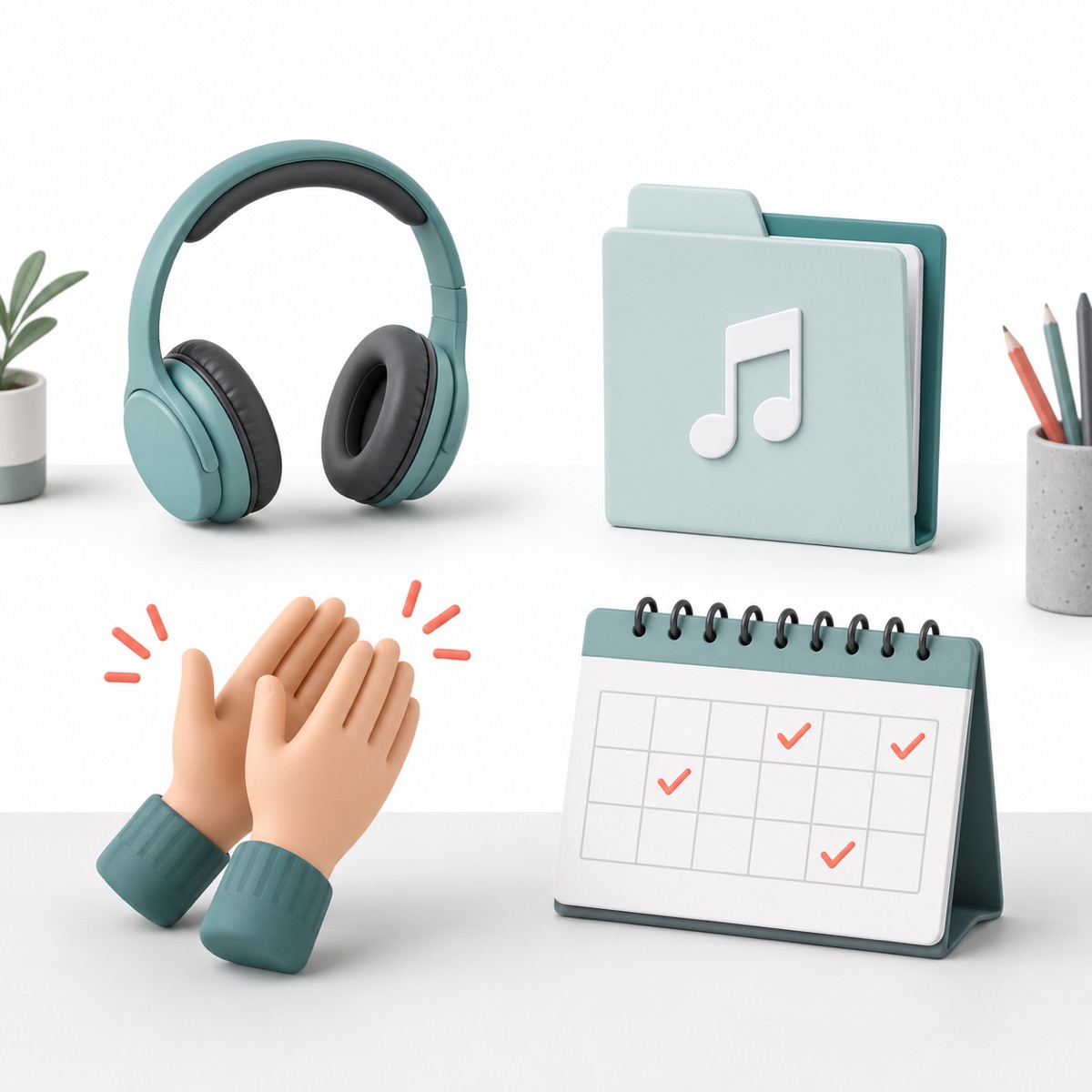
What should children learn early?
A strong beginner program should help children build a foundation without overwhelming them. Early learning should usually include rhythm, listening, keyboard geography, short melodies, simple note patterns, and basic practice routines.
iPianoLab school-based classes commonly meet once weekly for one hour, with levels organized into six lessons. That structure gives children enough repetition to feel progress while keeping goals clear for parents.
Confidence is a musical skill
Confidence is not separate from musicianship. A child who believes "I can try this again" is more likely to practice, listen, and improve. A child who feels defeated may avoid the piano even when they are capable of learning the skill.
Good beginner lessons create early wins, then connect those wins to real fundamentals. A short song can teach steady beat, hand control, pattern recognition, listening, and patience. The win opens the door; the skill keeps the child moving forward.
How much practice should show progress?
For many beginners, short and consistent practice works better than long sessions. Five to ten focused minutes can be enough when the assignment is specific.
A useful home routine might look like this:
- Choose one assigned song, rhythm, or pattern.
- Play or clap it slowly two or three times.
- Notice one thing that improved.
- Stop before the mood turns negative.
Parents do not need to become piano teachers. They need to help protect the routine and keep the assignment small enough to begin.
When should parents be concerned?
It may be time to ask questions if your child consistently does not know what to practice, the class has no clear next step, or every lesson feels disconnected from the one before it. A beginner should not be expected to teach themselves the method at home.
Before assuming piano is not a fit, ask the teacher or program director:
- What skill is my child working on right now?
- What should practice look like this week?
- What would progress look like by the next level?
- Is the song too hard, too easy, or just new?
- How can I support practice without correcting everything?
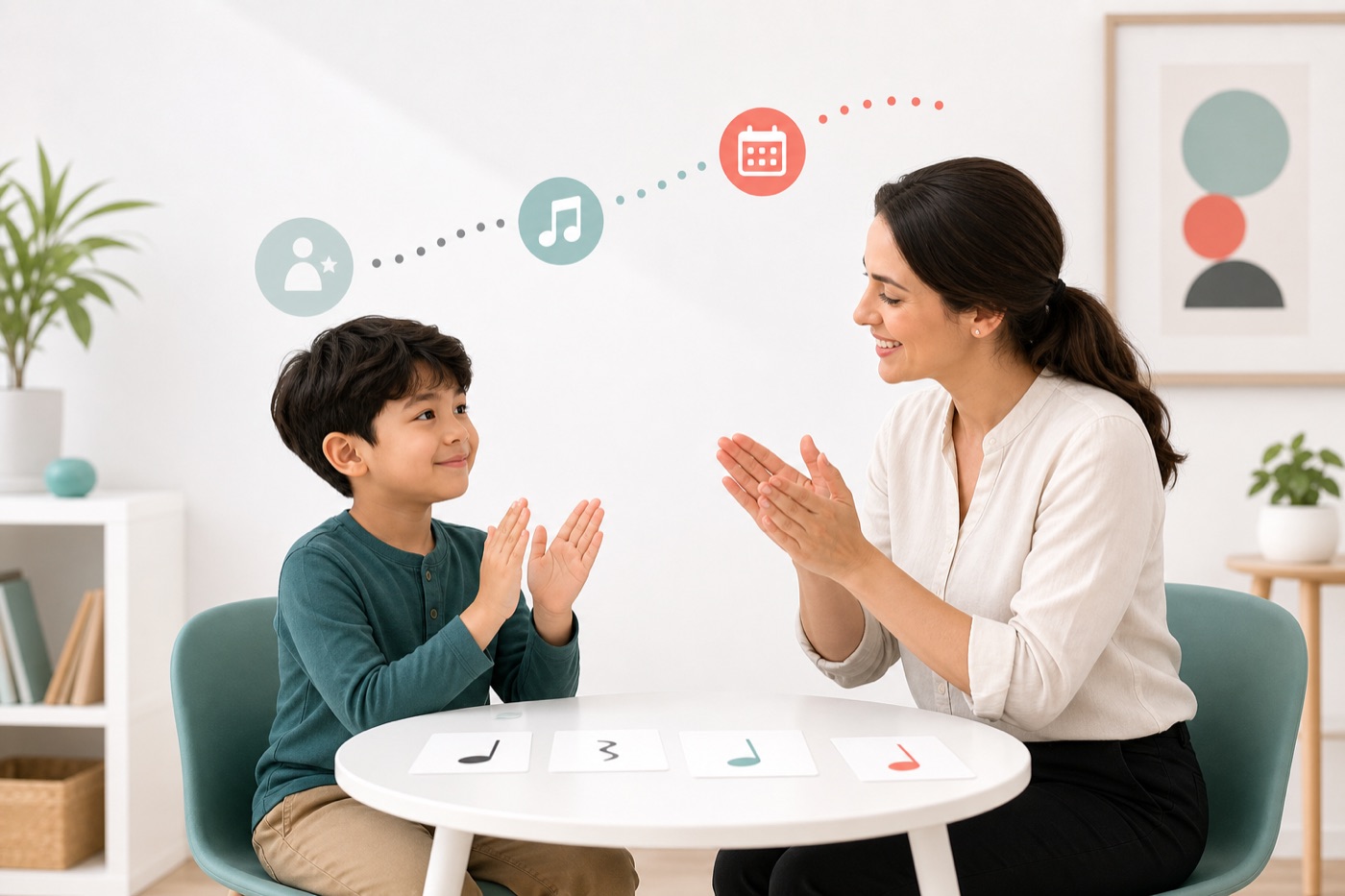
How iPianoLab helps parents see progress
iPianoLab is built for beginning students and busy families. Students start with songs and small musical wins, then build toward keyboard geography, rhythm, counting, note reading, two-hand coordination, melody, chords, and music literacy.
Programs provide keyboards, headphones, books, music, and learning materials for class sessions. Families are encouraged to have a keyboard at home so short practice can stay easy between lessons. If you are choosing a starter instrument, the iPianoLab keyboard buyer's guide can help keep the decision practical.
FAQ: piano lesson progress for kids
How long does it take to see progress in piano lessons?
Many beginners show small progress within the first few lessons, especially in confidence, rhythm, and comfort with the keyboard. Bigger skills, such as note reading and two-hand coordination, take more repetition.
Should my child be able to play full songs right away?
Not always. A beginner-friendly program may start with short songs or patterns that sound musical without overwhelming the child. Those smaller wins build the skills needed for longer songs.
What if my child still makes mistakes?
Mistakes are part of learning. Watch whether your child can notice, slow down, and try again. That recovery is often a better progress sign than a perfect first attempt.
How can parents help without knowing music?
Ask what the assignment is, keep practice short, and notice effort. You can also read the iPianoLab FAQ for parent-friendly program details.
Ready for piano lessons that make progress visible?
The right beginner program helps children feel capable while building real musical skills one step at a time. If your child is curious about music, iPianoLab can help them start with structure, encouragement, and practical progress parents can see.
Explore school-based piano programs, online piano learning, or begin here: