Do Kids Need a Piano at Home to Start Lessons?
Your child does not need an acoustic piano at home before the first lesson. A beginner can start in a school-based class or another lesson setting where an instrument is provided. For steady progress, however, the child will eventually need dependable access to a keyboard or piano between lessons—even if that instrument is a compact digital keyboard rather than a large acoustic piano.
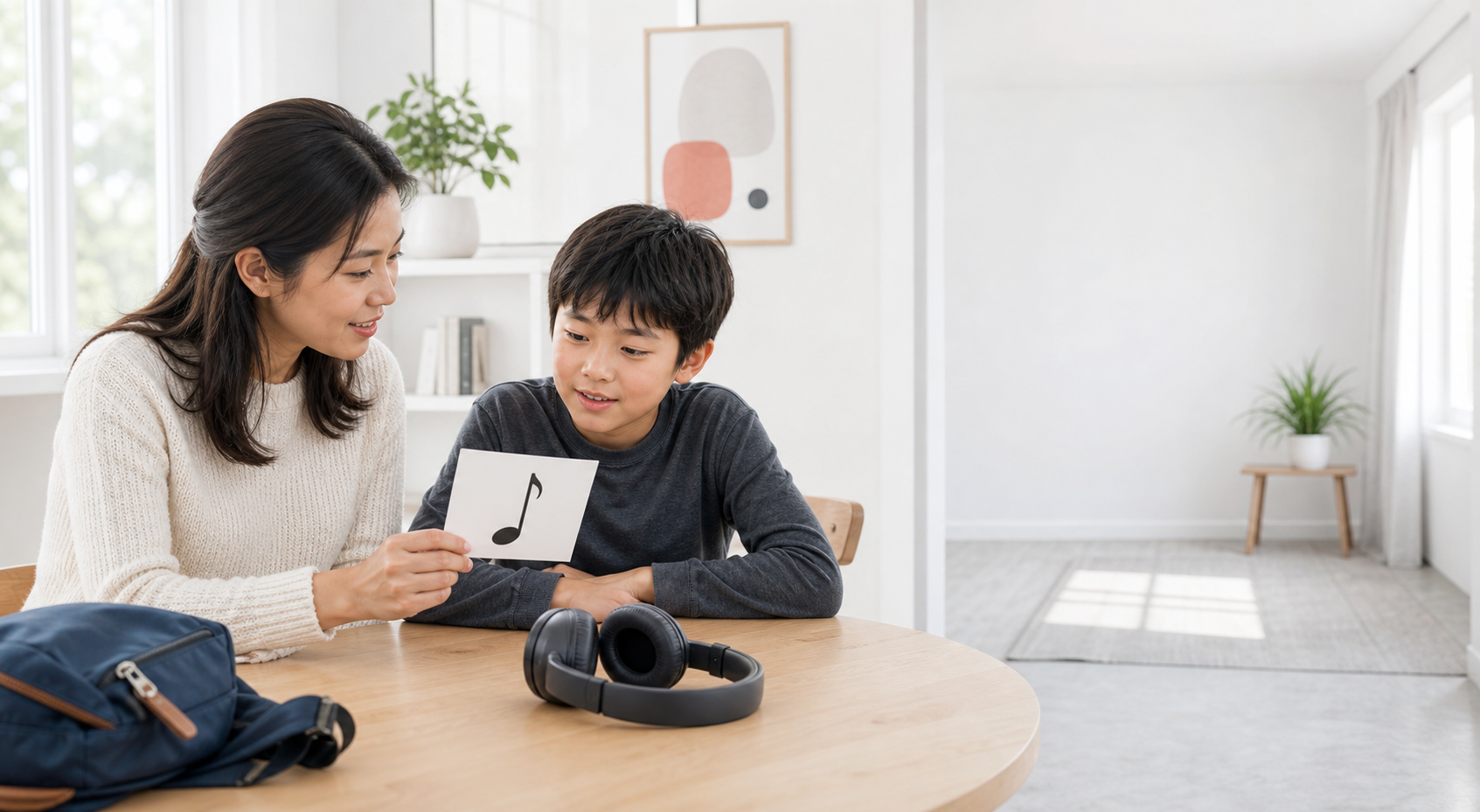
Many parents delay piano lessons because they assume the first step is buying a large instrument. That can turn one decision into three: Which piano should we buy? Where will it fit? What if my child changes their mind?
A calmer order is usually better. First, choose a beginner-friendly lesson path. Next, learn what the teacher or program expects at home. Then choose the simplest instrument that supports the first stage of learning. This gives your child a real chance to begin without forcing the family to solve every equipment question on day one.
The short answer: starting and practicing are different
A child can start lessons without owning a piano when the class, teacher, school, or studio provides one during instruction. But piano is a physical skill. Children build familiarity by returning to the same motions, rhythms, and musical patterns between lessons. That means regular access matters more as the child moves forward.
Think of the first few weeks as a practical test:
- Does your child enjoy the lesson routine?
- Do they want to repeat short activities at home?
- Can the family protect a small practice window?
- What kind of keyboard does the program recommend?
- How much space do you actually have?
If the answers are encouraging, you can choose a home instrument with more confidence.
See current iPianoLab signup options
What can a child learn before a home keyboard arrives?
Not every beginner skill requires keys. A child can practice steady beat, clap short rhythms, listen for high and low sounds, follow a sequence, remember musical directions, and build the habit of starting a short activity. These do not replace time at an instrument, but they can keep the first lessons moving while the family prepares a home setup.
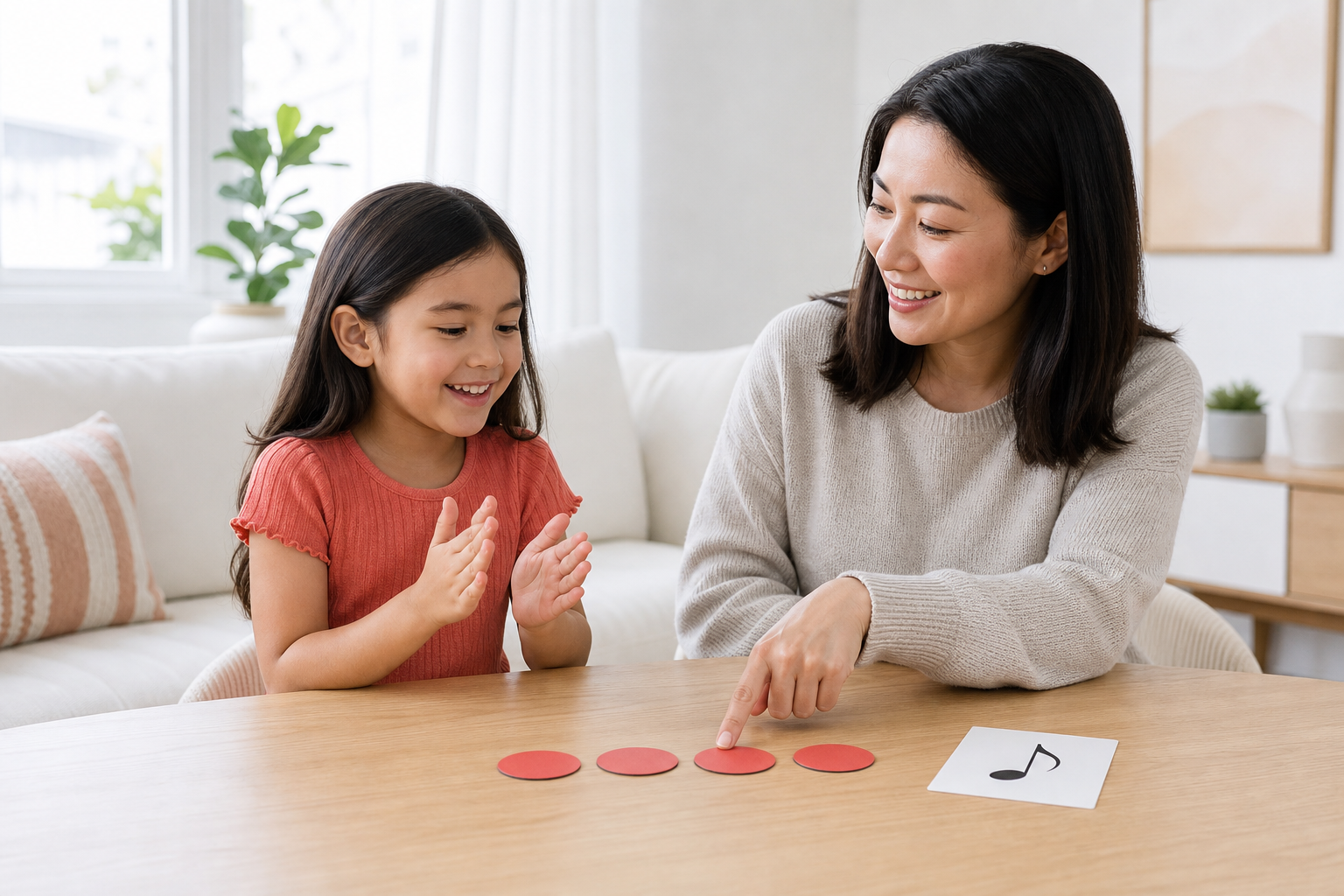
A simple no-keyboard practice moment might take five minutes:
- Clap one rhythm from the lesson.
- Count it slowly and evenly.
- Listen to the assigned song or demonstration.
- Name the first step to try at the next class.
This is a short bridge, not a permanent substitute. Once lessons include specific notes, hand positions, melodies, or two-hand work, the child needs instrument time to turn the explanation into a physical skill.
Four practical ways to begin without buying a piano first
1. Choose a class that provides instruments
Ask exactly what is available during class. iPianoLab school-based classes provide keyboards, headphones, books, music, and learning materials for the class session. Families are encouraged to have a keyboard at home for practice, but they do not need to transport an instrument to the school class.
That can remove the first-day equipment barrier while giving parents time to see how the child responds to lessons. Explore the current school-based iPianoLab path.
2. Ask the program what “beginner keyboard” means
Do not buy from a generic list before you know what the lesson path requires. Ask about the number and size of keys, touch response, stand height, headphones, pedal needs, and whether the instrument will remain useful beyond the first level.
The goal is not to purchase the biggest instrument. It is to avoid a toy-like keyboard that makes the first assignments harder to follow. The iPianoLab first-time keyboard buyer’s guide can help you compare the practical basics.
3. Use temporary access while you decide
Some families borrow an appropriate keyboard, rent one, or use a piano-equipped practice space for a short period. Confirm the instrument is suitable for the lesson assignments and that the access schedule is realistic. An instrument that is technically available but difficult to reach will not support a dependable routine.
For New York City families who need occasional dedicated practice time, Lenox Hill Music Studios offers music-practice rooms with digital pianos. Check the live site for current room details and availability.
4. Start with the space you already have
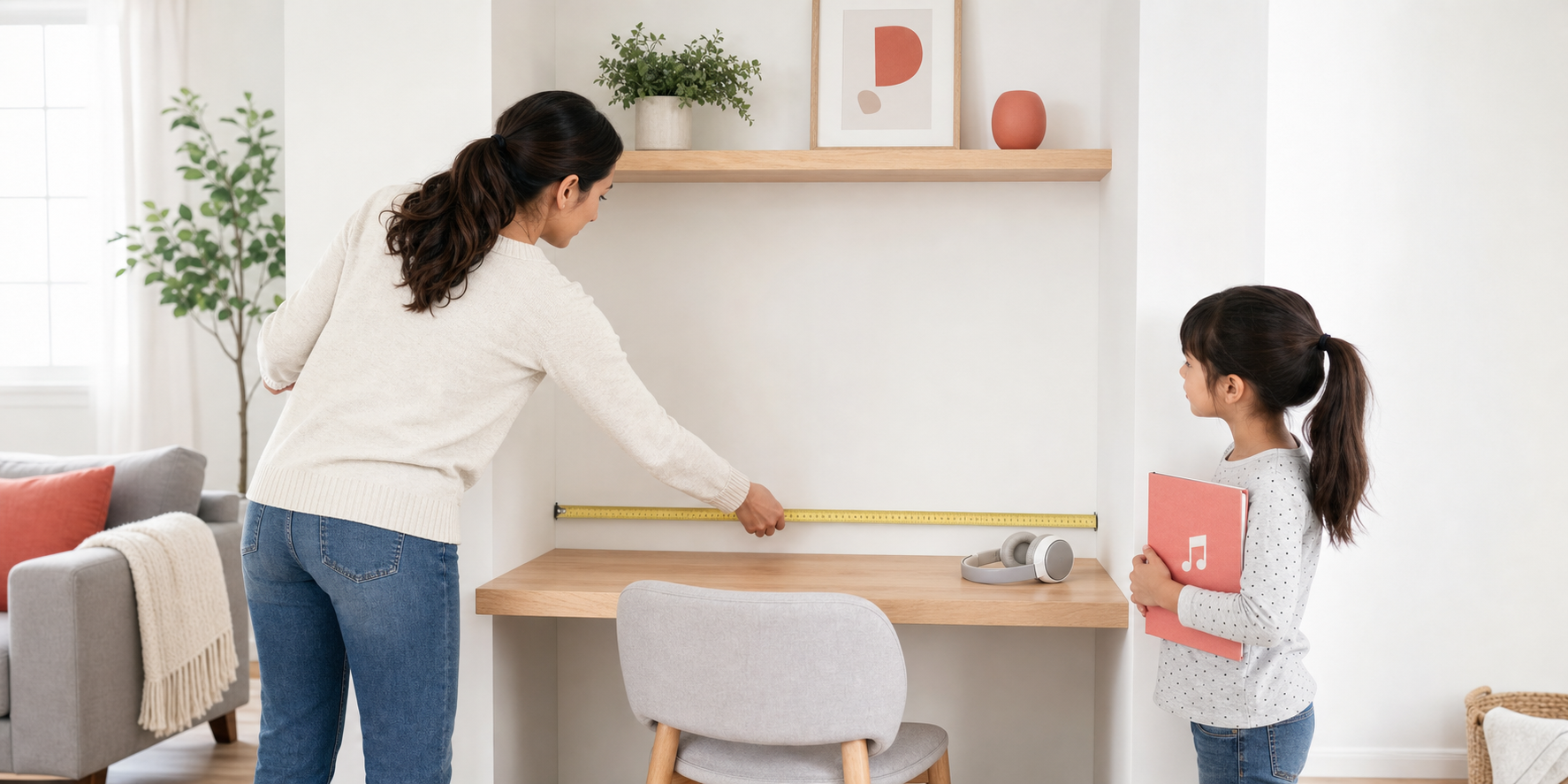
A beginner practice area does not need to look like a formal music room. A stable stand or desk-height surface, a safe seat, power access, and a nearby place for headphones and music may be enough. Measure before you buy so the instrument can stay ready to use instead of being packed away after every session.
How soon does a beginner need a home instrument?
The answer depends on the lesson format and the first assignments. Ask the teacher before enrollment. In general, the need becomes clearer as soon as the child is expected to repeat note patterns, songs, hand positions, or coordination work between meetings.
Watch for these signs that waiting is beginning to limit progress:
- Your child remembers the lesson but has no way to repeat the activity.
- Each class starts by relearning the same physical step.
- The child wants to practice but can only do listening or rhythm work.
- Assignments depend on finding notes, changing hand positions, or coordinating both hands.
- The gap between instrument sessions is long enough that confidence resets each week.
If those signs appear, the solution does not have to be an expensive acoustic piano. It needs to be an instrument the child can use consistently and that fits the program’s current requirements.
What should parents ask before enrolling?
Use these questions to prevent equipment surprises:
- Is an instrument provided during the lesson?
- When will my child first need to practice on keys at home?
- What minimum keyboard features do you recommend?
- Can we start class before the home keyboard arrives?
- How long should beginner practice be?
- What should we do at home during the first week?
- Who can help if we are unsure which instrument fits?
A good answer should be specific enough that you can picture the first week. “Practice regularly” is less useful than knowing the exact activity, expected time, and instrument requirement.
Frequently asked questions
Can a child take piano lessons without owning a piano?
Yes, if the lesson setting provides an appropriate instrument. The child will still need regular access to a keyboard or piano as assignments begin to require repetition between lessons.
Is a digital keyboard okay for a beginner?
Often, yes. The right choice depends on the program’s expectations, the child’s stage, available space, and the features needed for current assignments. Ask the teacher or program before buying.
Do we need 88 keys right away?
Not every beginner needs 88 keys on day one. The appropriate size depends on the curriculum and how long you want the instrument to serve the child. Compare the options in the iPianoLab buyer’s guide and confirm the final choice with the program.
Can rhythm practice replace keyboard practice?
No. Clapping, counting, and listening are useful musical activities, especially during a short equipment gap, but they do not replace the physical work of finding notes and coordinating movements on an instrument.
How much space does a child need?
Enough for a stable instrument surface, safe seating, comfortable arm position, power access, and a small place for lesson materials. Measure the intended area before choosing a keyboard and stand.
Should we buy an instrument before the first lesson?
Not necessarily. First ask what the teacher or program provides and recommends. When possible, use the first lesson or program guidance to make a better-informed purchase.
Start the lesson path, then build the home setup
You do not need to solve the entire piano-buying decision before your child can explore lessons. Choose a path that provides clear beginner support, learn what the first assignments require, and create dependable instrument access as the child begins to repeat skills at home.
Ready to take the first step? Review current iPianoLab locations and enrollment choices, then ask what instrument access your child’s specific class includes.