Fall After-School Piano Classes in NYC: 9 Questions Parents Should Ask
Fall activities in New York City can fill quickly. Between school pickup, homework, transportation, sibling schedules, and limited afternoon time, parents need more than a general promise that a piano class is "fun." They need to know whether the program will actually work during a busy school week.
If you are comparing after-school piano classes in NYC, use the questions below before signup. The right class should make the first month feel clear for both the child and the parent: where to go, what is provided, how beginners are supported, and what practice should look like at home.
iPianoLab, becoming PianoFlight in Summer 2026, helps children play songs they enjoy early while building keyboard geography, rhythm, counting, note reading, two-hand coordination, chords, and music literacy step by step.
Explore iPianoLab NYC classes and lessons

Quick answer: what should parents look for?
A good NYC after-school piano class should have a convenient location, a beginner-friendly level, clear teacher guidance, real keyboard time, included materials, a simple practice plan, and a next step if your child needs more support. For many families, location and schedule decide whether the class becomes a routine or another source of stress.
1. Is the location realistic after school?
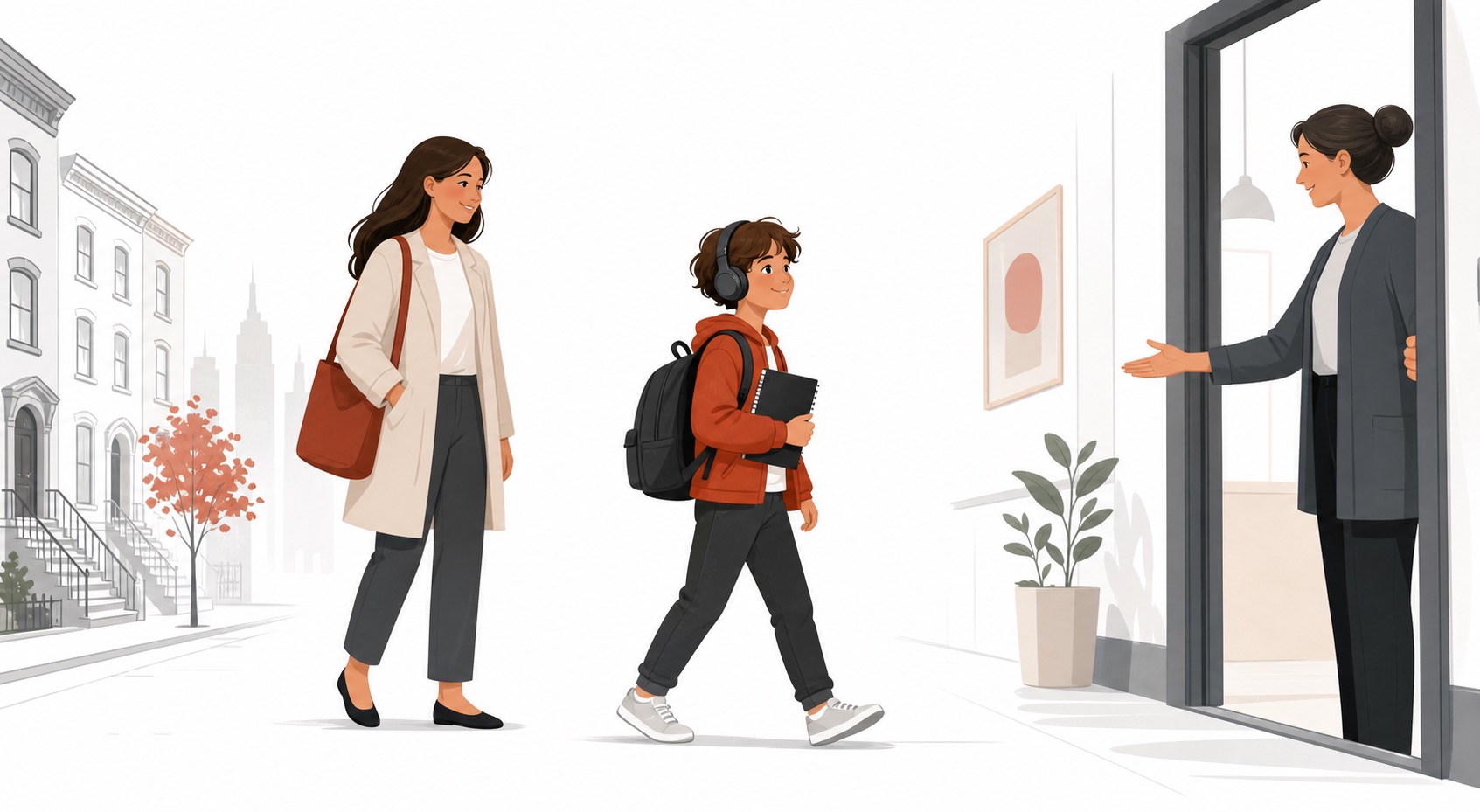
In NYC, a "great" class that is hard to reach may not work. Ask where the class meets, how pickup works, how long the trip takes from school or home, and whether the route is manageable in bad weather.
For Upper East Side families, iPianoLab NYC offers programs connected to the neighborhood, including studio options near Lenox Hill. The practical question is simple: can your child get there calmly and arrive ready to learn?
2. Is the class built for true beginners?
Some children start with no prior piano experience. That should be normal, not a problem. Ask whether the class is designed for first-time beginners and how students are grouped by age or level.
A beginner class should not assume that parents already know music theory, that a child can read notes, or that every student owns a full piano at home. It should begin with concrete skills children can understand: finding keys, hearing rhythm, playing short patterns, and building confidence through songs.
3. What happens during the first month?
The first month should make piano feel approachable. Parents should hear a clear answer about what students typically learn early, how teachers help when children get stuck, and how progress is communicated.
Useful first-month goals include:
- Learning simple keyboard geography.
- Clapping or counting steady rhythms.
- Playing short songs or patterns.
- Following teacher directions at a keyboard.
- Practicing a small assignment at home.
- Trying again after mistakes without shutting down.
For a broader view of beginner program quality, read iPianoLab's guide to what good beginner piano lessons should include.
4. Are keyboards, headphones, books, and materials included?
Materials matter because they affect both cost and readiness. Ask whether keyboards are provided during class, whether headphones are used, which books or digital materials are included, and what your child needs at home.
If you are buying a home instrument, start with practical requirements instead of the most expensive option. iPianoLab's keyboard buyer's guide can help parents choose a beginner-friendly setup.
5. How much home practice is expected?
For young beginners, practice should be short and repeatable. Many children do better with five to ten focused minutes several times per week than with one long session that feels like a battle.
Ask exactly what your child should do between classes. A strong answer might include a short song review, rhythm practice, a tiny section to repeat, and one easy win before stopping.
6. How are parents updated on progress?
Parents do not need a conservatory-level report every week, but they do need to know whether their child is participating, understanding the material, and ready for the next step.
Ask how teachers communicate progress, what parents should watch for at home, and what happens if a child misses a week. This is especially important in NYC, where school calendars, travel, and family schedules can interrupt routines.
7. Is group class, private lesson, or online support the best fit?
Group after-school classes work well for many beginners because they provide structure, teacher support, and group energy. Private lessons can help children who need more individual pacing. Online support can help families keep momentum when travel is hard or when a child needs flexible practice help.
If you are comparing formats, iPianoLab's guide to online piano lessons vs after-school piano classes explains how to choose based on schedule, focus, practice routine, and confidence.
8. What is the recital or performance path?
Not every child needs to perform right away, but a healthy recital path can build confidence when it is handled calmly. Ask whether the program offers recitals, informal sharing, or low-pressure performance opportunities.
The best early performances are not about perfection. They help children finish a piece, listen, recover from small mistakes, and feel proud of real progress.
9. What should we do if our child needs extra local practice space?
Most beginner practice can happen at home with a simple keyboard and headphones. But some NYC families may occasionally need a quiet room for focused practice, audition preparation, coaching, or a small creative session.
When a separate studio space is actually useful, Lenox Hill Music Studios offers hourly studio rentals in the Upper East Side / Lenox Hill area. For ordinary weekly beginner practice, start with the home setup first; use studio space only when the specific need is there.
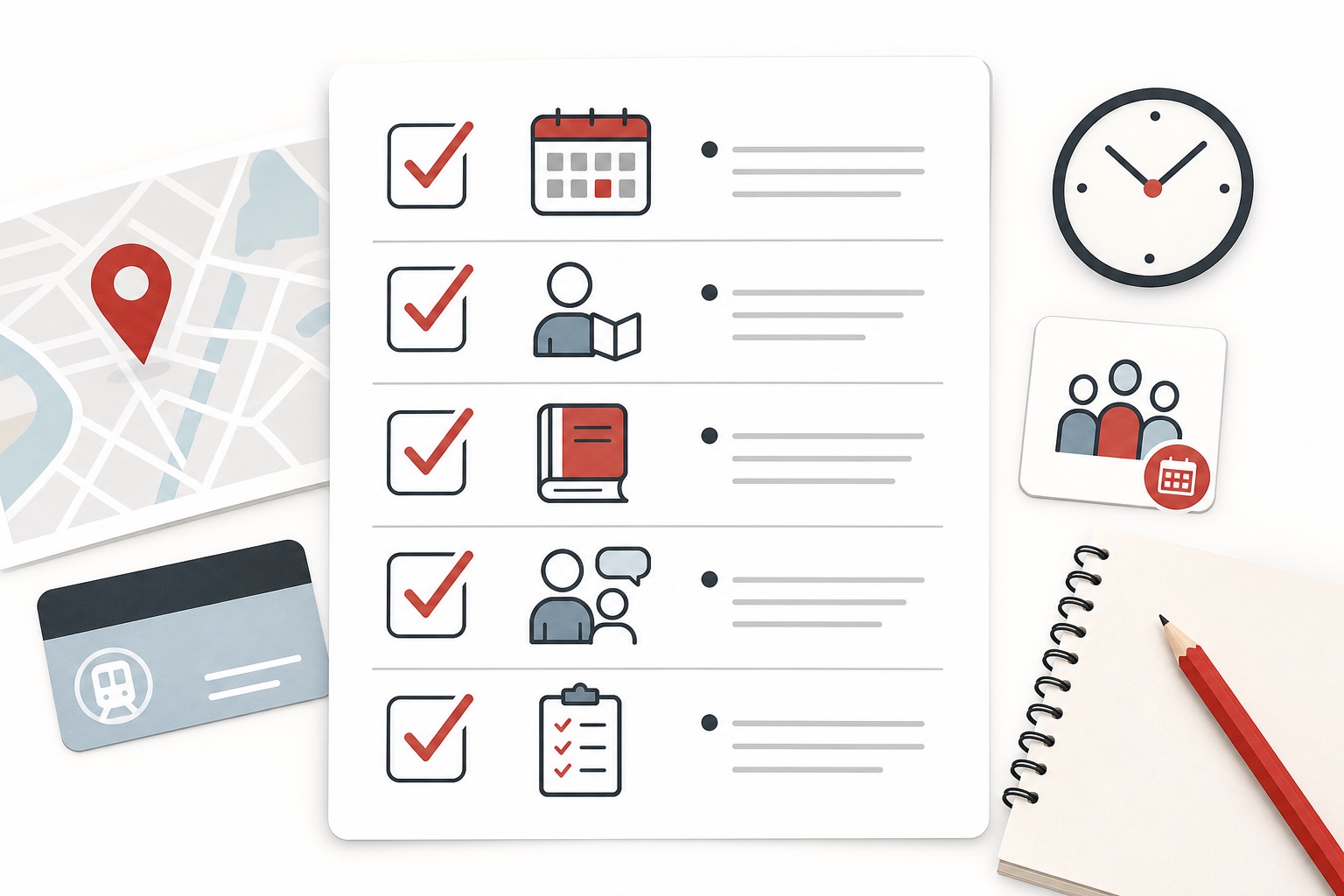
NYC parent signup checklist
Before enrolling, make sure you can answer these questions:
- Where does the class meet, and how will my child get there?
- Is this level appropriate for a first-time beginner?
- Are keyboards, headphones, books, and materials provided?
- What should my child practice at home each week?
- How will I know whether my child is progressing?
- What happens after the first level or first session?
- Is group, private, or online support the right starting point?
For schools and community programs evaluating enrichment options, the iPianoLab school program page explains how the model works in an after-school setting.
FAQ: NYC after-school piano classes for kids
What age is best for after-school piano classes?
Many children can begin once they can follow short directions, sit for a focused activity, and try simple patterns with teacher support. Readiness depends more on attention, comfort, and interest than on a single perfect age.
Does my child need a piano at home?
Not necessarily. Many beginners start with a full-size, touch-sensitive keyboard. The most important thing is that the instrument is easy to keep set up and use for short practice.
Are group piano classes good for beginners?
Yes, when the class is designed for beginners. Group classes can give children structure, peer energy, and teacher guidance, especially when class size and level placement are handled thoughtfully.
How early should NYC parents plan fall classes?
Start before the first weeks of school are packed. Early planning gives families more choice around day, time, location, and level, and it gives children a calmer start.
What if my child is shy or nervous?
Look for a program that builds confidence through small wins, familiar routines, and songs children can enjoy early. A good teacher should help a beginner participate without turning every moment into a performance test.
Ready to choose a fall piano path?
If your family is planning fall activities in NYC, iPianoLab can help you choose a path that fits your child's schedule, level, and learning style. Start with the practical questions, then choose the program your child can attend consistently.