Beginner Piano Lessons for Kids: What a Good Program Should Include
Choosing beginner piano lessons for your child can feel harder than it should. One program promises traditional note reading. Another focuses on popular songs. Some lessons are private, some are online, and some happen after school with a group.
The best starting point is not the fanciest format. It is a program that helps your child play real music early, understand what they are learning, and feel confident enough to keep going.
At iPianoLab, students start with songs they enjoy, then build fundamentals such as rhythm, counting, keyboard geography, note reading, two-hand coordination, melody, chords, and music literacy. Here is what parents should look for before choosing a beginner program.
Find the right piano path for your child

What should beginner piano lessons include?
Beginner piano lessons for kids should include songs, rhythm, listening, keyboard geography, counting, early note reading, hand coordination, and short practice goals. They should also include a teacher or program structure that helps parents know what progress looks like.
That mix matters because children are not just learning where notes are. They are learning how to listen, focus, try again, and connect musical symbols to sounds their hands can make.
1. Songs kids actually want to play
Children usually stay more engaged when music feels recognizable and rewarding. A strong beginner program should let students play short, satisfying songs early while still teaching real fundamentals underneath.
This does not mean skipping music literacy. It means using songs as the doorway. Once a child feels, "I can do this," rhythm, note names, counting, and hand coordination have somewhere useful to go.
2. Rhythm and counting before everything gets complicated
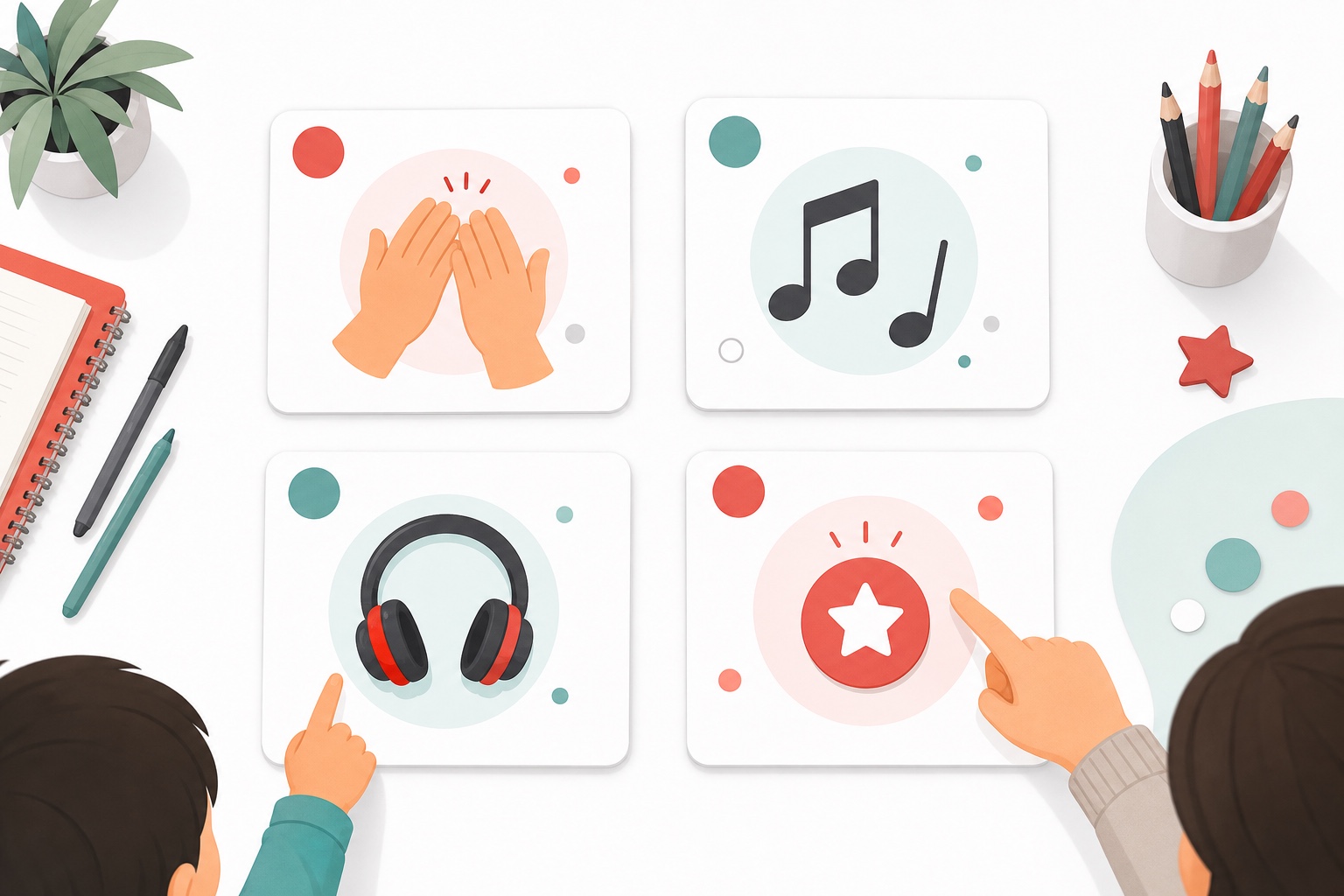
Rhythm is one of the first skills parents can hear. If a child can clap, tap, count, and feel a steady beat, they have a foundation for better playing later.
Look for lessons that make rhythm active. Young beginners often understand rhythm faster when they can move, clap, speak counts out loud, or play short patterns before trying to manage a full song.
3. Keyboard geography and hand confidence
Before note reading becomes useful, children need to understand the keyboard. They should learn where sounds are higher or lower, how patterns repeat, how fingers move, and how to find starting places without panic.
This is one reason a beginner-friendly program should not rush into too much notation too fast. A child who knows where to begin and how to move is more ready to connect the page to the keys.
4. Note reading that arrives at the right time
Parents often ask whether kids need to read music right away. A good program should teach note reading, but it should do it in a sequence that fits the child's readiness.
iPianoLab's FAQ explains that students first learn songs, letter names, basic counting, and rhythms, then move into note reading as the foundation grows. That kind of progression helps beginners build confidence before the page becomes too crowded.
For a deeper look at readiness, read Does My Child Need to Read Music Before Piano Lessons?.
5. A clear practice routine for home
Beginner practice should not be vague. "Go practice piano" is too big for many children. A stronger assignment sounds more like: play the first line twice, clap the rhythm, review the easy song, then name one thing that improved.
Parents do not need to become piano teachers. They need to know what small task will help their child return to the next lesson ready for another step.
If your family is still organizing the setup, the guide to setting up a piano practice space at home can help make short practice easier to repeat.
6. Teacher support that matches your child's age
A good beginner teacher knows how to keep goals small, give clear correction, and protect a child's confidence. That matters just as much as the curriculum.
For younger students, support often includes short activities, repetition, movement, listening, and encouragement after mistakes. For older beginners, support may include more independence, clearer goals, and faster movement toward songs they care about.
7. A format that fits your family's real schedule
The right format is the one your child can attend consistently. Some children thrive in the social energy of after-school classes. Others do well with structured online piano lessons that let them learn from home.
If you are comparing options, read Online Piano Lessons or After-School Piano Classes: Which Fits Your Child?. The best choice depends on your child's focus, schedule, transportation, and learning style.
Questions to ask before signing up
Use these questions when comparing beginner piano lessons for kids:
- Will my child play music early, or only do drills?
- How does the program teach rhythm, counting, and keyboard geography?
- When does note reading begin?
- What should home practice look like each week?
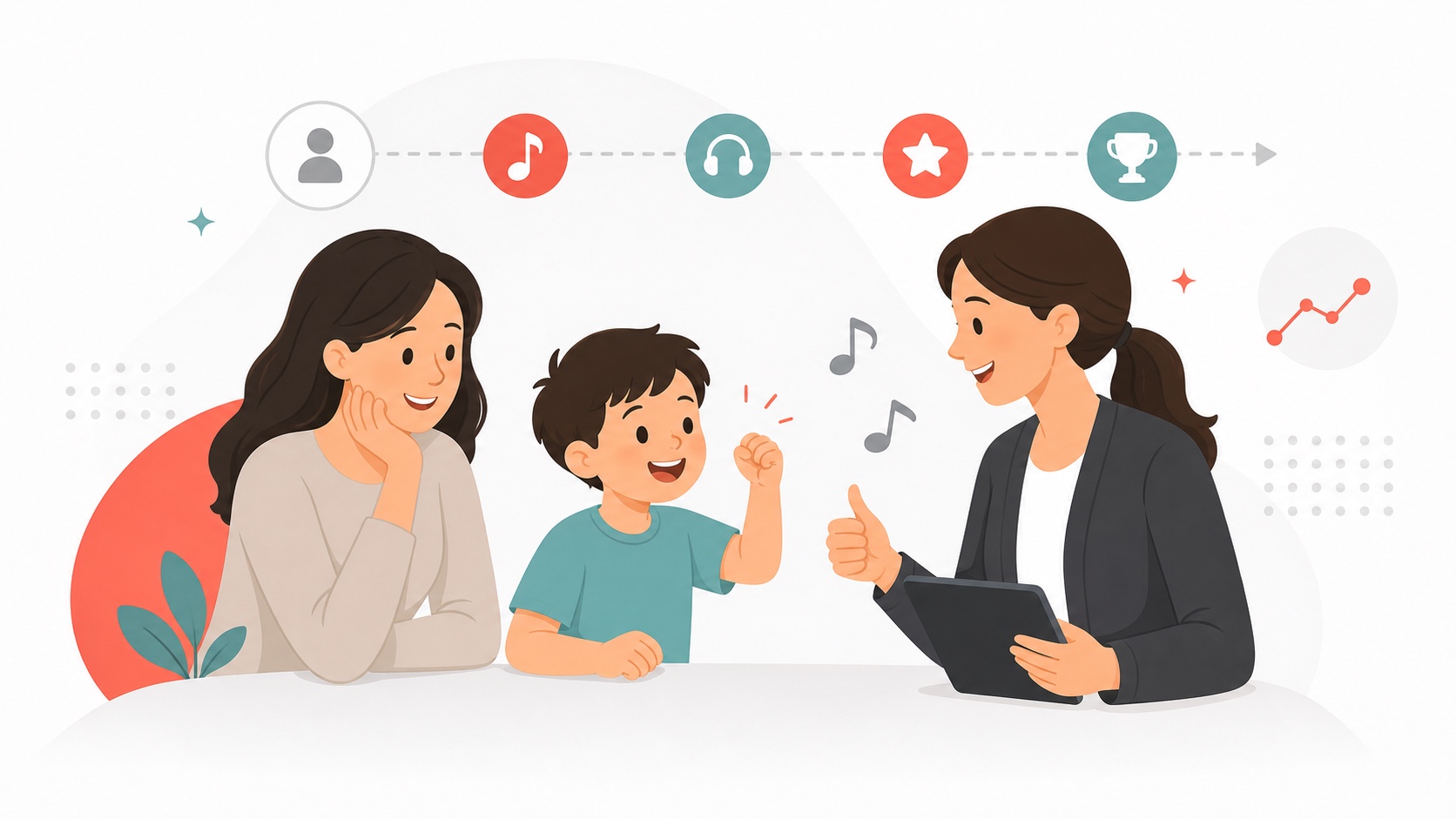
- How will I know whether my child is making progress?
- Does the format fit our schedule consistently?
- What support is available if my child gets frustrated, shy, or distracted?
Those answers will tell you more than a polished sales page. A strong beginner program should make the next step feel clear for both the child and the parent.
How iPianoLab supports beginners
iPianoLab is designed for children who are just beginning. Students play songs they enjoy early, then connect those songs to rhythm, counting, note reading, keyboard geography, two-hand coordination, melody, chords, and music literacy.
Families can choose online learning, school-based piano programs, or start through the main signup path. iPianoLab is becoming PianoFlight in Summer 2026, with the same programs and team under a new name.
FAQ: beginner piano lessons for kids
What is the best age to start beginner piano lessons?
Many children can begin when they can follow short directions, focus for a brief activity, and show curiosity about music. Read the parent guide to what age kids should start piano lessons for more detail.
Do kids need a piano at home before starting?
A full acoustic piano is not always required. Many beginners can start with a practical keyboard they can use consistently at home. The iPianoLab keyboard buyer's guide can help families choose a starter setup.
Are group piano lessons good for beginners?
Group lessons can work well for beginners when the class is structured, age-appropriate, and supported by a teacher who keeps children engaged. The social setting can help some students feel motivated.
How long does it take for kids to make progress?
Beginners can show small signs of progress within the first few lessons: finding notes faster, keeping a steadier beat, remembering a song section, or trying again after a mistake.
Should parents choose private, online, or after-school piano lessons?
Choose the format your child can attend consistently and enjoy. Private lessons, online lessons, and after-school classes can all work when the teaching sequence is clear and the child gets enough support.
Ready to choose a beginner-friendly piano path?
A good beginner program should make music feel possible. If your child is ready to start, look for lessons that combine early songs, real fundamentals, teacher support, and a routine your family can keep.