What Age Should Kids Start Piano Lessons? A Parent Readiness Guide
Parents often ask for the perfect age to start piano lessons. The honest answer is that age matters, but readiness matters more. A child who can listen, try, repeat, and handle a little challenge is usually better prepared than a child who is simply a certain number of years old.
For many families, the best starting window is the early elementary years, when children can follow short directions and enjoy simple musical patterns. Some children are ready earlier. Some do better a little later. The goal is not to rush. The goal is to help your child start piano with confidence instead of pressure.
At iPianoLab, becoming PianoFlight in Summer 2026, students begin with songs they enjoy and then build fundamentals such as keyboard geography, rhythm, counting, note reading, two-hand coordination, melody, chords, and music literacy.
Find a beginner-friendly piano program
What is the best age to start piano lessons?
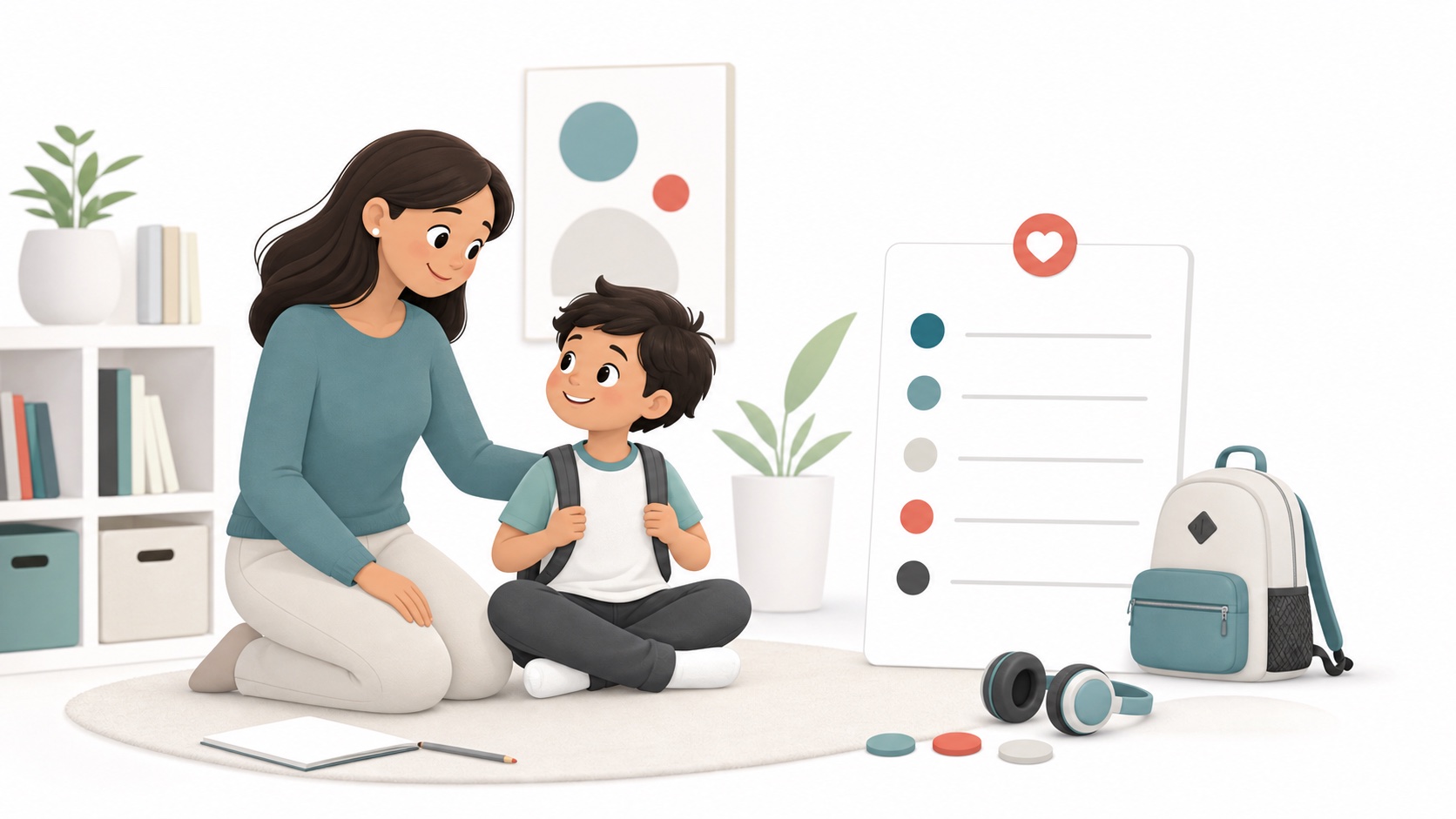
There is no single best age for every child. Many elementary-age children are ready to begin when lessons are designed for beginners, instructions are short, and early music feels achievable. Younger children may also do well when the class includes movement, listening, rhythm games, and very small playing goals.
Instead of asking only, "Is my child old enough?" ask, "Can my child participate in this kind of learning environment?" That question gives parents a better answer.
Five signs your child may be ready
A child does not need to read music before starting. They do not need perfect focus or previous lessons. Readiness usually shows up in small everyday behaviors.
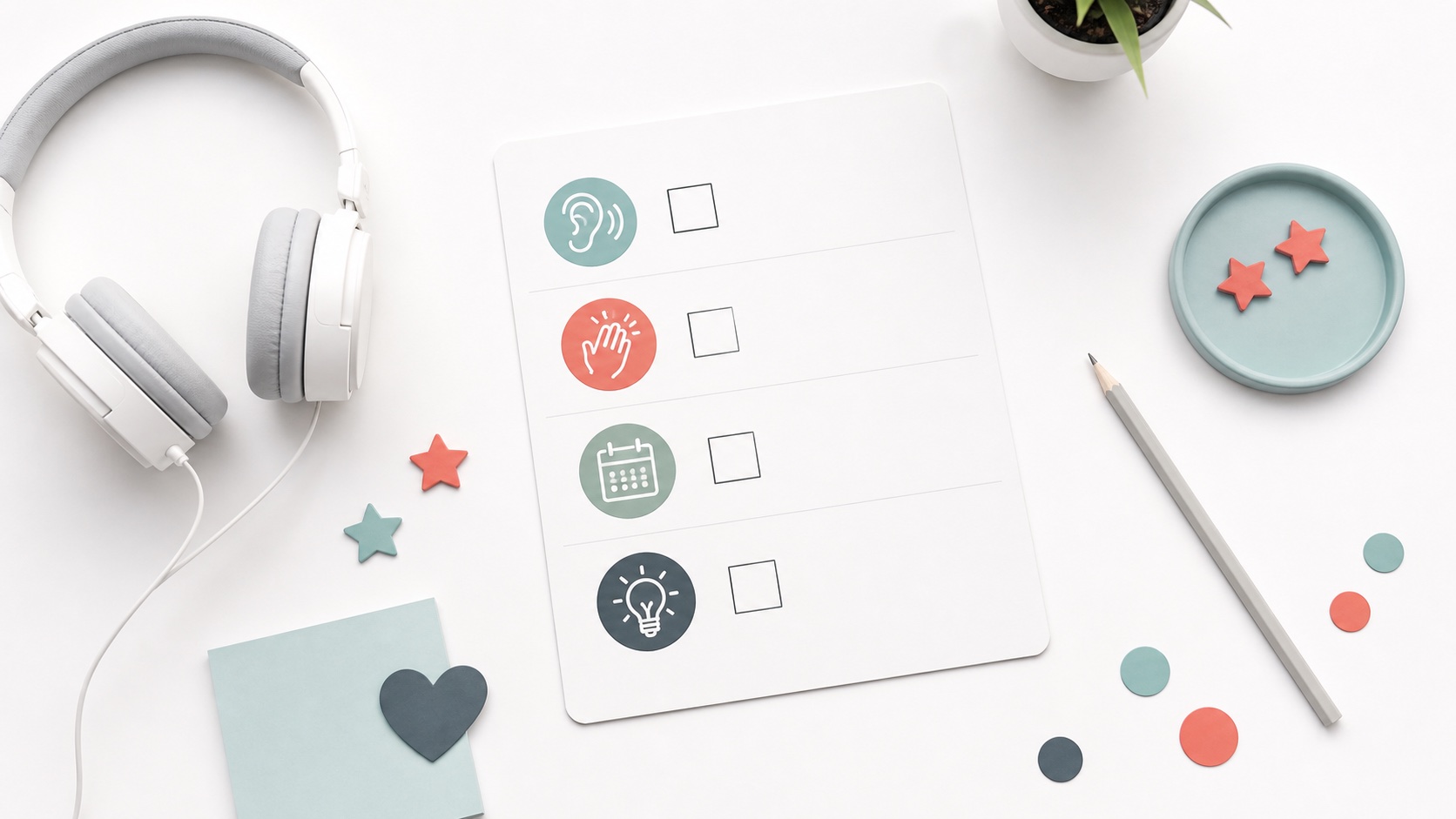
- They can follow one or two short directions at a time.
- They can sit or stand for a short activity without constant redirection.
- They are curious about songs, sounds, rhythm, or instruments.
- They can try again when something is not correct the first time.
- They can practice for a few minutes with parent support.
None of these signs need to be perfect. A good beginner program should expect children to be children. The point is that your child can engage with a simple routine and feel proud of progress.
What if my child is very young?
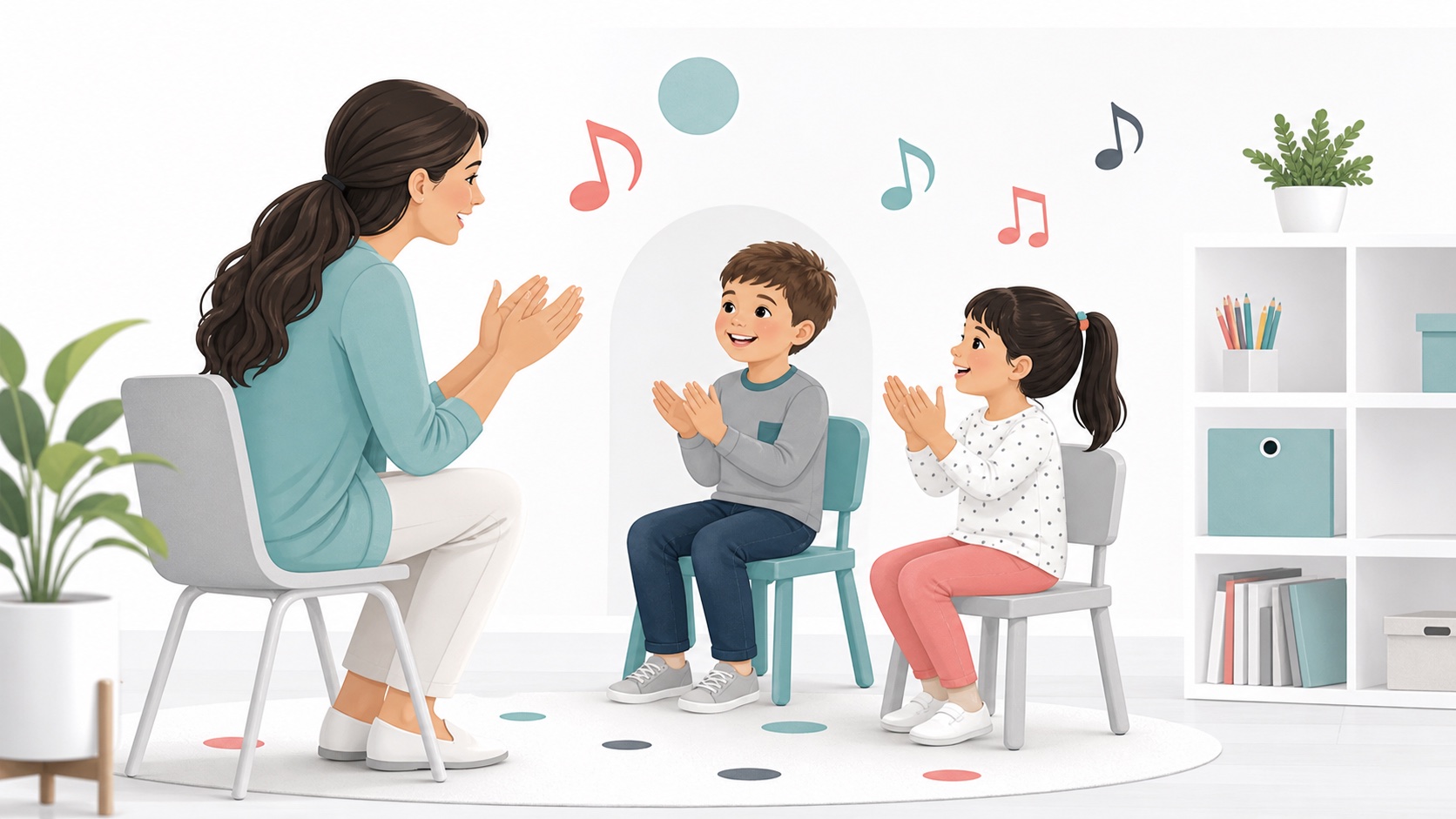
Younger beginners often need lessons that move quickly between listening, rhythm, movement, and short keyboard activities. Long explanations and heavy note reading can make piano feel harder than it needs to feel.
If your child is young, look for a program that can explain exactly how beginners start. The first goal should be comfort with music learning: listen, copy, try, repeat, and celebrate a small win.
What if my child starts later?
Starting later is not a problem. Older beginners often understand instructions faster and may practice more independently. They may also have stronger opinions about the music they like, which can be a real advantage when the program uses songs as a doorway into skills.
The important thing is choosing a level that matches the student, not the student's age. A ten-year-old beginner still deserves a beginner path, just with age-appropriate pacing and music choices.
Group piano can be a strong first step
Private lessons are useful for many students, but group piano can be especially helpful for young beginners when the class is well structured. Children see classmates trying, making mistakes, laughing, and improving. That makes piano feel less intimidating.
A strong group class still needs clear teacher attention, simple checkpoints, and a curriculum that builds real skills. Lively is good. Unfocused is not.
How parents can help before lessons begin
Parents do not need to teach piano before the first class. The most helpful preparation is practical and emotional: make the schedule clear, keep expectations calm, and give your child permission to be new at something.
- Tell your child they will learn one step at a time.
- Choose a realistic lesson time for your family schedule.
- Set up a short home practice routine.
- Keep praise focused on effort and trying again.
- Ask the teacher what one thing to practice between classes.
If your family needs an instrument at home, the iPianoLab keyboard buyer's guide can help you choose a practical starter keyboard without overspending.
What makes iPianoLab beginner-friendly?
iPianoLab is built for children who are new to piano. Students play songs early, but the method is not skill-light. Songs become the way students learn rhythm, counting, keyboard geography, note reading, two-hand coordination, and confidence.
School-based classes commonly meet once weekly for one hour, with levels organized into six lessons. Programs provide keyboards, headphones, books, music, and learning materials for class sessions. Families are encouraged to have a keyboard at home so practice can stay easy between classes.
Families can explore school-based programs, online piano learning, or the parent FAQ for more details.
FAQ: what age should kids start piano lessons?
Can a child start piano before they can read?
Yes, if the program is designed for young beginners. Early piano learning can begin with listening, rhythm, patterns, and simple songs before formal note reading becomes the main focus.
Does my child need a piano at home?
A full acoustic piano is not required for most beginners. A practical starter keyboard can work well for short home practice, especially when assignments are clear.
How long should beginners practice?
Short and consistent usually works best. Five to ten focused minutes can help a beginner remember patterns and feel prepared for the next lesson.
Are group piano lessons good for young kids?
They can be very effective when structured well. Group lessons give children peer energy while still building real musical skills through teacher-led activities.
Ready to start at the right pace?
The best time to start piano is when your child has a beginner-friendly path, a realistic routine, and enough support to feel successful early. If your child is curious about music, iPianoLab can help them begin with confidence.