First 6 Weeks of Piano Lessons for Kids: What Parents Should Expect
Quick answer: in a strong beginner piano program, the first six weeks should help a child feel comfortable at the instrument, play simple songs, count steady rhythms, recognize keyboard geography, build a short practice routine, and finish with a clear next step. The goal is not perfection. The goal is confidence, musical habits, and enough early success that your child wants to keep going.
At iPianoLab, after-school levels are built around six lessons. That makes the first six weeks a useful window for parents: it is long enough to see real progress, but short enough that the routine still feels manageable for a busy family.
Start a beginner-friendly piano path
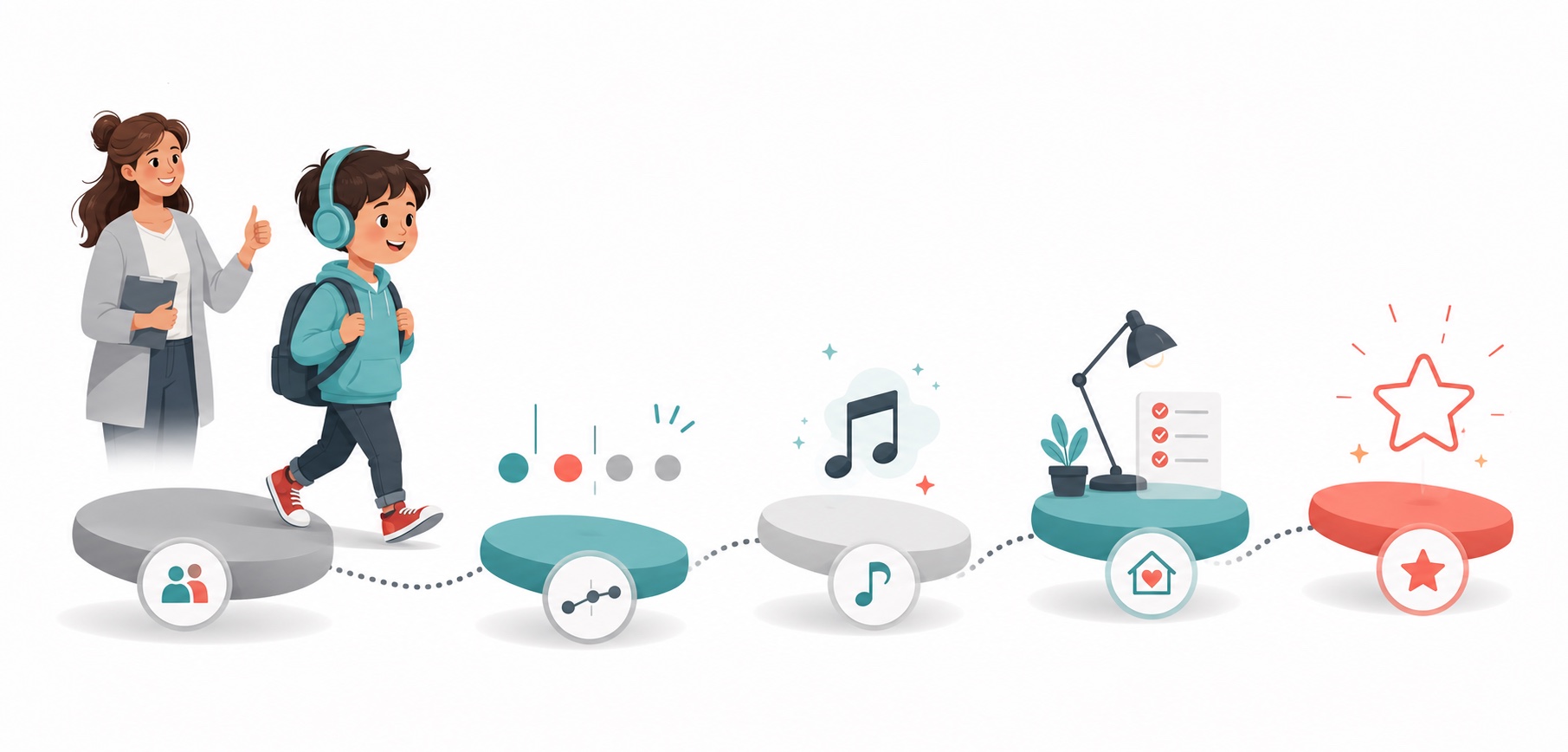
What should happen in week 1?
The first lesson should lower the pressure. A beginner needs to know where to sit, how to listen, how to follow simple rhythm cues, and how to find a few safe starting notes. A good first week usually includes a short song or pattern the child can play right away, even if it uses only a few notes.
Parents should look for comfort more than polish. If your child leaves saying, "I played something," that is a strong first sign.
Weeks 2 and 3: rhythm, counting, and keyboard geography
By the second and third lessons, the program should start connecting fun songs with real music fundamentals. Children can begin counting simple patterns, listening for a steady beat, naming parts of the keyboard, and using fingers with more intention.
This is where iPianoLab's approach matters: students play songs they enjoy early while building the basics underneath. For many beginners, that combination keeps motivation higher than a worksheet-only start.
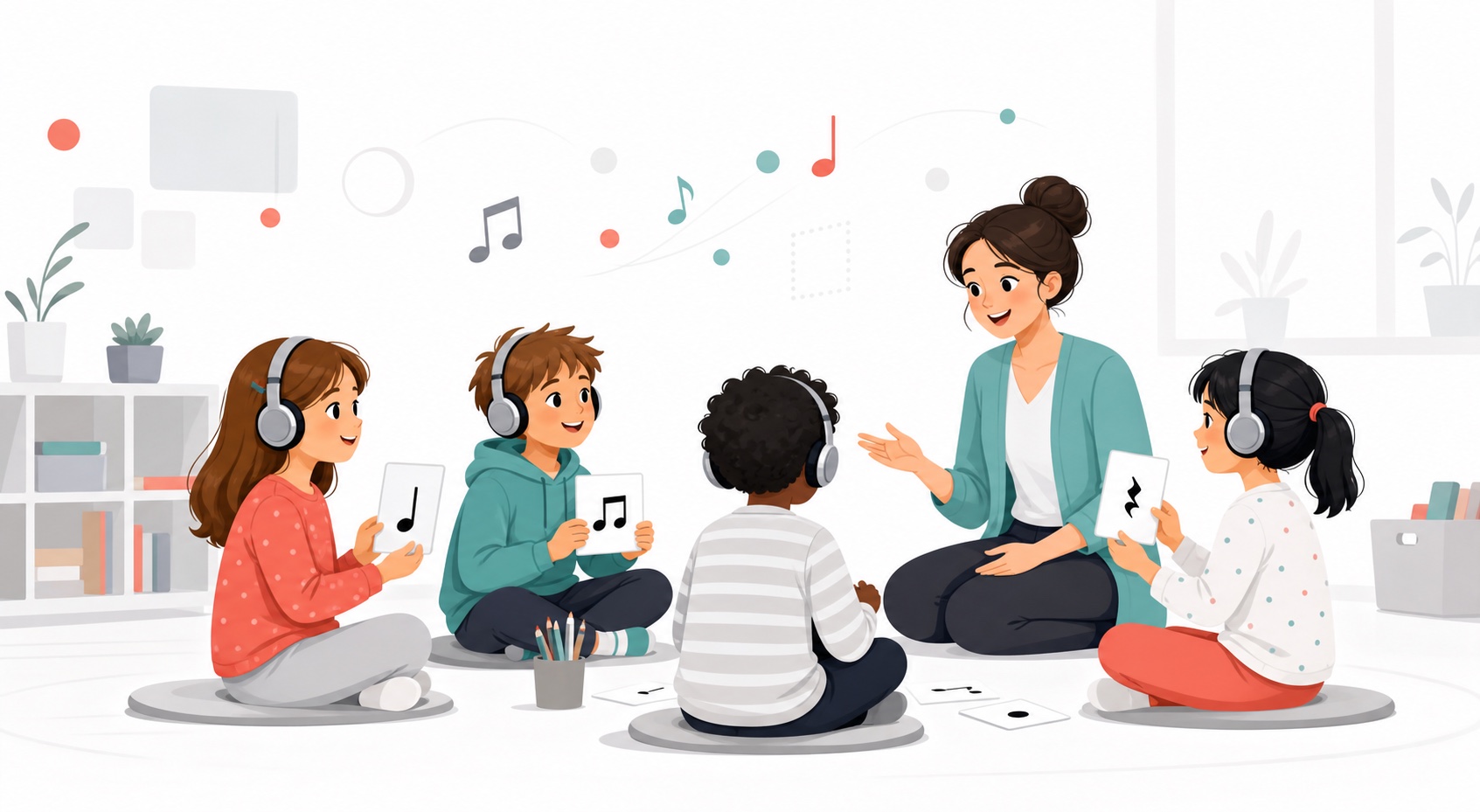
Weeks 4 and 5: two-hand coordination and practice habits
By weeks four and five, parents may notice small but meaningful changes. Your child may remember where a song starts, count before playing, use both hands in a simple pattern, or correct a rhythm after hearing it once. These signs matter because they show learning is becoming repeatable.
Home practice should still be short. Five to ten focused minutes, several days a week, is usually more useful than one long session. Keep the routine simple: open the song, play one small section, celebrate the win, and stop before frustration takes over.
Week 6: review, open house, and the next level
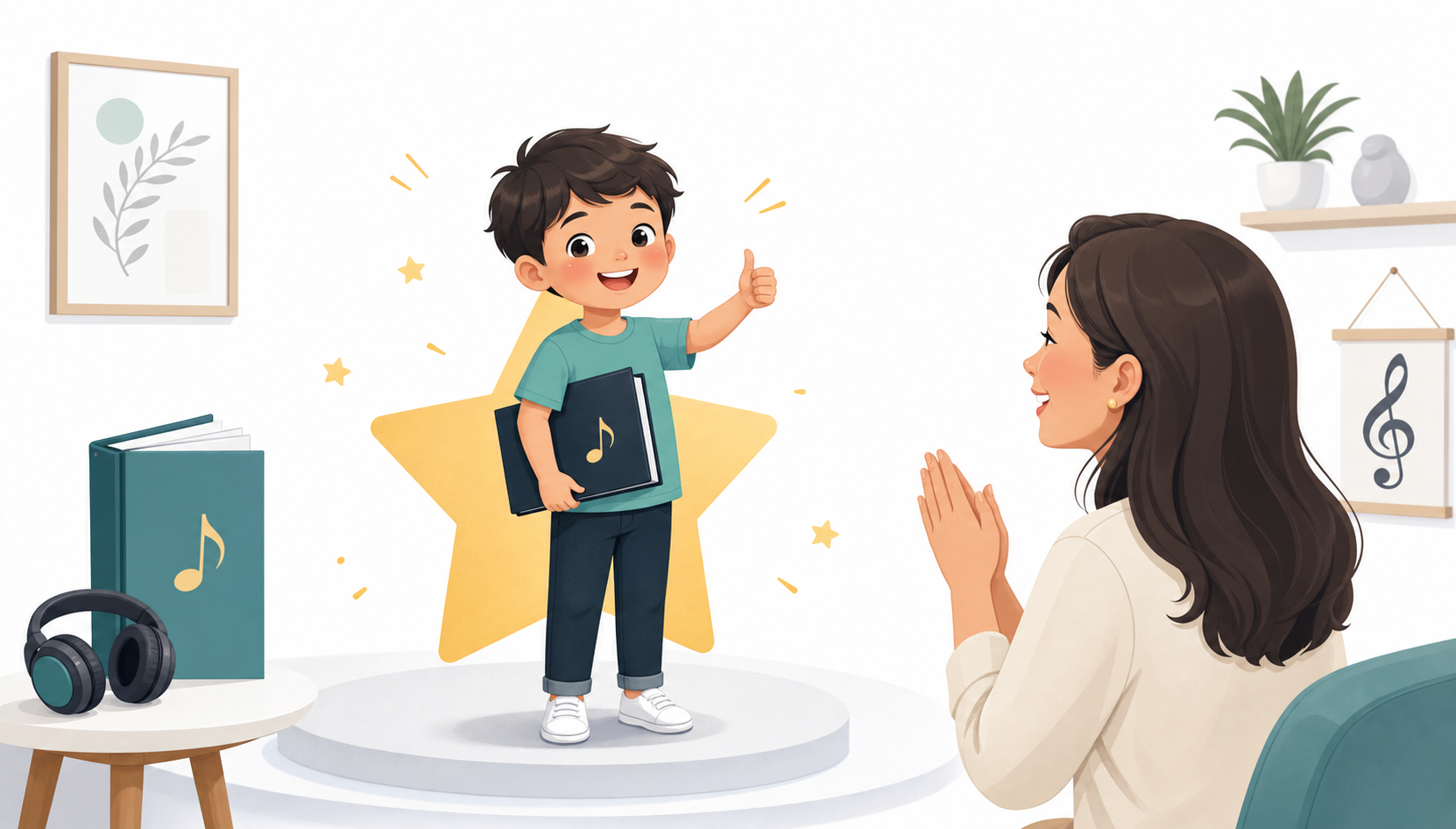
In many iPianoLab after-school classes, the sixth session includes a recital or open-house moment so parents can see progress. This should feel encouraging, not high-pressure. A child might play a short piece, demonstrate a rhythm, or show the skills learned across the level.
After week six, the best question is not "Is my child perfect yet?" It is "Does my child understand the routine and want another step?" If the answer is yes, the next level can build note reading, stronger rhythm, two-hand coordination, and a wider song library.
A simple parent checklist for the first six weeks
- Your child can name or find a few starting notes.
- Your child can follow a simple rhythm or counting cue.
- Your child has played recognizable short songs or patterns.
- Your child is building a short, repeatable practice routine.
- Your child is more comfortable asking questions or trying again.
- You know the recommended next step after the first level.
How parents can help without adding pressure
Keep encouragement specific. Instead of saying only "good job," try "I heard you keep the beat longer today" or "You found the starting notes faster." Specific praise helps children notice the skills they are building.
If you are still choosing a program, compare how each option handles the first few weeks. The best beginner path should include teacher support, clear materials, songs that feel rewarding, and a practical path after the first level. You can also review our beginner piano lesson checklist and our first keyboard buyer's guide before you enroll.
Best next step
If your child is ready to try piano in a structured, beginner-friendly format, start with the path that fits your family. iPianoLab offers after-school piano classes, online piano lessons for kids, and local options including NYC and Upper East Side lessons.
FAQ
How much progress should a child make in six weeks of piano lessons?
A beginner should usually gain comfort, learn simple rhythm and keyboard patterns, and play short songs or exercises. Progress varies by age and practice routine, but confidence and consistency are the main early goals.
Does my child need a keyboard at home for the first six weeks?
For after-school classes, iPianoLab provides keyboards and headphones in class. A simple home keyboard is still helpful for practice between lessons. Many beginners can start with an affordable 61-key keyboard. If you are choosing an instrument, the iPianoLab keyboard buyer's guide can help.
What if my child does not practice every day?
Daily practice is helpful, but short consistent sessions matter more than a perfect schedule. Aim for several calm practice moments each week and keep the task small enough that your child can succeed.
What happens after the first six-week level?
The next level should build on the same foundation with more songs, stronger rhythm, note reading, and two-hand coordination. Your teacher or program should make the next step clear before the level ends.