How Long Does It Take a Child to Learn Piano? A Parent Timeline
Short answer: most children do not "learn piano" all at once. A better parent question is what kind of progress you should see after the first few lessons, the first month, and the first term. In a healthy beginner path, your child should start recognizing the keyboard, keeping a simple beat, playing short patterns or songs, and feeling more confident at the instrument before the work becomes complicated.
That timeline matters because parents often worry too early. If a child cannot read every note after two lessons, that is normal. If practice feels tense every day for a month, that is useful information. The goal is not to rush a child into advanced playing. The goal is to build a steady early win, then add rhythm, notes, two-hand coordination, and musical independence in a way your child can actually keep doing.
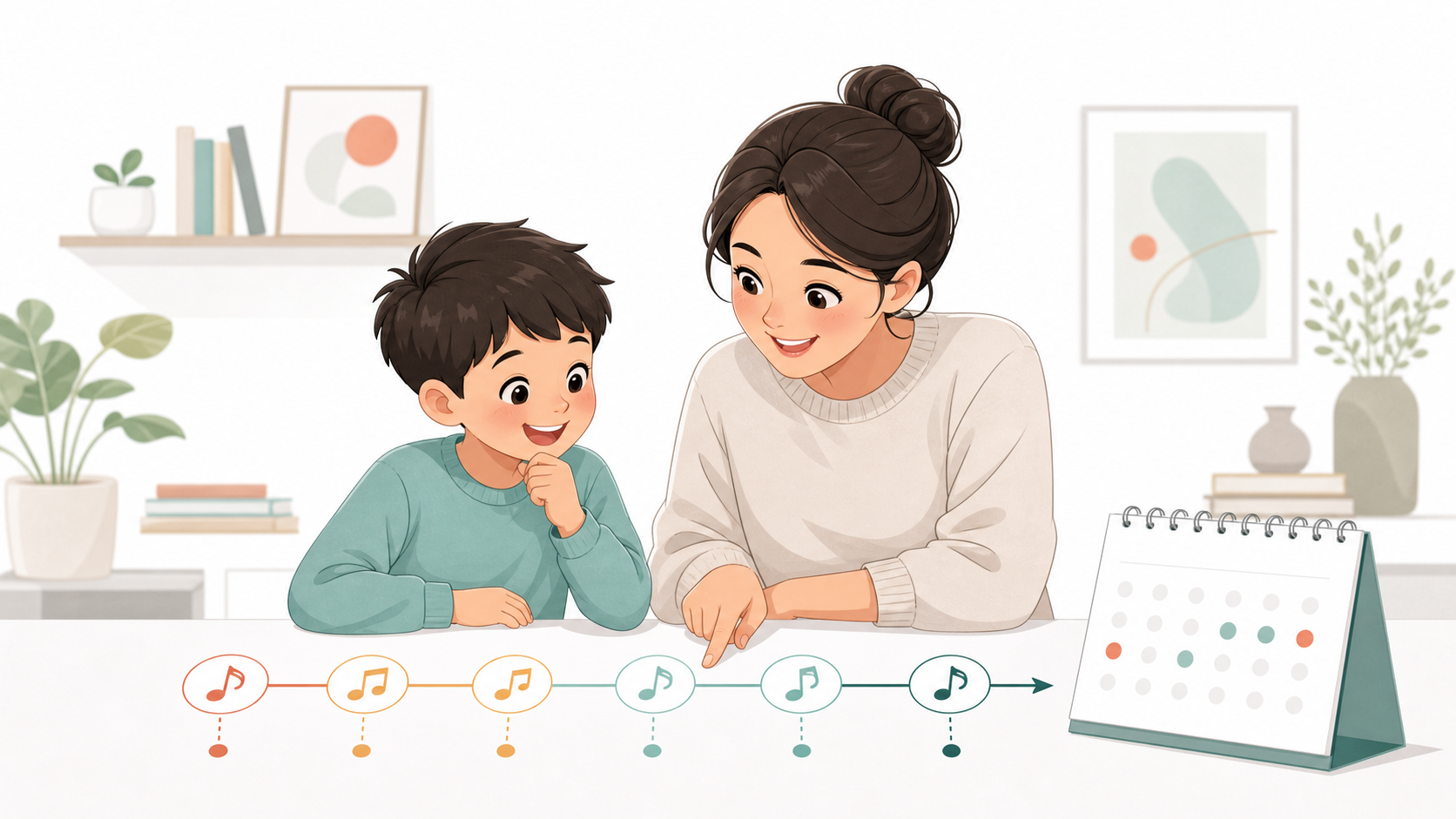
How long does it take a child to learn piano?
A beginner child can often play simple patterns or short songs within the first few lessons when the program starts with accessible songs and clear routines. Reading music, coordinating both hands, playing with steady rhythm, and becoming independent take longer. For many families, the first useful checkpoint is not "Can my child play piano?" It is "Does my child understand what to do when they sit down?"
At iPianoLab, beginner progress is built around early musical success first, then fundamentals. Students work toward keyboard geography, rhythm, counting, note reading, melody, chords, two-hand coordination, and music literacy over time. After-school classes commonly meet once a week for one hour, and levels are structured in six-lesson blocks, so parents can think in terms of small learning cycles instead of one vague long timeline.
A realistic parent timeline
After the first lesson or two
Your child should know where to sit, how to find a few important areas of the keyboard, and how to follow the teacher's first instructions. You may hear simple sounds, short patterns, or the beginning of a song. The most important sign is not polish. It is whether your child leaves believing, "I can do this."
If your child is still unsure, that does not mean the lesson failed. New students are learning the room, the instrument, the teacher, the routine, and the idea of practicing. Some children need a little time before they show confidence at home.
After the first month
By the end of a first month, many children should be more comfortable finding notes, listening for a steady beat, recognizing simple patterns, and remembering parts of the songs they have practiced. You may also see better lesson habits: opening the book or online lesson area, putting hands in the right place, or trying again without starting from the beginning every time.
This is also the point where parents can spot whether the current format fits. A child who loves the group energy of an after-school class may need that social rhythm. A child who needs a slower pace may do better with online learning at home or more teacher support.
After one six-lesson level
A six-lesson block is a practical checkpoint. Your child should have a clearer sense of keyboard geography, basic rhythm, and the learning routine. They may not be fluent yet, but the work should feel less mysterious. If your child can explain what they are practicing, show you a short musical idea, or point to what comes next, that is progress.
If every practice session is still a battle after a full learning cycle, look at the format before blaming the child. The issue might be the practice routine, song choice, lesson pace, or lack of a quiet place to work.
After a school term or semester
After a longer stretch, parents should expect more consistency. Your child may play longer songs, coordinate both hands more often, read more of what is on the page, or understand how rhythm and counting connect to what they hear. Progress will not be perfectly linear. Children often jump forward after a concept finally clicks.
The best sign is growing independence: your child knows how to start, what to repeat, and when to ask for help.
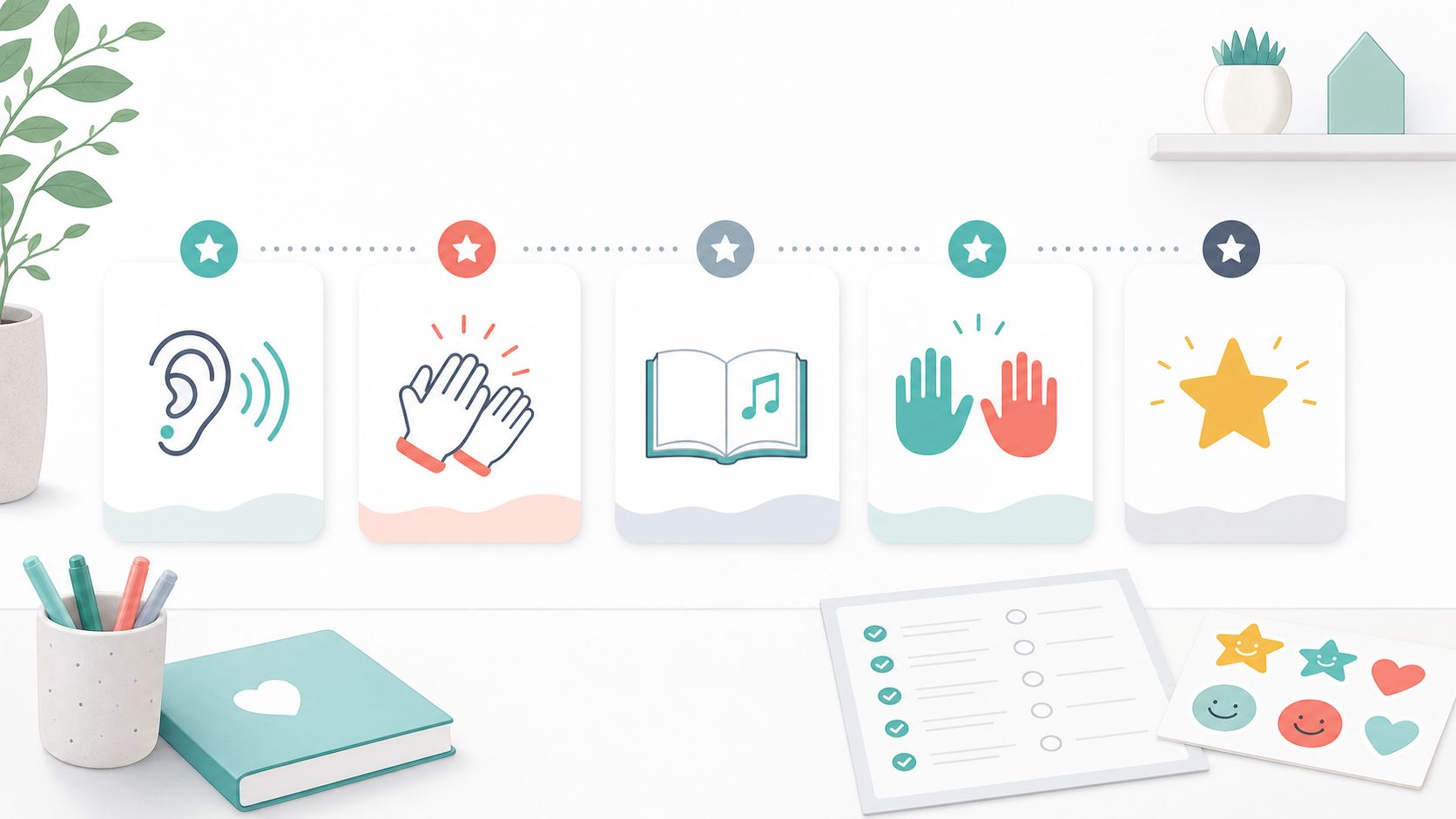
What progress should parents look for?
Look for small, observable signs instead of waiting for a recital-ready song.
- Keyboard confidence: your child can find familiar notes or areas without starting over each time.
- Steady beat: your child can clap, tap, count, or play a simple rhythm more evenly than before.
- Pattern memory: your child recognizes a shape, phrase, or repeated idea in a song.
- Two-hand readiness: your child can try simple left-hand and right-hand jobs without freezing.
- Practice ownership: your child knows one tiny thing to do at home, even if an adult helps start the routine.
- Musical confidence: your child is willing to show you something imperfect.
These signs matter because beginner piano is a chain of small skills. If a child can listen, count, find notes, and try again, the larger skills have somewhere to grow.
How much should a child practice?
For beginners, short and consistent usually beats long and tense. A few minutes with a clear goal can be more useful than a long session where the child is tired, confused, or being corrected every few seconds.
Try a simple home rule: one tiny musical job at a time. That might mean playing the first line twice, clapping the rhythm, finding the starting note, or showing a parent the new pattern from class. Parents do not need to become the teacher. They can protect the routine, keep the mood calm, and make the next step small enough to begin.
If your home is noisy or practice space is the real blocker, solve that separately from instruction. For Upper East Side families who need a quiet room for music practice, coaching, or lesson work, Lenox Hill Music Studios can be a practical local option. For most families, a consistent home keyboard setup and a short routine are enough to start.
What if progress feels slow?
Slow progress is not automatically bad. Children learn at different speeds, and music combines listening, movement, reading, memory, coordination, and confidence. Before changing programs, ask a few practical questions.
- Does my child understand what to practice?
- Is the song too hard, too easy, or not motivating?
- Is practice happening when my child is already tired?
- Does my child need a group class, online path, or more individual teacher support?
- Are we measuring the right thing, or only looking for polished performances?
If the answer is unclear, the best next step is often a format adjustment, not quitting. A child may need a different pace, a clearer first-week routine, or a lesson path that matches the way your family actually lives.
Choose the path that matches your child
The right beginner path depends on schedule, confidence, independence, and support. A school-based class can work well when your child benefits from a weekly routine and group energy. Online learning can work well when your family needs flexibility and wants a structured way to start at home. Teacher-guided support can help when your child needs more feedback or a parent wants help choosing the next step.
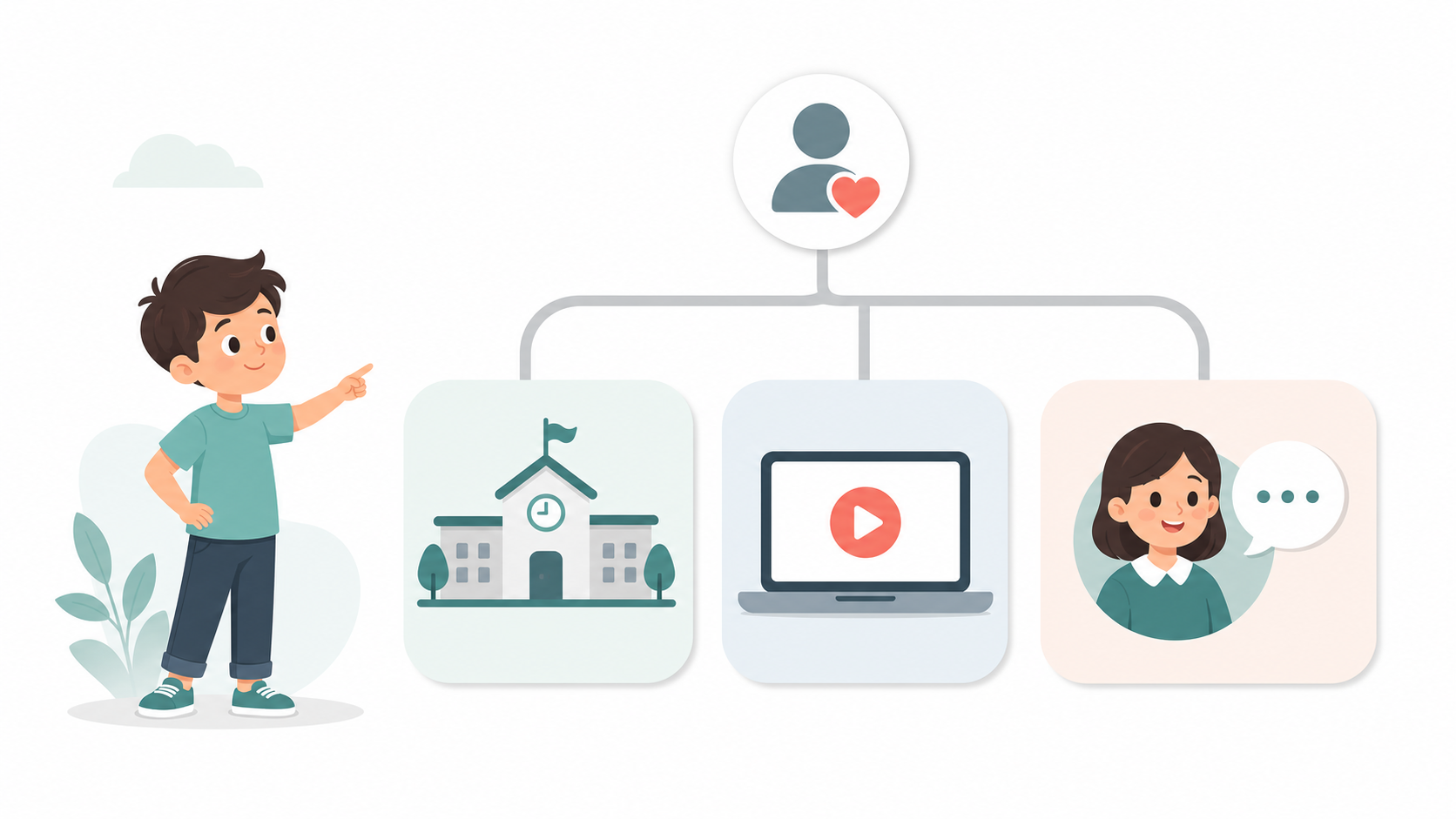
If you recently bought a keyboard and are deciding what should happen next, read After Buying a Keyboard: Which Piano Lesson Path Fits Your Child?. It compares online learning, school-based classes, and teacher-guided support in more detail.
Ready to start with a clear beginner path?
iPianoLab helps children start with songs they can enjoy, then build rhythm, notes, coordination, and confidence step by step.
Start iPianoLab signup Find school-based classes Explore online learning
FAQ: child piano progress
Can a child learn piano in a few months?
A child can learn meaningful beginner skills in a few months, especially if lessons are consistent and practice goals are small. That does not mean they will be advanced. It means they can become more comfortable finding notes, playing simple songs, keeping rhythm, and understanding what to do next.
What age is best to start piano?
The best age depends on attention, interest, and readiness for a simple routine. Many children can start when the program is designed for beginners and uses clear, approachable songs and activities. The fit matters as much as the age.
Should my child start with online lessons or an after-school class?
Choose online learning if your family needs flexibility and your child can follow a structured at-home path. Choose an after-school class if your child benefits from a weekly routine, group energy, and school-day convenience. If you are unsure, start with the path your child is most likely to repeat.
How do I know if piano lessons are working?
Look for confidence, routine, rhythm, note recognition, and willingness to try. A child who can show you a small musical idea, explain what they are practicing, or return to the keyboard without dread is moving in the right direction.
What should we do if my child wants to stop?
Pause before deciding. Ask whether the problem is the song, the practice routine, the schedule, or the lesson format. A reset can work better than quitting when the child still enjoys music but feels stuck.
Help your child start with confidence
Find the iPianoLab option that fits your family: local signup, school-based classes, or online learning.