How Much Do Piano Lessons Cost for Kids? A Parent Budget Guide
Short answer: the real cost of kids piano lessons is not only the lesson price. Parents should compare the monthly or session cost, the learning format, included materials, home practice setup, scheduling friction, and how much teacher support their child needs to keep going.
That matters because the cheapest option is not always the best value, and the most expensive option is not always necessary for a beginner. A child who is just starting may need a clear routine, approachable songs, and a few early wins more than a high-pressure lesson plan. The best budget is the one your family can repeat long enough for confidence, rhythm, note reading, and coordination to grow.
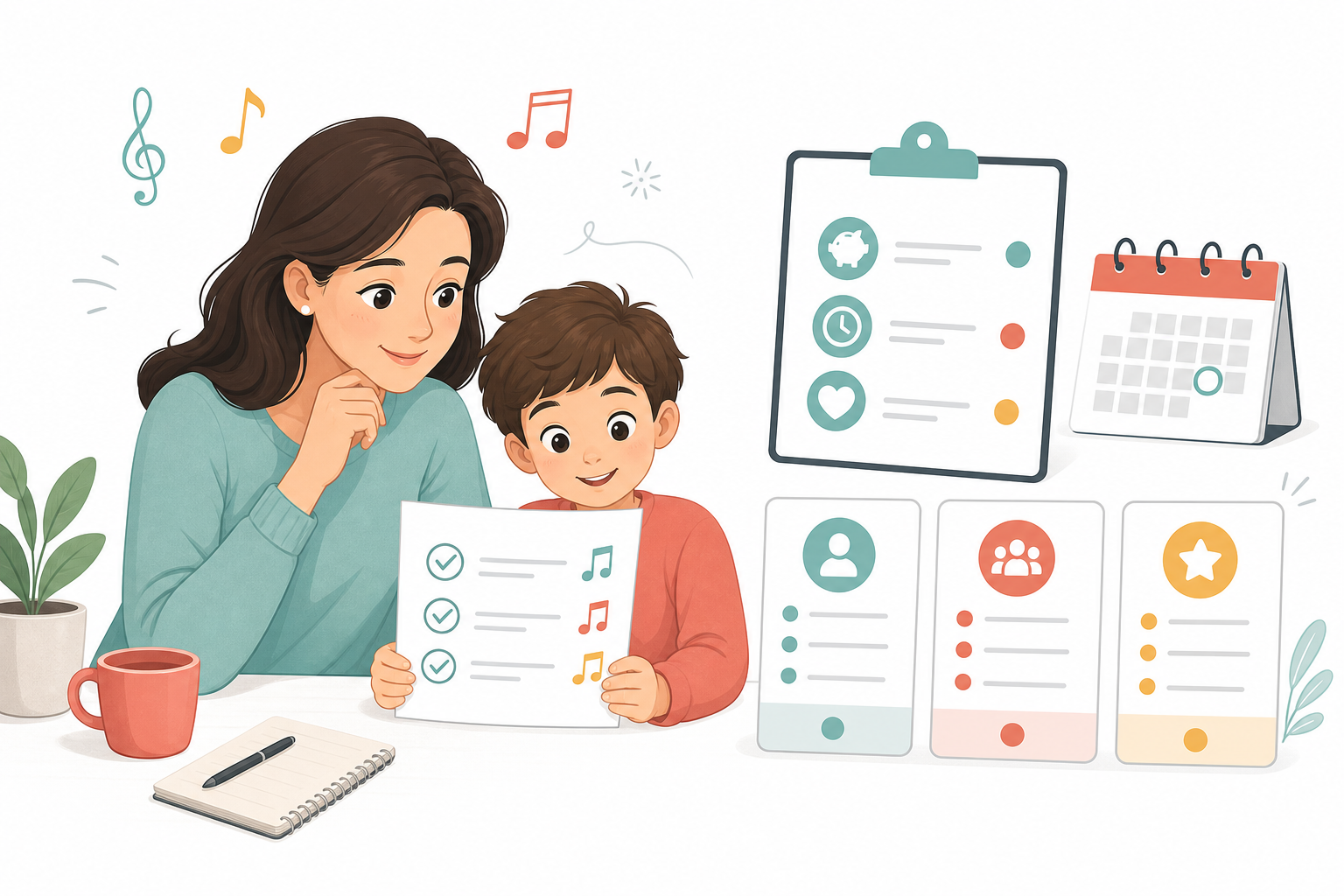
What affects the cost of kids piano lessons?
Piano lesson prices can vary by city, teacher experience, class size, lesson length, and whether your child is learning online, at school, in a group, or one-on-one. For parents, the more helpful comparison is what is included and what your child needs next.
- Format: group classes, private lessons, online learning, and video-library paths solve different problems.
- Teacher support: some children need live feedback every week; others can start with structured videos and occasional guidance.
- Materials: books, sheet music, online access, and class supplies may be included or separate.
- Practice setup: a beginner usually needs a keyboard at home, but it does not have to be a large acoustic piano.
- Schedule fit: a slightly higher-cost option that your family actually attends may be a better value than a cheaper option that keeps getting skipped.
When you compare programs, ask what happens after the first lesson. Does your child know what to practice? Is there a clear beginner path? Are materials included? Can the schedule survive a busy school week?
Current iPianoLab price points parents can compare
As of July 2026, iPianoLab's public program pages list several beginner-friendly paths. Families should always confirm current availability and final checkout details on the signup page, but these public prices give parents a practical starting point for budgeting.
- After School Keyboard Club: starting at $139 per 6 weeks, with keyboards, printed materials, and full video library access included on the school-program page.
- Online small group lessons: $139 per 6 weeks, with beginner-friendly group learning, recitals, materials, and full video library access listed on the online page.
- Private 1:1 lessons: starting at $129 per month on the school-program page and starting at $150 per month on the online page, depending on the path and scheduling context.
- Video Library Only: starting at $29 per month for families who want a structured, self-paced online path.
Those options are meant for different families. A school-based group class may be the easiest routine if your child is already on campus. Online lessons may fit better when your family needs home convenience. A video-library path can be a low-cost starting point when a child is curious and a parent wants to test consistency before adding more live support.
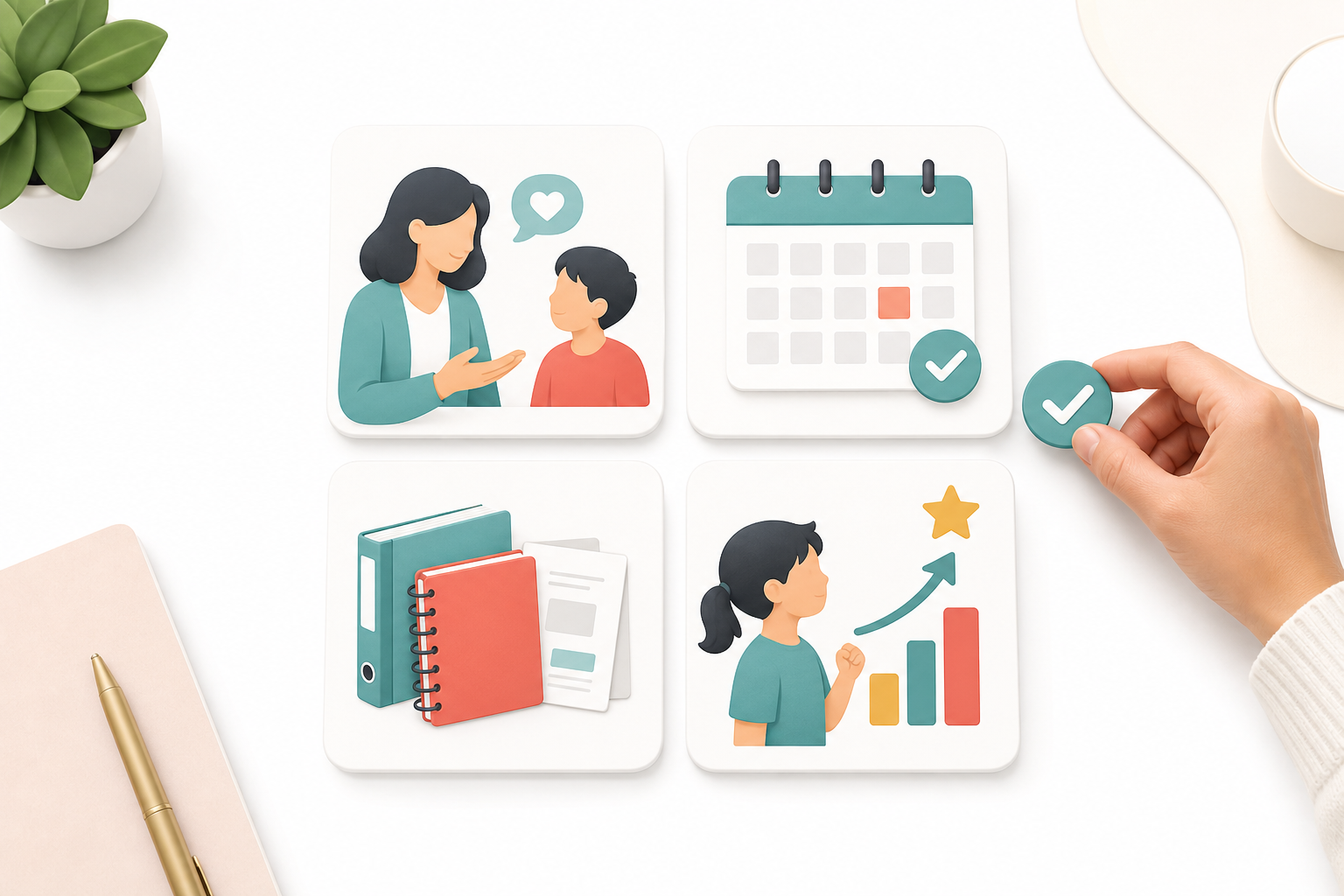
What should be included in the price?
Before enrolling, look beyond the lesson fee. A beginner piano program should make it easy for a child to start, practice, and return the next week with confidence.
Beginner materials
For school-based iPianoLab classes, the FAQ says students do not need to bring a keyboard to school and do not need to buy books or music for class. That matters for budgeting because surprise supply costs can make a program feel more expensive than expected.
Online access and practice support
iPianoLab's online and school-program pages describe video lessons, song libraries, and structured learning materials. For a beginner, that support can be valuable because parents do not have to invent the practice plan from scratch.
A realistic home setup
The iPianoLab FAQ recommends having a keyboard instrument at home for practice and notes that a suitable starter keyboard can often be found for under $100. For most beginners, the first goal is not buying the biggest instrument. It is creating a simple, reliable place to practice.
How to choose the best value for your child
Use the budget as a decision tool, not just a filter. The right option should match your child's confidence, your family's weekly schedule, and how much adult help is realistically available at home.
- Choose a school-based group class if your child enjoys learning around other kids and your family wants the routine built into the school week.
- Choose online small group lessons if your child likes live teacher guidance but your family needs to learn from home.
- Choose private support if your child needs more individual feedback, has a specific goal, or gets stuck without direct teacher attention.
- Choose a video-library path if your family wants a lower-cost way to start, test consistency, and build a home routine before adding more live instruction.
If you are still deciding what kind of lesson path fits your child, read After Buying a Keyboard: Which Piano Lesson Path Fits Your Child?. It compares online learning, school-based classes, and teacher-guided support in more detail.
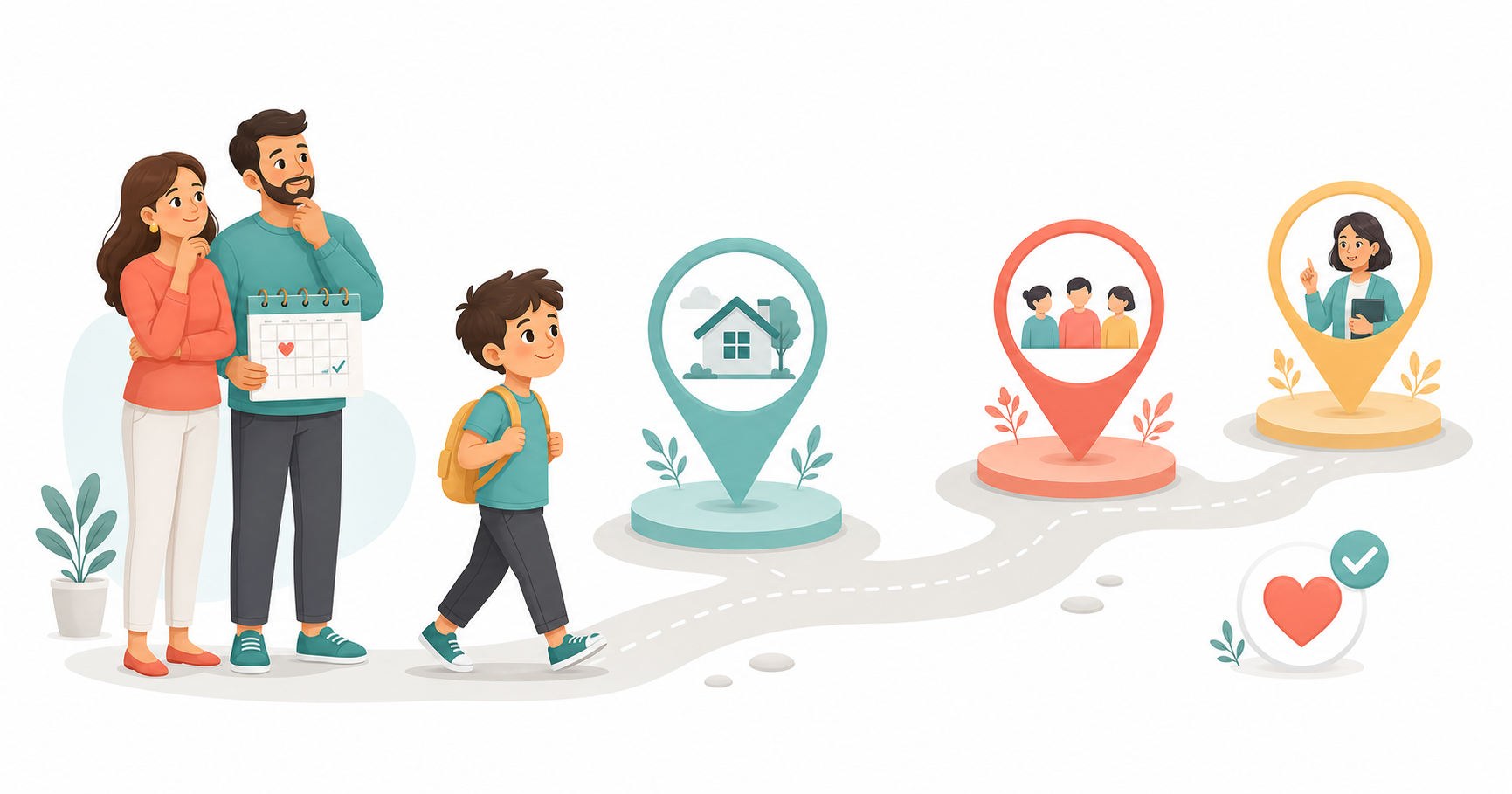
Questions to ask before paying
Parents can avoid most budget surprises by asking a few practical questions before choosing a program.
- How long is the commitment?
- Are books, music, class materials, or online access included?
- Does my child need a keyboard at home?
- Is the class beginner-friendly, or will my child feel behind?
- What happens if my child needs more support?
- Is there a recital, progress checkpoint, or clear next level?
- Can this schedule survive a busy school week?
For New York families who need a quiet room for practice, audition prep, coaching, or a make-up lesson outside the house, Lenox Hill Music Studios is a relevant local option. Most beginner families can start at home or at school, but a dedicated practice space can help when noise, neighbors, or apartment schedules get in the way.
Compare the path that fits your family
iPianoLab helps beginner students start with songs they enjoy, then build rhythm, notes, coordination, and confidence step by step.
Start iPianoLab signup Find school-based classes Explore online learning
FAQ: kids piano lesson costs
What is the cheapest way for a child to start piano?
A structured video-library path is often the lowest-cost way to begin, especially if your family wants to test interest and practice consistency first. If your child needs live feedback or group energy, a class or teacher-guided option may be a better value even if the monthly cost is higher.
Do kids need private piano lessons at the beginning?
Not always. Many beginners can start well in a group class or structured online path when the curriculum is designed for first-time students. Private lessons can be helpful when a child needs more individual feedback, has a specific goal, or gets frustrated without direct support.
Do we need to buy a piano before starting lessons?
No. A full acoustic piano is not required for most beginners. iPianoLab's FAQ recommends a keyboard instrument at home for practice and says a suitable 61-key starter keyboard from common brands can work for beginners.
Are after-school piano classes worth it?
They can be, especially when the class includes materials, a predictable weekly routine, teacher support, and a positive group environment. For many families, the built-in school-day rhythm is what makes practice and attendance realistic.
How should parents compare piano lesson prices?
Compare the total value: lesson format, materials, online access, teacher support, practice expectations, schedule fit, and how your child responds. The best price is the one attached to a path your child can keep using.
Ready to choose a beginner piano path?
Start with the option that fits your child's routine and your family's budget.