Is My Child Too Old to Start Piano Lessons? A Parent Guide
No. A child is not too old to start piano at 8, 10, 12, or later. Older beginners may start after friends, siblings, or classmates, but they also bring useful strengths: more patience for instructions, clearer musical preferences, stronger reading skills, and a better ability to describe what feels confusing.
The right question is not whether your child missed a perfect starting age. It is whether the first learning path fits the child who is ready now. A well-designed beginner program should start from current skills, offer an early musical win, and build rhythm, note reading, coordination, chords, and independence in manageable steps.
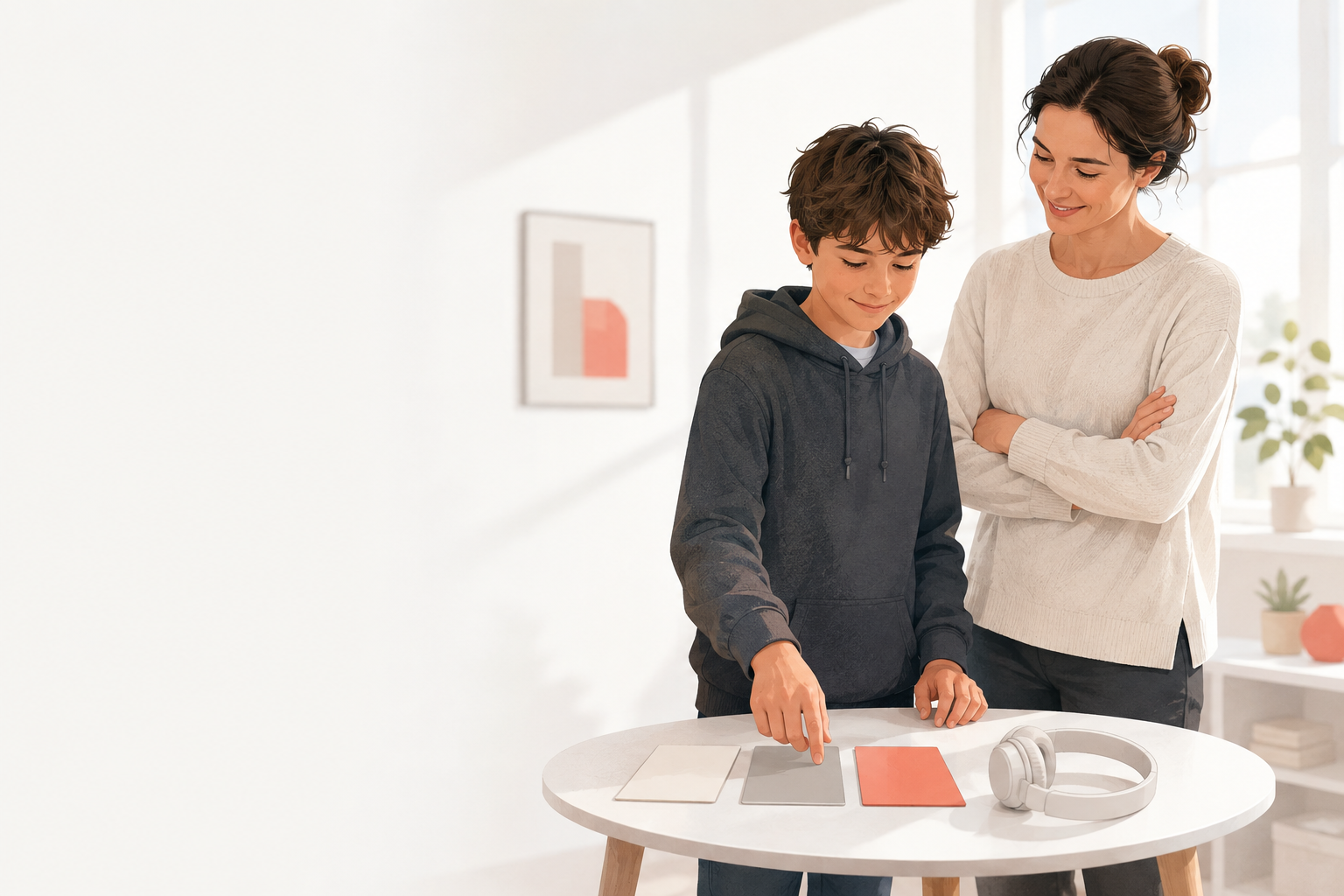
Why an older child can still be a successful piano beginner
Starting later does not place a child on a permanently lower track. Piano learning is not a race in which every student must begin on the same birthday. Children begin for different reasons and move at different speeds depending on attention, interest, instruction, practice access, and the difficulty of the music they are learning.
An older beginner may understand a sequence more quickly, notice patterns, read instructions independently, and connect practice with a personal goal. They may also have a stronger opinion about the songs they want to play. Those strengths can make the first months feel purposeful rather than remedial.
What matters is that the program treats the child as a true beginner without making the material feel babyish. The student should receive clear explanations and age-respectful music while still getting permission to learn one small skill at a time.
What starting piano at 8, 10, 12, or later can look like
Starting around age 8 or 9
Many children at this age can follow a short lesson sequence, recognize patterns, and handle a simple home routine. They are still young enough to enjoy games and movement, but they may also be ready for more explanation about how rhythm, notes, and keyboard geography fit together.
Starting around age 10 or 11
A ten- or eleven-year-old beginner may want music that feels connected to their taste and identity. Give them some choice while keeping the skill sequence clear. A recognizable song can provide motivation, while short assignments build the reading, rhythm, and coordination needed for more independent playing.
Starting around age 12 or in the early teen years
An older beginner may worry about looking inexperienced. Avoid comparisons with younger students and do not assume that an older child should skip foundational skills. Instead, explain the purpose of each step and choose material that feels age-appropriate. A student can be new to piano and still deserve music and language that respect their maturity.
If you are deciding whether the timing is right, use the broader parent readiness guide. Readiness is more useful than comparing your child with someone who began years earlier.
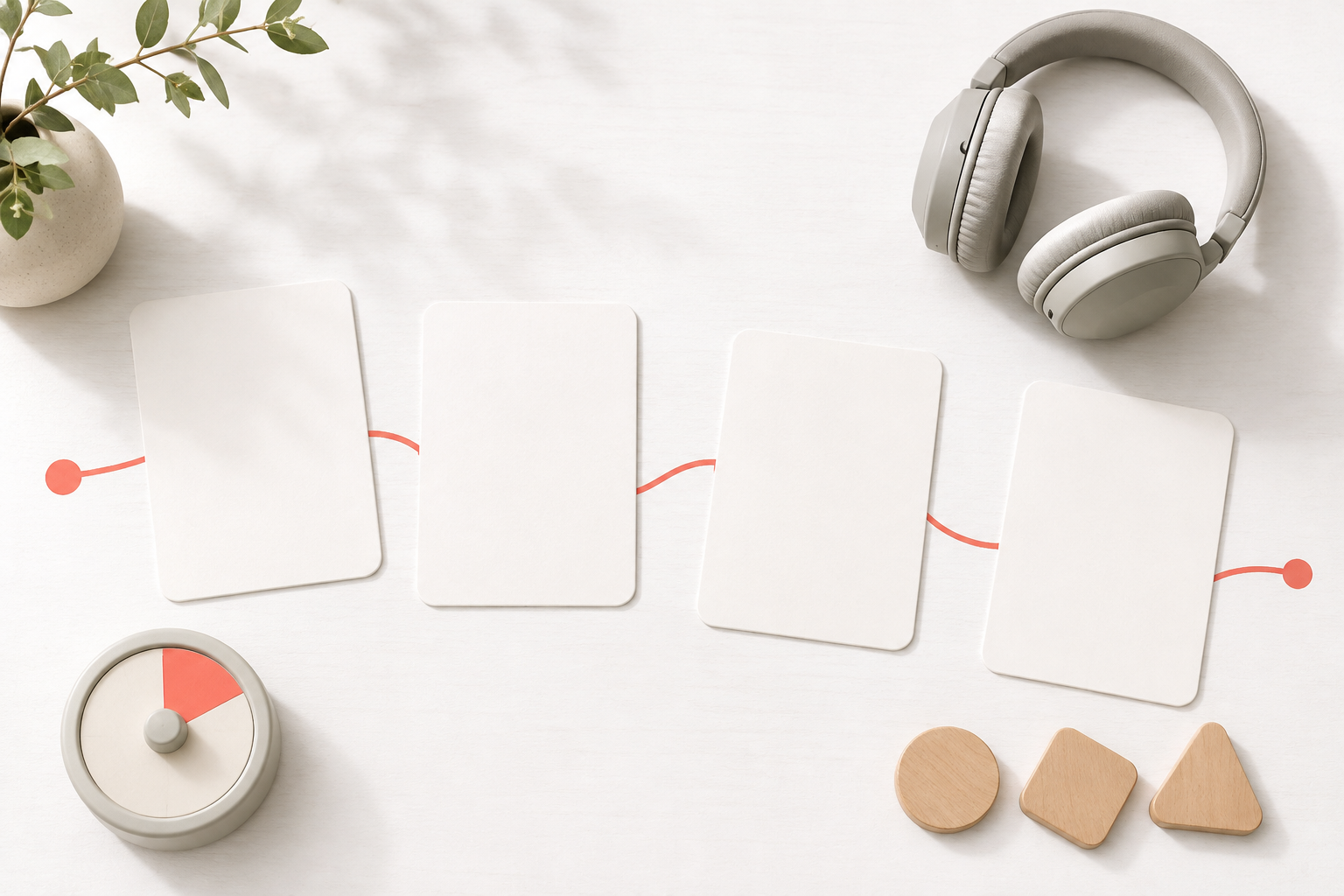
What should the first piano lessons include for an older beginner?
The first lessons should feel like a clear beginning, not a test of what the child already knows. Look for a sequence that produces a small musical result while introducing the habits needed for later progress.
- Orientation: understand the lesson routine, the instrument layout, and how to find a starting place.
- Rhythm and listening: clap, count, or copy a short pattern before coordinating several tasks at once.
- An early song or musical phrase: play something recognizable enough to connect effort with sound.
- Reading in small pieces: connect a few written symbols with notes, direction, or rhythm instead of decoding a full page immediately.
- A repeatable home step: leave each lesson knowing exactly what to try next and how to tell when the task is complete.
iPianoLab uses multiple six-lesson levels, which gives families a practical first review point. After several lessons, ask whether the child understands the routine, can demonstrate one or two new skills, and wants a next step. For a closer look at that early timeline, see what parents can expect in the first six weeks.
Do older beginners learn faster?
They may move quickly through some explanations, but there is no single schedule for learning piano. An older child can understand a concept and still need time for finger control, coordination, steady rhythm, or reading. Knowing what to do and being able to do it comfortably are different stages.
Avoid promising that a later start will automatically produce faster progress. Instead, look for efficient learning: clear goals, music the child wants to return to, short practice that has a purpose, and useful feedback when something is not working.
Four signs the lesson path fits your older beginner
- The music feels age-respectful. The child is not embarrassed by the presentation or examples.
- The next step is specific. The student can explain what to practice without a parent reconstructing the whole lesson.
- The difficulty is adjustable. A teacher or structured program can make a task smaller without making the child feel punished.
- Progress is visible. The child can point to a steadier rhythm, easier start, clearer note pattern, or song section that now feels more comfortable.
Previous music experience is not required. If your child is starting from zero, the guide to beginner piano lessons with no musical background explains what a strong first path should assume.
Group, private, or online: which format works for an older beginner?
The best format is the one your child can use consistently and without unnecessary embarrassment or friction.
- Group classes can add peer energy and a predictable weekly routine. Ask how the class places a beginner who is older than some other students.
- Private lessons can adjust the pace and music closely to one child. Ask how the teacher keeps foundational work age-appropriate.
- Online learning can let a child begin privately at home, repeat instructions, and work around a busy schedule. Look for a structured sequence rather than a random collection of videos.
A blended path can also work: a child may use structured online lessons for repeatable home guidance and live instruction for feedback. Families comparing home options can read what makes online piano lessons effective for children.
A simple first-week plan for an older beginner
- Choose one starting path. Avoid combining several apps, books, and teachers before the child understands the first routine.
- Pick one musical goal. A short melody, rhythm, or chord pattern is enough for the first week.
- Schedule three short returns. Keep the sessions manageable and end after one clear improvement.
- Write down one question. If something remains confusing, save the exact question for the teacher or next lesson instead of guessing.
Parents do not need to reteach the lesson. Help the instrument and materials stay ready, ask what the child is working on, and notice persistence. The child should gradually own more of the routine as the steps become familiar.
How iPianoLab supports children who start later
iPianoLab is designed for children and beginning students. Learners play songs they enjoy early, then build keyboard geography, rhythm, counting, note reading, two-hand coordination, melody, chords, and music literacy through a structured multi-level curriculum.
Explore iPianoLab online learning for a flexible home start, or choose an iPianoLab beginner path.
Frequently asked questions
Is 8 too old to start piano?
No. An eight-year-old can begin with no prior experience. Look for lessons that combine clear directions, engaging music, rhythm, reading, and short practice steps.
Is 10 too old to learn piano?
No. A ten-year-old may bring useful attention, reading ability, and musical preferences to the first lessons. The curriculum should still teach the foundations without using material that feels too young.
Is 12 too old to start piano lessons?
No. A twelve-year-old can start as a complete beginner. Age-appropriate music, a clear learning sequence, and privacy from unhelpful comparison can make the first experience more comfortable.
Will my child be behind students who started younger?
Your child may have different experience, but “behind” is not a useful measure for a new learner. Track the skills your child is building now: rhythm, note finding, coordination, reading, listening, and musical independence.
Can an older child start piano online?
Yes, if the program offers a structured sequence, clear demonstrations, real instrument practice, and a way to get help. The child should know what to do next rather than browse unrelated videos.
Ready to turn “maybe we waited too long” into a confident first step? See iPianoLab online learning.