Should Kids Practice Piano Before or After Homework?
The best time for a child to practice piano is the time when they can begin with enough energy to focus and your family can repeat the routine most school days. For some children, that is a short session after a snack and before homework. For others, homework needs to come first so piano feels like a welcome change. Morning practice can also work when afternoons are crowded.
There is no universal winner. Instead of arguing about the clock, test two realistic times for one week and watch what happens. The right practice window should make it easier for your child to start, understand the assignment, and finish without a daily battle.
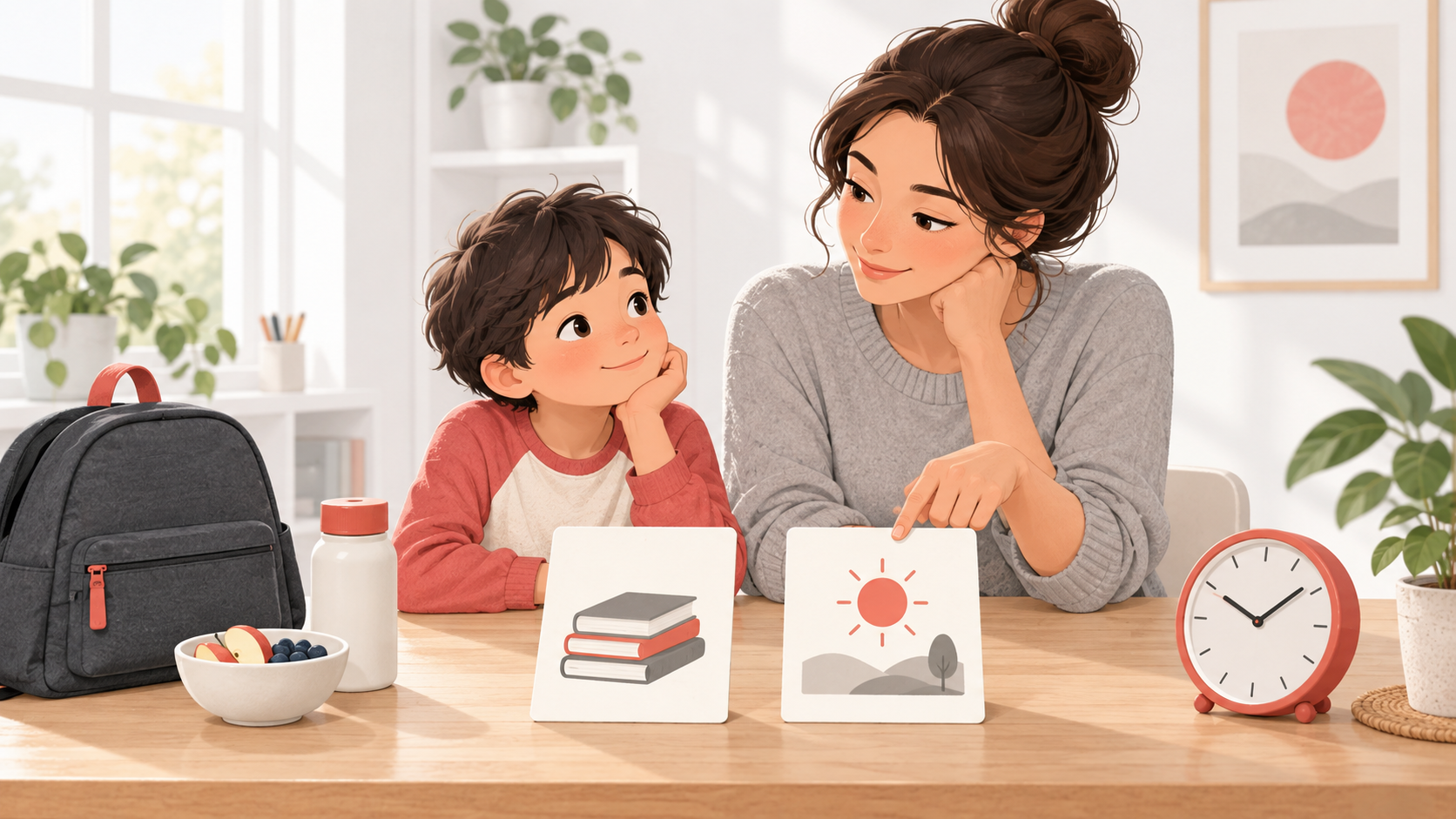
Should piano practice come before or after homework?
Try piano before homework when your child is still alert after school, enjoys music as a transition, or tends to run out of energy later. Try piano after homework when unfinished schoolwork creates worry, your child needs a longer break first, or piano works better as a change of pace after reading and writing.
The important question is not which activity is more important. It is which order produces a short, focused piano session your child can repeat. Ten useful minutes at a workable time can be better than a longer session scheduled after attention is gone.
When piano before homework may work best
A before-homework routine can use the small window between arriving home and settling into academic work. It may fit well when your child:
- comes home with enough energy for one short task;
- likes music as a way to reset after school;
- is more willing to practice before screens, dinner, and evening activities begin;
- needs to hear or repeat the lesson assignment while it still feels familiar; or
- often becomes tired or frustrated later in the evening.
Do not require an instant start at the door. Many children need a snack, water, movement, or a few quiet minutes first. The routine can still count as “before homework” if it begins after a predictable transition.
A simple sequence might be: arrive home, unpack, have a snack, practice one clear piano goal, then begin homework. Keep the musical goal small enough that the child knows what “done” means.
When piano after homework may work best
Some children cannot enjoy another activity while schoolwork is waiting. For them, homework first can remove mental clutter. Piano may then feel different from the academic tasks that came before it.
An after-homework routine may fit when your child:
- worries about unfinished assignments;
- needs a longer recovery period after school;
- has a quiet, dependable window before dinner;
- responds well to changing from desk work to a physical, listening-based activity; or
- can still focus without the session drifting too close to bedtime.
Watch for the point when “after homework” quietly becomes “too late.” If practice regularly starts when your child is hungry, rushed, or exhausted, move it earlier or shorten the task. The schedule should serve learning, not test endurance.
What about practicing piano before school?
Morning practice can work for a child who wakes with good energy and has an unhurried routine. It is especially useful when afternoons are filled with sports, clubs, sibling schedules, or long commutes. A morning session should be easy to start: the instrument is ready, the assignment is visible, and the goal fits the available time.
Do not use morning practice if it makes the entire household rush. A routine that repeatedly creates missed breakfasts, forgotten school items, or conflict is not sustainable. On busy mornings, listening to the assigned song or tapping a rhythm can support the weekly plan, but it does not replace needed instrument time.
Use a one-week test to find the best practice time
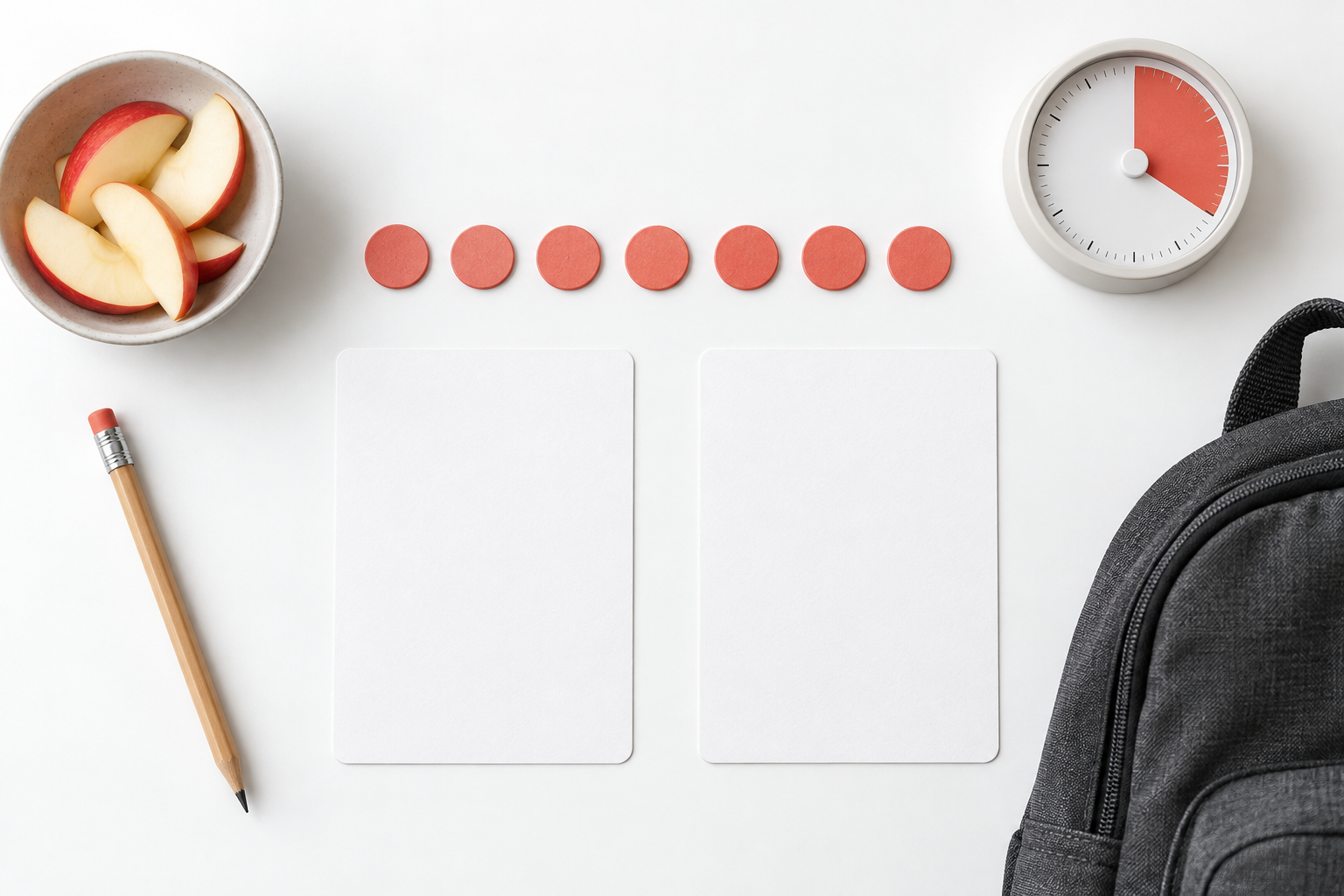
Choose two realistic practice windows, not an ideal schedule your family cannot maintain. For example, compare “after snack, before homework” with “after homework, before dinner.” Use each option on a few school days and keep the assignment similar.
- Choose one small goal. Use the same type of task each day: one song section, one rhythm, or one teacher-assigned step.
- Keep the session short. Stop while attention is still useful instead of stretching to fill a fixed number of minutes.
- Notice the start. Did your child begin with one reminder, several reminders, or an argument?
- Notice the middle. Could your child remember the task and stay with it?
- Notice the finish. Did the child end calm enough to return the next day?
At the end of the week, choose the time that produced the best combination of easier starts, useful attention, and lower conflict. You do not need a complex chart. Two blank cards on the refrigerator—one for each time option—and a simple daily mark can be enough.
If the real problem is that your child cannot remember the assignment, changing the time may not solve it. Use a same-day recap and a clear cue from this guide to help a child remember what to practice after piano lessons.
Three sample piano-practice routines for school days
Option 1: Practice before homework
- Arrive home and put away school items.
- Have a snack and take a short movement break.
- Practice one familiar warm-up and one current goal.
- Finish with an easy musical win.
- Begin homework.
Option 2: Practice after homework
- Take an after-school break.
- Complete the most important school assignment.
- Reset with water or a brief stretch.
- Practice one clearly defined piano task.
- Stop before dinner or the next activity.
Option 3: Split the practice
- Before homework, play one familiar song or pattern.
- After homework, spend a few focused minutes on the new or difficult section.
A split routine can help when one longer session feels heavy. It also separates “getting started” from “solving the hard part.” Keep both pieces small so the plan does not become two daily arguments.
How long should the practice session be?
Use a length your child can repeat with useful attention. Age, experience, the assignment, and the day all matter. A short beginner session with one clear goal is often more productive than staying at the instrument until a timer runs out.
If you need a weekly framework, read how many days a week a child should practice piano. If starting takes too much effort because materials are scattered or the instrument is unavailable, use this home piano practice-space checklist.
Signs that the scheduled time is not working
Change the plan when you repeatedly see several of these signs:
- Your child needs many reminders just to begin.
- The assignment is usually forgotten even when it is written down.
- Practice regularly collides with hunger, bedtime, or another fixed activity.
- Your child can play the first minute but cannot focus long enough to address the lesson goal.
- The same schedule creates conflict most days, even after the task is shortened.
Before assuming your child lacks motivation, change one variable: the time, the transition, or the size of the task. If the difficulty continues, ask the teacher to define a smaller goal and show your child exactly how to begin it.
What should parents say at practice time?
Use one calm cue that points to the plan:
- “Would you like to practice after snack or after homework today?”
- “What is the one thing your teacher asked you to repeat?”
- “Let’s try the first small step, then decide whether to continue.”
- “Which time helped you focus better this week?”
The parent does not need to become the piano teacher. Your job can be to protect a workable window, make the next step easy to find, and notice specific effort. If reminders are turning into conflict, pair this schedule test with iPianoLab’s guide to supporting piano practice without nagging.
How iPianoLab can fit a real family schedule
iPianoLab helps children learn through songs they enjoy while building keyboard geography, rhythm, counting, note reading, two-hand coordination, chords, and music literacy. Current online options include video learning, small-group lessons, and private one-to-one lessons, giving families more than one way to build a structured beginner path.
Families can explore iPianoLab online learning or choose a beginner-friendly starting path.
Frequently asked questions
Is it better for kids to practice piano right after school?
It can be, especially after a snack or short break. Right after school works when the child still has useful energy and later activities would crowd practice out. If the child comes home overwhelmed or tired, test a later window instead.
Should piano practice happen before screen time?
For many families, yes, because it protects the practice window before a highly engaging activity begins. Keep piano separate from punishment or bargaining, though. Use a predictable sequence so the child knows what comes next.
Can a child practice piano in the morning?
Yes, if the child is alert and the household is not rushed. Prepare the instrument and assignment the night before, and choose a short task with a clear stopping point.
What if every school day has a different schedule?
Use two approved windows rather than one fixed clock time. For example, practice after snack on lighter days and before breakfast on activity days. Keep the cue and the first task consistent even when the time changes.
What if my child is too tired to practice after homework?
Move practice earlier, shorten the goal, or split the work into two small sessions. Repeated exhaustion is information about the schedule, not proof that the child cannot learn piano.
Ready for a clear beginner path that fits your family’s week? Start with iPianoLab.