Piano Lessons for Kids on the Upper East Side: A Parent Guide
Families looking for piano lessons for kids on the Upper East Side should start with three practical questions: Is the program designed for beginners, can the weekly routine actually work, and will the lesson format keep the child engaged long enough to build real skills? A nearby address helps, but the right fit also gives children a clear first step, supportive teaching, and a path they will want to return to each week.
This guide explains what Upper East Side parents can compare before enrolling, how group and individual support differ, and what to look for in a first program. It also outlines the current iPianoLab options at 353 E 77th Street so families can move from searching to a specific next step.
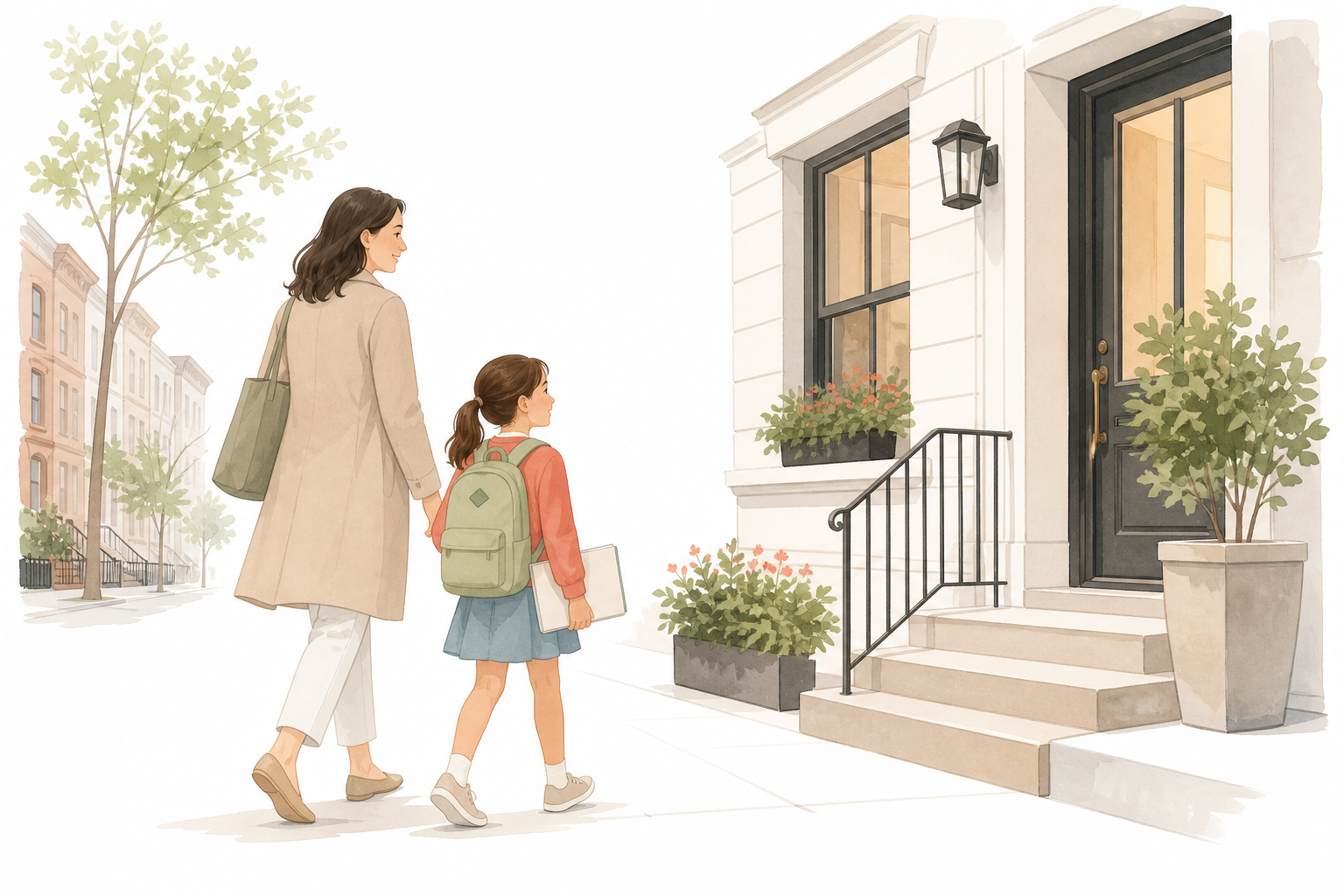
What should parents look for in Upper East Side piano lessons?
A useful children’s piano program should make the first few months feel understandable. Parents do not need to evaluate advanced repertoire or teaching jargon. They need to know what their child will do, how often the class meets, what support is provided, and how progress will become visible.
Use this quick checklist when comparing programs:
- Beginner fit: The program should welcome children who have never played and explain what they learn first.
- Engagement: Lessons should connect skills to music children recognize and enjoy, not make every early session feel like a test.
- Consistent routine: The class time, travel time, and home routine should fit a normal school week.
- Clear format: Parents should understand whether the child will learn in a group, one-on-one, online, or through a combination.
- Practical materials: Ask what equipment and learning materials are supplied and what is useful at home.
- Next steps: A good program should make it easy to see how a beginner continues after the first class block.
Group classes or private lessons: which fits a beginner?
Neither format is automatically better for every child. The better question is which kind of support will help this child participate, practice, and keep going.
Group piano classes can make learning feel social
A well-run group class gives children peers, a shared weekly rhythm, and the feeling that learning music is something they do together. Some beginners are more willing to try, repeat, and perform when other children are working through the same kind of challenge. Group learning can also make early wins feel more visible and fun.
Parents should still ask how the teacher handles different learning speeds. A child who moves quickly needs a next challenge, while a child who needs more repetition should not feel rushed.
Individual lessons provide focused feedback
One-on-one time can help when a child needs a slower pace, a specific technical correction, or focused attention on a personal goal. It can also work well for a child who feels overwhelmed in a group. The tradeoff is that the lesson depends more heavily on the one-to-one teacher relationship and may feel less social.
A combined path offers both kinds of support
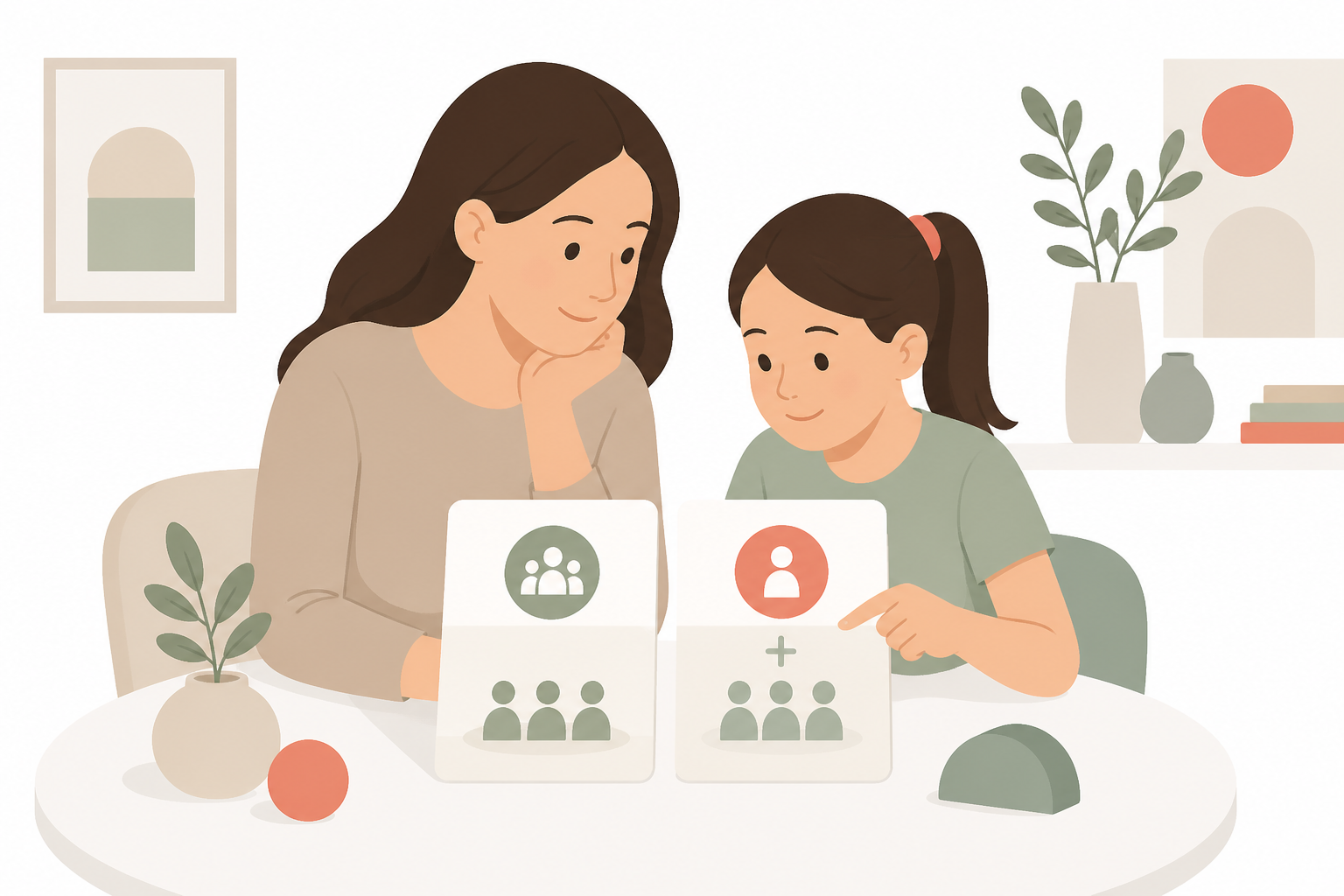
Some families want the consistency and energy of a group plus individual attention. iPianoLab’s current Upper East Side Complete Package combines enrollment in a 12-week group class with one 45-minute private lesson each week. That structure can be useful when a child enjoys classmates but also benefits from focused feedback.
What are the current iPianoLab children’s options on the Upper East Side?
The iPianoLab studio is at 353 E 77th Street, Lower Level, New York, NY 10075. The live program page currently lists two child-focused starting paths:
| Program | Current structure | May fit families who want |
|---|---|---|
| Kids Studio Classes | A 12-week group class that meets for 90 minutes; after-school pickup is listed as available | A consistent class with the same teacher and classmates |
| Complete Package | A 12-week group class plus one 45-minute private lesson each week | Group energy with additional individual attention |
Both studio paths include curriculum and online lesson-library access. iPianoLab also states that keyboards, printed materials, and course supplies are provided. Families should review the live program choices for current times, availability, and checkout details rather than relying on an older directory or search result.
See current Upper East Side programs and choose a class.
How can a family make weekly piano lessons easier to sustain?
The strongest program on paper can still fail if the weekly routine creates constant friction. Before enrolling, picture an ordinary Tuesday or Thursday—not an unusually calm week.
- Map the full trip. Include school dismissal, pickup, subway or walking time, a snack, and the return home.
- Protect a consistent class window. Children often settle faster when the same part of the week has the same purpose.
- Keep home practice small at first. A few short returns to a song or skill can be more realistic than one long weekend catch-up.
- Decide who handles reminders. A simple routine works better than daily negotiation.
- Review after several weeks. Look for participation, growing familiarity, and willingness to return—not instant perfection.
Parents can also ask what happens when a child misses a week, how materials are accessed between classes, and how teachers communicate the next skill to practice.
Does a child need a piano at home before starting?
A family does not need to buy a large acoustic piano before a child attends a first lesson. Some form of regular access helps once learning begins, but the best setup depends on space, budget, and the program. The immediate goal is to give the child a reliable way to revisit what happened in class.
iPianoLab provides keyboards and materials during its studio programs. For home use, families can start by asking the teacher what key range and features are actually needed before making a purchase. That avoids paying for features a beginner will not use or buying a small toy instrument that becomes frustrating quickly.
If a family occasionally needs a quiet local instrument-practice room, Lenox Hill Music Studios lists hourly Upper East Side rooms with digital pianos, benches, and music stands. That is an optional practice-space resource, not a requirement for joining iPianoLab.
How will parents know that the lessons are working?
Early progress is broader than playing a complete song without mistakes. In the first stretch, parents may notice that the child can find familiar areas of the keyboard, follow a steady count, repeat a short pattern, recognize a few symbols, use both hands more comfortably, or explain what to work on next.
Look for these signs:
- The child can start a familiar activity with less prompting.
- Short musical patterns sound or feel more consistent.
- The child recognizes a rhythm, chord shape, note, or keyboard landmark from a prior lesson.
- Practice has a clear next step instead of becoming random repetition.
- The child is willing to share something learned, even if it is still unfinished.
Progress is rarely perfectly even. A child may appear to pause while coordination catches up, then make a noticeable leap. The useful question is whether the program keeps producing understandable next steps and enough success to sustain interest.
Questions to ask before enrolling
Parents can use these questions on a call, during a visit, or while reviewing the program page:
- Is this class designed for a complete beginner?
- How large is the group, and how are different learning speeds handled?
- What does a child usually learn in the first class block?
- What equipment and materials are provided?
- What kind of home practice is expected?
- How does the teacher share progress or a next step with parents?
- What happens after the initial 12-week group class?
- Which program is a better fit if my child wants both classmates and private feedback?
Frequently asked questions
What age should a child start piano lessons?
Readiness matters more than one perfect age. A child is usually better positioned when they can follow a short direction, participate in a structured activity, and return to a skill more than once. Parents should ask the program how it supports the child’s specific age and attention span.
Are group piano lessons good for beginners?
They can be. Group lessons often give beginners peer energy, consistency, and a low-pressure way to learn together. The teacher should also have a clear plan for children who move at different speeds.
How long are iPianoLab kids’ studio classes in NYC?
The current live NYC page lists Kids Studio Classes as 12-week group classes that meet for 90 minutes. Families should check the live page for current class times and availability.
Where is the iPianoLab Upper East Side studio?
The studio is at 353 E 77th Street, Lower Level, New York, NY 10075.
What should we do next?
Compare the current Kids Studio Class and Complete Package choices, then select the option that fits your child’s learning style and your weekly routine.