Piano Lessons for Shy Kids: How Confidence Grows One Small Win at a Time
Some children walk into piano class ready to play for anyone. Others need time. A shy child may watch first, answer softly, hesitate before trying, or worry about making a mistake in front of the teacher or classmates.
That does not mean piano is the wrong fit. In fact, the right beginner piano program can be a strong place for shy kids to build confidence because music gives them a clear routine, a small task to try, and an immediate sense of progress.
At iPianoLab, becoming PianoFlight in Summer 2026, students play songs they enjoy early, then build fundamentals such as keyboard geography, rhythm, counting, note reading, two-hand coordination, melody, chords, and music literacy.
Start a confidence-building piano path
Are piano lessons good for shy kids?
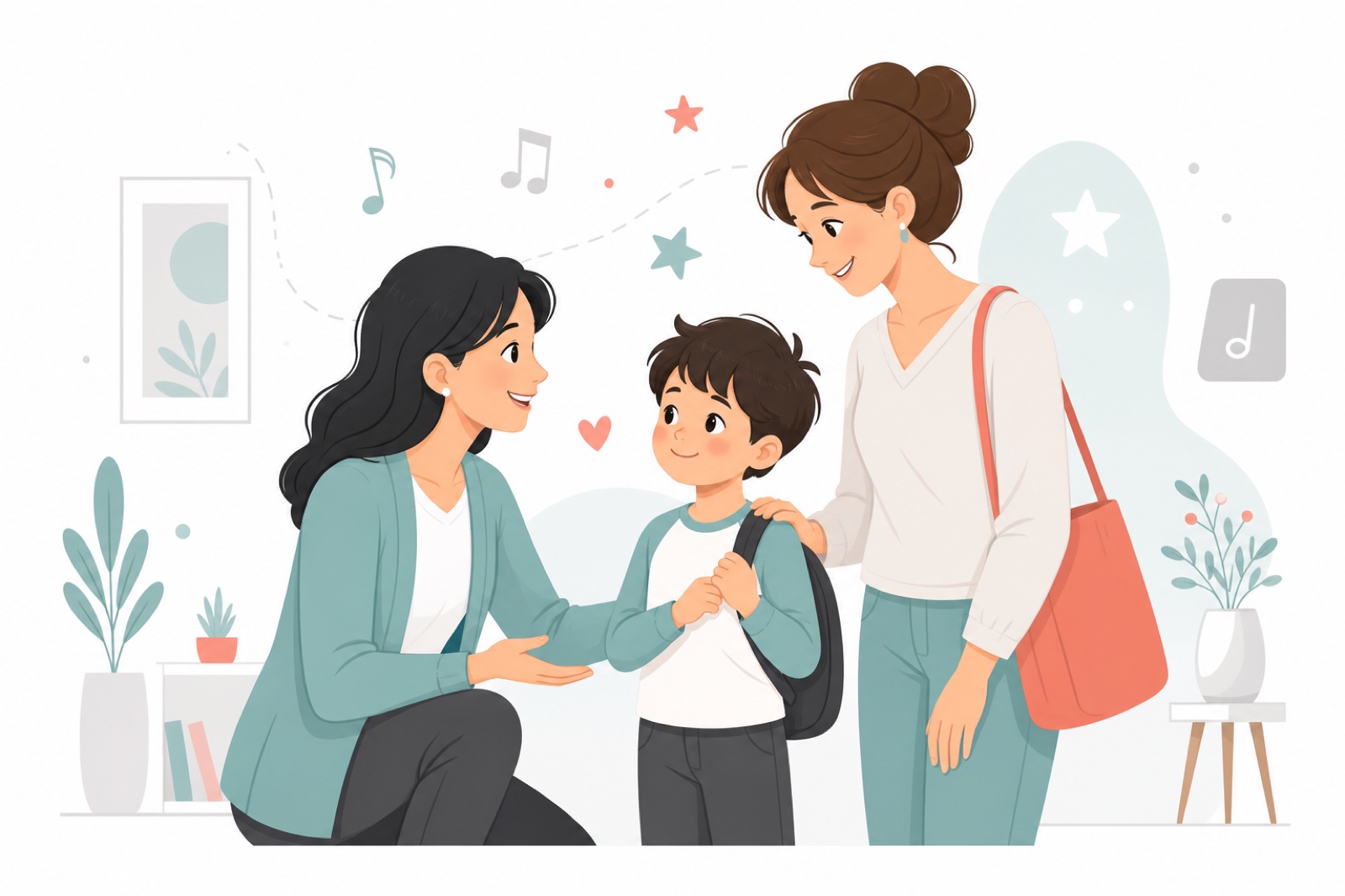
Yes, when the class is structured for beginners and the teacher understands that confidence grows gradually. Piano lessons give children a repeatable pattern: listen, try, hear the result, adjust, and try again.
For shy kids, that predictability matters. They do not need to guess what is expected. They can focus on one small musical step at a time.
What shy beginners need first
A shy child usually does not need a louder personality. They need a learning environment where trying feels safe. That means clear instructions, patient pacing, and early wins that prove "I can do this."
Helpful first steps include:
- A calm arrival routine
- Short teacher instructions
- Simple rhythm or listening activities before harder tasks
- Small songs or patterns that sound musical quickly
- Permission to try again after mistakes
- Clear practice goals parents can understand
Confidence starts before performance
Many parents worry that a shy child will not want to perform. That may be true at first, and it is okay. Beginner piano confidence does not have to start with recitals, applause, or public playing.
It can start with finding a pattern on the keyboard, clapping a steady rhythm, remembering where a song begins, or playing one short section more comfortably than last week. Those moments are small, but they teach a child that effort changes the result.
How group piano can help shy kids
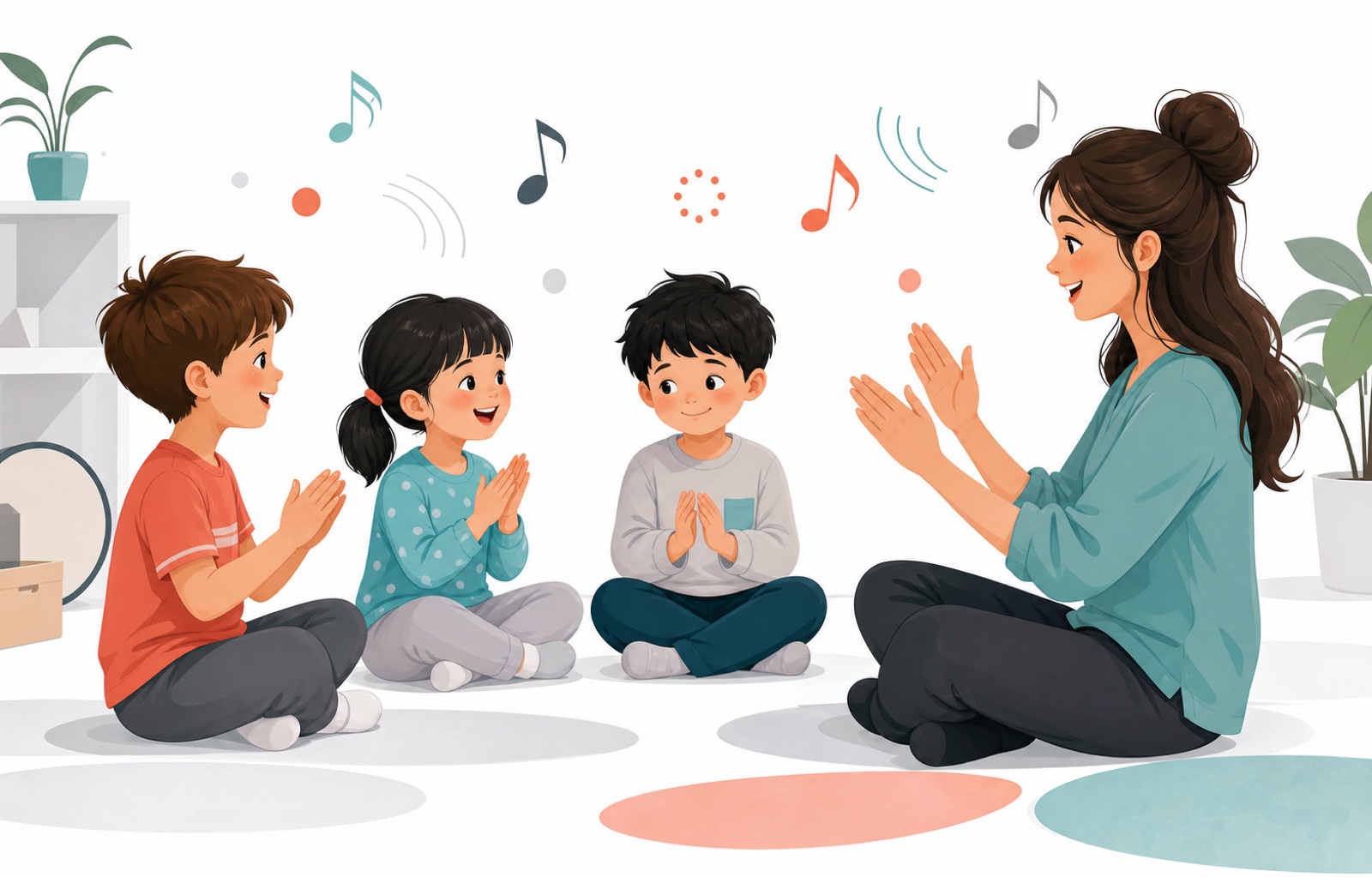
A well-run group piano class can help shy beginners because the child is not always the center of attention. They can watch classmates try, hear that mistakes are normal, and join the activity when they are ready.
The key is structure. Group lessons work best when students have clear roles, level-appropriate materials, and enough teacher guidance to stay on track. Peer energy should make music feel friendly, not chaotic.
What if my child freezes or will not answer?
Freezing is often a sign of pressure, not lack of ability. A child may understand more than they can say in the moment. Instead of pushing for a verbal answer, a teacher can give the child a musical choice: tap this rhythm, point to the pattern, play the first note, or try it together.
Parents can help by keeping the story simple: "You do not have to be perfect. You just have to try one small part." That message lowers the emotional cost of starting.
Use songs as a safe doorway into skills
Shy children often relax when the activity sounds like real music instead of a test. A short song or pattern gives them something concrete to hear and repeat. Once the child experiences that small win, the teacher can connect it to rhythm, note direction, hand position, counting, and listening.
This is why early songs matter. They are not shortcuts. They are the doorway into the skills that make piano feel possible.
How parents can support a shy beginner at home
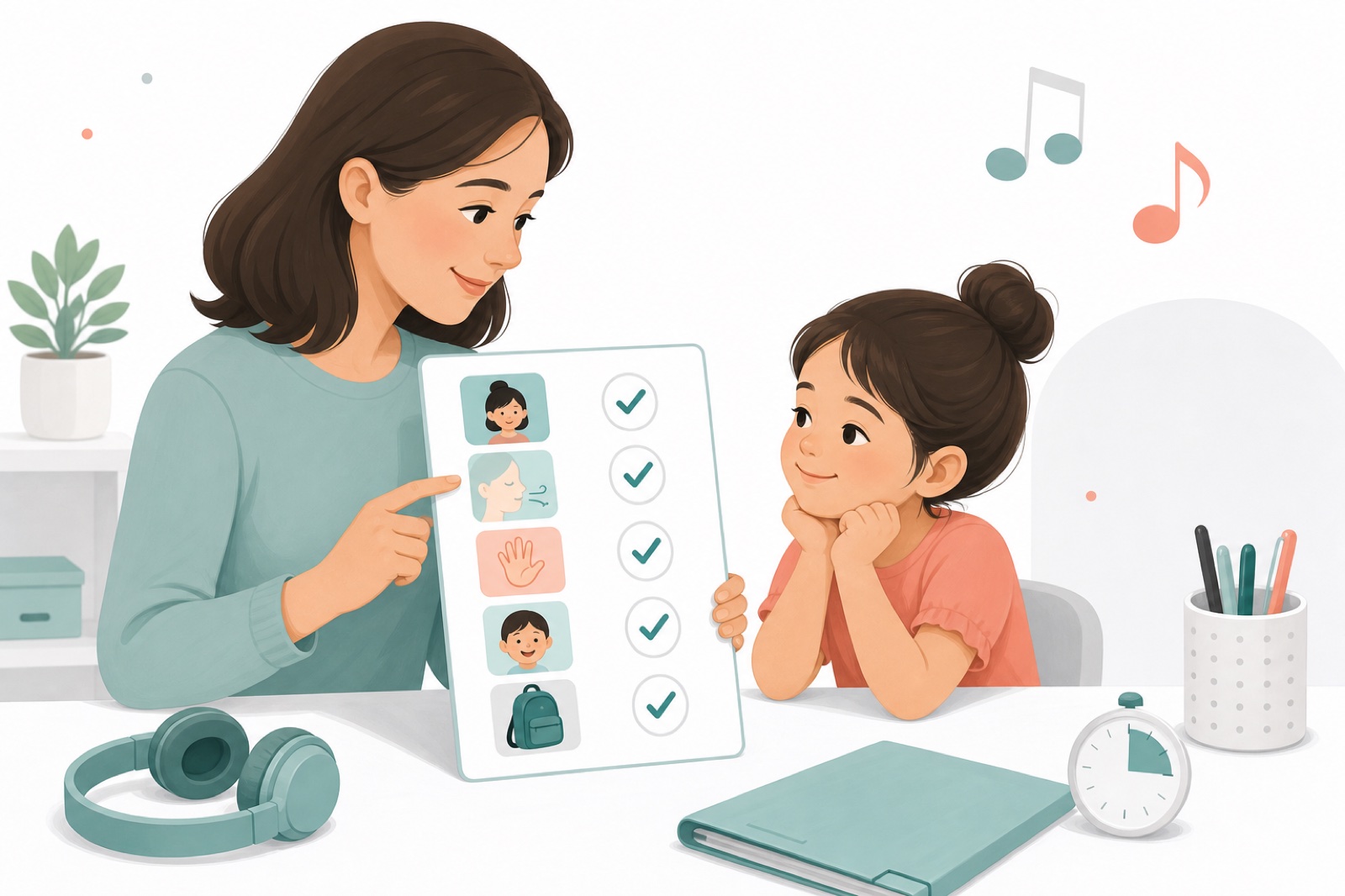
Home practice should be short, specific, and low-pressure. The goal is not to recreate the whole lesson. The goal is to help your child return to one clear assignment without feeling watched or judged.
Try this simple routine:
- Ask what small part the teacher assigned.
- Let your child play it once without correction.
- Notice one thing that improved.
- Repeat only if the mood is still positive.
- Stop before practice turns into a struggle.
What parents should avoid
Shy children can be highly sensitive to how adults react. Too much correction, too many questions, or too much attention can make practice feel bigger than it needs to be.
Try to avoid:
- Asking your child to perform for relatives before they are ready
- Correcting every note during home practice
- Comparing them with louder or faster classmates
- Turning one difficult day into a judgment about talent
- Making practice sessions too long
How to tell if confidence is growing
Confidence may show up quietly. Your child may answer one question they used to avoid, sit down at the keyboard faster, try a rhythm with less prompting, or recover from a mistake without shutting down.
Look for signs like:
- They are willing to return to the activity next week.
- They try a short section before asking for help.
- They can name one thing they practiced.
- They participate in a group rhythm or listening game.
- They make a mistake and try again.
- They show a song or pattern at home when the pressure is low.
Why iPianoLab works for cautious beginners
iPianoLab is built for beginning students and busy families. Students start with songs and small musical wins, then build toward keyboard geography, rhythm, counting, note reading, two-hand coordination, melody, chords, and music literacy.
School-based classes commonly meet once weekly for one hour, with levels organized into six lessons. Programs provide keyboards, headphones, books, music, and learning materials for class sessions. Families are encouraged to have a keyboard at home so short practice can stay easy between lessons.
If you are choosing a starter instrument, the iPianoLab keyboard buyer's guide can help keep the decision practical. You can also read the iPianoLab FAQ for parent-friendly program details.
FAQ: piano lessons for shy kids
Should shy kids take private or group piano lessons?
Both can work. A structured group class can help shy beginners feel less singled out, while private lessons may be useful for children who need very specific pacing. The best choice depends on the teacher, structure, and child.
What if my child does not want to play in front of others?
Start with participation before performance. A child can build confidence by clapping rhythms, trying short patterns, and playing for the teacher before they are ready to perform publicly.
Can piano lessons help with confidence outside music?
They can. Piano gives children practice with trying, repeating, listening, recovering from mistakes, and noticing progress. Those experiences can support confidence beyond music class.
How long does it take for a shy child to feel comfortable?
Every child is different. Some warm up after one or two classes, while others need several weeks of predictable routines and small wins. Watch for gradual participation rather than instant boldness.
Ready to help your child start with confidence?
A shy child does not need to become a different kind of child to learn piano. They need a beginner-friendly path that makes music feel safe, clear, and rewarding one step at a time.
Explore school-based piano programs, online piano learning, or begin here: