Should Kids Learn Piano Chords or Read Notes First?
Most beginner children should learn simple chords and note reading together instead of waiting to finish one before starting the other. Chords help a child make a full, satisfying sound quickly. Note reading helps the child understand written music and learn new songs more independently. A balanced program introduces each skill in small steps, alongside rhythm, listening, and comfortable movement.
For parents, the better question is not “Which one wins?” It is “Does the lesson sequence help my child play something meaningful now while building skills they can use later?” The answer should include both early musical success and steady music literacy.
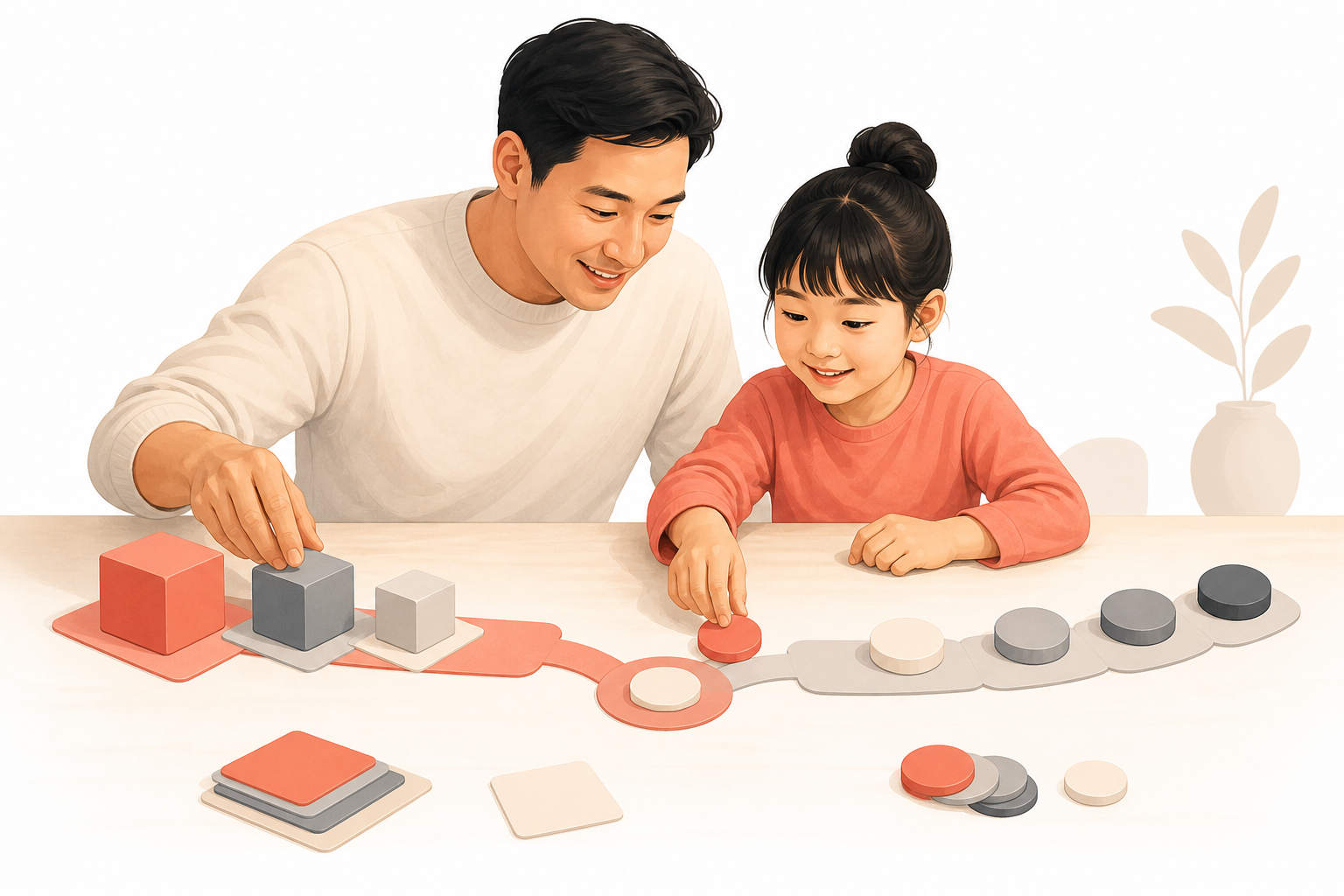
Why the chords-versus-notes question feels confusing
Beginner piano methods often emphasize different starting points. One lesson may help a child play a familiar melody by following a simple pattern. Another may begin with written notes. Another may use chord shapes so the child can accompany a song quickly. Each approach can be useful, but any single skill becomes limiting when it stays isolated for too long.
A child who learns only chord shapes may be able to follow a pattern but struggle to read an unfamiliar melody. A child who studies only written notes may understand the page but feel that playing a complete song takes too long. The strongest early path connects what the child sees, hears, counts, and plays.
What do piano chords teach children?
A chord is a group of notes played together. Beginner chord work can help children hear harmony and understand how several notes support a melody. It can also make a simple song sound complete before the child is ready for a difficult two-hand arrangement.
Simple chord activities can build:
- Two-hand coordination: one hand may play a melody while the other adds a simple chord or repeated pattern.
- Listening: children hear when harmony feels settled or when something does not match.
- Keyboard geography: familiar shapes help a child recognize distances and repeating patterns.
- Song confidence: an early full sound can make practice feel purposeful.
- Pattern recognition: children learn that musical ideas can repeat, move, and change.
Chords should not be treated as shortcuts that replace understanding. A child still needs to know what they are playing, keep a steady beat, and gradually connect shapes with note names and written music.
What does note reading teach children?
Note reading connects symbols on a page with pitch, rhythm, fingering, and musical direction. It gives children a way to learn music they have not already heard and to communicate with other musicians using a shared system.
Early note-reading work can build:
- Music literacy: understanding how written music represents sound.
- Independent learning: using the page to work out a new melody or rhythm.
- Accuracy: noticing direction, repeated notes, steps, skips, and rhythmic values.
- Memory support: using written music as a map instead of relying only on recall.
- Long-term flexibility: preparing to explore different songs, styles, and ensemble parts.
Note reading does not need to begin with pages of explanation. Children can start by following a short pattern, matching one written idea to a sound, and learning a few landmarks. The page should support music-making, not delay it.
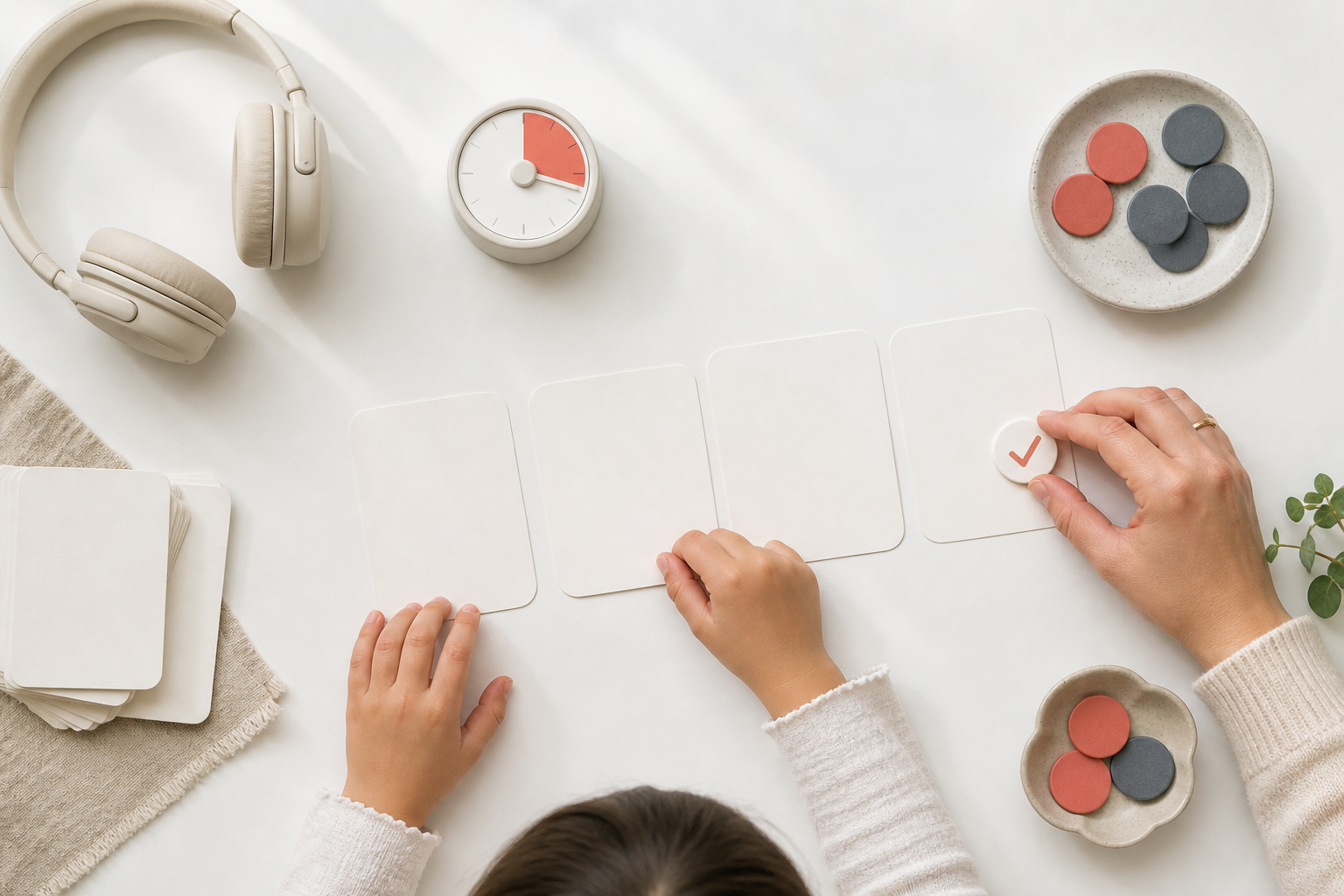
A balanced beginner order for chords and notes
There is no single sequence that fits every child, but a useful early progression often looks like this:
1. Begin with sound, rhythm, and keyboard geography
Before a child manages several symbols at once, they can find groups and patterns, copy a short rhythm, and hear whether two sounds are the same or different. This creates a practical foundation for both chords and reading.
2. Play a short melody or musical pattern
Early success matters. A few notes can become a recognizable musical idea. The goal is not to rush toward a performance; it is to show the child that careful listening and repetition create music.
3. Connect the pattern to simple written clues
The child can notice whether notes move up, down, or repeat, then connect those movements to the page. Add note names and staff landmarks gradually so reading remains tied to sound.
4. Add one easy harmony task
A repeated bass note, two-note interval, or simple chord can support the melody. Keep the left-hand task easy enough that the child can maintain the beat and listen to the whole result.
5. Revisit both skills in new songs
Children build real understanding when they use a skill in more than one piece. A strong lesson sequence returns to reading, chords, rhythm, and coordination in slightly different combinations instead of checking each idea off once.
Chords first, notes first, or both? A quick comparison
| Starting emphasis | Early advantage | What must follow |
|---|---|---|
| Simple chords and patterns | Children can create a fuller sound quickly | Connect shapes to note names, rhythm, reading, and new musical contexts |
| Note reading | Children begin decoding written music early | Keep the music playable and add harmony, listening, and creative pattern work |
| Balanced sequence | Playing and literacy grow together | Adjust the pace so neither hand coordination nor reading becomes overload |
What parents should look for in beginner piano lessons
You do not need to evaluate a lesson like a trained musician. Look for a clear, child-friendly sequence:
- Your child can explain one small goal for the week.
- The music sounds manageable, not like constant guessing.
- Lessons include rhythm and listening, not only naming notes.
- Chord shapes or patterns are connected to musical meaning.
- Written music appears in small, understandable steps.
- Your child plays songs or musical pieces while building fundamentals.
- The next lesson revisits earlier skills instead of jumping randomly.
If a child will learn from home, review whether online piano lessons are effective for kids and how the course provides structure and feedback. Families wondering about notation can also read whether a child needs to read music before starting piano lessons.
How iPianoLab approaches early piano learning
iPianoLab helps beginners play songs they enjoy early, then builds keyboard geography, rhythm, counting, note reading, two-hand coordination, melody, chords, and broader music literacy through a structured sequence. The goal is not to choose quick fun or strong fundamentals. It is to use early musical success to support steady skill-building.
Explore iPianoLab online learning options, or find a beginner path for your child.
Frequently asked questions
Can a child learn chords before reading music?
Yes. A child can learn simple chord shapes and patterns before reading fluently. The lesson should still connect those shapes to note names, rhythm, listening, and written music over time.
Should beginners memorize piano chords?
Recognizing a few common shapes can be useful, but memorization should serve music-making. Children benefit more when they can hear the chord, keep its rhythm steady, and understand how it supports a song.
Will learning chords make note reading harder?
No. The skills can reinforce each other when they are taught together. Chords reveal patterns on the keyboard, while reading gives those patterns names and written context.
What if my child dislikes reading music?
Reduce the amount on the page and connect each symbol to something the child can hear and play. A short reading task inside a familiar song may feel more meaningful than a long worksheet or isolated drill.
How quickly should both hands play together?
There is no fixed deadline. Begin with an easy task in each hand and combine them only when the child can keep a steady beat without strain or confusion. Coordination improves through many small, successful repetitions.