When Should Your Child Upgrade From a 61-Key Keyboard?
A 61-key keyboard can be a smart first instrument for a young beginner. It is smaller, easier to place at home, and usually less expensive than a full-size digital piano. For many children, that practicality matters more than buying the biggest instrument on day one.
The question comes later: when has your child outgrown that first keyboard? The short answer is that most beginners do not need to upgrade immediately, but an upgrade starts to make sense when the instrument is limiting range, hand position, dynamics, lesson assignments, or motivation.
At iPianoLab, becoming PianoFlight in Summer 2026, we want families to spend money at the right time. Students build confidence through songs they enjoy, then grow into fundamentals such as keyboard geography, rhythm, counting, note reading, two-hand coordination, melody, chords, and musical independence.
Start a beginner-friendly piano path

Quick answer: when should a child upgrade from a 61-key keyboard?
Consider upgrading from a 61-key keyboard when your child is practicing consistently, using both hands comfortably, needing notes beyond the keyboard's range, working on touch and dynamics, or feeling held back by the instrument. If your child is still building a routine, finding notes, and learning short beginner songs, a practical 61-key keyboard may still be enough.
The best next instrument for most growing students is usually a digital piano with 88 full-size keys, touch response, a stable stand, a comfortable bench, a sustain pedal, and a headphone option. Weighted keys can be helpful as the student matures, but they are not always the first thing a young beginner needs.
If you are still comparing starter sizes, read the iPianoLab guide to 61-key vs 88-key keyboards for kids piano lessons. For broader shopping basics, use the First Time Keyboard Buyer's Guide.
1. Your child is running out of notes
A beginner can do a lot on 61 keys. Early songs, simple melodies, rhythm work, and many first two-hand activities fit comfortably. But as music becomes more advanced, students may need lower bass notes, higher melody notes, or a wider hand position than the smaller instrument can provide.
If your child keeps saying, "I don't have that note," or if the teacher is regularly modifying assignments because the keyboard range is too small, it may be time to plan the upgrade.
2. Two-hand coordination is becoming a real strength
In the beginning, two-hand playing can be simple: one hand holds a small pattern while the other plays a melody. As children improve, both hands may move farther apart or play fuller patterns. A larger instrument gives them more room to understand how the keyboard is organized from low to high.
This is especially useful when a child is ready to connect note reading, listening, and keyboard geography. The goal is not just more keys. The goal is a clearer map of the instrument.
3. Touch response and dynamics start to matter
Many starter keyboards make the same sound no matter how gently or firmly a child plays. That can be fine for early note learning, but eventually students need to hear the difference between soft and strong playing.
Touch response helps children understand musical expression. Weighted or semi-weighted keys can also help, especially as the student prepares for acoustic piano technique. The right timing depends on the child's age, hand comfort, consistency, and lesson goals.

4. Practice has become consistent
Before upgrading, ask whether the current instrument is actually being used. A better instrument can support progress, but it will not create a practice habit by itself.
If your child is already sitting down several times a week, remembering songs, trying assignments without a fight, and showing curiosity between lessons, a better instrument may reward that momentum. If practice is still inconsistent, focus first on routine, location, headphones, and a realistic schedule.
5. The current keyboard is physically frustrating
Sometimes the issue is not the number of keys. It is the whole setup. A keyboard on a wobbly table, a bench at the wrong height, tiny keys, distracting light-up features, or a weak music stand can make practice harder than it needs to be.
Before buying a larger instrument, check the setup. A stable stand, comfortable seat, good headphones, and a clear practice spot can make a starter keyboard feel much better. If those fixes still do not solve the problem, the upgrade may be worthwhile.
What should parents buy next?
For most growing beginner students, look for practical features rather than a complicated feature list:
- 88 full-size keys if space and budget allow
- Touch-sensitive keys at minimum
- Weighted or semi-weighted action when the child is ready
- A stable stand and adjustable bench
- A sustain pedal
- A headphone jack for home practice
- A simple interface without distracting extras
Avoid buying based only on the biggest number of sounds, flashing features, or a package that looks impressive online. For a student, the instrument should make practice easier to start and easier to repeat.
Should every beginner start on 88 keys?
No. An 88-key digital piano is a strong long-term choice, but not every family needs to start there. A 61-key keyboard can be enough for early lessons when it has full-size keys, touch response if possible, and a setup that makes practice easy.
The better question is: what will help this child practice this month? If a smaller keyboard gets a beginner started with less friction, it can be a good first step. If the child is already committed and the budget allows, starting with a fuller instrument can prevent an upgrade later.
How lessons should guide the upgrade
Your child's teacher can often tell when the instrument is becoming the limiting factor. Ask what skills are coming next, whether assignments need more range, and whether touch response or weighted keys would make a meaningful difference now.
iPianoLab is built for beginners, so the instrument conversation should stay practical. Children need a path that connects songs, rhythm, keyboard geography, note reading, and confidence. The instrument should support that path without making families overspend too early.
How this fits iPianoLab and PianoFlight
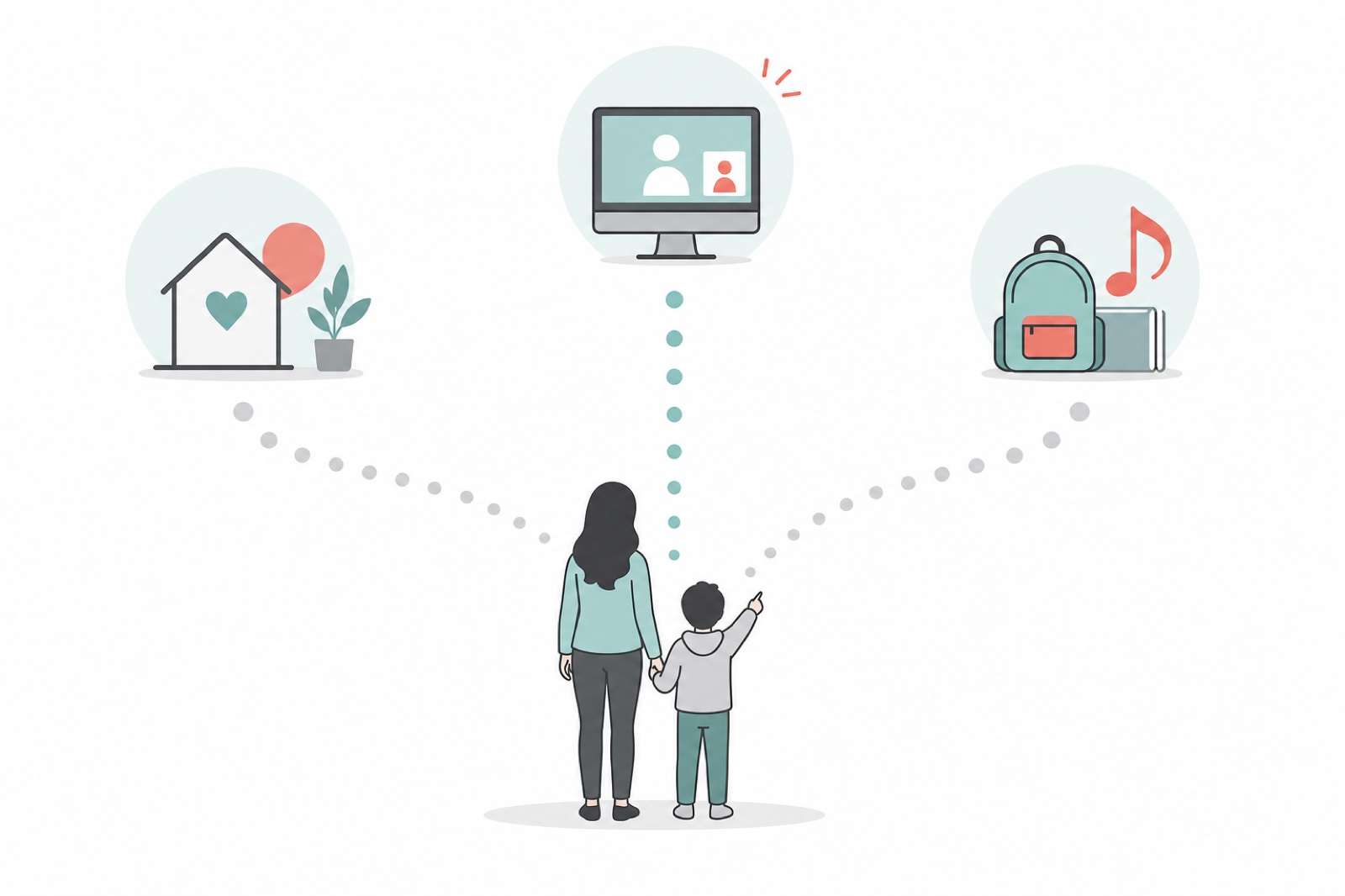
Whether your child learns through online piano lessons, an after-school piano program, or a local class, the goal is the same: help beginners play real music early while building the skills that make future progress possible.
As iPianoLab becomes PianoFlight in Summer 2026, the program, team, and beginner-friendly learning path continue. Families can keep using iPianoLab as the parent-facing place to learn, compare options, and sign up.
Parent checklist before upgrading
- Has my child practiced consistently for at least several weeks?
- Does the teacher say range, touch, or setup is limiting progress?
- Is my child using both hands with more independence?
- Do assignments require notes outside the 61-key range?
- Would a stable stand, bench, or headphones solve the problem first?
- Will the new instrument fit the space where practice actually happens?
If most answers are yes, it may be time to compare 88-key digital pianos. If not, keep the setup simple and focus on steady practice.
FAQ
Is a 61-key keyboard enough for beginner piano lessons?
Yes, a 61-key keyboard can be enough for many beginners, especially early elementary students who are learning short songs, basic rhythm, note patterns, and simple two-hand coordination. Make sure the keys are full-size and the setup is stable.
When do kids outgrow a 61-key keyboard?
Kids usually outgrow a 61-key keyboard when their music needs more range, their hands move farther apart, they need better touch control, or the teacher is regularly changing assignments because the keyboard is too limited.
Do children need weighted keys right away?
Not always. Weighted keys are useful for developing piano technique, but a very young beginner may first need comfort, routine, and clear early wins. Touch-sensitive keys are a helpful minimum when possible.
Should I buy an acoustic piano instead?
An acoustic piano can be wonderful if it is in good condition and maintained, but many families do well with a quality digital piano because it offers headphones, easier placement, and lower maintenance.
What if my child is taking online piano lessons?
For online piano lessons, the same upgrade signs apply. The most important setup is still a stable instrument, a clear camera angle, headphones when needed, and a practice space your child can return to easily.
If your child is ready for the next step, iPianoLab can help you choose the lesson path before you overspend on gear. Sign up for iPianoLab and build the routine, skills, and confidence that make the instrument worthwhile.