Homeschool Piano Lessons for Kids: A Simple Weekly Music Plan
A good homeschool piano plan does not need to turn a parent into the piano teacher. It needs one clear learning path, a realistic weekly rhythm, an instrument the child can use, short practice windows, and a simple way to notice progress. Start with three focused music sessions each week, keep the routine small enough to repeat, and use live help when a child needs feedback that a video or worksheet cannot provide.
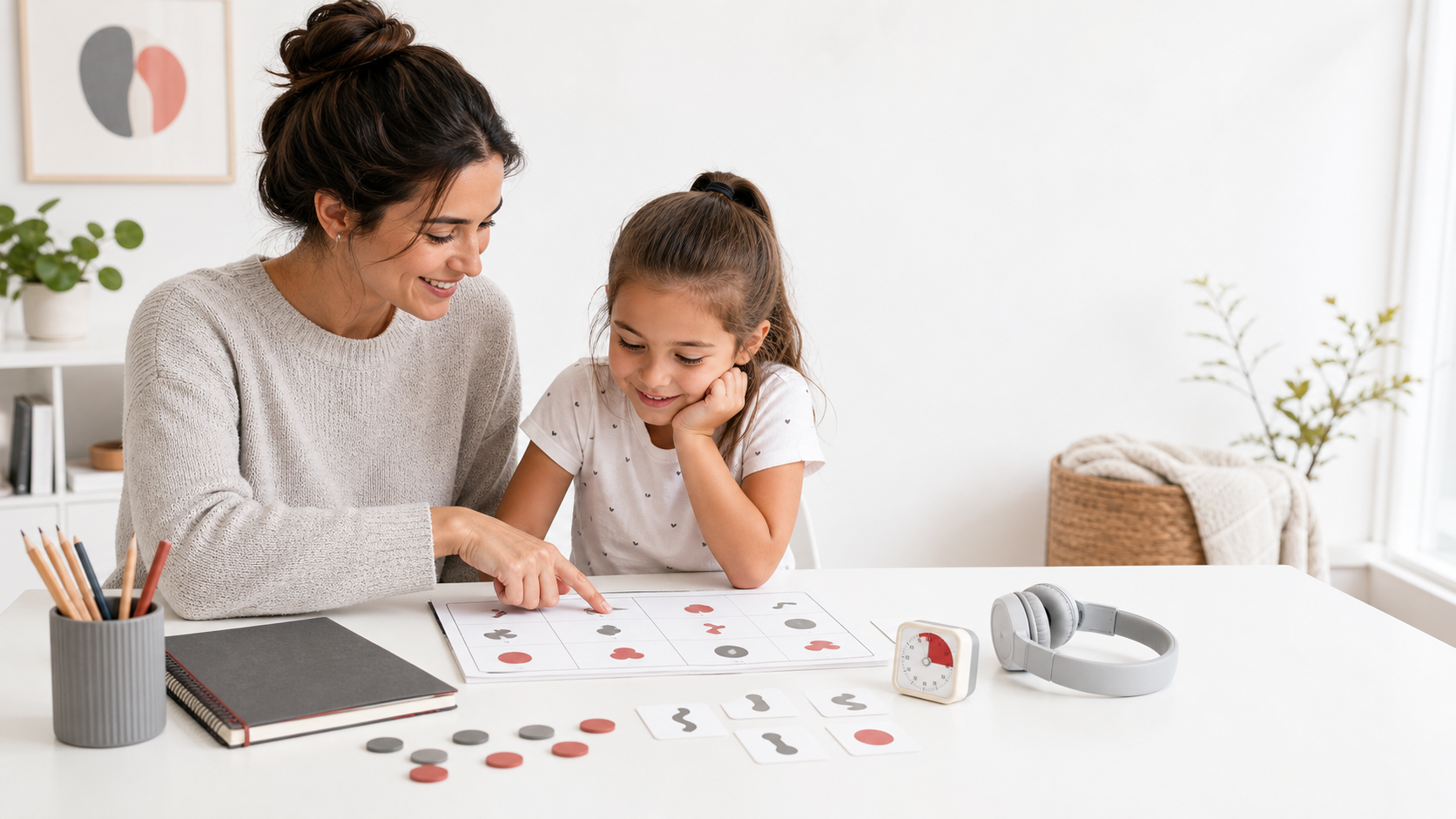
Homeschool families often have more control over the school day, but flexibility can create a different problem: music gets pushed to “later.” A child may watch a lesson once, try a song for a few minutes, and then lose the thread before the next session.
The solution is not a stricter school-at-home schedule. It is a repeatable plan that separates learning something new, practicing it, and showing what the child can do. That structure works whether the main lesson is a self-paced video, a live online class, a local teacher, or a blend of formats.
If you are still comparing lesson formats, see the iPianoLab guide to live online piano lessons versus video lessons for kids. The plan below focuses on what happens after you choose a starting path.
What should a homeschool piano plan include?
A practical homeschool piano plan should include six things:
- One primary lesson source so the child is not jumping among unrelated tutorials.
- A usable keyboard or piano in a place where the child can focus.
- Three short weekly touchpoints for learning, practice, and review.
- Age-appropriate music that gives the child an early reason to play.
- Feedback from a teacher, coach, or structured lesson when the child is stuck.
- A visible next step that is more specific than “practice piano.”
You do not need to buy several methods at once. In fact, too many resources can make it harder to tell what comes next. Choose one sequence, follow it long enough to see how the child responds, and add a supplemental song or rhythm game only when it supports the same skill.
Explore iPianoLab online learning options
A simple three-session weekly plan
The exact days can change. The important part is that the three sessions do different jobs.
Session 1: Learn and try
Begin with the next lesson in the child’s main sequence. Watch or listen in small sections, then pause so the child can try the idea. A beginner may be working on keyboard geography, steady beat, finger numbers, a short melody, a chord shape, or coordinating two hands at an appropriate level.
Keep the goal narrow. “Play the first four measures with a steady count” is easier to understand than “learn the song.” If the lesson introduces several ideas, pick the one the child can repeat independently before the session ends.
Session 2: Repeat and solve
Return to the same small goal. Ask the child to begin without replaying the entire lesson. That quick attempt shows whether the idea stayed clear.
If it works, repeat it a few times with attention to rhythm and relaxed movement. If it does not work, identify the smallest problem: finding the starting note, remembering a hand position, counting the rhythm, or moving between two shapes. Rewatch only the relevant part of the lesson or write down the question for live help.
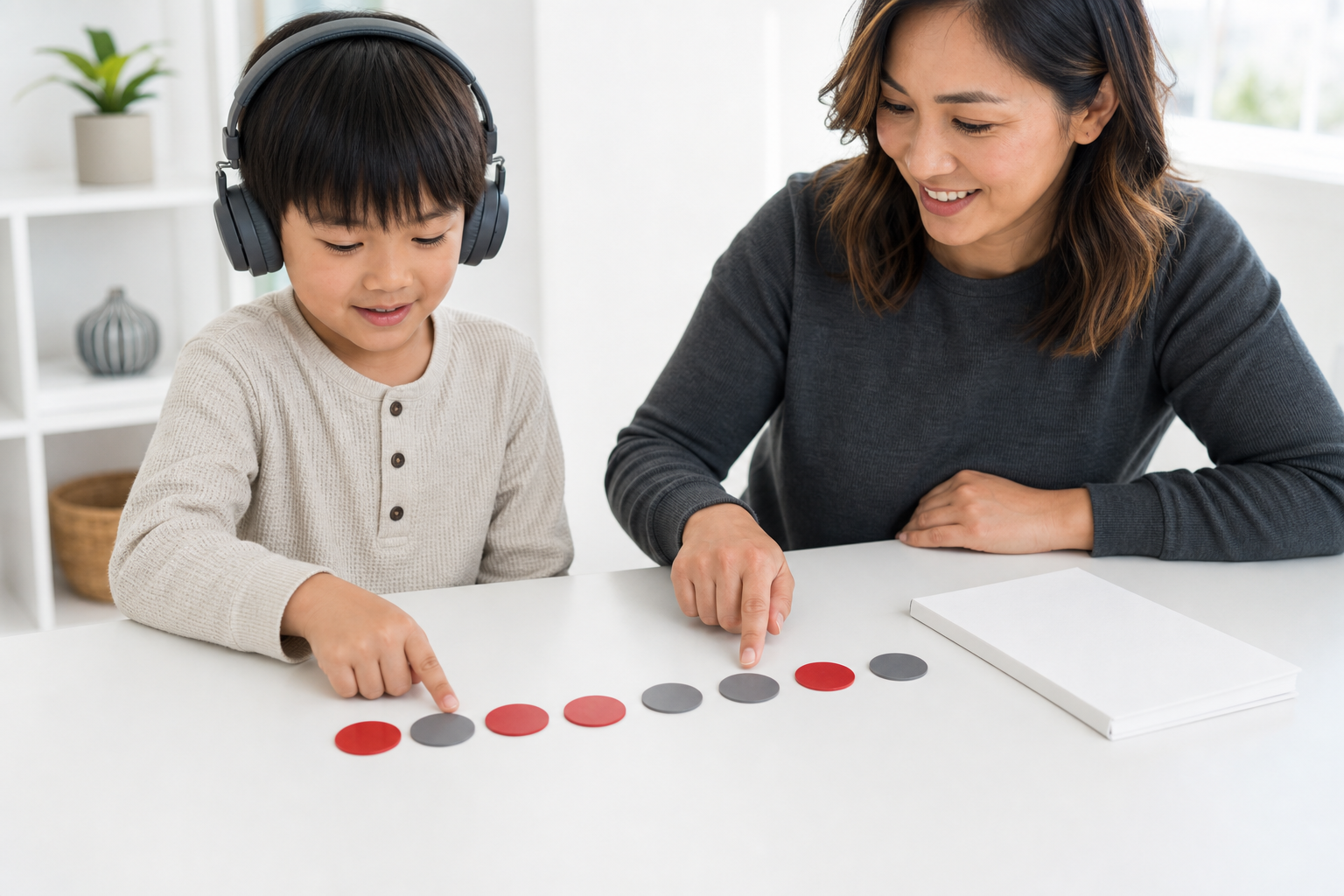
Session 3: Play, review, and choose the next step
Use the final session as a small checkpoint. Invite the child to play the week’s example, explain one thing that changed, or demonstrate a rhythm. This is not a recital and it does not need to be perfect.
Finish by naming the next action in plain language:
- repeat the same four measures with a steady count;
- move to the next lesson;
- ask a teacher about one confusing movement;
- practice the left-hand pattern separately; or
- choose a familiar song that uses the same skill.
A clear next action removes the “What should I do today?” friction from the following week.
How long should homeschool piano sessions be?
Choose a length the child can repeat with attention. For many beginners, a focused short session is more useful than a long session filled with reminders and frustration. Age, attention, task difficulty, and lesson format all matter, so there is no single correct number for every child.
Use the child’s behavior as the guide. A useful session usually ends while the child can still name what they worked on. If the child repeatedly loses the goal, shorten the task before assuming the child lacks motivation.
For a deeper age-by-age discussion, read How Long Should a Piano Lesson Be for a Child?
What should parents do during homeschool piano time?
The parent’s best role is usually routine keeper, listener, and question collector—not substitute piano teacher.
A parent can help by:
- protecting the agreed music time;
- opening the correct lesson or music;
- asking the child to state the small goal;
- listening for a beginning, middle, and end;
- noticing effort and a specific improvement;
- recording one question for the teacher; and
- ending before the session becomes a conflict.
A parent does not need to correct every note. Too much real-time correction can make the child wait for an adult’s answer instead of listening, trying, and solving. When the same problem survives several attempts, that is useful information for the next teacher check-in.
How to choose a homeschool piano lesson format
Match the format to the kind of support the child needs.
| Format | May fit when | Watch for |
|---|---|---|
| Self-paced video lessons | Your family needs flexible timing and the child can repeat short directions independently. | Skipping ahead, replaying without trying, or staying stuck without feedback. |
| Live online lessons | The child benefits from scheduled feedback while learning from home. | Technology setup, camera angle, and whether the teacher can see enough of the child’s movement. |
| In-person lessons or classes | The child responds well to a separate learning space, direct demonstration, or peer energy. | Travel time, schedule fit, and how home practice connects to the lesson. |
| Blended learning | The family wants flexible video practice plus regular live feedback. | Using two unrelated sequences that give the child conflicting next steps. |
The right format is the one your family can use consistently and the child can understand. Convenience matters, but so do feedback, pacing, attention, and the child’s comfort asking for help.
How to track progress without grades
Progress is easier to see when it is attached to observable skills. Instead of giving a broad grade for “piano,” keep a short list of things the child can now do.
Examples include:
- find a group of two or three black keys;
- keep a steady beat through a short pattern;
- name the starting note without help;
- play a short melody with the intended fingers;
- repeat a chord change smoothly;
- coordinate two hands for a small section;
- read and follow a simple rhythm; or
- restart after a mistake without giving up.
iPianoLab’s structured curriculum uses multiple levels, with six lessons in each level. That kind of checkpoint can help a family review a small body of work before moving on, while still allowing the child to build skills at an appropriate pace.
Common homeschool piano mistakes to avoid
- Collecting too many resources. A larger library is not automatically a clearer path.
- Changing the goal every session. Beginners need enough repetition for a skill to become usable.
- Making practice the parent’s performance. The child needs room to listen and solve.
- Waiting for a perfect schedule. Three small repeatable touchpoints beat a plan that never starts.
- Using only screen time. Watch briefly, then move to listening, tapping, singing, writing, or playing.
- Ignoring confusion. Repeated uncertainty is a reason to ask for feedback, not to keep replaying the same explanation indefinitely.
Frequently asked questions
Do parents need to know piano?
No. A parent can support the schedule, help the child open the correct lesson, listen to a short result, and collect questions. The instructional sequence or teacher should provide the musical explanation.
Can piano count as homeschool music?
Families can use piano learning as part of their music education plan, but recordkeeping and subject requirements vary by state, program, and family arrangement. Check the rules that apply to your homeschool rather than assuming a lesson provider supplies accreditation, grades, or official course credit.
Does a child need a full acoustic piano?
No. Many beginners start with a digital keyboard. The instrument should have a real piano-style key layout, work reliably, and support the child’s current lesson needs. See the iPianoLab 61-key versus 88-key keyboard guide before buying.
How often should a homeschool child take a live lesson?
There is no universal schedule. A regular live lesson or check-in can be useful when the child needs feedback, accountability, or help moving past repeated confusion. Choose a cadence that connects clearly to the work happening between meetings.
What if the child loses interest?
First check the size of the task, the music choice, the lesson format, and whether the child understands the next step. A child may resist confusion or overload rather than music itself. Shorten the task, restore a familiar musical win, and ask the teacher what to adjust.
Build a plan your family can repeat
A homeschool piano plan works when the child knows where to begin, the parent knows how to support without taking over, and the week contains enough repetition for progress to become visible. Start with one learning path and three short touchpoints. Review what the child can do, choose the next small step, and add live feedback when it will solve a real problem.
Compare iPianoLab online lesson options
Families who prefer an in-person class can also review current iPianoLab signup paths.