Back-to-School Piano Lessons: A Busy Family’s Weekly Plan
The simplest back-to-school piano plan is one dependable lesson or class, three or four short practice windows, and one flexible catch-up slot. Put those times beside homework, sports, and family commitments before the week fills up. The goal is not a perfect schedule. It is a routine your child can repeat without piano becoming one more source of stress.
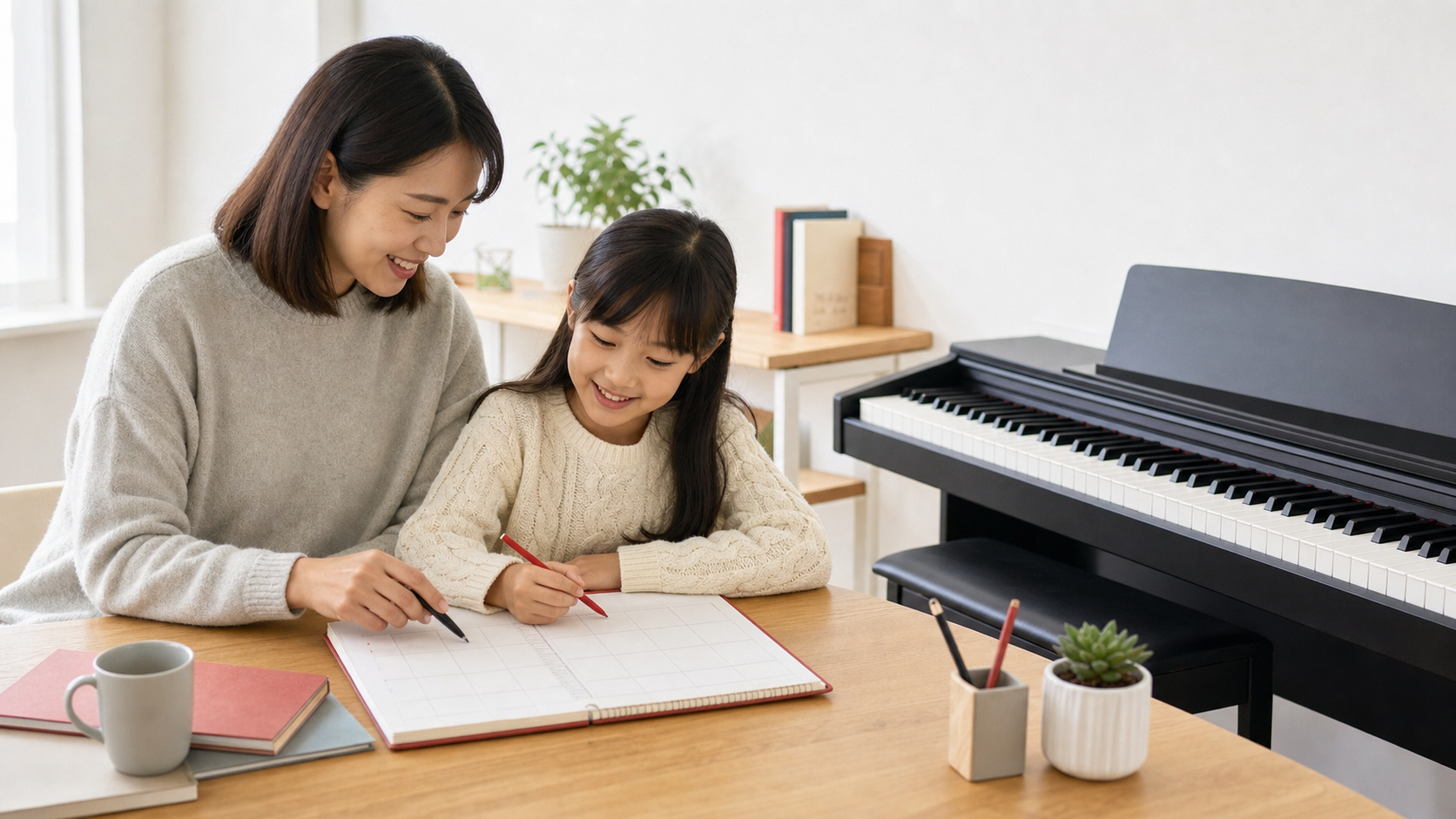
Back-to-school weeks can get crowded fast. Pickup times change. Homework gets heavier. Sports, clubs, and family plans compete for the same afternoon hours. Parents may want to start piano lessons, but worry that a new activity will be hard to sustain.
Piano can fit a busy school schedule when the plan is small, visible, and flexible. You do not need to reserve a long practice block every day. You do need a clear lesson path, a few repeatable home moments, and a backup plan for the week that does not go as expected.
Quick answer: what should a back-to-school piano week look like?
| Part of the week | Simple plan | Why it helps |
|---|---|---|
| Lesson or class | Keep one dependable time whenever possible | Creates a clear weekly reset and next step |
| Home practice | Choose three or four short windows tied to routines you already have | Makes starting easier than waiting for a large open block |
| Catch-up | Protect one flexible weekend or low-pressure slot | Keeps one missed day from turning into a missed week |
| Family check | Ask one question at the end of the week: what felt easy to repeat? | Helps you adjust the routine without overreacting to one hard day |
This plan can support an after-school class, private instruction, or online learning. The exact times will vary. The useful pattern is consistent instruction, small home repetitions, and room to recover when school life changes.
Start with the school-week constraints, not an ideal practice chart
Before choosing lesson times, look at the week your family actually has. Mark school dismissal, transportation, homework, meals, bedtime, and any activity that already has a fixed time. Then notice where your child usually has usable energy.
A free hour on paper is not always a good learning hour. A child may need food and a break after school. Another child may prefer to sit at the piano before starting homework. The best practice time is often the one that fits a familiar transition:
- after a snack and a short reset;
- before homework begins;
- after dinner but before screens or bedtime routines;
- early on a weekend morning; or
- right after an online lesson while the next step is still clear.
Choose two likely anchors and one backup. That is more useful than promising daily practice at a time the family rarely controls.
Use short practice windows on busy school days
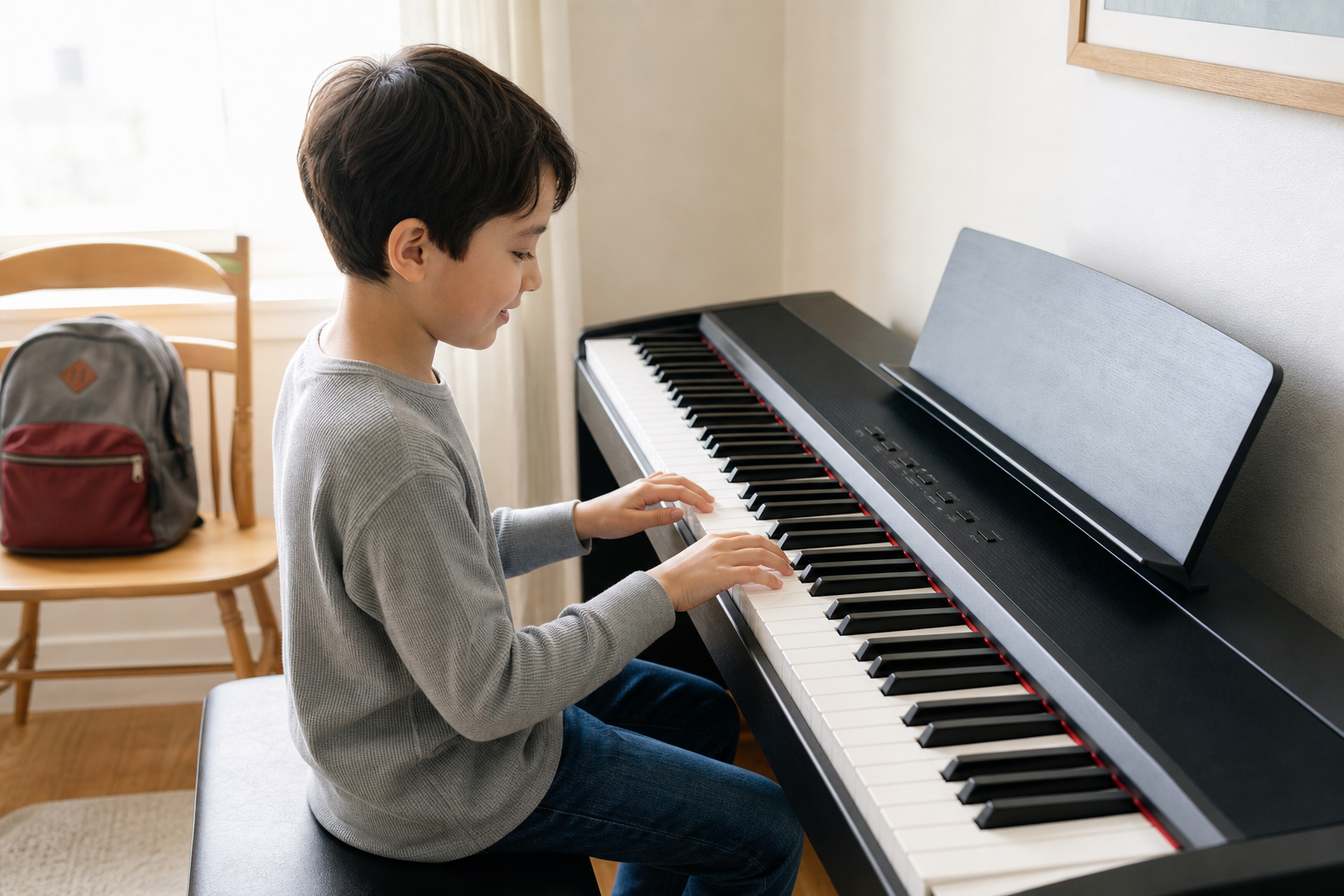
When the calendar is full, define practice by the task rather than by a large number of minutes. A beginner might replay one section of a song, find a group of notes, clap a rhythm, or review what the teacher demonstrated. A focused short session can keep the learning thread alive.
Try a three-part practice cue:
- Start with something familiar. Play a song or pattern your child already recognizes.
- Work on one small next step. Keep the target specific enough to finish.
- End with a win. Repeat the strongest part or let your child choose a favorite song.
This structure makes practice feel complete even when the session is brief. It also gives parents a way to help without turning home time into a second lesson.
Choose the lesson format that removes the biggest scheduling problem
Families often compare piano options by teaching style alone. During the school year, logistics matter too. The right format should reduce friction, not require the family to rebuild the week around it.
After-school piano classes
An after-school class can work well when your child can learn at a school-based location without adding another separate trip. iPianoLab after-school enrichment classes commonly meet once weekly for one hour. Levels are six lessons each, and classes provide keyboards, headphones, books, music, and learning materials.
If your family is choosing a class at your child’s school, visit the iPianoLab school-class page. That page is for parents and students selecting an available school program.
Online piano learning
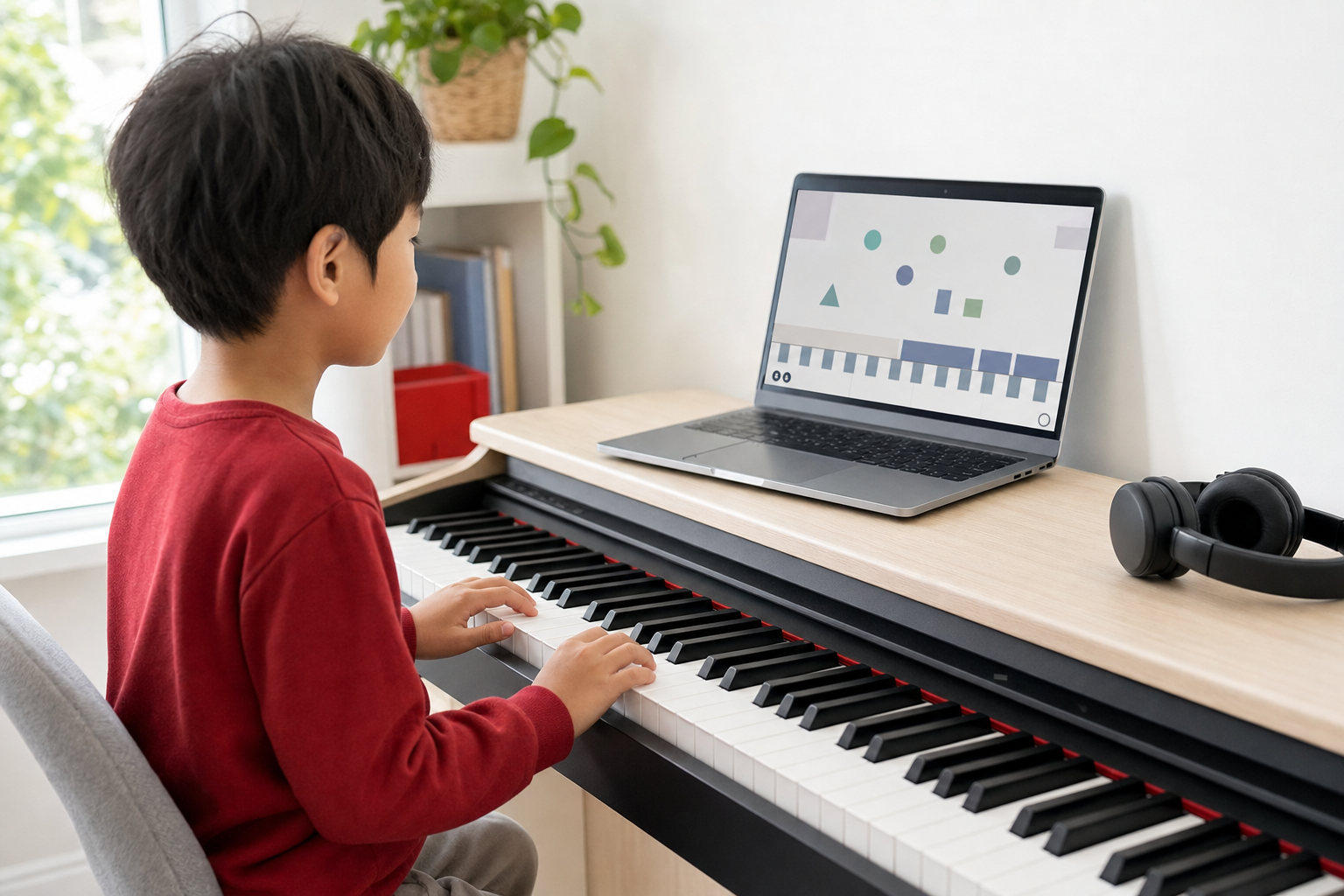
Online learning can help when transportation, changing activity times, or multiple family schedules make a fixed trip difficult. It also gives a child a repeatable place to review lessons, songs, and tutorials at home.
Explore iPianoLab online learning if flexibility is the main obstacle between your child and a consistent piano routine.
Private lessons
Private instruction can make sense when a child needs focused one-to-one teaching or the family has a reliable lesson time. Before enrolling, confirm the location, travel time, lesson length, home expectations, and what happens when a school event changes the week.
If you are still comparing schedules, the guide to how often kids should take piano lessons can help you choose a realistic instruction rhythm.
Build a two-week trial before committing to a perfect routine
The first school-week schedule is rarely the final one. Give the plan two weeks, then review the pattern. Look for what actually happened rather than what the calendar said should happen.
After two weeks, ask:
- Did the lesson or class time remain dependable?
- Which home practice window was easiest to start?
- When did my child have the most useful energy?
- Did transportation create more friction than expected?
- Was the home task clear enough for the child to begin?
- Did one missed day derail the week, or did the catch-up slot work?
Keep the parts that repeated naturally. Move or remove the parts that depended on an unusually calm day. A sustainable routine is allowed to be smaller than the first plan.
What to do when the week falls apart
A school project, illness, family event, or late pickup can interrupt practice. That does not mean the piano plan failed. Use a minimum version of the routine:
- play one familiar song;
- review one teacher note or tutorial;
- listen and tap the rhythm away from the keyboard;
- move one short session to the catch-up slot; or
- ask the teacher what single task matters most before the next lesson.
The purpose is continuity, not perfection. A small musical action keeps the next lesson from feeling like a complete restart.
Back-to-school piano checklist for parents
- Choose the learning format that fits transportation and family time.
- Put the lesson or class on the shared calendar.
- Pick three or four short practice windows.
- Add one flexible catch-up time.
- Make sure the keyboard, bench, headphones, and materials are easy to reach.
- Define one small task for each home session.
- Review the routine after two weeks.
Families starting from zero can also use the guide to beginner piano lessons with no musical background. Parents do not need prior music training to help a child protect a time, open the lesson, and celebrate a small win.
Frequently asked questions
How many days a week should a child practice piano during school?
Many families begin with three or four short practice windows plus the lesson or class. The right number depends on the child, the teacher’s plan, and the family schedule. Consistency matters more than building a routine that is too large to repeat.
Is after school a good time for piano practice?
It can be, especially after a snack or short break. Some children have useful energy right after school, while others do better before homework, after dinner, or on weekend mornings. Test two times and keep the one that is easier to start.
What if sports and piano happen on the same day?
Use a shorter task on the crowded day or move practice to the catch-up slot. Avoid depending on the most exhausting day for the week’s most important piano work.
Are online piano lessons good for a busy family?
Online learning can reduce transportation and give families more control over when a child reviews material. It works best when the child still has a visible weekly plan, an accessible keyboard, and a clear next activity.
How do I know whether the routine is too busy?
Watch for a pattern: practice is repeatedly skipped, the child is always exhausted at the planned time, or the family cannot explain the next task. If that continues for two weeks, reduce the plan, change the time, or choose a more flexible lesson format.
Make piano one dependable part of the school week
A busy family does not need an elaborate piano schedule. Start with one clear learning path. Protect a few short practice windows. Keep one catch-up option. Then adjust the plan using the week your child actually lived.
When you are ready to compare current beginner options, visit the iPianoLab signup page and choose the path that best fits your child’s school-year routine.