How to Choose a Piano Teacher for Kids: A Parent Guide
Choosing a piano teacher for a child is less about finding the most impressive musician and more about finding the right beginner guide. A strong teacher helps a child feel successful early, explains music in clear steps, notices when something is too hard, and gives parents a simple way to support practice at home.
The short answer: the best piano teacher for kids is patient, structured, encouraging, and comfortable teaching true beginners. Look for a teacher who can make lessons feel playful without becoming random, build fundamentals through songs your child can actually play, and explain what progress should look like after the first few weeks.
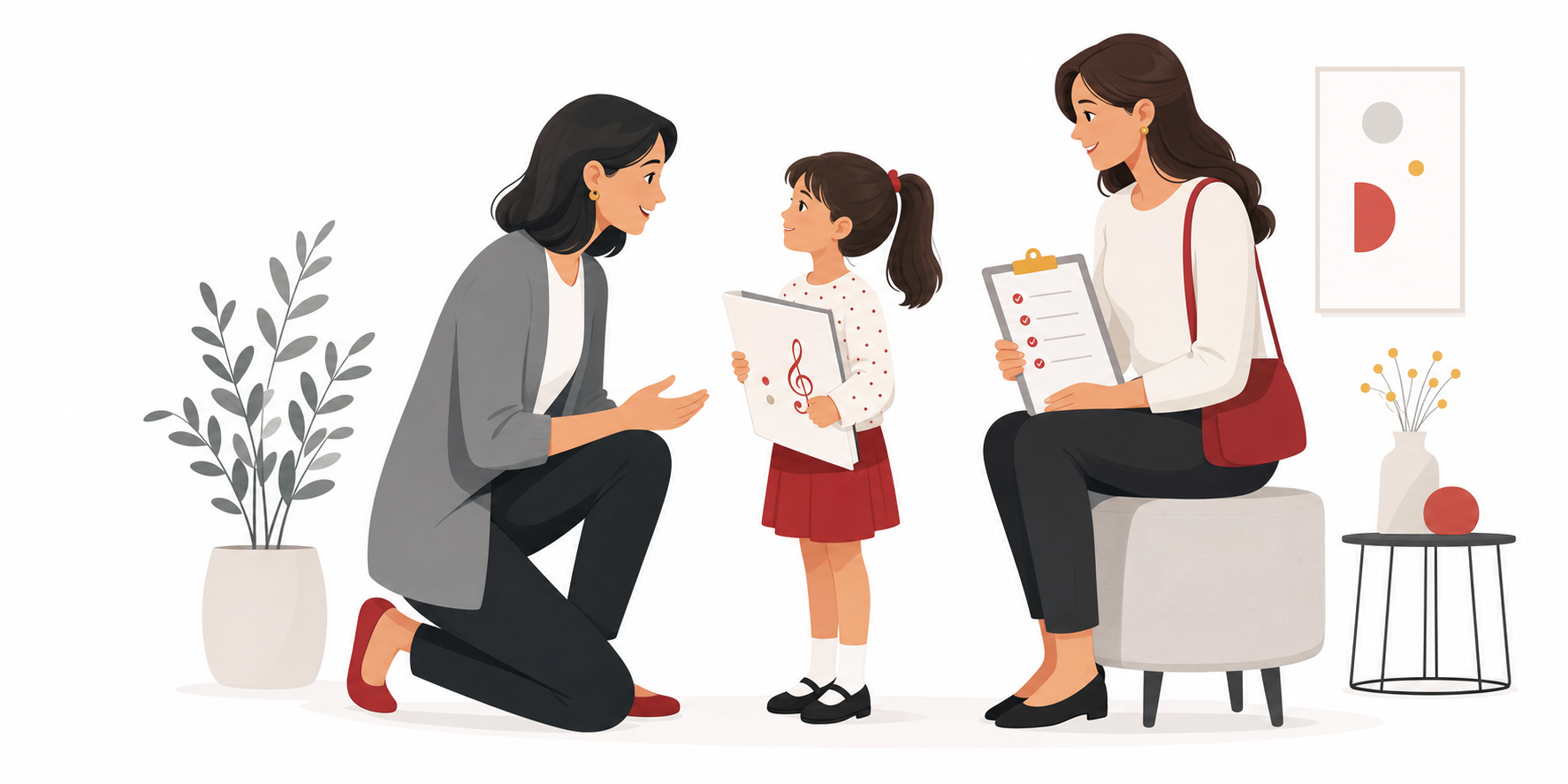
What parents should look for first
Before you compare lesson prices, schedules, or formats, look for signs that the teacher understands how children learn. Beginner piano lessons for kids should feel organized and warm at the same time. The lesson should not be a lecture, but it also should not be unstructured playtime with a keyboard nearby.
- Clear steps: The teacher can explain what your child will learn first, then what comes next.
- Beginner patience: The teacher expects slow moments and knows how to reset without shame.
- Kid-friendly language: Rhythm, finger numbers, note names, and keyboard geography are explained in words a child can use.
- Real musical goals: Your child gets songs, patterns, or short musical wins early, not only exercises.
- Parent communication: You know what to practice, how long to practice, and when to ask for help.
Ask how lessons are structured
A strong beginner teacher should be able to describe the lesson rhythm without sounding rigid. For a young student, structure often matters more than lesson length. Kids do better when they know what to expect: a warm-up, a song or skill focus, a rhythm activity, a short review, and a clear practice assignment.
At iPianoLab, our approach is built around helping beginners play music they enjoy early while steadily building fundamentals: keyboard geography, rhythm, counting, note reading, melody, chords, two-hand coordination, and music literacy. Whether a child learns online, after school, or with a teacher in person, those building blocks should be visible in the lesson plan.
Listen for how the teacher talks about practice
Practice advice should be realistic for families. If a teacher tells a new seven-year-old to practice for an hour every day, that may sound serious, but it is not always practical. Most beginners need a short, repeatable plan that parents can support without turning practice into a daily argument.
Good practice guidance might sound like this:
- Play the assigned song two or three times slowly.
- Clap or count one rhythm pattern before playing.
- Practice one small spot instead of restarting the whole song every time.
- Stop while the child still feels successful.
If practice has already become tense at home, start with our guide on helping your child practice piano without battles. A good teacher should be able to partner with you on that problem rather than simply saying, "practice more."
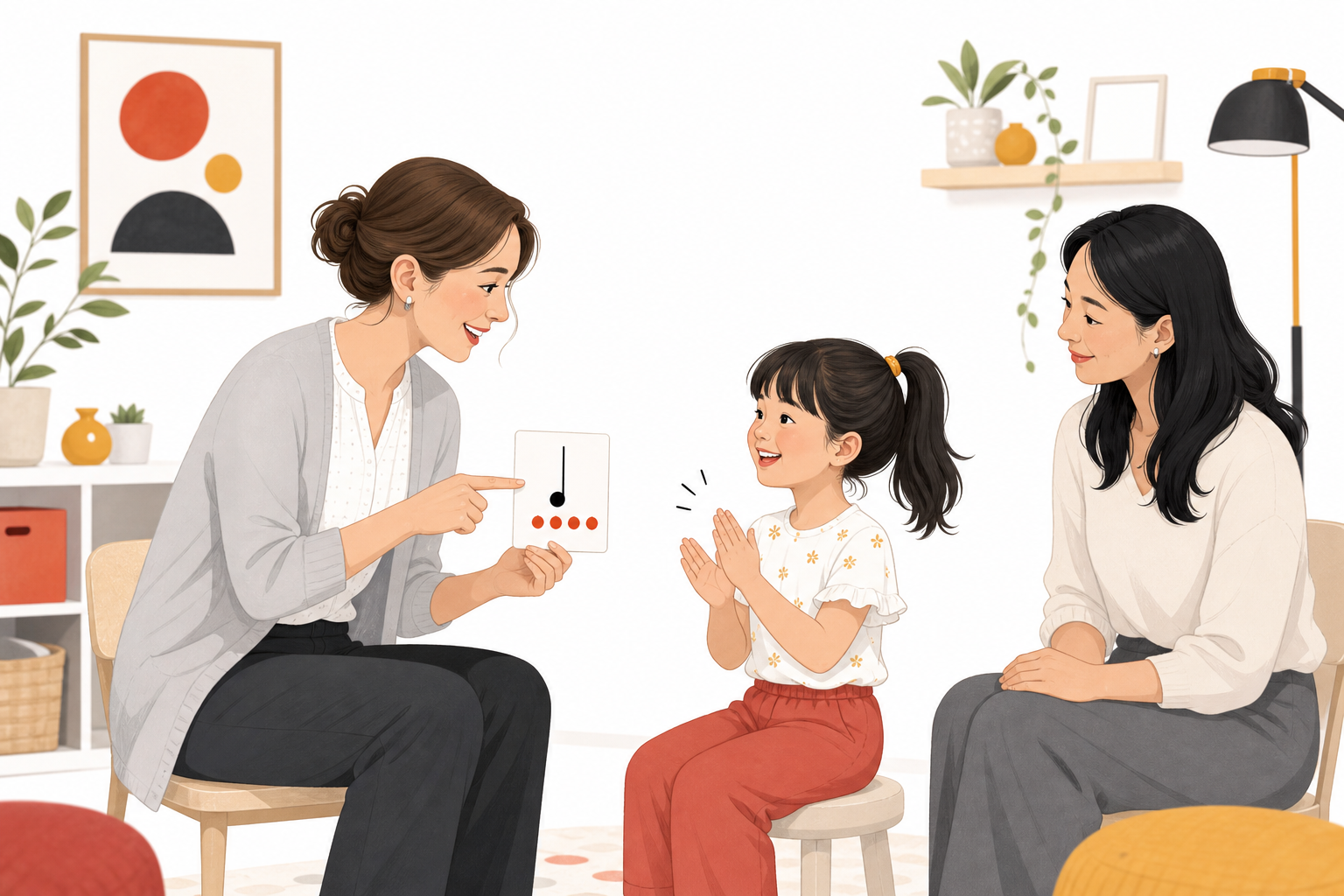
Decide which lesson format fits your child
The right teacher also depends on the right lesson environment. Some children thrive in a group because they enjoy classmates, games, and shared energy. Others need a quieter private or online setting before they feel ready to participate. Neither choice is automatically better; the fit depends on your child, your schedule, and the kind of support they need.
Group piano lessons for kids can work especially well when a beginner is motivated by other children and can follow short instructions in a shared setting. Online piano lessons can be a better fit when a family needs flexibility or a child learns best at home. After-school iPianoLab classes are built for families looking for a convenient school-day option when available at their location.
For New York City families, our NYC piano lessons page is the clearest place to compare local class and lesson options.
Questions to ask before signing up
Use these questions when you are comparing piano teachers for a child:
- How do you teach true beginners who have never read music before?
- What should my child be able to do after the first month?
- How do you handle a child who gets frustrated or embarrassed?
- How much practice do you expect between lessons?
- Will my child learn songs, rhythm, note reading, and keyboard geography?
- How do you keep parents informed without making practice feel stressful?
- What lesson format do you recommend for my child's age and personality?
The best answers are specific and calm. You are listening for a teacher who can explain the process without overwhelming you or your child.
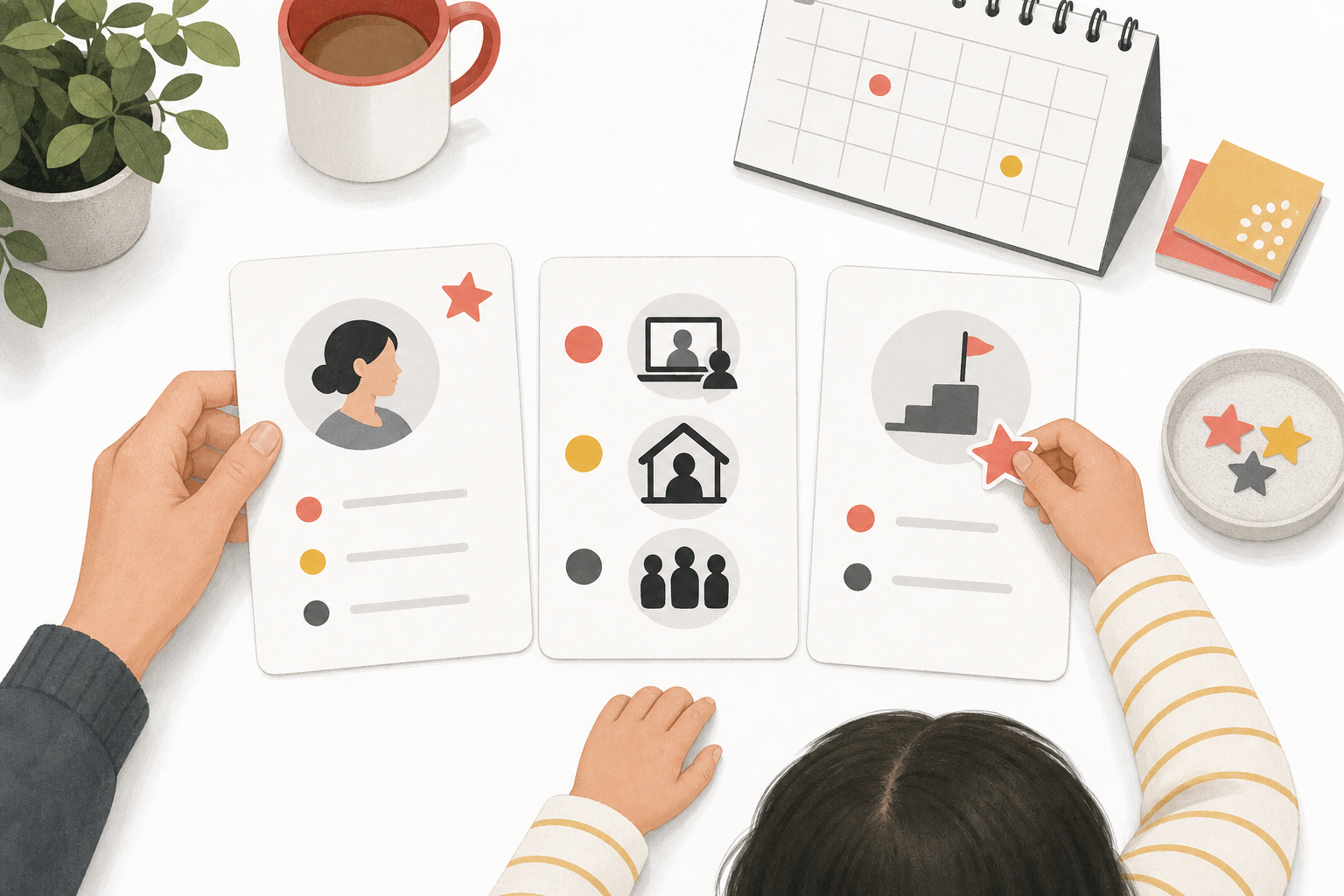
Early signs you picked the right teacher
After a few lessons, your child does not need to sound polished. They should, however, show signs that the lesson experience is working.
- They can tell you one thing they learned.
- They recognize where to start on the keyboard.
- They can play a short pattern, melody, or rhythm with growing confidence.
- They are willing to try again after a mistake.
- You understand what the teacher wants practiced at home.
If lessons feel confusing, rushed, or consistently discouraging, ask for clarification early. Sometimes a small adjustment in song choice, pace, or practice expectations can change the whole experience.
How iPianoLab helps beginner students start well
iPianoLab is designed for children and beginning students who need piano to feel approachable from the start. Our teachers use a structured curriculum, kid-friendly pacing, and music students can connect with early. Families can explore our teacher team, compare lesson options, or create an account when they are ready to take the next step.
iPianoLab is becoming PianoFlight in Summer 2026 with the same programs, same team, and same beginner-friendly piano learning approach. Families can continue using iPianoLab.com for current classes and lessons while the transition rolls out.
Sign up for iPianoLab or visit Our Teachers to learn more about the people behind the program.
FAQ
What makes a good piano teacher for kids?
A good piano teacher for kids is patient, clear, organized, and experienced with beginners. They should help children build confidence while teaching real fundamentals such as rhythm, note reading, counting, keyboard geography, and two-hand coordination.
Should my child take group piano lessons or private lessons?
Group lessons can be great for children who enjoy learning with peers and can follow shared instructions. Private or online lessons may be better for children who need extra quiet, flexibility, or individual pacing. The best choice depends on your child's personality, age, schedule, and practice support at home.
How soon should I expect progress?
Most beginners should show small signs of progress within the first month: finding notes more confidently, clapping or counting simple rhythms, playing short patterns or songs, and understanding what to practice. Early progress should feel steady, not pressured.
Do parents need to know piano to choose a good teacher?
No. Parents do not need piano experience to choose well. Ask clear questions, watch how the teacher communicates with your child, and look for a practical plan that explains what your child is learning and how to support practice at home.
Ready to start? Create an iPianoLab account and choose the lesson path that fits your child.