Finding the right piano lessons for kids in Dallas/Fort Worth can feel harder than it should. Parents see private studios, music schools, online programs, after-school classes, and one-on-one coaching, and each option sounds reasonable in a different way.
The best choice for a beginner is not always the most formal option or the longest lesson. For many kids, the right first step is the one that makes music feel approachable, gives them early wins, and helps parents understand what progress should look like.
This guide is for DFW families comparing beginner piano lesson options for children, especially parents who want a clear, confidence-building path before investing in a long-term commitment.
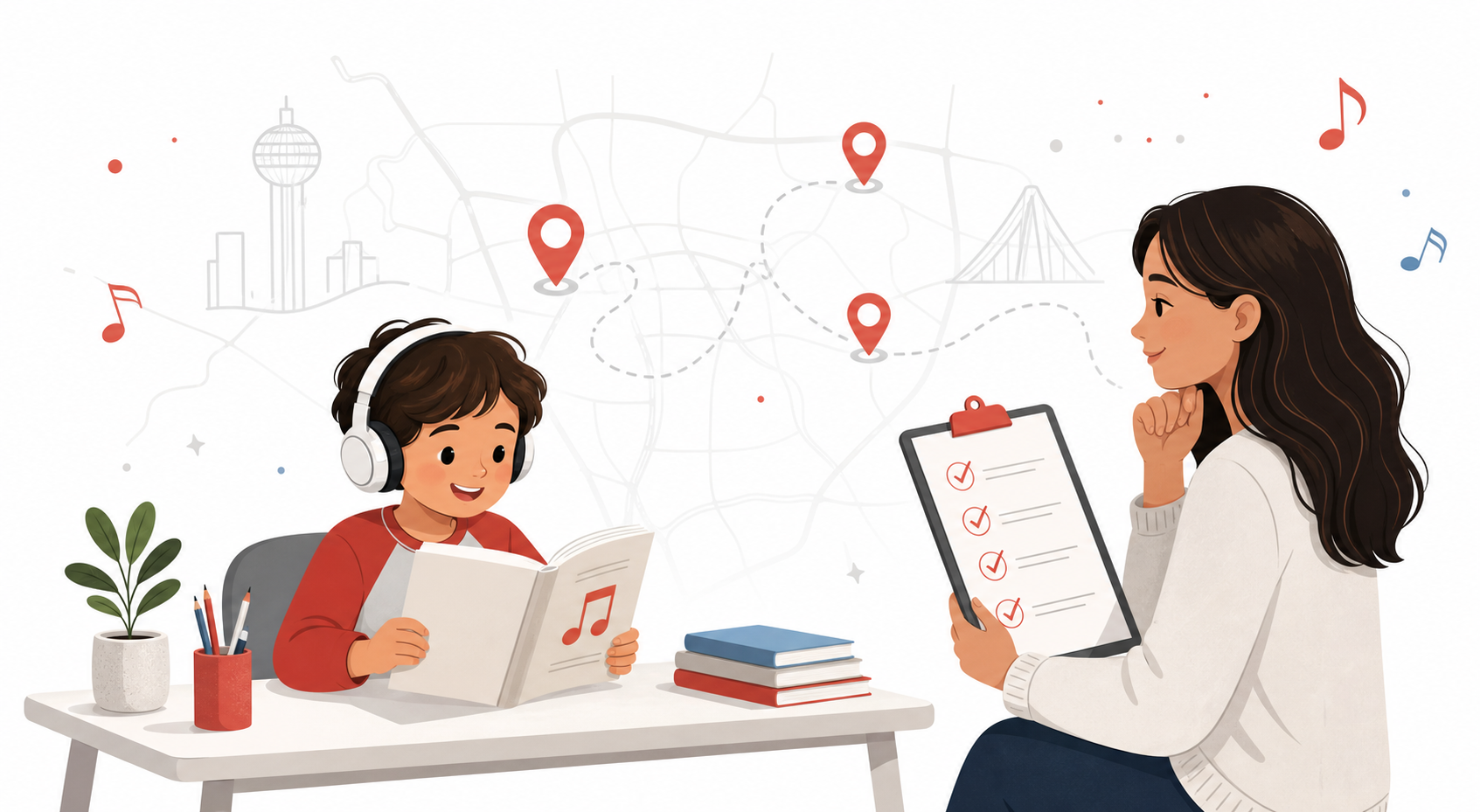
What Dallas/Fort Worth parents should look for first
Before comparing schedules or lesson formats, look at how a program handles the first few weeks. Beginner students need more than exposure to the piano. They need a structure that helps them feel capable quickly while building real musical foundations.
A strong beginner piano program should help kids:
- Find notes and patterns on the keyboard without feeling lost.
- Learn rhythm, counting, and steady pulse in a way they can actually follow.
- Play short songs early so practice feels rewarding.
- Build two-hand coordination gradually instead of being pushed too fast.
- Understand simple music-reading concepts without turning every lesson into a worksheet.
- Leave each lesson knowing what to practice next.
That combination matters because many kids decide whether they are "musical" very early. A lesson that feels confusing can make a capable child shut down. A lesson that feels achievable can turn a cautious beginner into a student who wants to come back.
Common piano lesson options in DFW
Most families in the Dallas/Fort Worth area end up comparing three main paths: private lessons, group or after-school classes, and online lessons. Each can work when it fits the child and the family schedule.
Private piano lessons
Private lessons can be a good fit when a child needs individual attention, has a specific goal, or is ready for a more customized pace. The teacher relationship matters a lot, so parents should ask how the instructor handles young beginners, practice expectations, song choice, and parent communication.
For a brand-new student, private lessons work best when they are not too heavy too soon. A beginner still needs simple wins, repetition, and clear home practice steps.
Group piano classes and after-school programs
Group piano lessons can help younger students feel less pressure because they are learning alongside peers. A well-run group class can also build rhythm, listening, focus, and motivation. The key is structure: students should have enough individual keyboard time, clear teacher guidance, and materials that match the class level.
For families searching for school-based options, iPianoLab's student school signup path is the right place to start when a school program is available. If your child needs a flexible path outside a school schedule, the general iPianoLab signup page can help you choose the best next step.
Online piano lessons
Online piano lessons can be useful for busy DFW families, especially when travel time is the obstacle. The setup matters: your child needs a reliable keyboard, a comfortable practice space, headphones when needed, and a lesson format that keeps them engaged instead of just watching passively.
iPianoLab's online piano lesson options are built for students who need a flexible way to keep learning with a clear path, not a pile of disconnected videos.
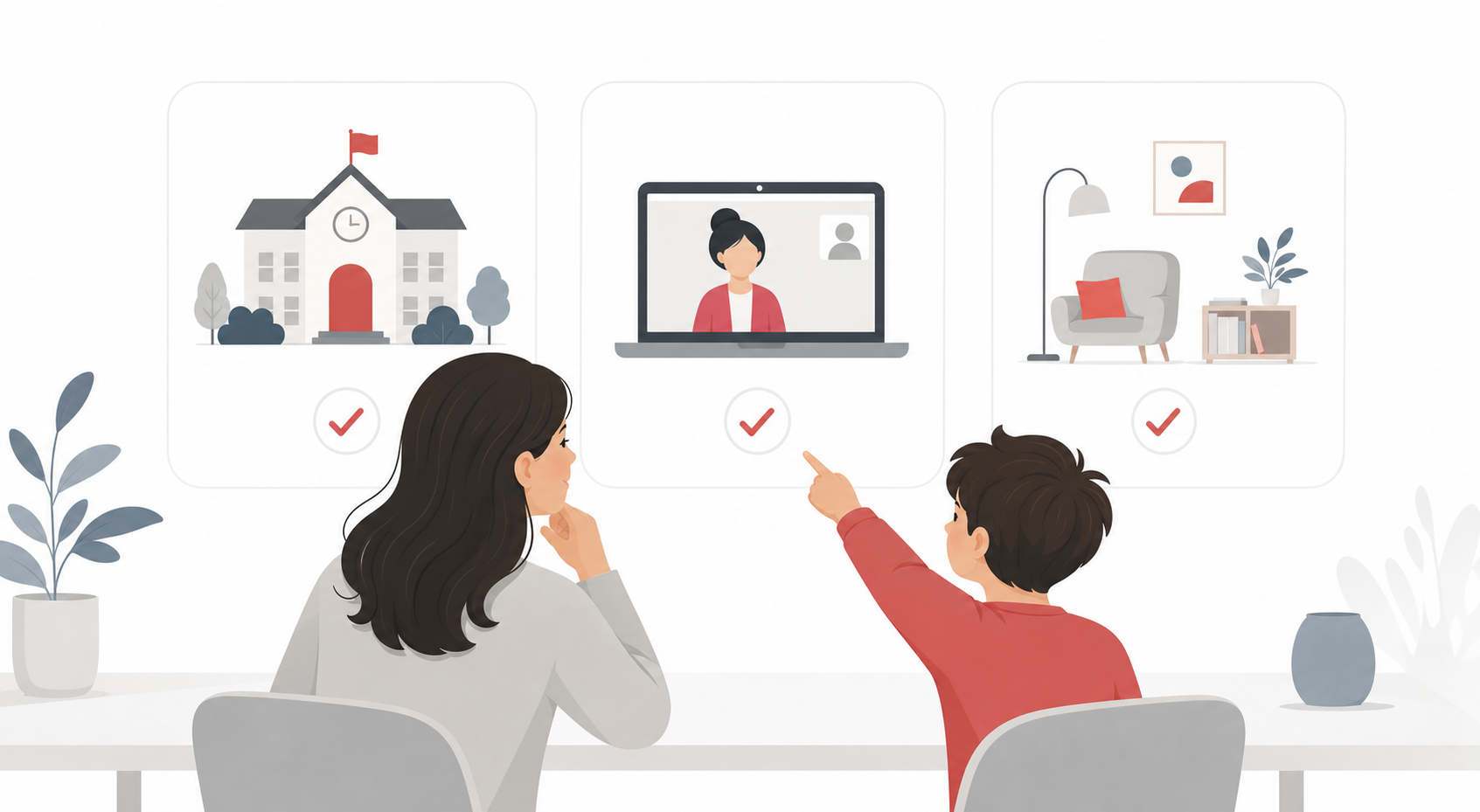
Ready to find the right piano path?
Choose the iPianoLab option that fits your child: local signup, school classes, or online lessons with a beginner-friendly structure.
How to tell if a program is beginner-friendly
A beginner-friendly piano program should be clear enough for parents to understand, even if the parent never took lessons. If a teacher or program cannot explain what a child will learn first, how practice works, or how progress is measured, keep asking questions.
Use this checklist when comparing DFW piano lesson options:
- Early success: Will my child play recognizable songs or short musical patterns early?
- Clear levels: Is there a curriculum or sequence, or does each lesson feel improvised?
- Practice guidance: Do parents know what to do at home between lessons?
- Age fit: Does the teacher understand how kids learn attention, rhythm, and coordination?
- Confidence: Does the lesson make mistakes feel normal and fixable?
- Flexibility: Is there a path if school schedules, sports, or family travel change?
iPianoLab's method is built around early musical success. Students start with songs and patterns they can enjoy, then build fundamentals such as keyboard geography, counting, note reading, chords, melody, and two-hand coordination over time.
What equipment does your child need?
For most beginners, a good starter keyboard is enough to begin. Parents do not need to buy an acoustic piano before the first lesson. What matters is that the keyboard is easy to use, comfortable for practice, and available at home often enough for short repetition.
If you are still deciding what to buy, start with the iPianoLab keyboard buyer's guide. It is designed for families choosing a first keyboard, not professional musicians comparing advanced instruments.
Once your child is practicing regularly, you can revisit whether a larger keyboard or different setup makes sense. The first goal is consistency, not perfection.
Questions to ask before enrolling
When you contact a piano program or teacher, ask practical questions. The answers will tell you whether the program understands beginner families.
- What should my child be able to do after the first month?
- How much practice do you expect from a new beginner?
- How do you help kids who are nervous, distracted, or shy?
- Will my child learn songs as well as note reading and rhythm?
- How do parents know whether practice is going well?
- What happens if my child misses a class or needs a different format later?
Good answers should feel specific but not overwhelming. Beware of programs that promise instant mastery, pressure parents into unrealistic practice schedules, or make the first step feel more complicated than it needs to be.
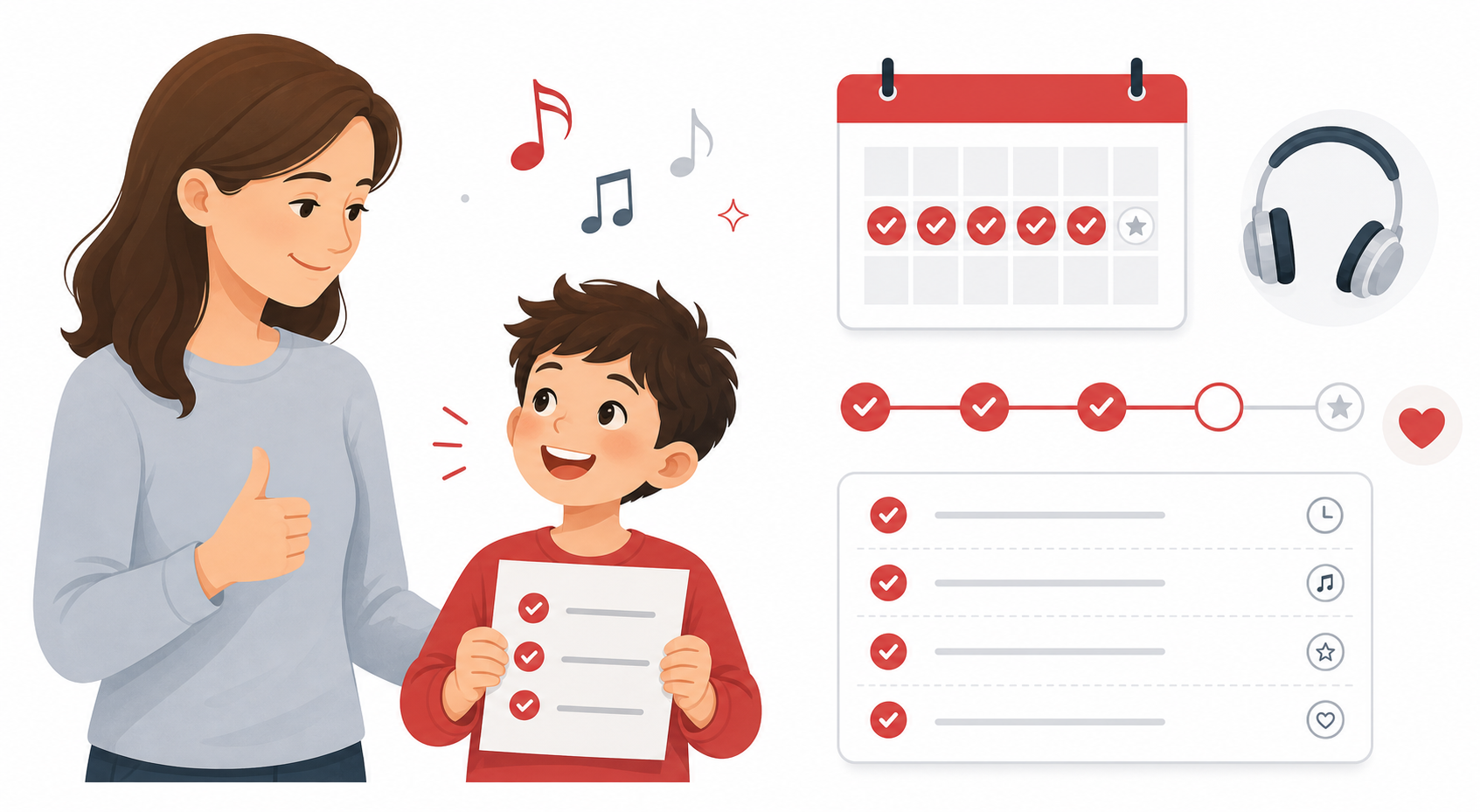
How iPianoLab fits DFW families
iPianoLab is designed for children and beginning students who need piano to feel approachable from the start. The program combines a structured curriculum with music kids can play early, so students build confidence while learning real fundamentals.
Families can explore signup options, school-based paths through student school signup, and online lessons. Parents who want to understand the teaching team can also visit Our Teachers.
iPianoLab is becoming PianoFlight in Summer 2026, with the same programs, team, and beginner-friendly approach under the new name. For parents, the important point is continuity: the learning path remains focused on helping kids feel successful early and keep building from there.
FAQ: Dallas/Fort Worth piano lessons for kids
What age should kids start piano lessons?
Many children can start when they are ready to listen, follow simple directions, and try short practice tasks. Readiness matters more than a single perfect age. If your child is curious about music and can focus for short periods, it may be time to try a beginner-friendly program.
Are group piano lessons good for beginners?
Yes, group lessons can work well for beginners when the class is structured and students still get clear keyboard time. Peer energy can make lessons feel less intimidating, especially for kids who enjoy learning with others.
Do online piano lessons work for kids?
Online lessons can work when the program is designed for kids, the home setup is clear, and parents know what practice should look like. They are especially useful when DFW traffic or family schedules make in-person lessons difficult.
Should my child take private lessons or start with a class?
Choose private lessons if your child needs one-on-one attention or has a specific goal. Choose a class or structured beginner program if your child would benefit from a social, low-pressure start with a clear sequence.
How do I know if my child is making progress?
Look for small signs: finding notes more quickly, keeping a steady beat, remembering a short song, practicing without as much resistance, and talking about what they learned. Beginner progress should be visible in confidence as well as skill.
Start with a clear first step
If your child is ready to try piano in Dallas/Fort Worth, start with the path that fits your family schedule and gives your beginner a confident first win.
For more parent guidance, read Group Piano Lessons for Kids: When They Work Best and How to Choose a Piano Teacher for Kids.