First Piano Recital for Kids: How Parents Can Prepare Without Pressure
A child's first piano recital can feel bigger to parents than it does to the child. You may wonder whether your child is ready, what they should wear, how much they should practice, and what to do if nerves show up on performance day.
The good news: a first recital does not need to be perfect to be successful. For beginners, the real goal is confidence. A child learns how to prepare, walk up, try something in front of others, recover from small mistakes, and feel proud afterward.
At iPianoLab, students build toward musical confidence through songs, rhythm, keyboard geography, counting, note reading, two-hand coordination, and supportive teacher guidance. Whether your child learns online or in an after-school class, performance can be part of the learning path without turning music into pressure.
Find the right piano path for your child

What is the goal of a first piano recital?
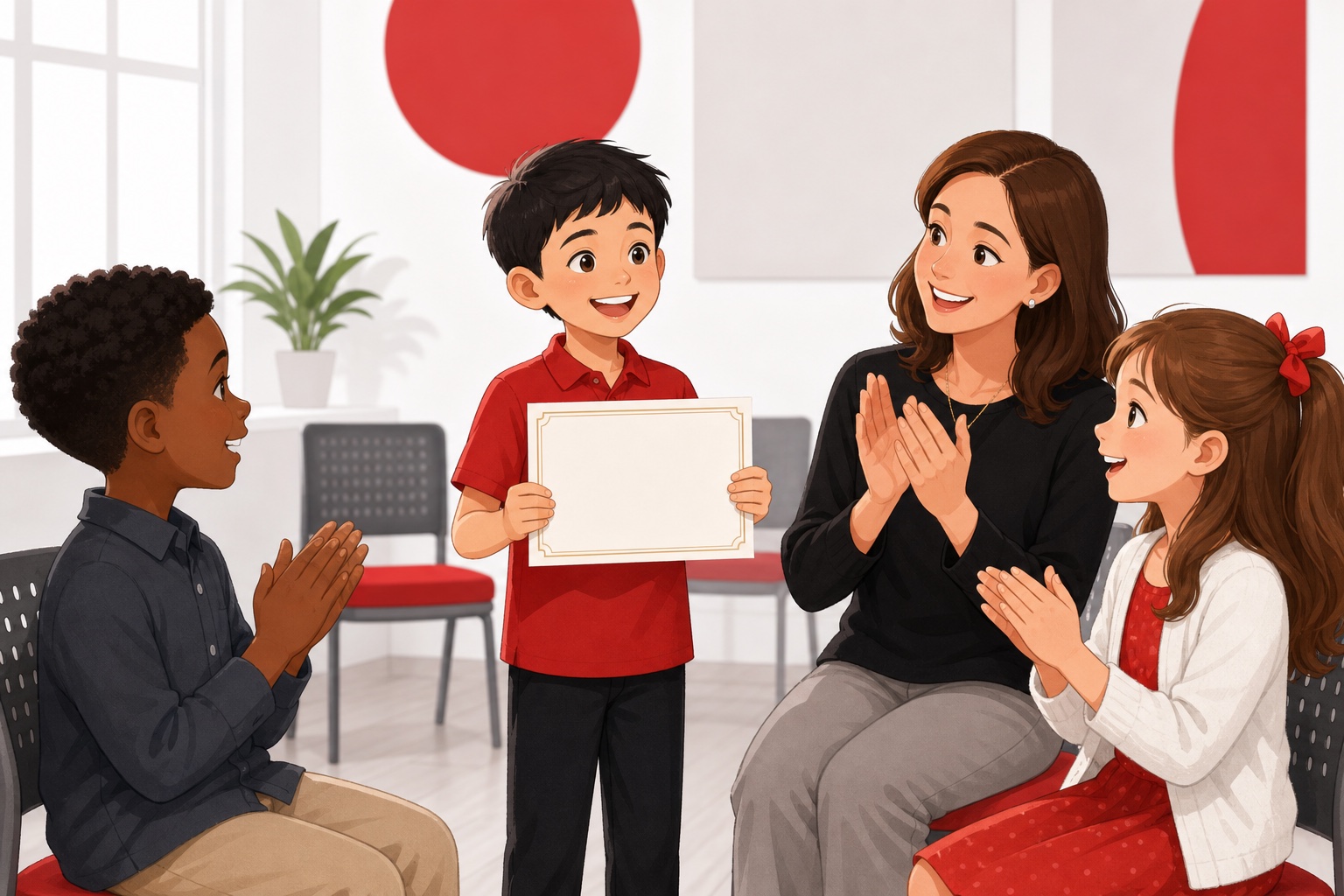
The goal is not flawless playing. The goal is helping your child experience a complete performance moment: prepare a piece, share it, bow or acknowledge the audience, and leave knowing they did something brave.
That matters because performance teaches skills that practice alone cannot. Children learn how to focus under mild pressure, keep going after a missed note, listen to other students, and celebrate progress. Those are valuable lessons even if the song is short.
How do you know your child is ready?
A beginner may be ready for a first recital when they can play a short piece or section with reasonable independence. They do not need advanced music reading or a long song. They need a clear start, a clear ending, and enough familiarity to keep going if something feels different in the room.
Readiness also depends on the format. A supportive class recital, online showcase, or small studio performance should meet students where they are. If your child is new, ask the teacher what success should look like for their level.
Keep practice short and specific
In the week or two before a first recital, practice should become calmer, not more frantic. Long last-minute sessions can make children feel that the performance is a test. Short, repeatable sessions work better.
Try this simple routine:
- Play the opening two times so the start feels automatic.
- Practice the trickiest measure or transition slowly.
- Play the ending once or twice so your child knows how to finish.
- Do one full run-through, then stop while it still feels successful.
- Name one thing that improved before leaving the keyboard.
If home practice has been hard to organize, the guide to setting up a piano practice space at home can help make short sessions easier to repeat.
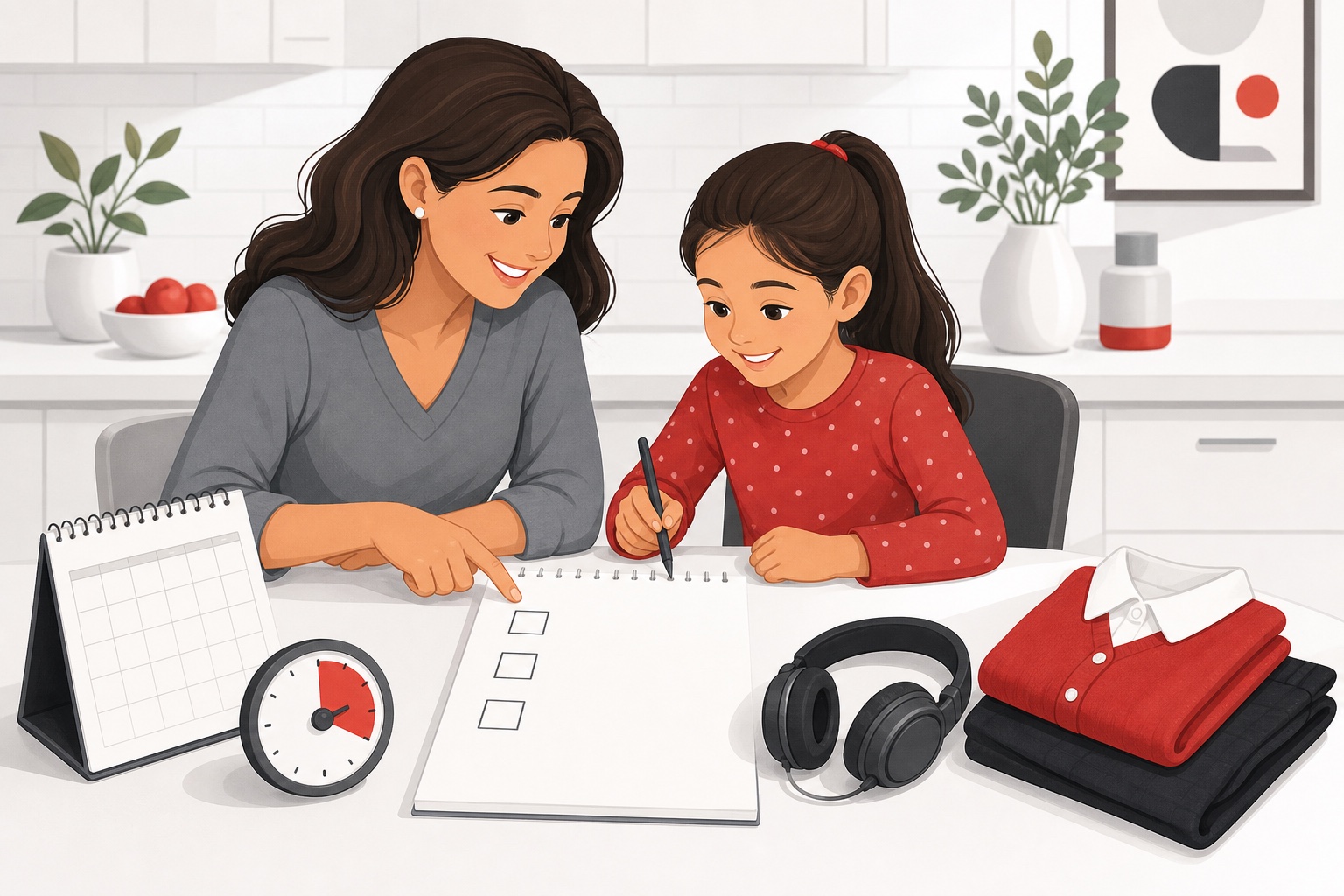
What should parents say before the recital?
Use language that lowers pressure. Instead of "Do not mess up," try "Start calmly and keep going." Instead of "Play it perfectly," try "Show us what you have been working on."
Helpful phrases include:
- "Your job is to begin, keep going, and finish."
- "A missed note is not a ruined performance."
- "Take your time before you start."
- "I am proud of the work you did to get ready."
Children take cues from adults. If parents treat the recital like a celebration of effort, kids are more likely to feel safe enough to try.
What if my child gets nervous?
Nerves are normal. They do not mean your child is unprepared. In fact, learning how to feel nervous and still continue is one of the benefits of performing.
Before the recital, practice a small reset plan: take one breath, find the starting hand position, and begin. If a mistake happens, your child can move to the next familiar spot instead of stopping completely. The teacher can help decide the best strategy for the piece.
If your child tends to be shy, read more about how piano lessons can build confidence one small win at a time.
What should happen on recital day?
Keep the day predictable. Make sure your child knows where they are going, what they will wear, when they will play, and what happens after they finish. Avoid packing the schedule so tightly that everyone arrives rushed.
Bring any needed music, headphones, device chargers for online events, or teacher instructions. For young beginners, comfort matters more than ceremony. A child who feels settled is more likely to play with focus.
Should kids memorize their recital piece?
Not always. Some beginners like memorizing because it feels simple. Others feel safer using music. The teacher should decide what fits the child's level and the recital format.
If memorizing adds stress, it may not be necessary for a first performance. The bigger skill is learning how to share music confidently.
How iPianoLab supports beginner performance
iPianoLab is built for children who are learning step by step. Students play songs early, then connect those songs to real musical foundations. That structure helps performance feel like a natural next step instead of a sudden test.
Families can choose online piano lessons, school-based piano programs, or the path that fits their schedule. Online and after-school formats can both support recital-style goals when students have clear songs, short practice targets, and teacher guidance.
For NYC families who occasionally need a quiet piano-equipped room for a run-through, coaching session, or small audition prep, Lenox Hill Music Studios lists hourly studio rentals on the Upper East Side. Use a rehearsal room only when it solves a real space or focus problem; many young beginners can prepare well at home with a simple setup.
FAQ: first piano recitals for kids
How long should a beginner recital piece be?
Short is fine. A beginner piece may last less than a minute. The important part is that the child can start, keep going, and finish with support.
What if my child makes a mistake?
A mistake is normal. Encourage your child to keep going to the next familiar spot. Most audiences are supportive, and the recovery often matters more than the missed note.
Should parents record the performance?
Record only if it helps your child feel celebrated and if the event allows it. Avoid turning the camera into extra pressure.
Are online piano recitals useful?
Yes, when they are structured well. Online recitals can give children a friendly first performance experience from home, especially when families prepare the space and technology ahead of time.
How can I help after the recital?
Start with what went well. Name the courage, preparation, focus, or recovery you noticed. Save detailed corrections for a later lesson with the teacher.
Ready for a confident first performance?
A first recital should help your child feel capable, not judged. With the right lesson path, short practice routine, and supportive teacher, performance becomes one more way to build confidence through music.