Las Vegas Piano Lessons for Kids: A Parent Guide
If you are looking for Las Vegas piano lessons for your child, the first question is not only where lessons happen. It is whether the program can help a beginner feel successful quickly enough to want to keep going.
For young students, a strong start usually comes from a simple mix: a clear weekly lesson path, songs kids enjoy, short home practice, supportive teachers, and a format that fits your family's schedule. In Las Vegas, that may mean an after-school class, an online option, or a school-based program when one is available.
iPianoLab is built for beginners. Students play songs early, then build keyboard geography, rhythm, counting, note reading, two-hand coordination, melody, chords, and confidence step by step. iPianoLab is becoming PianoFlight in Summer 2026, with the same programs, same team, and the same beginner-friendly approach.
Find the right piano path for your child
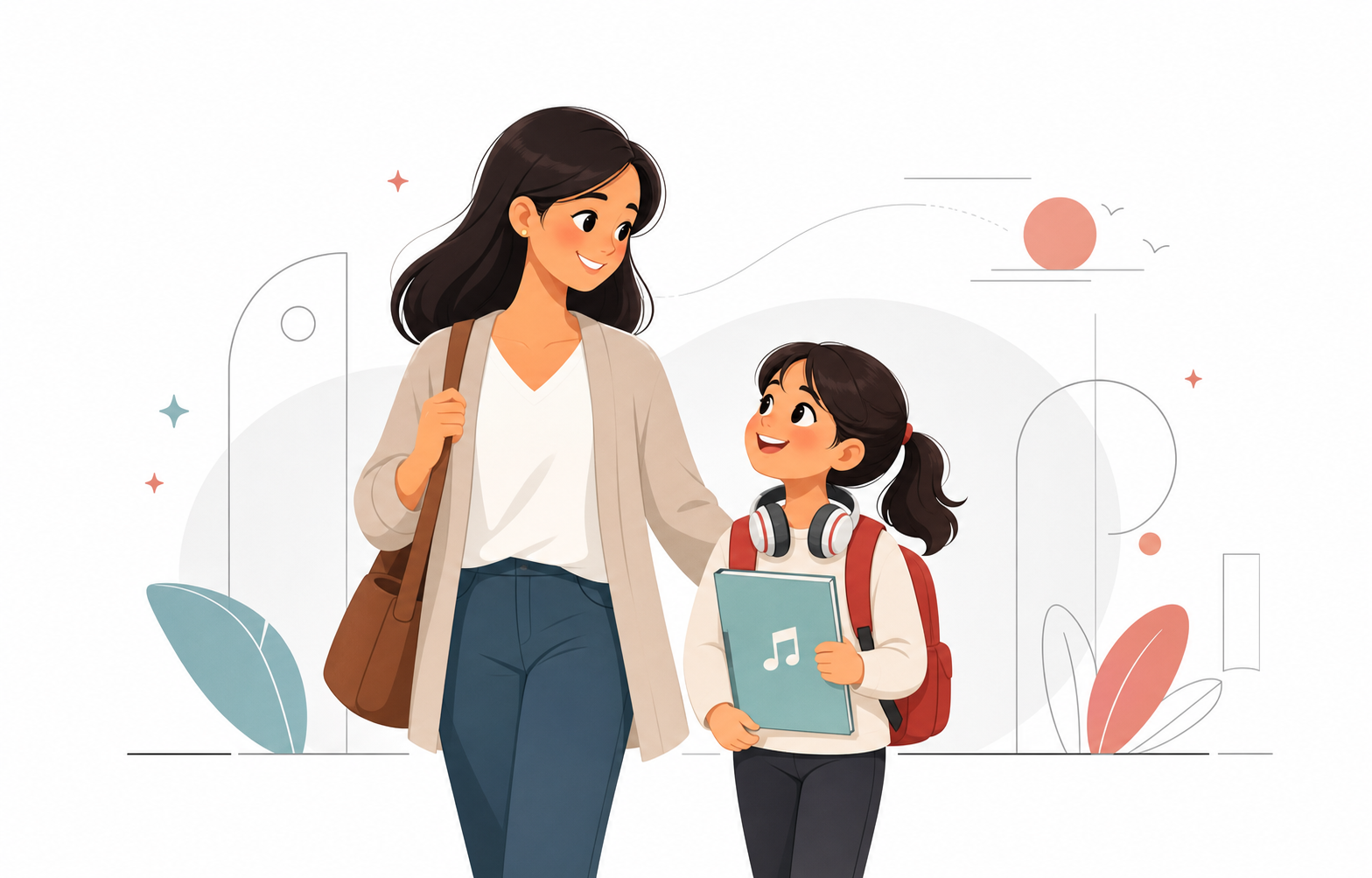
Quick answer: what should parents look for?
A good Las Vegas piano lesson program for kids should make the first month feel clear. Parents should know when classes meet, what materials students use, how beginners are supported, what practice should look like at home, and what next step to take if a child enjoys the first few lessons.
For most families, the right program is not the most complicated one. It is the one your child can attend consistently and practice for a few minutes at a time without the whole week becoming stressful.
1. Choose the format that fits your week
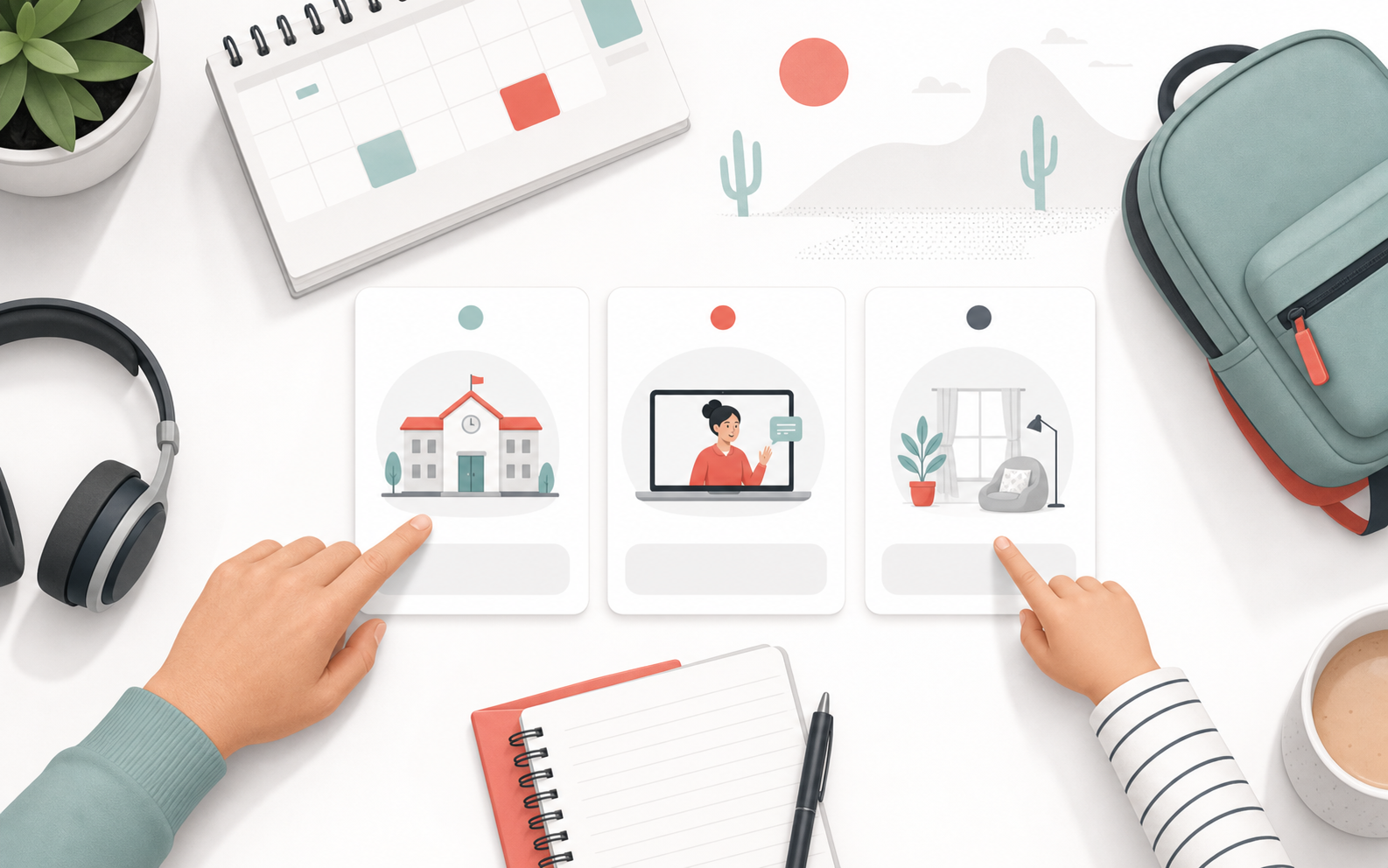
Las Vegas families often compare three practical lesson paths:
- After-school piano classes when a school or local program option fits the schedule.
- Online piano lessons when home scheduling, travel time, or flexibility matters most.
- School-based piano programs when a school wants to bring beginner music enrichment to students on campus.
Each format can work for beginners when the teaching is structured. The bigger issue is fit. A child who is tired after school may need a predictable routine. A family with a packed commute may prefer online lessons. A school director may be looking for a program that is simple to run and easy for parents to understand.
If your family is still comparing formats, the guide to what a good beginner piano program should include can help you evaluate the essentials.
2. Ask how beginners start making music
Children are more likely to stay engaged when they can play something recognizable early. That does not mean skipping fundamentals. It means teaching fundamentals through music that feels rewarding.
Ask how the program introduces:
- keyboard geography
- finger numbers and hand position
- steady beat and counting
- simple note reading
- two-hand coordination
- melody, chords, and listening
A beginner program should not make every child wait months before playing songs. Early musical wins build confidence, and confidence makes practice easier.
3. Check the practice expectations
For beginner kids, practice does not need to be long. It does need to be repeatable. Five focused minutes several times per week can help more than one long session that turns into a battle.
Parents should ask what practice looks like after the first lesson. Is there a short assignment? Does the child know what to play first? Are parents expected to teach at home, or simply help protect the routine?
The most helpful practice plan is specific enough for a child to follow: play the warmup, play the song slowly, try the tricky spot twice, and stop after a successful repetition.
4. Make sure the home setup is simple
Your child does not need a perfect music room to start piano. A practical setup matters more: a reliable keyboard, comfortable seating, headphones if needed, and a spot that can stay ready.
If you are buying or checking an instrument, start with the iPianoLab keyboard buyer's guide. If your family already has a keyboard, focus on whether your child can reach it easily, sit comfortably, and start practice without a long setup process.
5. Ask what support parents receive
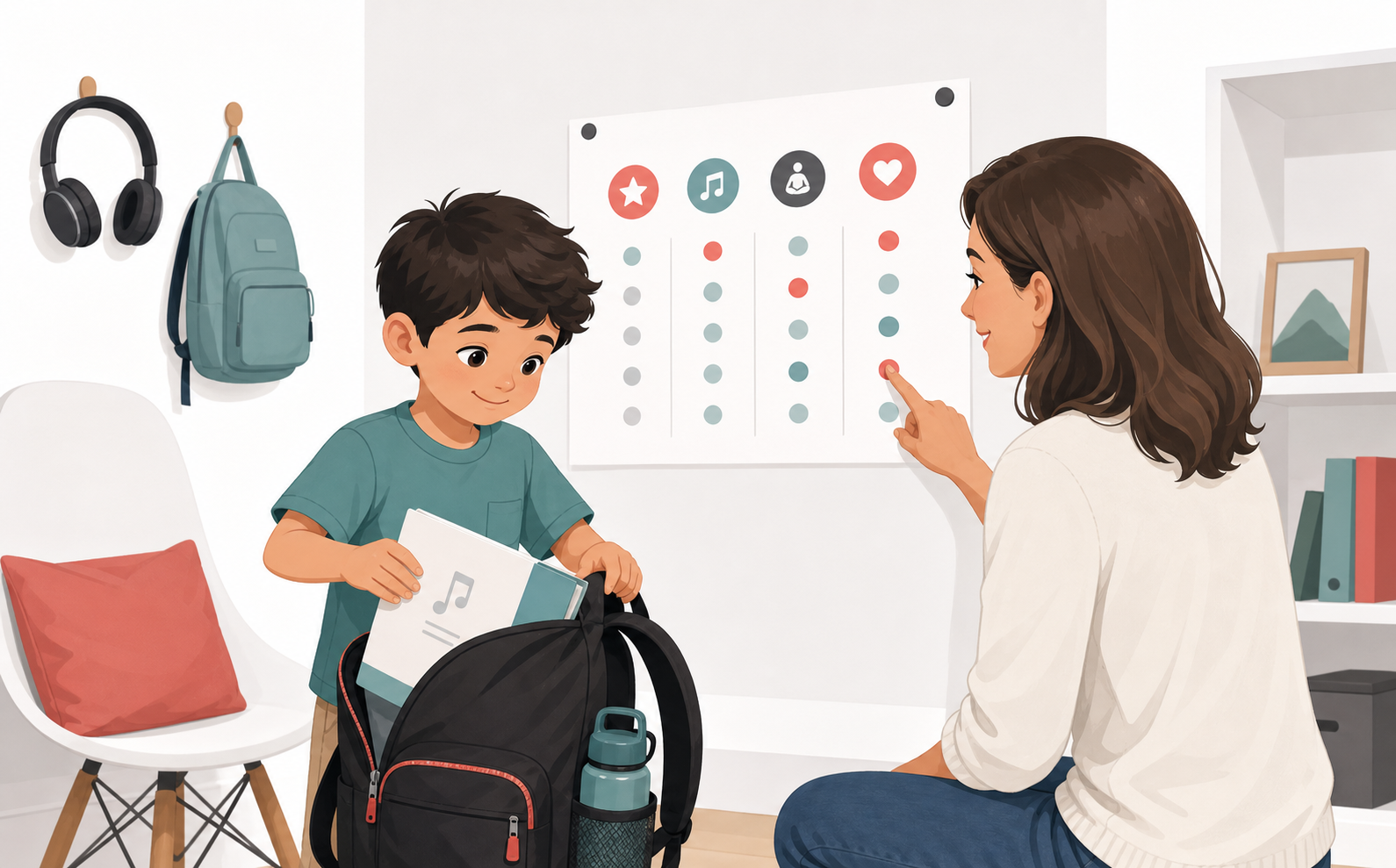
A strong kids piano program does not leave parents guessing. You should understand what your child is learning, how to help without over-teaching, and when to ask the teacher for support.
Helpful parent communication may include class reminders, simple practice notes, lesson-path clarity, and guidance when a child feels stuck. The goal is not to turn parents into piano teachers. The goal is to make the week between lessons easier.
6. Look for confidence, not perfection
Beginner piano is full of small mistakes. That is normal. What matters is whether the program teaches children how to try again, listen, count, and keep going.
A child who feels safe making mistakes can learn faster because they are willing to experiment. That is why iPianoLab focuses on early musical success, step-by-step skills, and teacher support that keeps kids moving.
If your child is nervous about starting, read what to expect at your child's first piano class so the first day feels less mysterious.
7. Choose the next step based on your goal
If your goal is a local class, use the signup path to check current options. If your family needs flexibility, compare online piano lessons. If you are a school or program director, explore school-based piano programs and ask how iPianoLab can support beginner students on campus.
A local Las Vegas family does not need to solve every long-term piano decision before starting. The first goal is simpler: help your child begin, enjoy a few early wins, and build enough routine to keep learning.
FAQ: Las Vegas piano lessons for kids
What is the best age to start piano lessons?
Many children can start when they can follow simple directions, sit for short activities, and enjoy trying patterns or songs. Readiness depends more on attention, interest, and support than on a single perfect age.
Are after-school piano classes good for beginners?
Yes, when the class is structured for beginners and keeps activities clear. After-school classes can work well because the routine is already connected to the school week.
Can online piano lessons work for kids in Las Vegas?
Yes. Online lessons can be a good fit when families need flexibility or want to avoid extra driving. The setup should include a reliable keyboard, stable internet, and a simple practice space.
Do we need a full piano before starting?
Usually not. Many beginners can start on a practical keyboard. Look for full-size keys, a stable stand or table height, and a setup your child can use regularly.
How much should my child practice?
Short, consistent practice is best for beginners. Start with a few focused minutes several times a week, then build gradually as your child gains confidence.
Ready to start?
The right Las Vegas piano lesson path should make music feel approachable, organized, and fun for your child. Start with a format your family can repeat, keep practice short, and choose a program that builds real skills through early musical success.