San Antonio Piano Lessons for Kids: A Parent Guide
If you are comparing San Antonio piano lessons for kids, the best choice is usually the program your child will actually enjoy long enough to build real skills. For most beginners, that means clear first songs, a friendly teacher, a simple home practice plan, and a next step that fits your family's schedule.
iPianoLab teaches kids with a beginner-friendly keyboard method built around early musical success. Students start by playing songs they recognize, then build fundamentals such as rhythm, counting, keyboard geography, note reading, two-hand coordination, melody, and chords.
Ready to compare options? Start with iPianoLab signup, or review after-school piano class options and online piano lessons for kids.
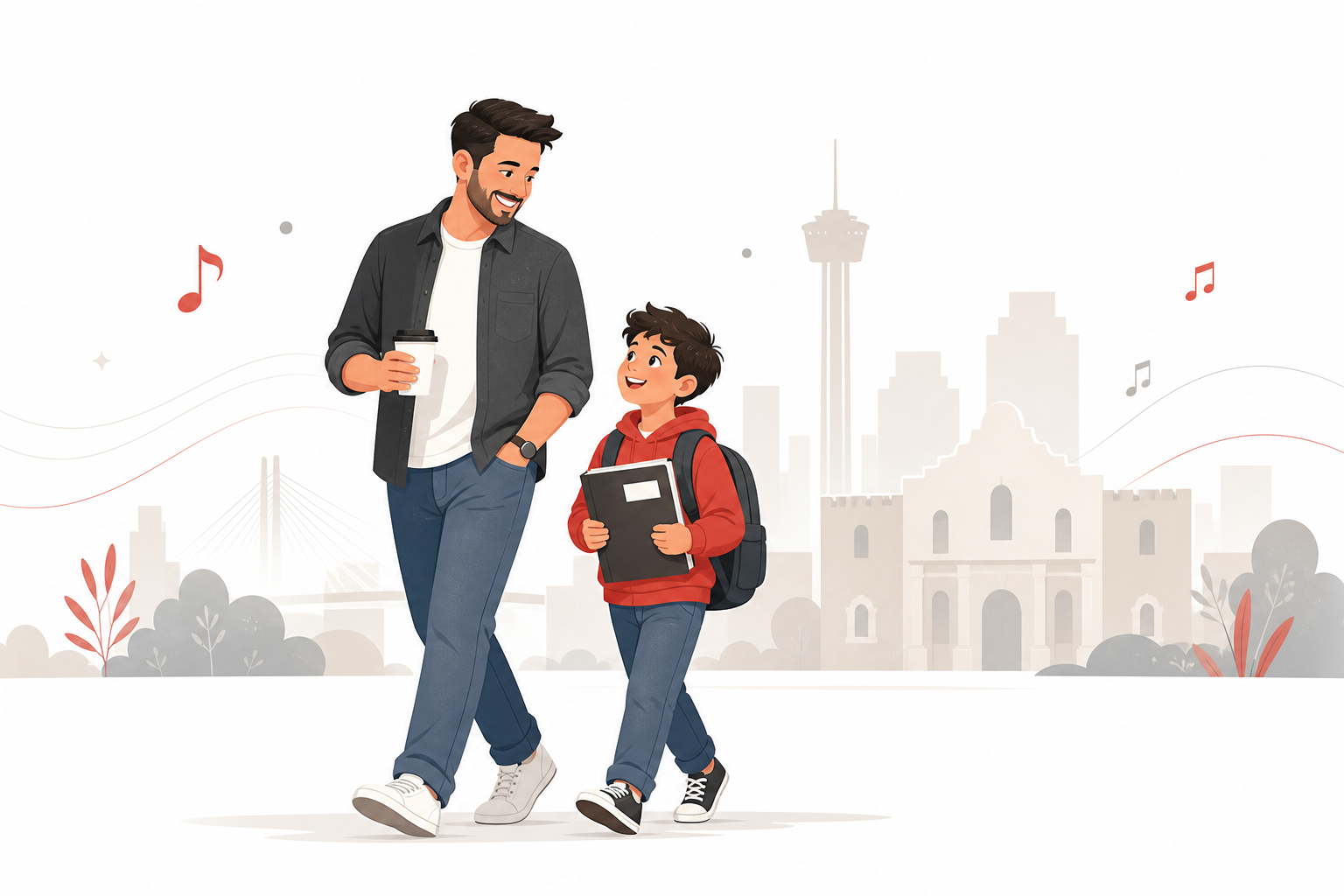
Quick answer: what should San Antonio parents look for?
A strong kids piano program should make the first few lessons feel possible. Your child should know where to place their hands, how to follow a steady beat, what to practice at home, and how each new song connects to the next skill. Parents should know the class format, teacher support, home equipment needs, and how to choose the next level when the first session ends.
For San Antonio families, the practical decision usually comes down to three questions: where lessons fit into the weekly routine, how the program teaches true beginners, and whether the child leaves each lesson wanting to come back.
1. Choose the lesson format that fits your week
Before comparing teachers or prices, decide which format your family can sustain. A child can learn in several formats, but consistency matters more than choosing the option that sounds most impressive on paper.
- After-school piano classes: a good fit when your child learns well with peers and you want music to connect naturally to the school week.
- Online piano lessons: useful when travel time is hard, schedules change often, or your child does best learning from home.
- Private lessons: helpful for students who need a very customized pace, are preparing for a specific goal, or already have some playing experience.
- At-home practice support: important for every format, even if practice starts with only a few focused minutes at a time.
If your child is new to piano, do not assume private lessons are automatically better. Many beginners are more relaxed in a structured group or online setting where the early goals are clear and the pressure stays low.
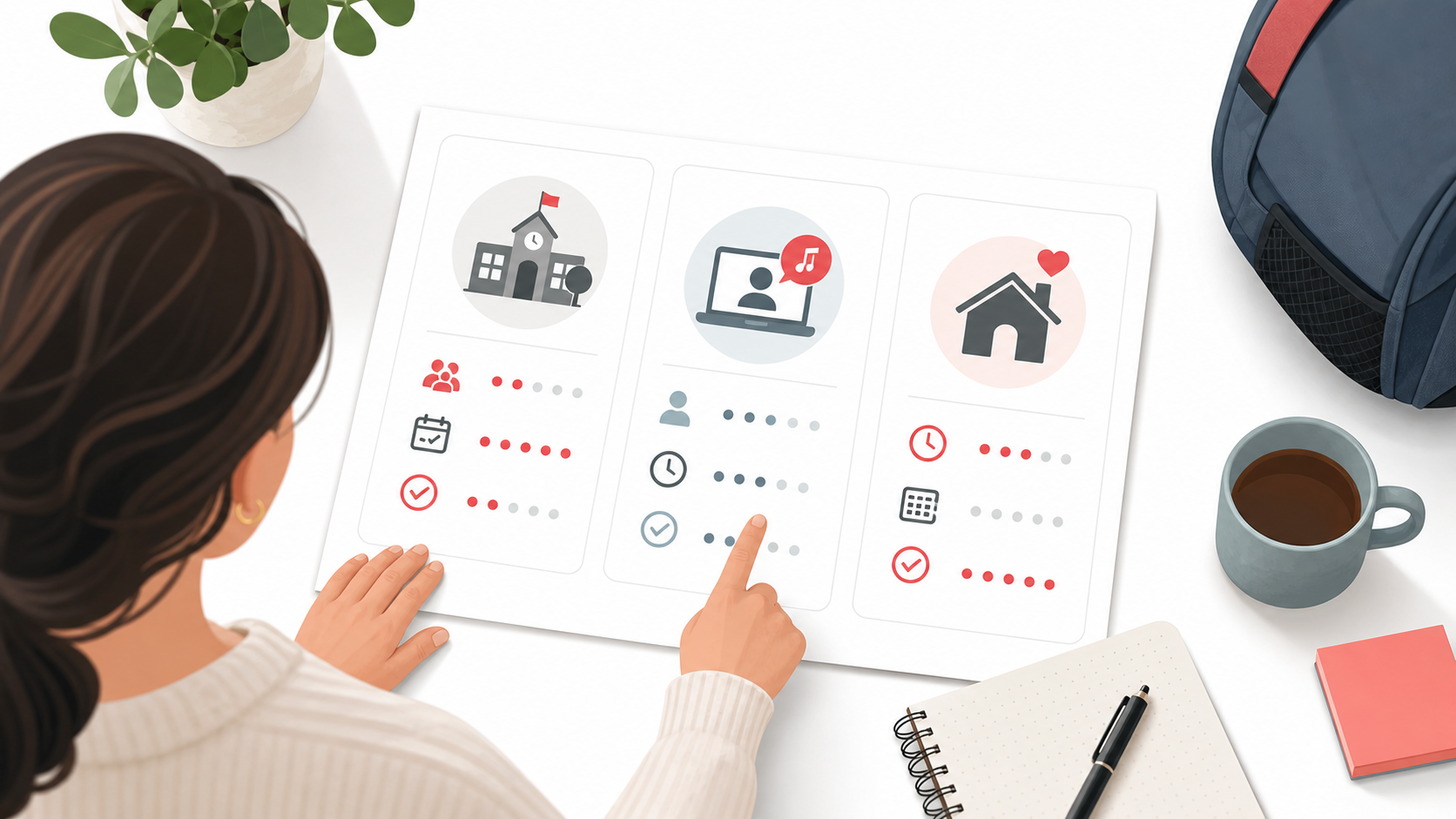
2. Ask how true beginners start making music
The first lessons should not feel like a test. A beginner-friendly piano program gives kids quick wins while still building the fundamentals they will need later. Ask how students learn rhythm, counting, finger numbers, keyboard geography, and note reading. Also ask when students start playing songs, because early music-making is often what keeps kids motivated.
iPianoLab's approach is built for this stage. Students begin with approachable songs and structured steps, then grow into reading, coordination, chords, and more independent playing. That balance matters for parents who want piano lessons to feel fun without becoming thin or unstructured.
3. Check the home setup before the first lesson
Most families do not need an acoustic piano before starting. A reliable keyboard at home can be enough for a beginner, especially while your child is still learning whether piano will become a long-term activity.
Look for a simple setup your child can use without a lot of adult negotiation: a keyboard at a comfortable height, a bench or stable chair, headphones if needed, and a practice spot that is easy to access. If you are choosing an instrument, iPianoLab's keyboard buyer's guide can help you compare beginner-friendly options.
4. Keep practice short, specific, and calm
For young beginners, practice should be a repeatable habit, not a daily argument. Five to ten focused minutes can be useful when the assignment is clear. A good teacher should tell your child exactly what to play, what to listen for, and what counts as a successful practice session.
- Pick a consistent practice window, such as after snack or before dinner.
- Use one small goal at a time: play the right rhythm, find the starting note, or repeat one short phrase.
- Stop while the child still feels successful instead of stretching every practice session too long.
- Celebrate steady effort more than perfect playing.
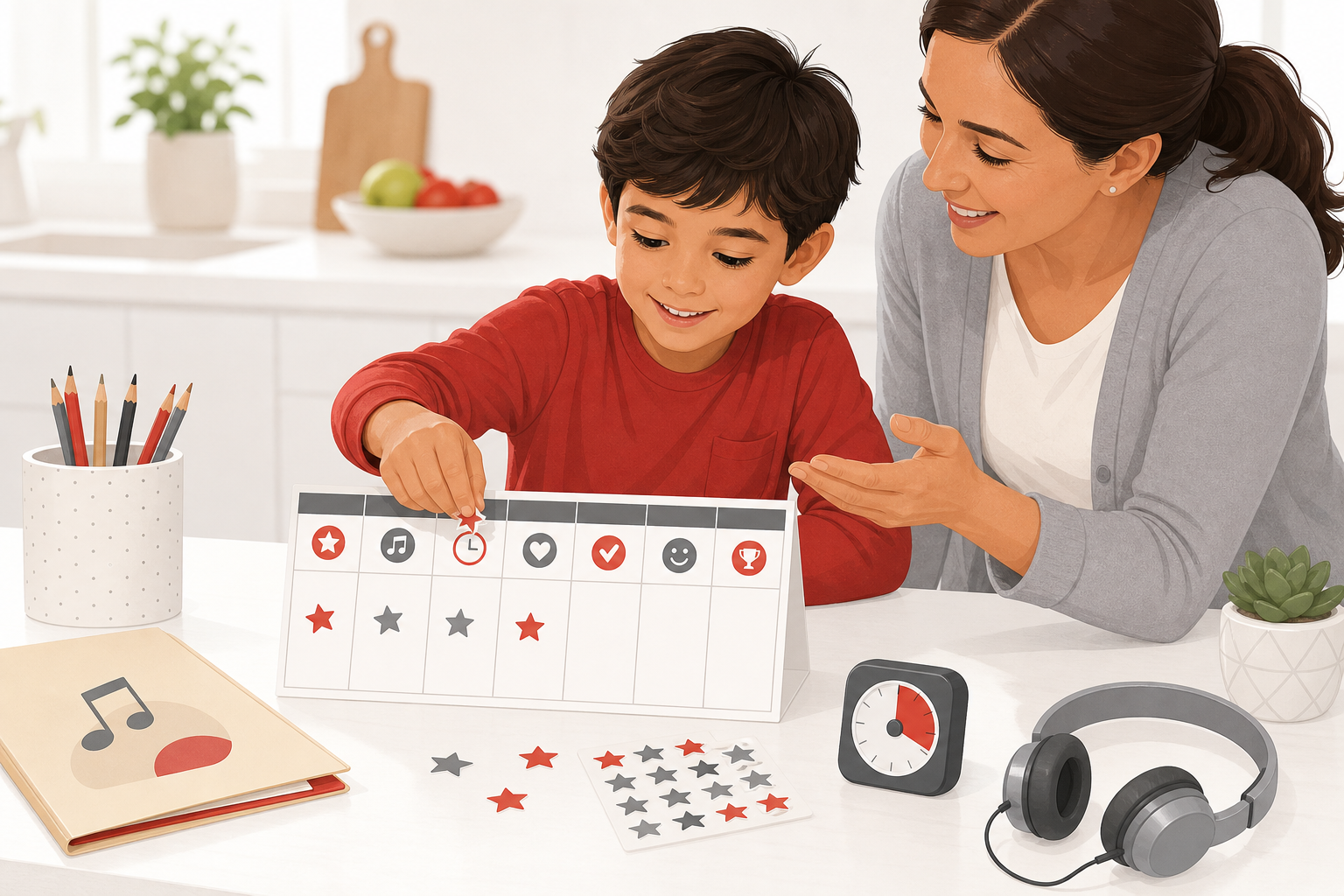
5. Look for confidence, not perfection
Parents often ask how quickly a child should progress. The better early question is whether the child is becoming more confident. In the first several weeks, strong signs include finding notes faster, keeping a steadier beat, recognizing patterns, remembering a short assignment, and feeling proud enough to play for someone at home.
If you want a more detailed milestone map, read what parents can expect during the first six weeks of piano lessons. If you are still comparing programs, this beginner piano lesson checklist explains what a good kids program should include.
6. Ask what happens after the first session
A strong San Antonio piano lesson option should have a next step. Ask how students move from first songs into harder rhythms, two-hand playing, reading, and more independent practice. Ask whether parents receive guidance when a child is ready for a new level, a different class format, or a better home instrument.
iPianoLab is becoming PianoFlight in Summer 2026, with the same programs, same team, and the same beginner-friendly approach. For parents comparing lessons now, the practical takeaway is simple: choose the path that fits your child today, and expect the same supportive teaching model through the transition.
San Antonio parent checklist
- Can my child get to lessons consistently?
- Does the program explain how beginners start?
- Will my child play real music early?
- Do we know what to practice at home?
- Is the home keyboard setup simple enough to use?
- Does the teacher or program communicate next steps clearly?
- Does the experience build confidence as well as skills?
FAQ: San Antonio piano lessons for kids
What is a good age to start piano lessons?
Many children can begin when they are ready to follow short instructions, use their hands independently, and try a few minutes of focused practice. For many families, early elementary school is a practical starting point.
Are group piano classes good for beginners?
They can be very good for beginners when the class is structured, age-appropriate, and built around clear steps. Group energy can help kids feel comfortable, especially when the program still gives each child concrete musical goals.
Can online piano lessons work for kids in San Antonio?
Yes, online lessons can work well when the child has a usable keyboard at home, a stable setup, and a clear lesson plan. Online lessons are especially useful when travel time or local scheduling makes in-person lessons difficult.
Do we need a full piano before starting?
No. Many beginners can start with a keyboard. As your child grows, you can upgrade based on skill level, repertoire, and teacher guidance.
How do I know if my child is making progress?
Look for confidence and repeatable skills: steady rhythm, recognizing notes or patterns, remembering short assignments, playing simple songs, and being willing to try again after a mistake.
Ready to start?
For San Antonio families comparing piano lessons for kids, iPianoLab is designed to make beginner piano approachable, practical, and fun. Start signup, explore after-school piano class options, or compare online piano lessons for kids.