What Is the Best Age to Start Piano Lessons? A Parent Readiness Guide
The best age to start piano lessons is the age when a child can enjoy a short, repeatable learning routine—not one universal birthday. Many families begin during the early elementary years, but a curious four-year-old may be ready for brief, play-based instruction, while an eight-year-old beginner is not late. Readiness is easier to judge by attention, interest, response to directions, and willingness to try again.
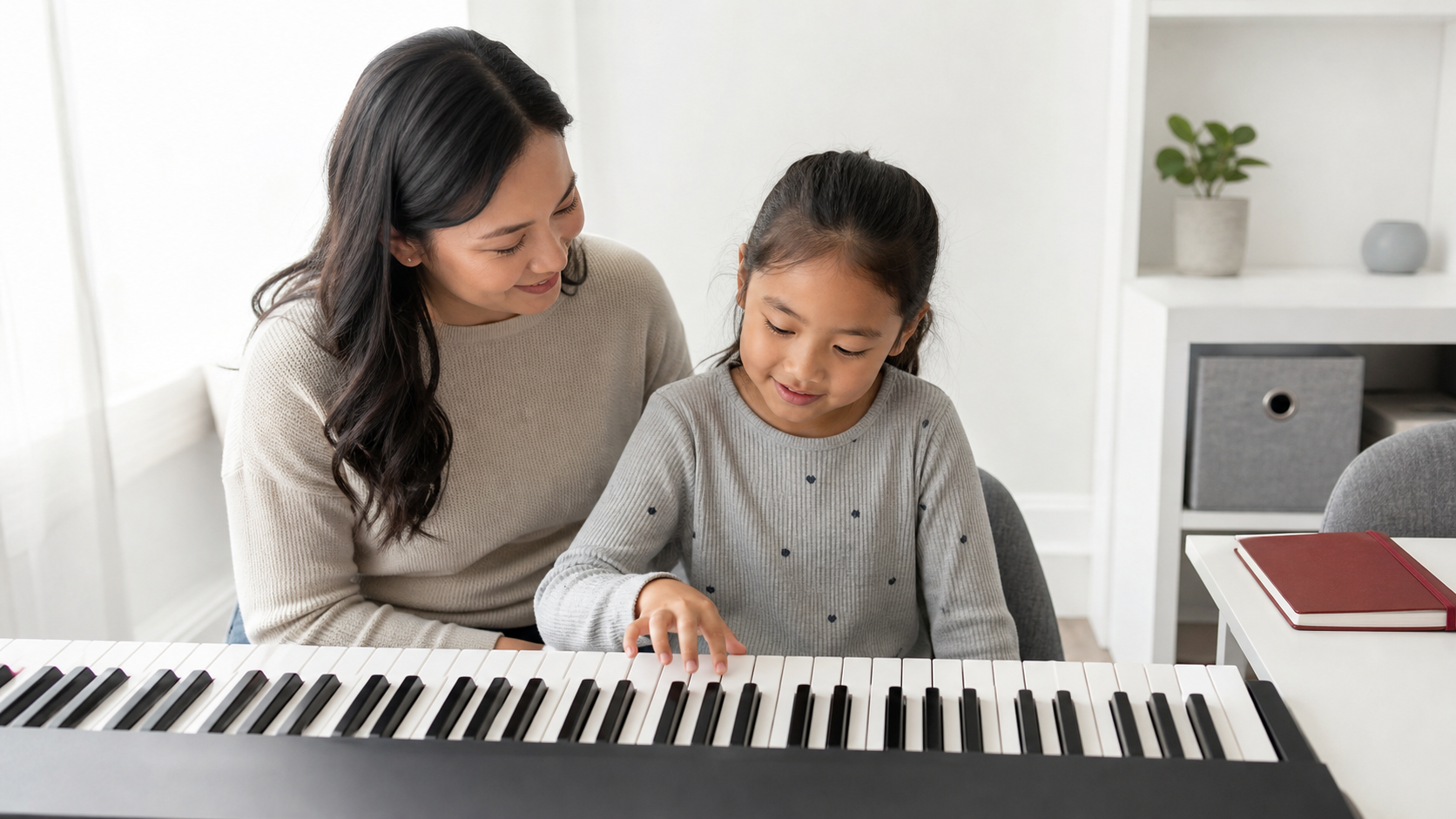
This guide gives parents a practical answer to questions such as “Is four too young for piano lessons?”, “Can a five-year-old learn piano?”, and “Did we wait too long?” It also includes a readiness checklist and a simple two-week test you can use before choosing a class.
What is the best age to start piano lessons?
A useful starting answer is around ages five to seven for many children, because school routines often make it easier to listen, count, follow a short sequence, and practice consistently. That range is a guidepost, not a rule. A younger child may be ready with the right lesson format, and an older child can begin with advantages such as stronger reading skills, longer focus, and more independent practice.
| Age or stage | A practical starting approach | What parents should watch |
|---|---|---|
| Ages 3–4 | Musical play, clapping, singing, keyboard exploration, or a very short child-centered lesson | Can the child stay interested without pressure and follow one simple direction? |
| Ages 5–7 | Beginner group, private, or online-supported lessons with short home practice | Can the child repeat a small pattern, count a steady beat, and return to a task? |
| Ages 8 and up | A structured beginner path that uses the child’s growing independence | Does the music feel relevant enough to keep the child engaged between lessons? |
These ranges describe learning approaches, not iPianoLab enrollment rules. Always check the current class details for the location or format you are considering.
Is age 3 too young for piano lessons?
Age three is often better for musical exploration than for a conventional lesson with long explanations or assigned practice. A three-year-old can clap a beat, sing high and low sounds, find groups of black keys, and take turns making simple sounds. Those are useful early music experiences even if the child is not ready to sit through a formal class.
If a young child loses interest after a few minutes, that is not failure. Keep the experience short and positive, then try again later. The goal is curiosity, not proving that the child can begin early.
Is age 4 too early to learn piano?
Four is not automatically too early. Some four-year-olds can enjoy short lessons when the teacher uses movement, imitation, songs, and simple directions. Others need more time before a recurring lesson feels comfortable.
Look for three signals together: your child asks to return to the instrument, can follow one-step directions, and can stay with a playful activity for roughly ten minutes. If only one signal is present, continue casual music play and revisit lessons later.
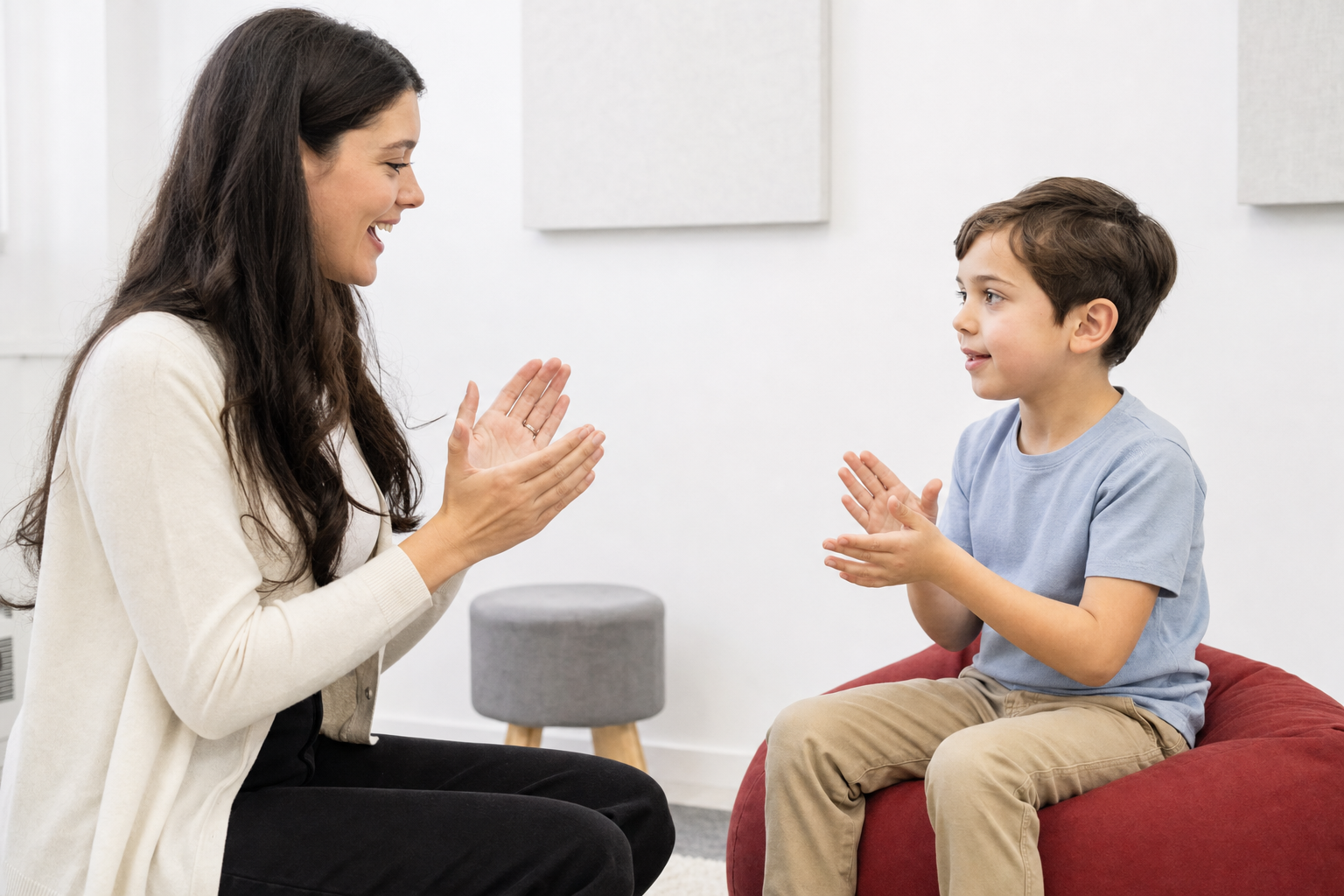
Seven signs your child may be ready for piano lessons
- Your child is curious about the instrument. They ask to touch the keys, notice songs, or return to the piano without being pushed.
- They can follow a short direction. “Find these two notes, then stop” is enough for a beginner. Perfect compliance is not the goal.
- They can focus for a brief activity. Ten or fifteen attentive minutes can be more valuable than a longer session filled with frustration.
- They can copy a simple pattern. This might be two claps, three taps, or a short left-to-right sequence.
- They tolerate small mistakes. A ready beginner does not need to be patient all the time, but they can usually try once more with encouragement.
- They can participate without a parent directing every move. Younger children may still need reassurance, but the teacher should be able to build a direct connection with the student.
- Your family can support a small routine. A consistent lesson time and a few short practice windows matter more than an ambitious daily schedule.
A child does not need all seven signs. Look for a cluster of readiness plus genuine interest. Children also learn in different ways; a need for movement, visual cues, or a quieter setup does not mean a child cannot learn music. iPianoLab’s Inclusive Instruction Policy explains the program’s commitment to accessible learning.
Signs it may be better to wait—or change the format
Waiting can be wise if every keyboard interaction becomes a battle, the child is only participating to please an adult, or the current schedule cannot support even a small routine. But “not ready for this format” is different from “not musical.” A child who struggles in a longer private lesson might enjoy a social group setting. A child overwhelmed by a busy class may respond better to a quieter or flexible option.
Before stopping completely, change one variable: shorten the session, choose more familiar music, try a different time of day, or let the child observe a class. If you are still deciding what the first experience should look like, read what to expect at a child’s first piano class.
Try this two-week piano-readiness test
You do not need a complicated assessment. Use four short sessions across two weeks:
- Day 1: explore. Let your child try sounds for five to ten minutes. Notice what draws them back.
- Day 4: copy. Clap a two-part rhythm or play a two-note pattern and invite your child to echo it.
- Day 8: remember. Ask what they recall from the first week without turning it into a quiz.
- Day 12: choose. Offer two short music activities and see whether your child willingly picks one.
At the end, ask three questions: Did my child want to return? Could they accept a little guidance? Did the experience stay mostly positive? Three “yes” answers are a good reason to explore a beginner lesson or class.
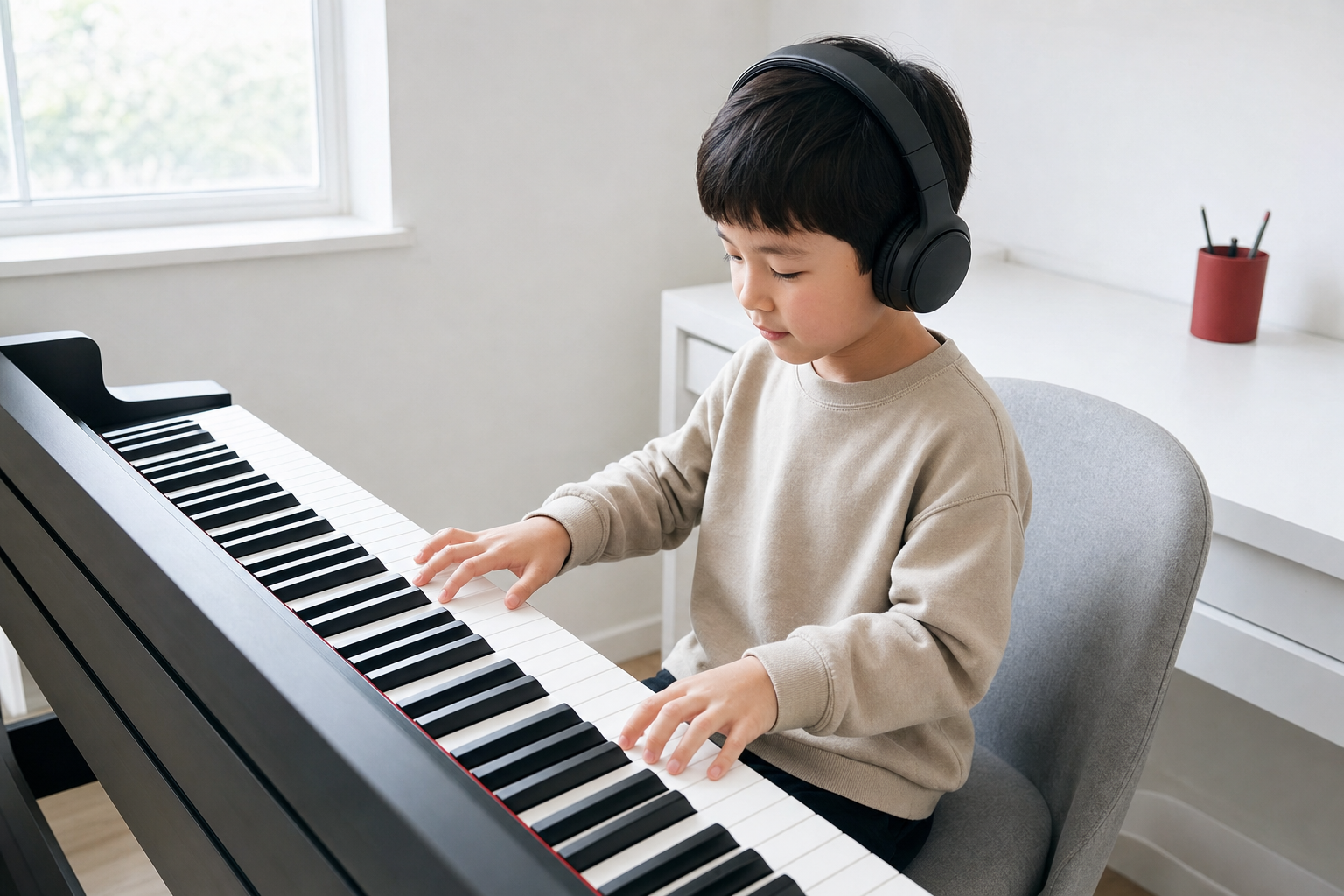
Choose the right first piano-learning format
After-school group classes
A group can make beginning piano feel social and familiar. iPianoLab after-school classes commonly meet once weekly for one hour, and each level includes six lessons. Keyboards, headphones, books, music, and learning materials are provided in class. Families can review the school-class path or find a current signup option.
Online learning
Online learning can help families who need a flexible schedule or want to preview a routine at home. It works best when a parent helps set up the space and keeps early sessions short. Explore iPianoLab’s online learning option, then use the parent setup checklist for online piano lessons.
Private lessons
Private instruction can suit a child who benefits from individual pacing, a quieter environment, or focused feedback. Ask how the teacher adapts the first lesson for young beginners and what kind of home practice they expect.
Frequently asked questions
Can a five-year-old learn piano?
Yes, many five-year-olds can begin when lessons are concrete, encouraging, and appropriately short. Readiness matters more than whether the child already knows music; beginners can start with no prior musical background.
Is seven a good age to start piano lessons?
Seven can be an excellent starting age. Many children at this stage can follow a sequence, count steadily, and understand a small practice goal while still enjoying playful, song-centered learning.
Is ten too late to start piano?
No. A ten-year-old beginner may learn routines and symbols more quickly than a younger child and can have a stronger voice in choosing music. Starting later is not the same as being behind.
Does my child need to read before starting piano?
Not necessarily. Early lessons can build keyboard geography, rhythm, counting, listening, and coordination before full music reading. iPianoLab introduces songs and foundational skills early, then develops note reading as students progress.
How long should a beginner piano lesson be?
The right length depends on age, format, and attention. A younger beginner may thrive with a shorter focused lesson, while a group class can include varied activities over a longer block. Compare the options in the guide to 30-, 45-, and 60-minute piano lessons for children.
The best next step is a low-pressure start
Do not wait for perfect focus, perfect rhythm, or a perfect age. Look for interest, a little listening, and willingness to try again. Then choose a first experience that matches your child’s current attention and your family’s real schedule.
Ready to explore a beginner path? View current iPianoLab signup options, check the school-class route, or explore online piano learning.