Why Does My Child Play Every Piano Note at the Same Volume?
Quick answer: beginners often play every piano note at the same volume because they are using most of their attention to find the notes, remember the fingers, and keep the rhythm going. Musical dynamics—soft and loud changes—usually become clearer when the note pattern is already comfortable. Instead of asking for “more feeling,” help your child listen for two contrasting sounds, practice them on a tiny note group, and then reconnect one short phrase.
Playing with one steady volume does not mean a child is unmusical or not paying attention. It usually means the coordination work is taking up the available attention. The most useful next step is to make the musical choice simple enough that the child can hear it, plan it, and repeat it.
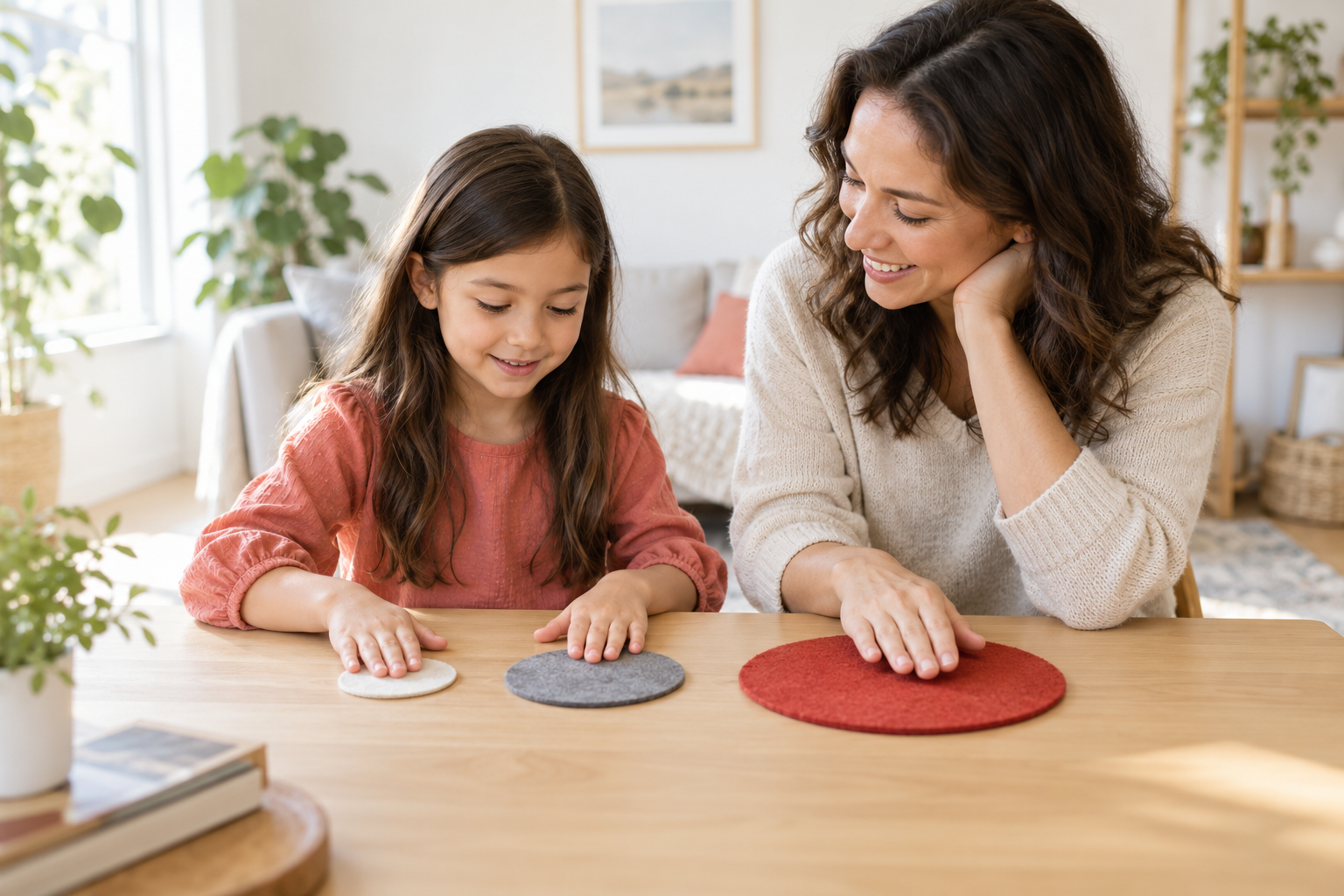
Why do beginners play every note at the same volume?
A young pianist may produce an even, mechanical-sounding volume for several ordinary reasons:
- Finding the notes still takes effort. When note reading is not automatic, sound shaping becomes a second task.
- The child is trying not to make a mistake. Careful playing can become cautious, especially when the child expects every note to be judged.
- The dynamic marking is only a symbol. A child may know that p means soft and f means loud without yet connecting those markings to a physical and audible difference.
- The music is too long for one listening goal. Asking for expression through an entire song can be harder than shaping one two-measure phrase.
- “Play with feeling” is too vague. The child may not know whether the parent means softer, louder, smoother, more connected, or a different tempo.
- The child is using force instead of contrast. Loud does not require a tense shoulder or a hard, sudden jab. Soft does not mean barely touching a key and hoping it sounds.
Listen for the pattern before correcting it. Does the child use one volume from the first note to the last? Do soft sections disappear while loud sections become harsh? Can the child make a clear contrast on one comfortable note, but lose it inside the song? The answer tells you whether the main challenge is listening, movement, or task size.
What are piano dynamics?
Dynamics are changes in musical volume and intensity. In beginner music, common markings include p for soft, f for loud, and hairpin shapes that show the sound gradually growing or fading. Children do not need a long vocabulary lesson before they can begin hearing and making contrast.
A useful first goal is simply: “Can we hear two clearly different versions?” Once the difference is obvious, the teacher can help the child refine the sound and connect it to the markings in the music.
Should a child press harder to play louder?
A louder piano sound comes from moving the key with more speed and energy, not from squeezing the whole body or continuing to push after the note has sounded. A beginner does not need a technical lecture about the piano action. They need a safe contrast they can hear without bracing.
Try an easy pattern on two or three familiar notes. Ask for a comfortable “speaking voice” sound first, then a stronger sound that stays free of shoulder lifting, grimacing, or a locked wrist. If louder playing becomes harsh or tense, return to the comfortable sound and ask the teacher to help with the movement. The separate parent guide on pressing piano keys too hard can help you tell musical contrast from unnecessary force.
What does “play softly” mean for a beginner?
Soft playing should still produce a clear, intentional sound. It is not the same as playing timidly, missing notes, or moving so slowly that the musical line stops. Many beginners need to discover that a gentle sound can still have a steady pulse and confident movement.
Use one familiar note or a tiny pattern. Ask the child to make the quietest clear sound they can produce three times in a row. If a note does not sound, treat that as useful information rather than a failure: the movement became too cautious. Try again with a slightly more decisive motion.
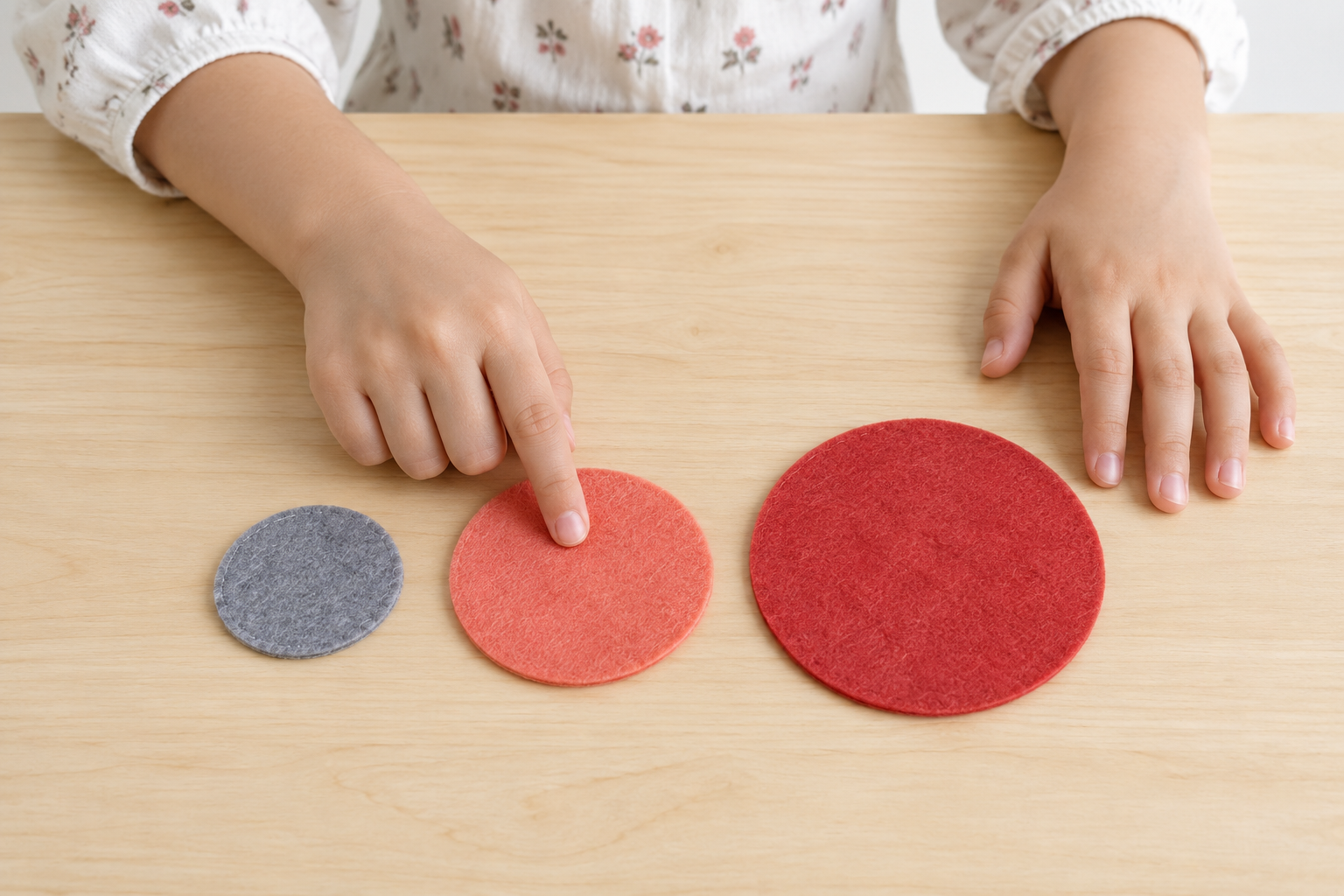
A five-minute “soft, medium, strong” listening game
This game separates the listening decision from the difficulty of the song. Use three plain objects of different sizes, such as felt circles, paper shapes, or blocks. Do not write music symbols on them yet; let the ears lead.
- Name three sound sizes. Call them soft, medium, and strong. “Strong” is often a more useful first word than “hard.”
- Tap the contrast away from the piano. Tap the table once for each sound size without hurting the hand or making the largest sound wild.
- Move to one comfortable key or note. Play one clear sound for each size. Pause and listen after every attempt.
- Hide the visual clue. Have the child close their eyes or look away while the adult taps one of the three levels. Ask which sound size they heard.
- Use a tiny note group. Play two to four familiar notes all soft, then all strong. Keep the rhythm steady.
- Reconnect one phrase. Choose one short place in the assigned song and decide together where the sound should change.
Stop after a few successful contrasts. The purpose is to make listening and choice easier, not to turn every practice session into a volume test.
What should parents say instead of “play with more feeling”?
“More feeling” can be meaningful to an experienced musician but unclear to a beginner. Give one audible request at a time:
- “Can you make the second time softer than the first?”
- “Which note should sound like the important word in this phrase?”
- “Can the sound grow across these four notes?”
- “Keep the beat the same, but make this echo quieter.”
- “Play it once like a whisper and once like a confident speaking voice.”
Avoid asking for several changes at once. “Slower, softer, smoother, and with more feeling” gives a child four different jobs. Choose one contrast, listen, and then decide whether the next attempt needs another change.
How can parents help without controlling every note?
Let the child make a musical decision before playing. Ask, “Where should the sound grow?” or, “Which version fits this part better?” The answer does not need to be perfect. Making and hearing a choice builds more independence than receiving a running stream of corrections.
You can also use a short recording when the child is comfortable with it. Record two versions of the same two-measure phrase, listen once, and ask what changed. Keep the recording private and brief. The goal is careful listening, not performance pressure.
If the rhythm falls apart as soon as the child changes volume, separate the jobs again. Use the rhythm-first parent routine, then add one dynamic contrast only after the pulse feels comfortable.
When should the teacher take the lead?
Ask the teacher for help when the child cannot produce two clear sound levels on an easy note, loud playing always brings visible tension, soft playing repeatedly produces silent notes, or the instrument responds unpredictably. The teacher can check the movement, bench setup, assignment, and instrument together.
Bring a specific observation. “The first four notes are soft, but the sound gets suddenly harsh when both hands begin,” is more useful than, “The song has no expression.” If the child is already working on a teacher-assigned dynamic plan, support that plan rather than adding a competing set of home instructions.
How dynamics help a child become a more independent musician
Dynamics are not decoration added after the “real” work. They help a child listen ahead, notice patterns, make choices, and connect physical movement to musical meaning. Those habits support phrasing, balance between the hands, confidence, and expressive playing as the music becomes more complex.
iPianoLab helps beginners play songs early while building rhythm, reading, coordination, and listening in manageable steps. When a child has a clear musical choice and a small enough task, expression becomes something they can hear and repeat—not a mysterious talent they either have or do not have.
Frequently asked questions
Why does my child’s piano playing sound robotic?
The child may be concentrating on correct notes, fingers, and rhythm so intensely that there is little attention left for sound shaping. Use a tiny familiar pattern and practice one soft-versus-strong contrast before returning to the song.
What does p mean in piano music?
P stands for piano, the Italian musical term for soft. For a beginner, it should mean a clear, intentional quiet sound—not a silent or hesitant note.
What does f mean in piano music?
F stands for forte, the Italian musical term for loud or strong. Encourage a full sound without shoulder tension, a locked wrist, or a harsh jab.
Should children practice dynamics from the beginning?
Yes, in small and playful ways. Listening for two different sound levels on one note or a tiny pattern is enough at first. The musical task should stay simple enough that the child can hear the contrast.
Is a digital piano causing the same-volume problem?
Many digital pianos respond to how quickly a key is played, but settings and instruments vary. Test whether one familiar key can produce clearly different soft and strong sounds. If it cannot, ask the teacher to check the instrument’s touch-response setting or playing setup.