Why Does My Child Press Piano Keys Too Hard?
Quick answer: children often press piano keys too hard because they are excited, trying to make the sound reliable, holding extra tension, or using more effort than the music needs. It does not automatically mean they are learning bad technique. The useful question is whether your child can also make a light, controlled sound when asked. A short soft-medium-strong listening game can help you tell the difference between normal experimentation and a pattern worth showing the teacher.
A beginner is solving several problems at once: finding the next note, choosing a finger, remembering the rhythm, and making the instrument respond. When those steps feel uncertain, pressing harder can seem like the safest way to guarantee a sound. The goal is not to make every note quiet. It is to help your child discover that they can choose different sounds without making the hands stiff.
Why do beginners press piano keys so hard?
Firm playing can come from several different causes. Listen and watch before deciding which one fits your child.
They are making sure every note sounds
A child who is still learning where the notes are may use extra force as insurance. The hand arrives late or from above, and the child thinks a bigger movement will prevent a missed note. This often appears in new songs or difficult spots, even when familiar music sounds more relaxed.
They are excited by a loud sound
Exploring volume is musical. A beginner may enjoy the immediate result of a strong sound or copy the energy of a favorite song. That is different from being unable to play gently. Ask for one light note and one strong note. If your child can switch between them comfortably, they may be experimenting with dynamics rather than struggling with control.
They are carrying tension from another task
A child may tighten the shoulders, elbows, wrists, or fingers while concentrating. The effort can grow when they are trying not to make a mistake. If the whole body becomes rigid, the sound is only one clue. A smaller task and a brief reset can be more useful than repeatedly saying, “Play softer.”
The instrument or volume is changing the feedback
A digital keyboard set very quietly may lead a child to strike harder just to hear themselves. Some instruments also feel or respond differently from the one used in class. Before treating the problem as technique, check the volume, sound setting, headphones, and whether every key responds normally. Do not change advanced touch settings unless you know what they do; ask the teacher which setup matches the lesson.
The song asks for more coordination than the child has ready
Hard playing sometimes appears when a child adds the second hand, plays faster, or reaches for a new position. The extra force can be a sign that the task is too large to control all at once. Separate a tiny section and slow it down before asking for a different sound.
What should parents check first?
Use this quick check before giving a technique reminder:
- Listen to an easy song. Does your child also press hard when the notes are familiar?
- Check the volume. Can your child hear the instrument without forcing the sound?
- Look for whole-body effort. Are the shoulders lifted, the elbows locked, or the fingers held stiffly?
- Ask for a contrast. Can your child make one soft sound and one stronger sound on purpose?
- Notice discomfort. If playing hurts, stop the exercise and tell the teacher.
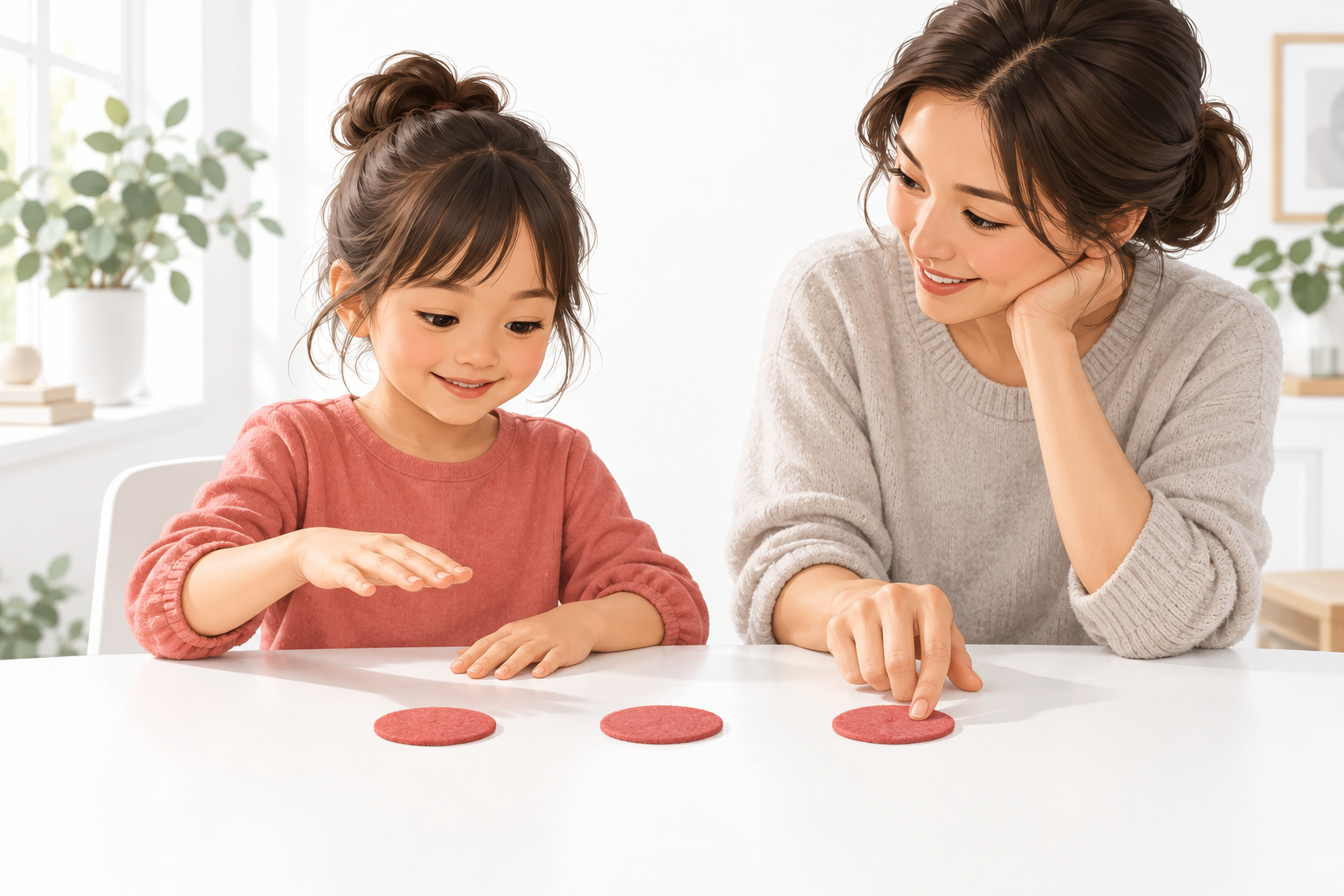
The contrast test is especially helpful. “Too hard” is vague to a child. “Can you make this one sound like a whisper, then a normal speaking voice, then a strong voice?” gives them something they can hear and compare. Keep the language playful, not judgmental.
A five-minute touch-control reset
This routine is not a substitute for the teacher’s technique guidance. It is a short listening exercise that can help a child discover more than one level of touch.
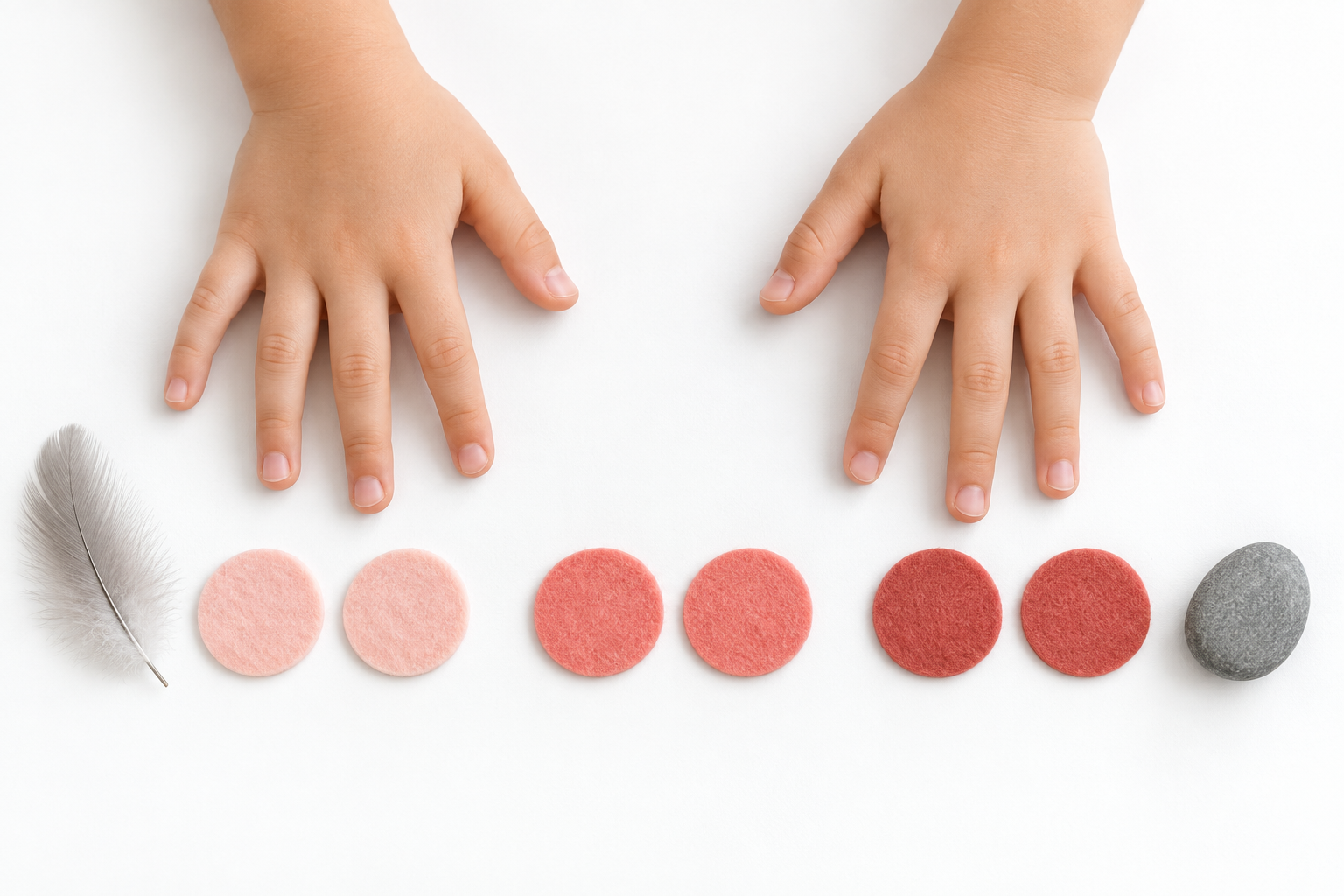
- Reset away from the instrument for one minute. Let the arms hang loosely, then place both hands on a table. Tap each fingertip gently enough to feel contact without making a loud knock.
- Try three touch levels for one minute. Make two feather-light taps, two medium taps, and two stronger taps. The strong taps should still feel controlled; this is not a pounding contest.
- Move to one key for one minute. On the piano or keyboard, use one comfortable finger and listen for a soft sound, a medium sound, and a stronger sound. Pause between attempts.
- Use three familiar notes for one minute. Play a tiny pattern the child already knows. First play it gently, then at a normal level. Keep the hand movement small and comfortable.
- Return to the song for one minute. Choose only the measure where the hard playing was most noticeable. Ask for one controlled version, then finish with an easy success.
If the sound does not change, do not keep repeating the same correction. The child may be thinking about notes, rhythm, or fingering instead of touch. Write down what you noticed and bring that exact example to the teacher.
What should parents avoid?
- Do not correct every note. Constant reminders can make the child more tense and less able to listen.
- Do not force curved fingers or a fixed hand shape. Technique depends on the child, the movement, and the music. Let the teacher guide physical details.
- Do not turn quiet playing into the only “good” sound. Music needs contrast. The goal is choice and control.
- Do not practice through pain. Stop if your child reports pain, tingling, or unusual discomfort.
- Do not increase practice time to solve tension. A shorter, clearer task is usually a better first test.
Parents can support the routine without becoming the piano teacher. If practice is creating repeated conflict, read how to help your child practice piano without taking over the lesson.
When should you ask the piano teacher?
Bring the question to the teacher when hard playing continues across easy and difficult songs, when your child cannot make a gentle sound comfortably, when the wrists or shoulders stay rigid, or when the child reports pain. A short video may help if the teacher allows it, but a precise description is often enough:
“The hard sound happens when the left hand joins, but not when the melody plays alone. What should we practice first?”
That observation gives the teacher more useful information than “My child bangs the keys.” The teacher can check movement, seating, instrument response, fingering, rhythm, and whether the song should be simplified.
If the difficulty appears mainly when your child uses unfamiliar fingers, see why beginners sometimes play with one finger. If the problem grows when the beat speeds up, use the parent guide to piano rushing. For timing work, a metronome can help after the child can already play a tiny section comfortably.
Frequently asked questions
Is pressing piano keys hard bad technique?
Not always. Music sometimes needs a strong sound, and beginners naturally experiment. It becomes more useful to investigate when the child cannot also play lightly, looks stiff, loses control, or feels discomfort.
Can a child damage a piano by playing loudly?
Normal playing at different dynamic levels is part of using a piano. The concern in a lesson is usually control and comfort, not the existence of loud notes. If your child is striking, hitting sideways, or treating the instrument roughly rather than playing, pause and reset the activity.
Should I tell my child to relax their hands?
You can invite a brief shake-out or a gentle tabletop tap, but “relax” may be too abstract to fix the movement. A concrete contrast—light, medium, strong—often gives the child better feedback. Ask the teacher for the exact cue they want you to use.
Why does my child play harder with the left hand?
The left hand may be less familiar, may be playing a different pattern, or may add enough mental effort that the child stiffens. Test the left hand alone with a very small pattern, then ask the teacher how to reconnect both hands.
What if the keyboard only sounds when my child presses hard?
Check the volume, headphones, selected sound, power connection, and whether the issue affects every key or only certain keys. If the instrument response is inconsistent, avoid changing technique to compensate and have the setup checked.
A calm next step
One loud practice session is not a diagnosis. Listen for when the hard sound appears, check the setup, try one short contrast game, and share the pattern with the teacher. Your child does not need perfect hands today. They need a task small enough to hear, control, and repeat.