Focus Matters: The Surprising Science of How Keyboard Lessons Improve Your Child’s Executive Function
![[HERO] Focus Matters: The Surprising Science of How Keyboard Lessons Improve Your Child’s Executive Function](https://ipianolab.s3.us-west-2.amazonaws.com/blog/posts/18/assets/marblism/cdn.marblism.com/EazVezu9l6f.webp)
If you’re a parent in 2026, you probably spend a decent amount of time worrying about your child’s focus. Between the constant pull of tablets, the fast-paced nature of social media, and the sheer amount of information thrown at them every day, it feels like "paying attention" is becoming a lost art. You’ve probably seen the struggle firsthand: the homework that should take twenty minutes but takes two hours, or the way they seem to zone out when things get a little bit challenging.
The good news is that focus isn't just something you're born with, it’s a muscle. And one of the absolute best ways to "gym" that muscle? Keyboard lessons for beginners.
At iPianoLab, we’ve seen thousands of kids transform from scattered to centered, all through the power of music. And as we transition into our new brand name, PianoFlight, this summer, our mission remains the same: making those incredible "brain-building" benefits accessible, fun, and totally low-pressure for every family.
What is "Executive Function" Anyway?
You might have heard teachers or pediatricians toss around the term "executive function." It sounds like something out of a corporate boardroom, but for a child, it’s basically their brain’s CEO. Executive function is the set of mental skills that includes working memory, flexible thinking, and self-control.
We use these skills every day to learn, work, and manage daily life. Trouble with executive function can make it hard to focus, follow directions, and handle emotions.
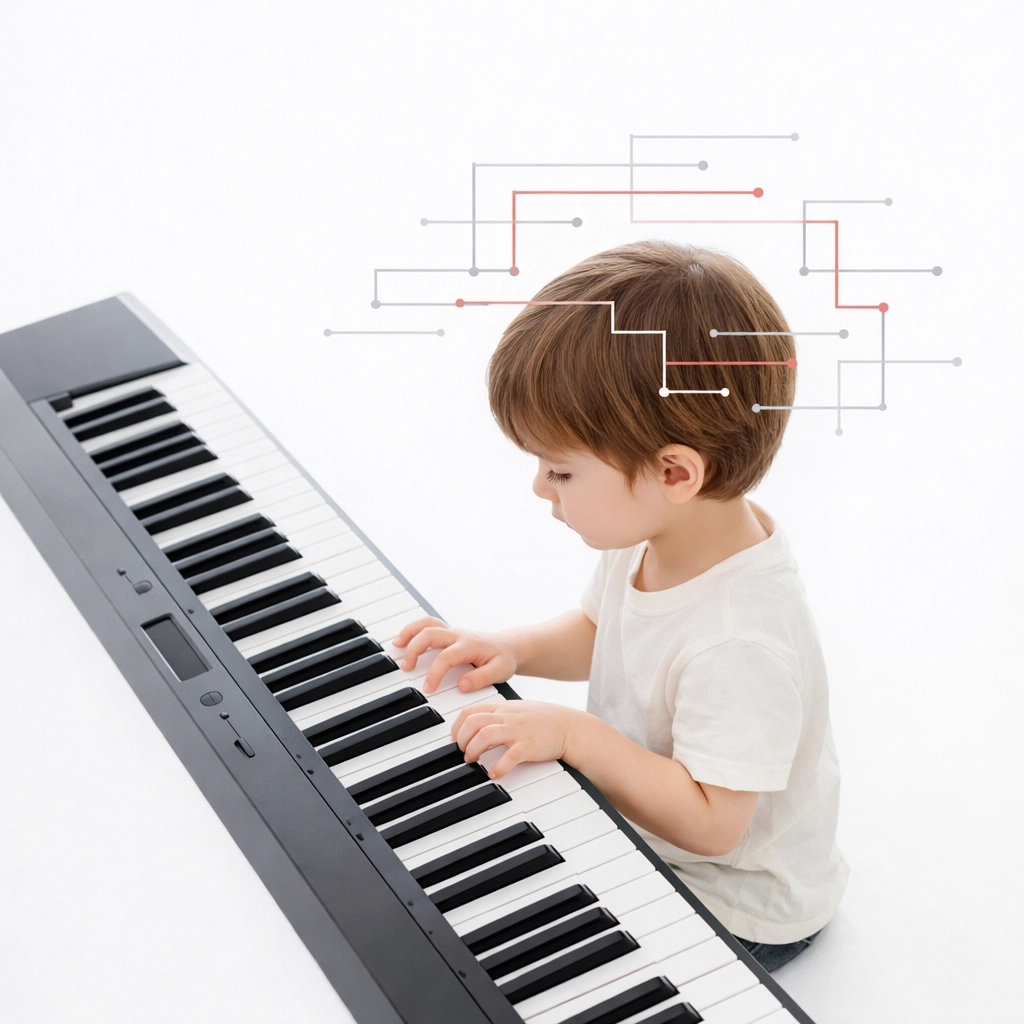
So, how does playing a keyboard help? Unlike almost any other activity, playing music requires the brain to do about five things at once. It’s the ultimate multitasking workout. When your child sits down at the keys, they aren't just "playing a song." They are decoding symbols (reading music), managing fine motor skills (moving fingers), keeping time (rhythm), and listening for mistakes (auditory feedback).
The "Super-Brain" Science: What the Research Says
We aren’t just saying this because we love music (though we definitely do!). There is some serious science backing this up. Researchers at the University of Southern California have done extensive studies on how music training affects the developing brain. Their findings? Music training actually accelerates brain development in young children, particularly in the areas of the brain responsible for processing sound, language development, speech perception, and, you guessed it, reading skills.
But it goes even deeper than that. A clinical study showed that piano training produced significant improvements in tests measuring attention and "cognitive inhibition", which is just a fancy way of saying the ability to ignore distractions and stay on task.
Here is the really cool part: Students who engage in consistent music training often show a measurable increase in IQ, averaging about 7 points higher than their peers. And for the older kids? Those who stick with lessons into their teens average about 100 points higher on the SAT.
If you want to see how we set the foundation for these results without the "old school" stress, check out our NYC classes or our online programs.
Hand Independence and the "Bilateral" Boost
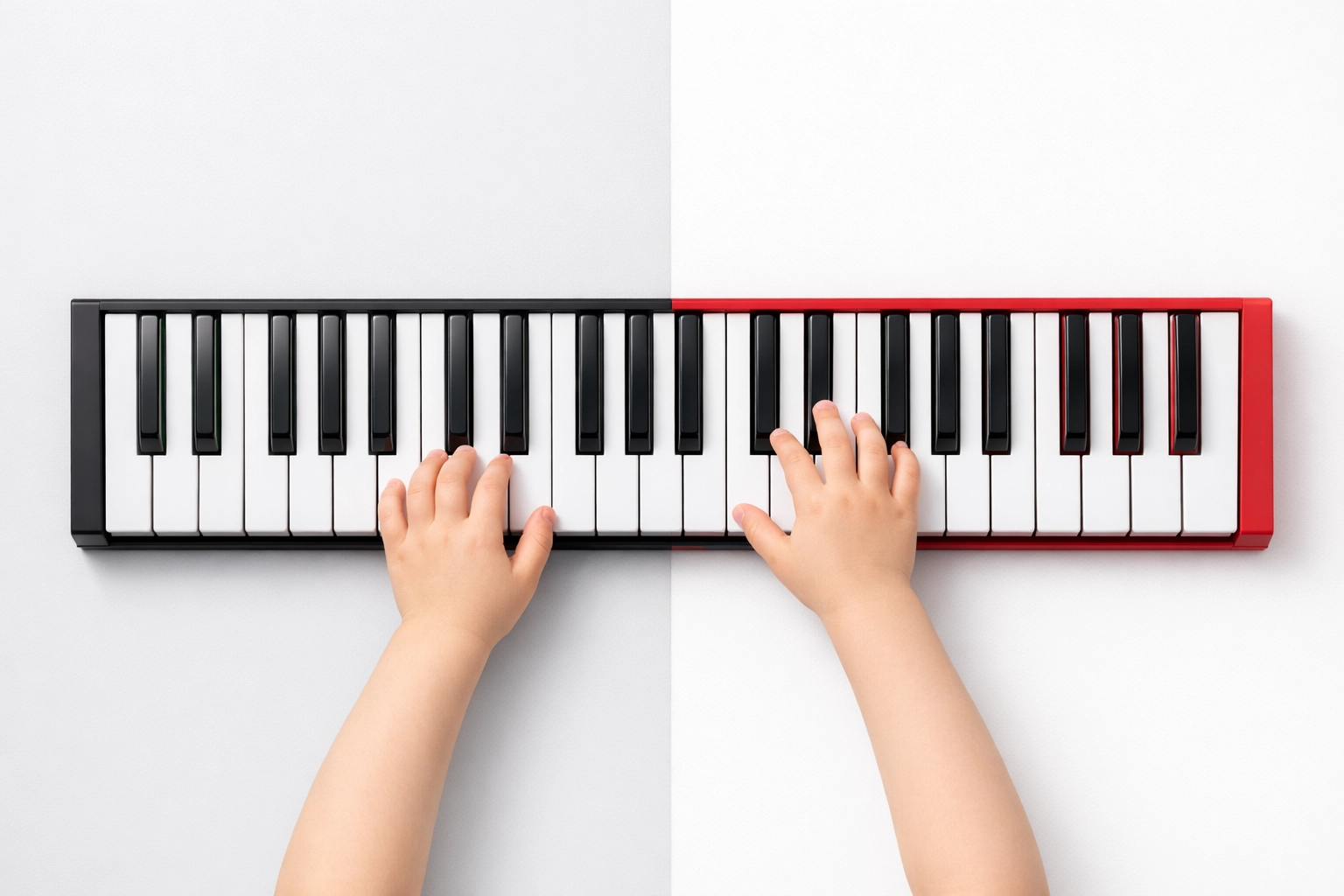
One of the unique things about keyboard lessons for beginners is the concept of hand independence. In most sports or hobbies, you use your hands together for one goal (catching a ball, typing on a computer). On the keyboard, your left hand might be playing a steady bass line while your right hand is dancing through a fast melody.
This requires the two hemispheres of the brain to communicate at lightning speed. This bilateral brain development sharpens a child’s ability to multitask and solve problems creatively. They are literally building new neural pathways every time they practice a new scale or song.
At iPianoLab (and soon, PianoFlight!), we focus on this through a method that feels like a game rather than a chore. By using modern songs and fun tutorials, we keep them engaged long enough to get that "brain boost" without them even realizing they are working hard.
Beyond the Grades: Building Grit and Resilience
Focus is important for school, but executive function also plays a huge role in "grit." In our experience at Lenox Hill Music Studios, we’ve noticed that students who stick with an instrument learn how to handle frustration.
Learning the keyboard isn't instant. You hit wrong notes. You lose your place. You have to try that one measure over and over again. When a child finally nails a song they’ve been working on, they aren't just learning music, they are learning that persistence pays off. That’s a life skill that translates to the soccer field, the math classroom, and eventually, their careers.
We talk more about this in our post on why after-school music programs are often better than private lessons, it’s all about that social support and low-pressure environment.
Making it Accessible: No, You Don't Need a Grand Piano
One of the biggest barriers for parents is the idea that they need a massive, expensive acoustic piano and a strict teacher who will rap their child's knuckles for mistakes.
The good news is: That couldn't be further from the truth.
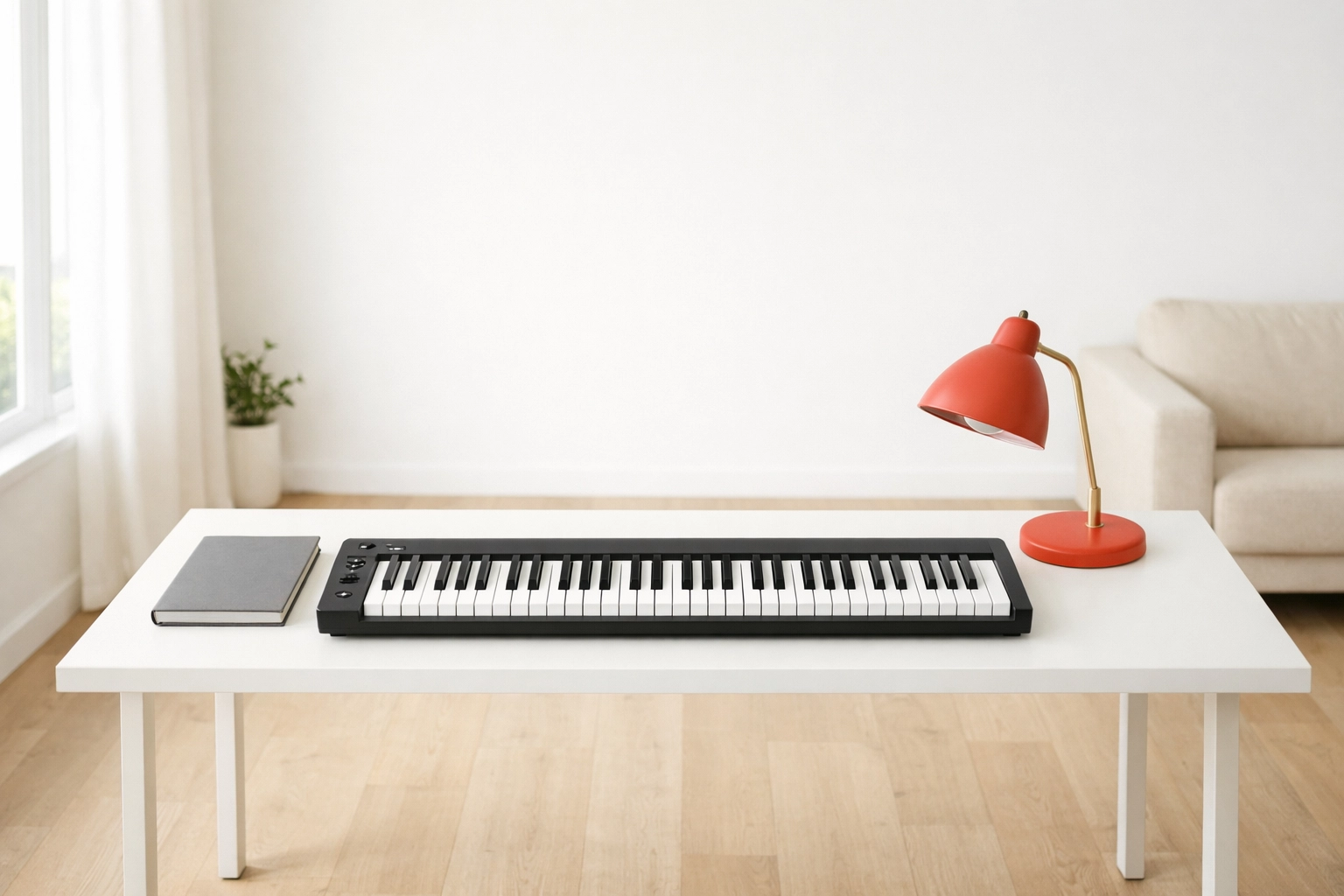
Modern keyboard lessons for beginners are designed to be affordable and space-efficient. You can get started with a simple, 61-key portable keyboard that fits on a desk. In fact, we have a whole Keyboard Buyer’s Guide to help you find the best value without overspending.
Our approach at iPianoLab is all about removing the "scary" parts of music education. We use real teachers who act more like coaches, guiding kids through our proprietary method that gets them playing their favorite songs quickly. Whether it’s in our NYC camps or through our school programs, we keep the vibe friendly and encouraging.
How to Get Started Without the "Practice Wars"
If you’re worried about adding one more thing to your plate, or having to "nag" your child to practice, don't be! The PianoFlight method is built on the idea that if kids like the music they are playing, they will want to play it.
We’ve found that even 10-15 minutes of "play" (we don't even like to call it practice!) a few times a week is enough to see those executive function benefits start to kick in. You can read more of our tips on how to get kids to practice without the nagging here.
The PianoFlight Transition
As we move toward our official launch as PianoFlight this summer, we are doubling down on this "brain-first, fun-first" philosophy. We want to help your child find their wings through music. iPianoLab has always been about making keyboard lessons for beginners easy to start and impossible to quit, and PianoFlight will take that to the next level with even more interactive tools and social learning opportunities.
OK, let's recap why keyboard lessons are a "must-have" for your child’s development:
- Boosts Focus: Teaches the brain to ignore distractions and stay on task.
- Improves Memory: Strengthens working memory through reading and playing simultaneously.
- Enhances School Performance: Correlates with higher IQ scores and better SAT results.
- Builds Confidence: Mastering a new skill provides a huge self-esteem boost.
- Develops Resilience: Helps kids learn that mistakes are just part of the learning process.
Ready to see the difference for yourself?
If you’re looking for a way to help your child develop the focus they need for school and life: while having a blast at the same time: now is the perfect time to start.
You can check out our FAQ for any burning questions, or better yet, just sign up for one of our upcoming sessions. We even have some free stuff to help you get a feel for how we teach.
No question about it: the gift of music is one of the best investments you can make in your child’s future. It’s about way more than just the notes on the page: it’s about giving them the mental tools to succeed in everything they do.
Let’s get those "super-brains" growing!