Piano Lessons for Shy Children: A Parent Guide to Starting Gently
Shy children can do very well in piano lessons when the first goal is participation—not performance. A reserved child does not need to speak quickly, play alone on demand, or feel comfortable on the first day. The better starting point is a predictable routine, a patient teacher, and small choices that let the child join at a manageable pace.
This guide helps parents compare lesson formats, recognize a low-pressure learning environment, prepare for the first class, and know when a quiet start is becoming real musical progress. It is not about changing a child’s personality. It is about choosing instruction that makes room for listening, observation, repetition, and confidence built through actual skills.
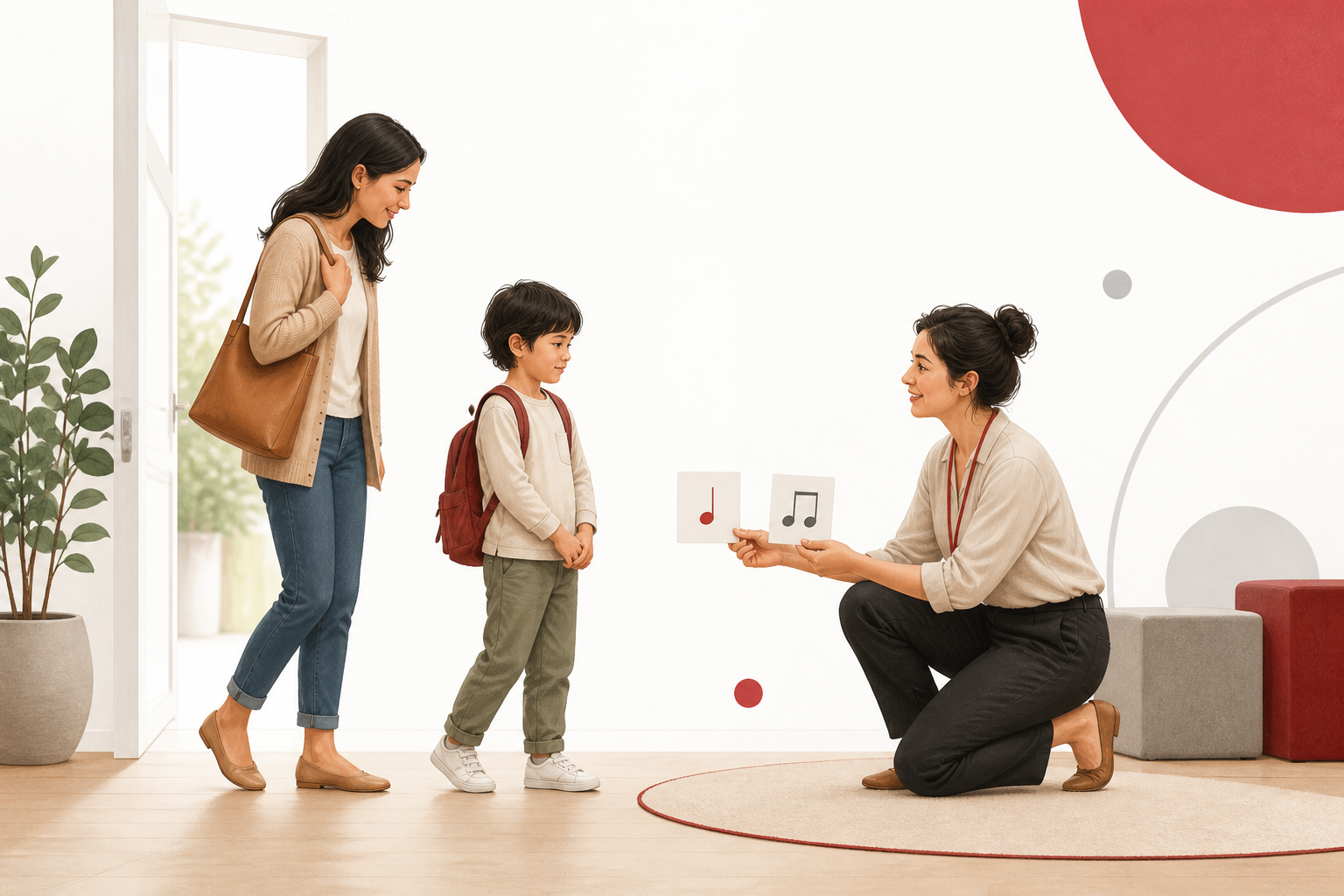
Are piano lessons a good fit for a shy child?
They can be. Piano gives a child a concrete activity to return to: listen to a short pattern, find a key area, copy a rhythm, or play part of a song. That structure can make a new social setting easier because the child is not expected to carry a conversation or invent what to do next.
The right fit depends less on whether the child is “shy” and more on how the program handles new students. Look for a teacher who can welcome a quiet child without repeatedly calling attention to the quietness. A useful first lesson may include watching, echoing a rhythm, choosing between two activities, and trying one short task privately before joining the group.
Being slow to warm up is not the same as being uninterested. Watch what happens after the initial transition. Does your child follow with their eyes, copy a movement, remember a musical idea later, or ask about returning? Those are participation signals even when the child says very little in the room.
What should a low-pressure first lesson look like?
A gentle first lesson still has structure. It does not mean letting the child sit outside every activity or avoiding all challenge. It means the teacher makes the next step clear and small enough to try.
- A calm arrival. The teacher explains where to put belongings, where the child will sit, and what will happen first.
- One easy choice. “Would you like to clap the rhythm or tap it on the table?” gives the child control without making the whole lesson negotiable.
- A watch-first option. The child may observe one example before being asked to copy it.
- A short, concrete task. The first success might be keeping a steady count, matching a two-part pattern, or finding a familiar keyboard landmark.
- A predictable ending. The teacher names one thing the child tried and one thing that will happen next time.
Parents should not expect instant comfort. A better question is whether the child becomes a little more available to the activity as the lesson continues. Progress might look like moving closer, trying after another student, making a choice, or repeating something once without prompting.
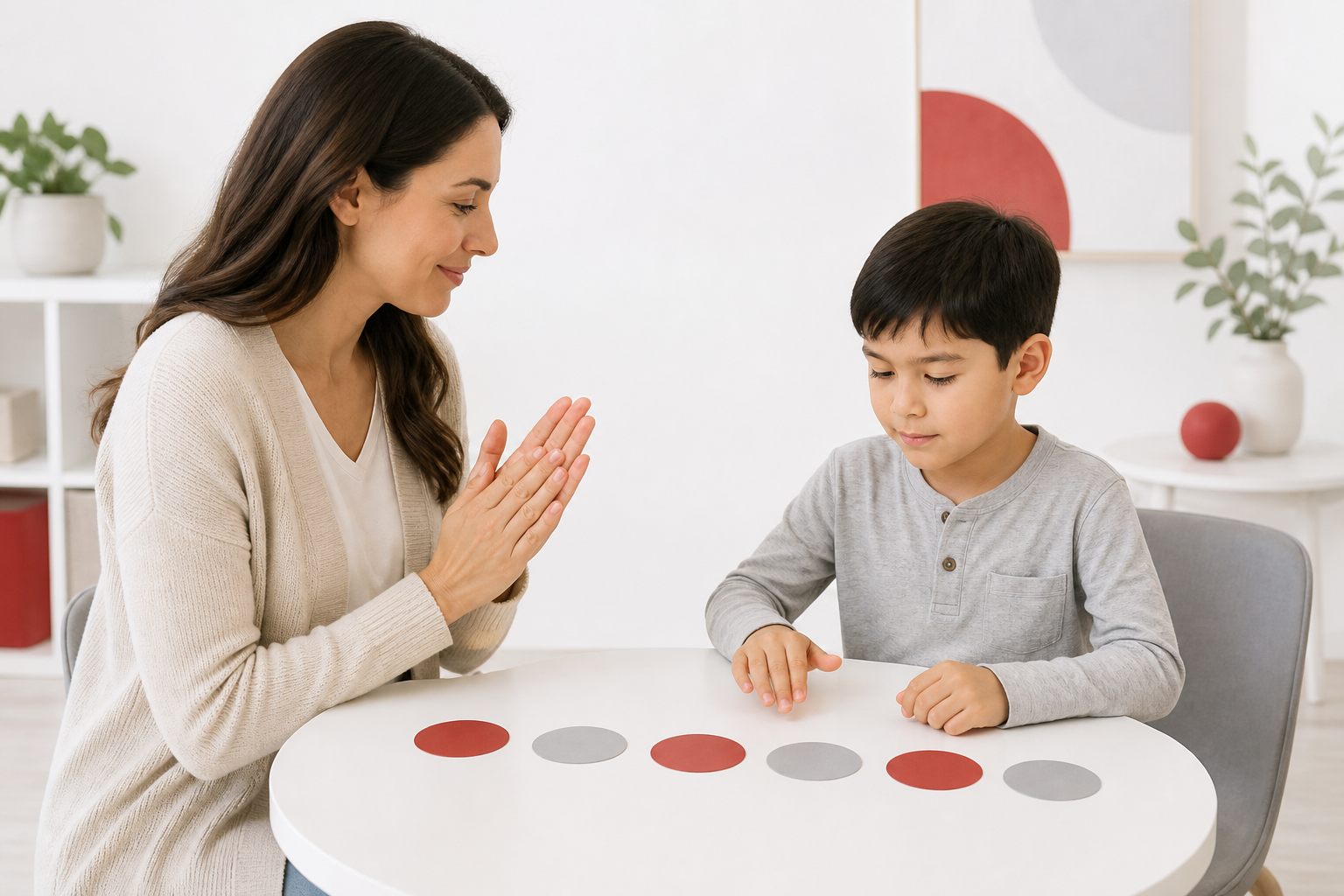
Group, private, or online: which format helps a shy beginner?
No format is automatically best. A quiet child may enjoy the safety of learning alongside peers, or may need individual time before joining a group. Compare the demands of each setting rather than assuming that shy always means private lessons.
| Lesson format | What may help | What parents should ask |
|---|---|---|
| Group class | The child can watch peers, join shared rhythms, and participate without every moment focusing on them. | Can a new student observe briefly before taking a turn? How does the teacher invite participation without pressure? |
| Private lesson | The pace and feedback can be tailored, and the room may feel quieter and more predictable. | How does the teacher build rapport with a child who answers slowly or needs time before trying? |
| Online learning | A familiar home setting can reduce transition friction, and the family can pause or repeat short activities. | What should the parent prepare, and how will the child receive feedback or know what to do next? |
For some children, a group is easier because attention moves around the room. For others, the noise and transitions of a group use too much energy at first. The most useful trial is one that matches the child’s current tolerance while still giving the teacher a real chance to engage them.
If you are comparing formats, read the full group-versus-private piano lesson guide. Families who need schedule flexibility can also review iPianoLab online learning.
Seven questions to ask a piano teacher before enrolling
You do not need to ask whether a teacher is “good with shy kids” and accept a general yes. Ask what the teacher actually does.
- What happens if my child watches but does not answer during the first part of class?
- Can a new student see the room or understand the routine before the first full lesson?
- How do you offer choices without letting a child avoid every activity?
- How are turns handled in a group so children are not surprised?
- What early progress signs do you share with parents?
- What do you recommend if the child participates in class but resists practice at home?
- When would you suggest changing the lesson format?
Listen for concrete answers: a visual or verbal routine, a watch-first example, a predictable turn order, a familiar opening activity, or a plan for gradually increasing participation. Vague promises that the child will “come out of their shell” are less useful than a clear teaching process.
How parents can prepare a shy child for the first piano lesson
Preparation should make the situation more predictable, not build it into a major event. Keep the explanation short and factual.
- Describe the sequence. “We will arrive, meet the teacher, try a few music activities, and then go home.”
- Avoid promising a performance. Do not tell relatives that the child will play a song after one lesson.
- Use neutral language. Instead of “You’re always shy,” say, “New rooms sometimes take time. You can watch the first example.”
- Arrive with enough time. Rushing from school or another activity can make a new setting harder.
- Choose one small goal. The goal might be entering the room, trying one rhythm, or telling the teacher which activity felt easiest.
Afterward, avoid an interrogation. Ask one specific question such as, “Which activity would you be willing to try again?” A child who gives a one-word answer may still have absorbed a great deal.
What progress looks like for a quiet beginner
Do not measure the first month by how talkative or outgoing the child becomes. Measure musical participation and growing independence.
- The child enters with less hesitation or needs fewer reminders about the routine.
- They copy a rhythm, movement, or short pattern after watching it once.
- They make a choice between two activities.
- They begin a familiar task without waiting for a parent.
- They remember a song, count, keyboard area, or practice step from the prior lesson.
- They tolerate a small mistake and try again with support.
- They show or explain something learned after leaving the lesson.
These signs connect to the same fundamentals every beginner needs: listening, keyboard geography, rhythm, counting, coordination, note reading, melody, and chords. A reserved student is not on a separate musical path. The entry pace may simply be more gradual.
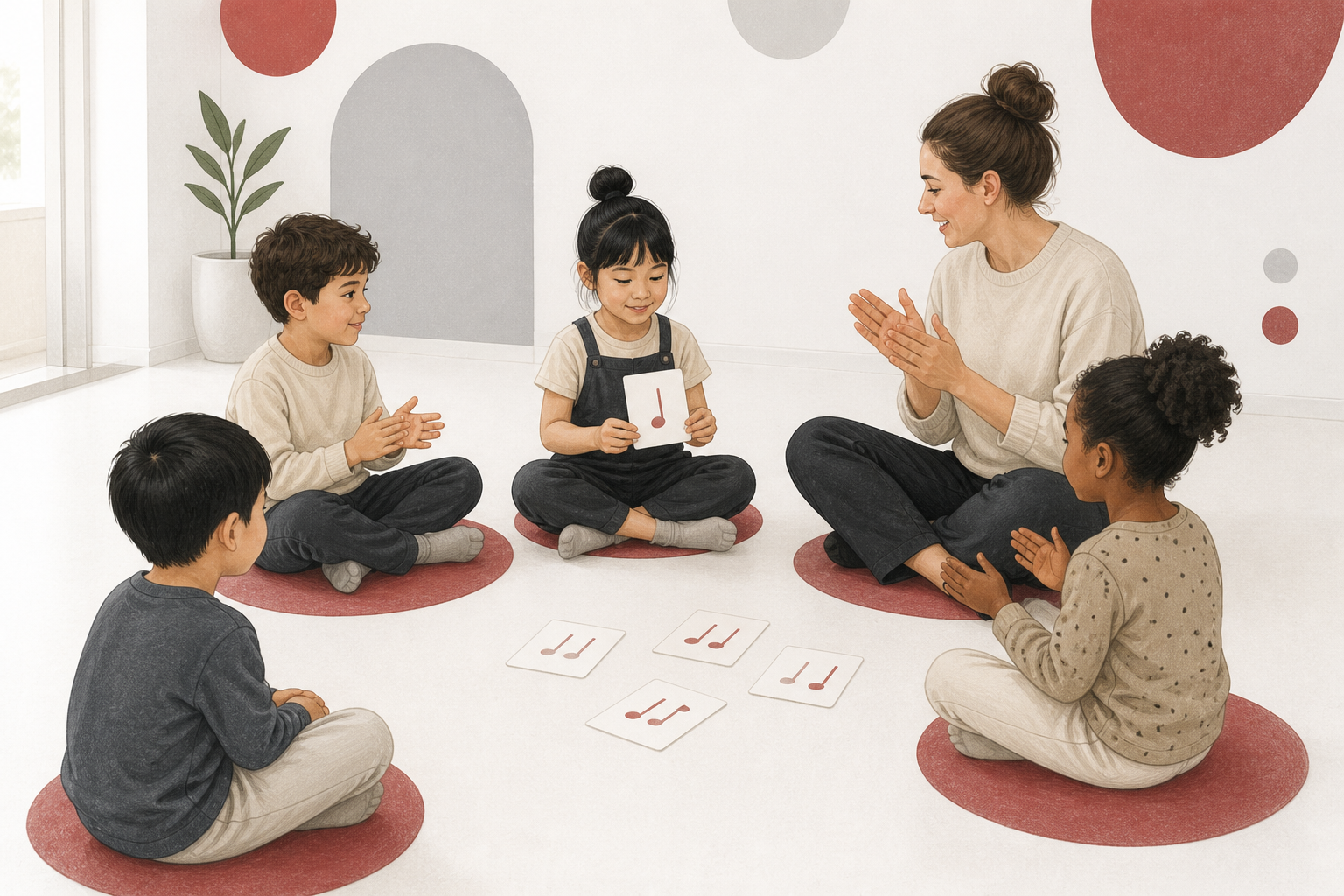
Can group piano lessons work for a shy child?
Yes, when the group offers predictable participation. Shared clapping, counting, listening, and short turns can let a child join without becoming the center of the room. The teacher should avoid surprise solos, public comparisons, or repeatedly announcing that a student is quiet.
iPianoLab after-school classes commonly meet once a week for one hour, with six lessons in each level. Keyboards, headphones, books, music, and learning materials are provided in class. That structure gives families a defined first block to evaluate rather than an open-ended commitment. Parents can view current iPianoLab signup options and compare the location and format that fits their child.
A group is not working merely because a child stays in the room. Look for increasing contact with the activity across several meetings. If the child remains distressed, cannot access instruction, or spends the whole class managing the environment, ask about a quieter or more individualized option.
When should a family change the lesson plan?
One quiet lesson is not a reason to stop. Give a well-chosen format enough repetition for the routine to become familiar. At the same time, do not confuse persistent distress with a personality trait that the child must push through.
Talk with the teacher if, after several lessons, the child cannot identify any comfortable activity, becomes more upset before each class, or is unable to follow instruction even with a predictable routine. A useful adjustment might be a shorter session, a different class time, a private introduction before group class, online practice at home, or a different teacher match.
If a child needs specific learning or access supports, ask directly how the program can help. iPianoLab’s Inclusive Instruction Policy describes its commitment to respectful, accessible instruction. Shyness itself is not a diagnosis, and parents should not assume that a quiet child needs a label before asking for a thoughtful teaching approach.
Frequently asked questions
Should a shy child take private piano lessons?
Private lessons can help when a child needs a quieter room or individual pacing, but they are not automatically better. Some shy children prefer a group because attention is shared. Ask how each format handles warm-up time and participation.
What if my child will not talk to the piano teacher?
The teacher can begin with choices, demonstrations, pointing, rhythm imitation, and other concrete responses. Speech may come later. The key question is whether the child can engage with the activity and gradually build direct communication with the teacher.
Should parents sit in during the first lesson?
Sometimes a parent’s quiet presence helps with the initial transition; sometimes it makes it harder for the teacher and child to connect. Ask the teacher in advance and agree on a plan. The guide to parents sitting in on piano lessons explains when observation can help and when stepping back may work better.
How long should we try lessons before deciding?
There is no universal number, but one unfamiliar lesson usually provides too little evidence. Use a defined introductory block when available and look for small increases in musical participation. If distress is persistent or worsening, discuss an adjustment sooner.
Can online piano learning help a shy child begin?
It can provide a familiar setting and repeatable activities. It works best when the parent prepares the equipment and routine while letting the child do the musical work. Explore the online piano lesson setup checklist before starting.