Parent guide
Can My Child Switch Piano Teachers Midyear?
Yes. A child can switch piano teachers in the middle of the year without losing all of their progress. The smoothest change preserves familiar music, gives the new teacher a short skill snapshot, and lets the child begin with one clear win instead of a complete restart.

When does switching piano teachers midyear make sense?
A single difficult lesson or practice week does not automatically mean the teacher is a poor fit. Look for a pattern that affects learning, trust, or the family’s ability to continue.
- Your child regularly feels afraid, embarrassed, or shut down. Beginner lessons should allow a child to ask questions and make ordinary mistakes without feeling shamed.
- The weekly assignment stays unclear. A child and parent should be able to name the small task to repeat at home.
- The pace is consistently mismatched. Work may feel far too easy, confusingly difficult, or disconnected from the skills the child needs next.
- The format no longer fits. Schedule, travel, group size, or lesson delivery can make a good teaching relationship impractical.
- A respectful conversation has not improved the problem. When the same concern continues after a clear discussion, comparing another path is reasonable.
If you are still deciding whether the concern is about the teacher, the format, or an ordinary learning plateau, use the piano-teacher fit checklist for children.
Should parents talk with the current piano teacher before switching?
Usually, yes—when the relationship is safe and a short conversation could solve the issue. Describe the observable pattern rather than assigning blame.
“Practice has been getting stuck because we are not sure which part to repeat. Could we leave each lesson with one written priority and one way to know it is improving?”
That request gives the teacher something concrete to change. You might also ask whether a different lesson length, group setting, online format, or practice plan would fit better. The comparison between group and private piano lessons for kids can help families separate a format problem from a teaching problem.
You do not need to prolong a situation that is making a child feel unsafe or repeatedly humiliated. In that case, protect the child first and move to a new learning environment.
What should a child bring to a new piano teacher?
A useful transition packet is small. Its purpose is not to prove a level; it simply helps the new teacher see what is familiar.
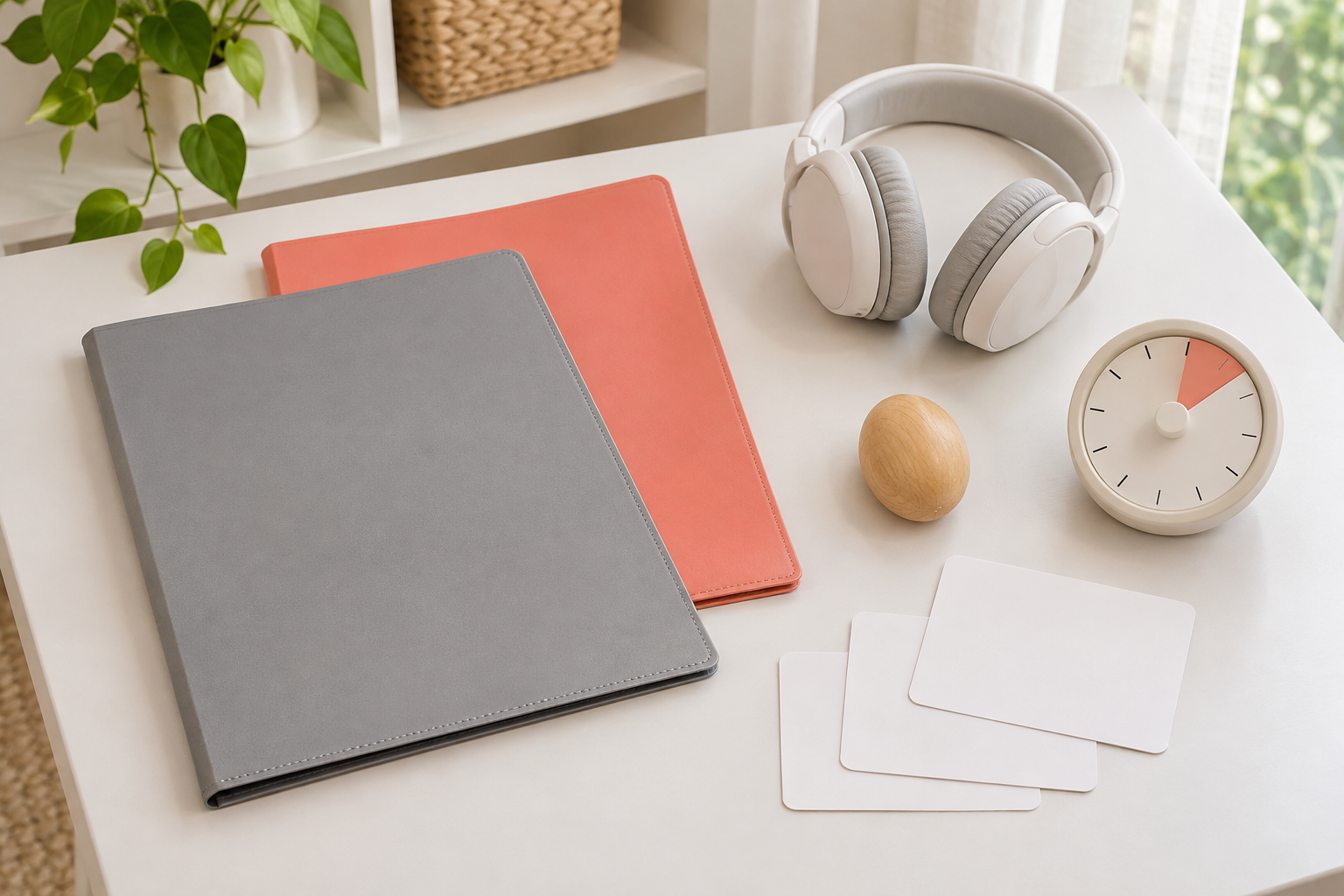
- The current book or learning materials. Mark the most recent page or activity without trying to label the child’s level yourself.
- One comfortable piece. Choose something the child can play with reasonable confidence.
- One piece that feels hard. This gives the teacher a practical view of the current obstacle.
- The latest assignment. A photo or short note is enough if the original is not available.
- Two parent observations. For example: “Rhythm is easier after clapping,” or “Starting practice is harder than continuing.”
- One child goal. Let the child name a song, skill, or feeling they would like to work toward.
A new teacher may place the child differently after observing them. That is not the same as erasing progress. Books and level names vary; the real goal is to identify what the child understands, what is emerging, and what should come next.
How can parents make the first two weeks easier?
| Time | Parent focus | What the child needs |
|---|---|---|
| Before lesson one | Share the short transition packet privately | No pressure to perform a perfect audition |
| After lesson one | Ask, “What is the one small thing to repeat?” | A clear, reachable home task |
| During week one | Keep practice familiar and short | One success before adding more |
| After lesson two | Check whether instructions and tone feel clearer | A sense of what comes next |
Try not to compare every detail with the former teacher in front of the child. A better question is, “What helped you understand today?” That keeps attention on learning instead of loyalty.
What should parents ask a prospective piano teacher?
- How do you assess a child who is transferring midyear?
- Will you continue the current book at first, or choose materials after observing?
- How do you explain the weekly practice task to a beginner?
- What do you do when a child feels stuck or discouraged?
- How will we know whether the lesson format is working after the first few weeks?
- What should a parent do at home if they do not play piano?
Listen for specific, child-friendly answers. The goal is not to find a teacher who promises fast results. It is to find a learning path with clear instruction, a usable home routine, and respectful communication.
If the main issue is schedule or delivery rather than teaching style, read how to decide whether online piano lessons can work well for a child.
Will switching teachers make a child fall behind?
Not necessarily. A brief adjustment period is normal because the new teacher may use different words, books, or routines. That can temporarily feel slower even while the child is building a clearer foundation.
Progress is easier to preserve when the new teacher sees current materials, the child keeps one familiar piece, and the first assignment is small enough to complete independently. Avoid cramming extra practice before the change. A calm, accurate starting point is more useful than a polished performance prepared under pressure.
Choose the next lesson path, not the perfect label
A midyear teacher change works best when the family knows what problem it is trying to solve: clearer practice instructions, a more supportive tone, a better schedule, or a different learning format. Preserve what is working, explain what is not, and give the new relationship two lessons to establish a usable rhythm.
Explore iPianoLab online learning for a flexible beginner path, or create a free iPianoLab account to compare the available next steps for your child.
Frequently asked questions
Is it rude to change piano teachers?
No. Families can make a respectful change when the teaching relationship, schedule, or format is no longer workable. A brief, clear message is better than disappearing without notice. Follow any cancellation terms you previously accepted.
Should we finish the current piano book before switching?
Usually not. Method books are tools, not graduation requirements. Bring the current book so the new teacher can see familiar material, then let that teacher decide whether to continue, review, or change resources.
Does my child need an audition for a new teacher?
A teacher may ask the child to play something familiar or try a short activity. Frame it as a chance to learn about the child, not a pass-or-fail performance.
What if my child misses the former teacher?
Acknowledge the feeling without making the child choose sides. Keep one familiar piece in the first week and invite the child to notice one thing that feels helpful in the new lesson.
How soon should we judge the new fit?
Unless there is a safety or respect concern, look for early evidence across the first two lessons: clearer instructions, a calmer response to mistakes, and a home task the child can explain.