Can Siblings Learn Piano Together? A Parent Guide
Yes, siblings can learn piano together when the format gives each child an individual goal, enough playing time, and room to progress at a different pace. A shared class or home routine can make music easier to schedule and more enjoyable. Separate lessons may be better when the children have different levels, attention needs, learning speeds, or reactions to comparison. The best plan is not the one that keeps siblings on the same page. It is the one that helps both children keep learning.
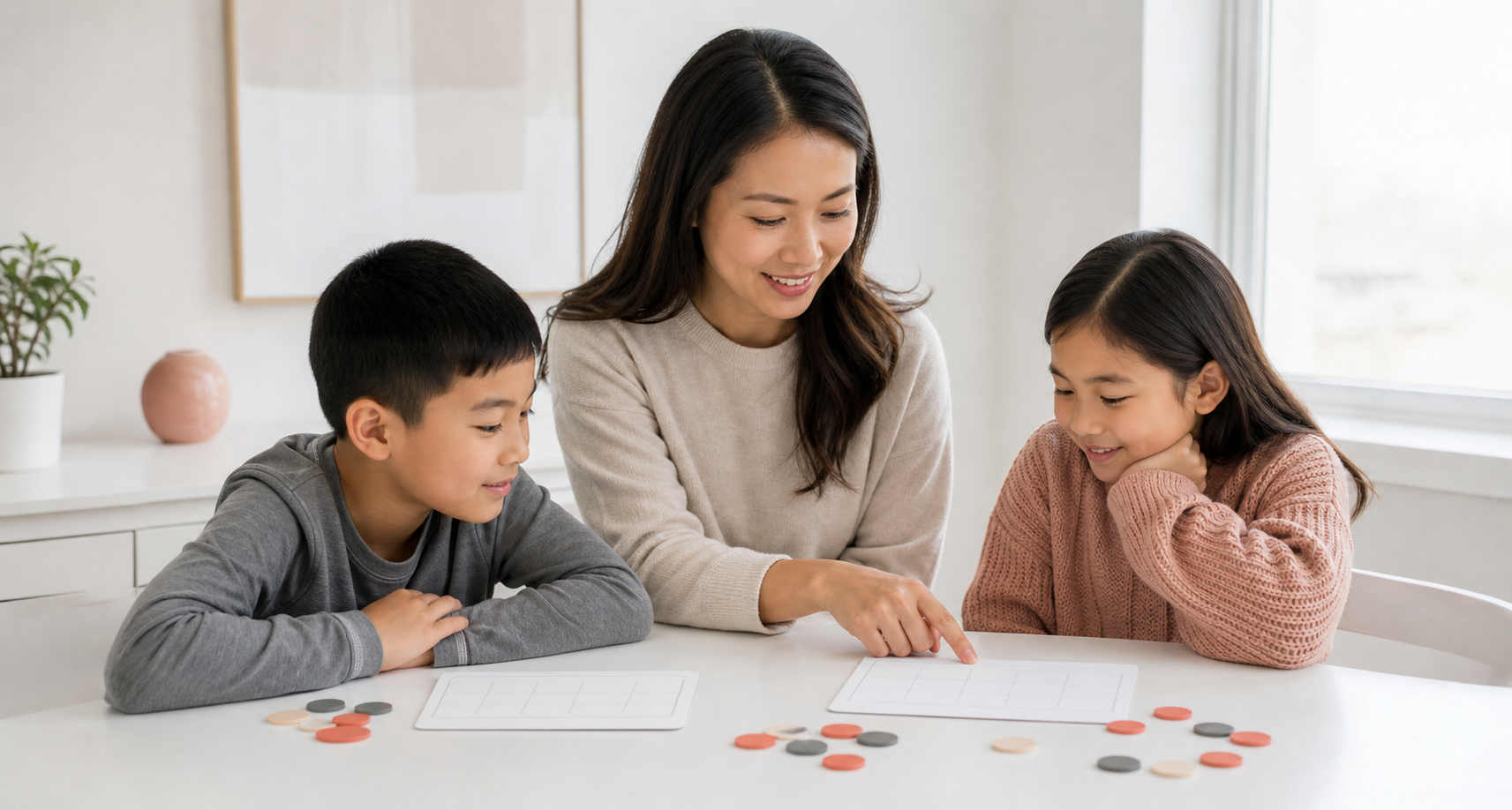
For a family with two beginning musicians, one question appears quickly: should the children take the same class, learn separately, or use a mix of shared and individual activities? The answer depends less on whether they are siblings and more on how they learn together.
Some siblings encourage each other, enjoy taking turns, and feel braver when a familiar person is nearby. Others compare every mistake, distract each other, or need very different amounts of time to understand a new skill. Both patterns are normal. A good lesson plan notices the actual children instead of assuming that one family needs one format.
If you are comparing beginner options more broadly, start with 12 questions to ask before choosing piano lessons. The guide below focuses on the extra decisions that come with siblings.
What does learning piano together mean?
“Together” can describe several different arrangements. Before you enroll, ask which one a program or teacher actually provides.
- The same group class: both children attend a structured class with other beginners and complete age-appropriate activities.
- A shared or paired lesson: a teacher works with the siblings in the same lesson window and plans turns or joint activities.
- Back-to-back private lessons: each child receives individual instruction while the family keeps one travel or setup block.
- Separate lessons with a shared home routine: the children learn at their own level but practice during the same family music time.
- Video learning plus live support: each child follows an appropriate lesson path at home and uses live feedback when needed.
These formats are not interchangeable. A general small-group class is different from a teacher promising a sibling-only lesson. iPianoLab offers online small-group, private, and video-learning options; families should ask which current option fits each child rather than assume siblings will be placed together.
Review current iPianoLab online lesson options.
When can a shared lesson work well?
A shared format may be a good starting point when most of these statements are true:
- The children are close enough in age or readiness to understand similar directions.
- Both are true beginners or are working on compatible foundational skills.
- They can wait for a turn without interrupting or taking over.
- One child’s success usually motivates the other instead of creating pressure.
- The teacher can give each child direct playing time and a specific next step.
- The lesson includes shared activities such as rhythm, listening, movement, or musical games—not one child watching the other for most of the session.
Shared learning does not require the children to produce the same result. One sibling may remember a rhythm quickly while the other is more comfortable finding notes. The teacher can use a common activity while assigning different challenges.
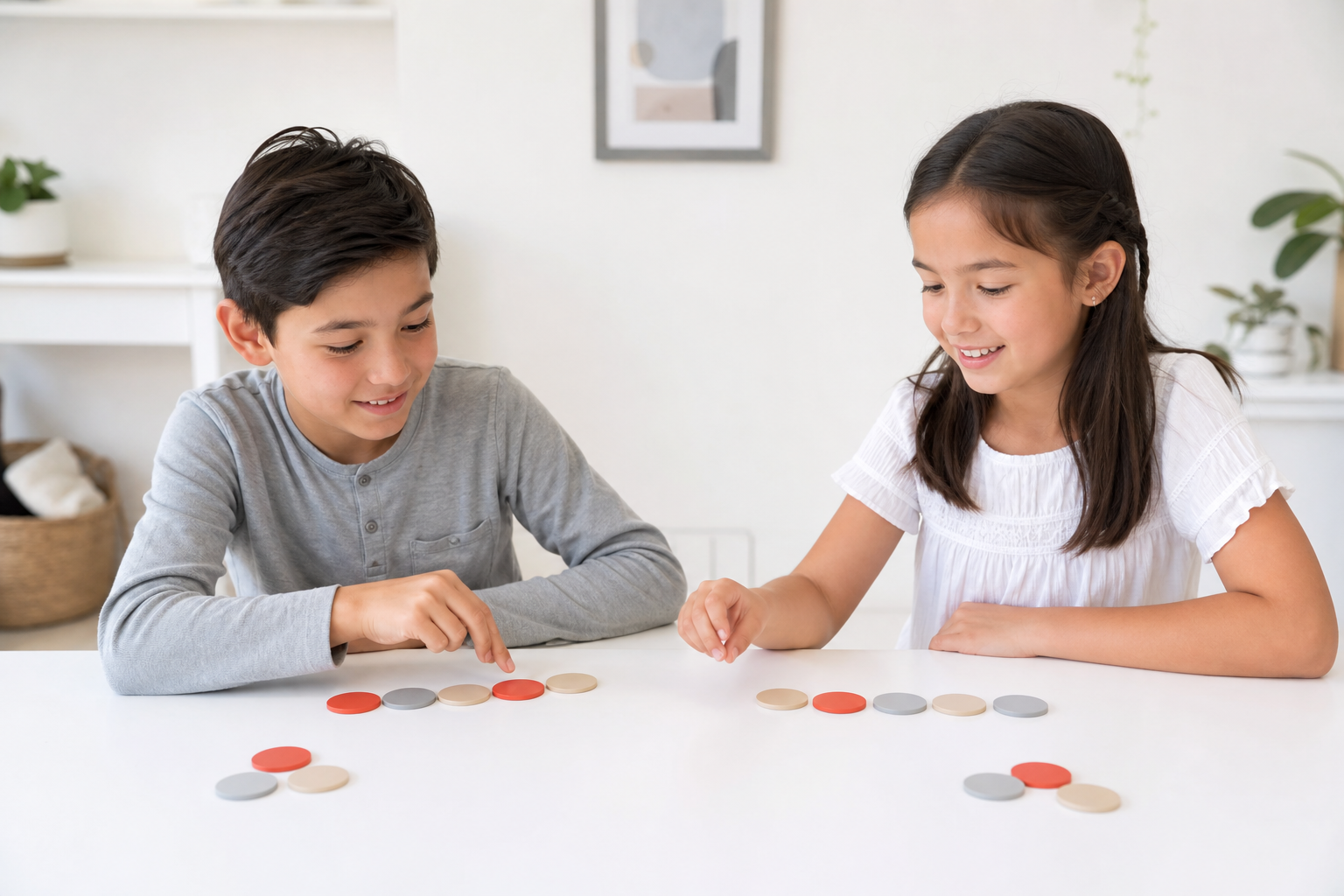
Well-designed group piano lessons for kids can build listening, turn-taking, rhythm, confidence, and classroom habits. The important question is whether the class still provides enough individual attention for each beginner.
When are separate lessons a better choice?
Separate instruction may protect motivation when the shared format keeps making one child feel behind, bored, watched, or responsible for the other. Consider individual paths when:
- the children are at noticeably different levels;
- one child needs more repetition while the other is ready to move on;
- they compete over who plays a song first or makes fewer mistakes;
- one sibling answers for the other;
- their attention, sensory, communication, or pacing needs differ;
- their musical interests are moving in different directions; or
- a teacher cannot give both children enough active learning time in the shared arrangement.
Separate does not have to mean two completely unrelated family schedules. Lessons can happen back to back, on the same day, or through flexible online options. Home practice can still share one predictable music block while each child works on a different assignment.
A practical decision checklist for parents
| Question | Shared may fit | Separate may fit |
|---|---|---|
| Are their starting skills similar? | Both are new or working on compatible basics. | One child already has a clear lead in reading, rhythm, or coordination. |
| How do they respond to comparison? | They celebrate each other and recover from mistakes. | Comparison regularly creates embarrassment, arguing, or withdrawal. |
| Can both stay active? | The format gives each child frequent turns and a role. | One child spends too much time waiting or watching. |
| Do they need the same kind of help? | Similar instructions and activities support both. | They need different pacing, explanation, or challenge. |
| Does the schedule repeat easily? | One shared block makes consistent participation easier. | Different times reduce distraction and protect focus. |
Use this checklist as a conversation starter, not a permanent label. A shared class can be right now and separate lessons can be right later. The reverse can also happen as skills, confidence, and schedules change.
How to build one family routine with two learning paths
The simplest family plan combines shared structure with individual goals:
- Choose one family music window. Put two or three short sessions on the weekly calendar.
- Name one goal for each child. “Keep the beat through this pattern” is clearer than “practice more.”
- Give each child an independent start. Headphones, separate materials, or different practice times can reduce interruption.
- Add one shared activity. Clap a rhythm, listen for a pattern, or take turns performing a short section.
- End with separate next steps. Each child should know what to repeat before the next lesson.
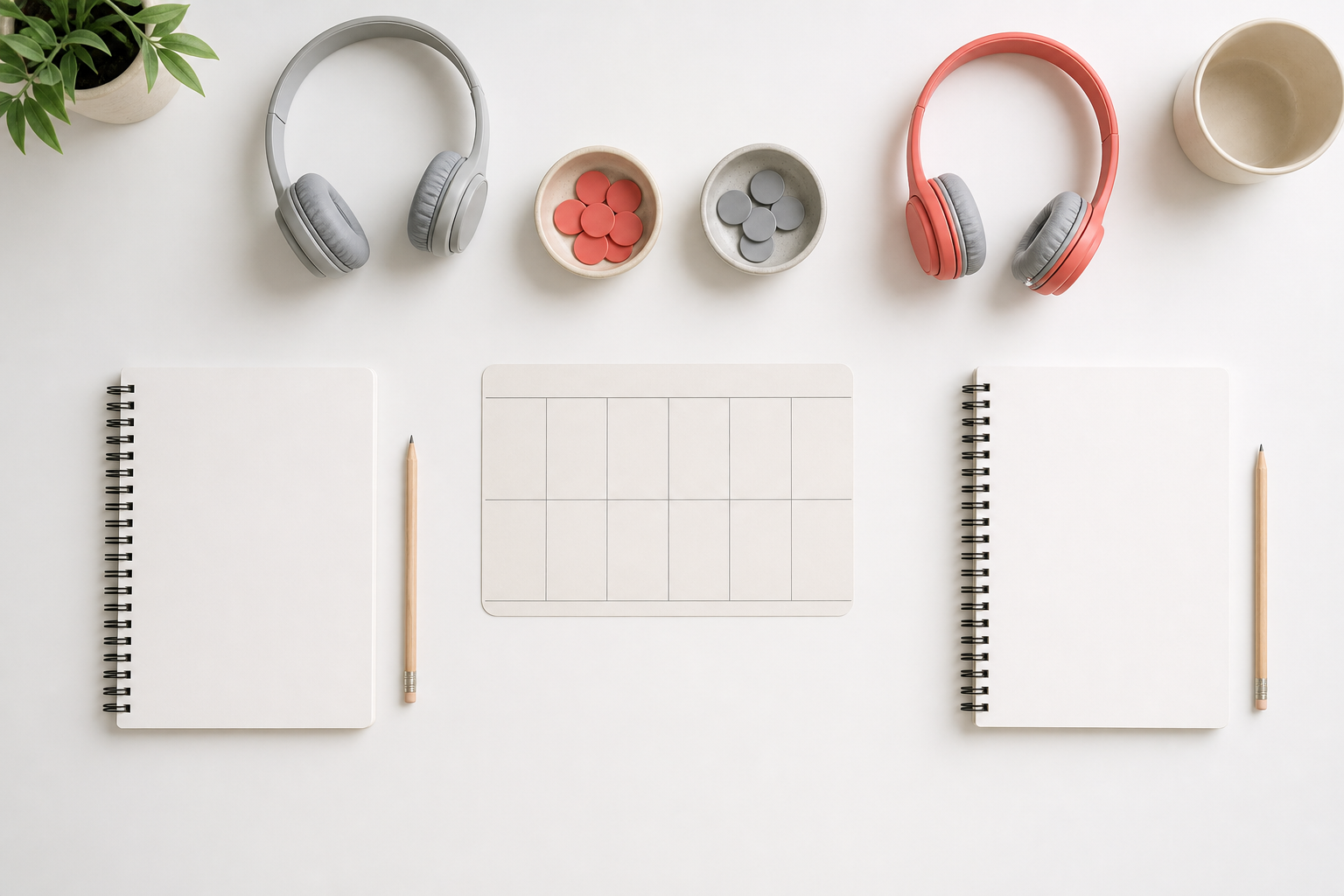
When the children share one instrument, schedule separate playing turns and give the waiting child a real off-instrument task only when it supports the lesson. Listening, clapping, singing, note-finding on paper, or reviewing a short video can be useful. Unstructured waiting is not the same as learning.
How to reduce sibling comparison
Piano progress is not a fair race. Children may begin on the same day and develop different strengths almost immediately. Parents can keep the family tone healthy by changing the language around progress.
- Compare each child with their own previous attempt, not with a sibling.
- Praise a specific action: steady counting, careful listening, restarting, or asking a useful question.
- Avoid labels such as “the musical one” or “the fast learner.”
- Let the children choose different songs when the curriculum allows it.
- Do not require one sibling to teach or correct the other.
- Tell the teacher when comparison is affecting practice at home.
Progress may also become easier to discuss when each child has clear checkpoints. Read how beginner piano lesson levels work for a parent-friendly way to think about skills and next steps without forcing identical timing.
Questions to ask before enrolling siblings
- Would they be in the same class, a paired lesson, or separate lesson times?
- How much direct playing and teacher feedback does each child receive?
- Can the teacher adjust goals when their progress separates?
- How are turns, headphones, instruments, and materials handled?
- What should each child practice between lessons?
- What happens if the shared format stops working?
- Which current group, private, or video option best matches each child?
You can also review the iPianoLab teacher page before choosing a path. Teacher fit matters because siblings may need the same warm family experience but different instructional choices.
Frequently asked questions
Should twins take piano lessons together?
They can, but being the same age does not guarantee the same pace, attention, or response to comparison. Use the same decision checks you would use for any siblings. The lesson should give each twin direct teacher attention and an individual next step.
Can siblings share one piano or keyboard?
Yes. They need separate playing times that are realistic for the family. A shared instrument is easier when each child has a short assignment and the schedule makes turns predictable.
Can one sibling help teach the other?
An occasional demonstration can be encouraging, but one child should not become responsible for the other’s instruction. The teacher or lesson program should explain the skill. Siblings can listen, play together, and celebrate progress without correcting every mistake.
What if one child progresses faster?
Give the children different goals. The faster-moving child may need a new challenge while the other needs more repetition or another explanation. If a shared lesson cannot support both needs, ask about separate or blended options.
Do siblings need the same lesson format?
No. One child may thrive in a small group while another needs private feedback or a flexible video path. A family plan can use different formats while keeping a shared weekly routine.
Choose the format that helps both children continue
Siblings can learn piano together without advancing in lockstep. Start with their ages, readiness, attention, relationship, and need for feedback. Choose a format that gives both children active learning time and personal goals. Then review the fit after a few lessons and adjust when the evidence at home or in class changes.
Compare iPianoLab small-group, private, and video-learning options.
Ready to choose a starting path? Create an iPianoLab account and review the next steps.