Why Does My Child Forget What to Practice After Piano Lessons?
Quick answer
Children often forget piano practice instructions because a lesson contains several new ideas and the home routine begins too late or too vaguely. The best fix is a short same-day recap: ask your child to show one starting place, repeat one small skill, and name one question for the next lesson. Keep the plan visible and return to it in several short sessions during the week.
A child can understand a piano lesson in the room and still sit down at home two days later without knowing where to begin. That does not automatically mean the child was not listening, the teacher explained poorly, or piano is a bad fit. It usually means the bridge between lesson and practice needs to be clearer.
Parents do not need to reteach the lesson. Your job is to help the child preserve the first step, make practice easy to start, and send useful questions back to the teacher. This guide gives you a simple routine that works even if you do not play piano yourself.
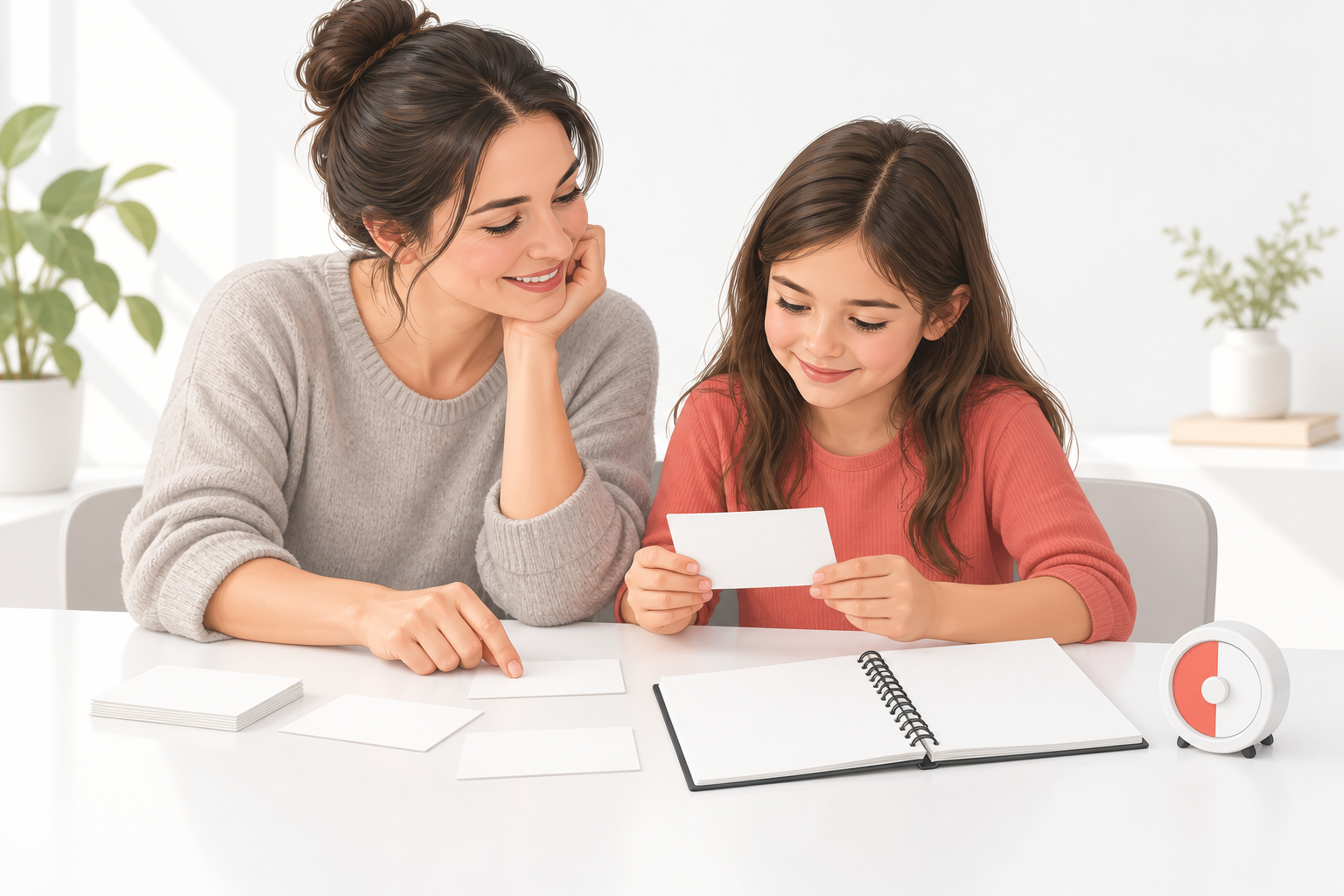
Explore iPianoLab online learning if your child benefits from a clear sequence they can revisit between lessons.
Why do children forget piano lesson instructions?
A beginner may leave one lesson holding several new pieces of information: where the song begins, which hand starts, how to count the rhythm, what section to repeat, and what the teacher wants changed. Even when each direction made sense during the lesson, the full list can be difficult to reconstruct later.
The problem often grows when the assignment is broad. “Practice your songs” asks a child to decide what to open, where to start, what to fix, how many times to try, and when to stop. A more useful plan names one small action: “Clap the first rhythm twice, then play the right hand slowly.”
Other common causes include:
- Too much time passes before the first review. The child remembers less of the lesson setup by the time practice begins.
- The materials are not ready. The book, notes, video, or device is missing when the child sits down.
- The parent asks for a full performance. The child may remember one step but feel unable to play the whole piece.
- The difficult spot is not marked. The child starts at the beginning every time instead of returning to the place that needs attention.
- The child is unsure how to recover. One mistake becomes the end of the practice session because there is no smaller fallback.
Use a three-step same-day piano recap
The first practice does not need to be long. A five-minute recap on the day of the lesson can preserve the route back into the assignment. Try these three steps.
1. Find the starting place
Ask, “Where did your teacher want you to begin?” The answer might be a page, a short section, a rhythm, a hand position, or a video lesson. Let your child point to it or demonstrate it. If the starting place is unclear, mark the question instead of guessing.
2. Repeat one small action
Choose something short enough to complete while the lesson still feels familiar. The child might clap four beats, play one hand, find three notes, or repeat one measure slowly. The goal is not to finish the assignment. It is to make tomorrow’s first step easier to remember.
3. Save one clear cue
Write or draw a brief cue in the place your family will actually see. Examples include “start here,” “count first,” “right hand only,” or “ask about this part.” If the teacher provides a notebook, email, video, or online lesson, keep that source beside the practice materials rather than creating a second complicated system.
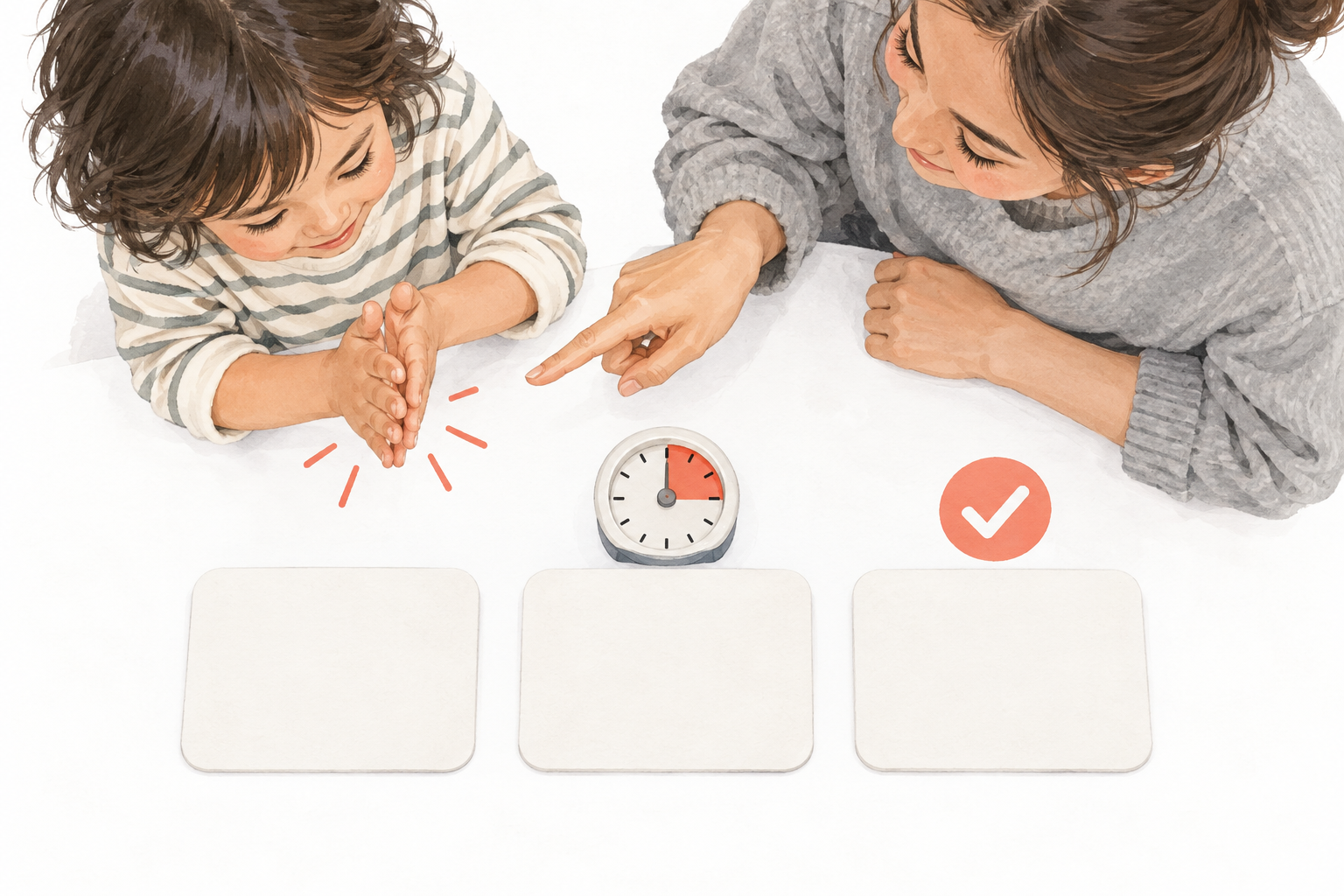
A simple weekly routine that helps the lesson stick
After the same-day recap, use several short return points. The routine below is intentionally flexible; follow the teacher’s assignment when it gives a different plan.
- Lesson day: remember. Find the starting place and repeat one small action.
- Next practice: rebuild. Use the saved cue before attempting more of the piece.
- Middle of the week: solve one hard spot. Slow down, separate the hands, clap the rhythm, or use a shorter section.
- Later practice: connect. Join the small section to what comes before or after it.
- Before the next lesson: prepare a question. Name what improved and what still feels unclear.
This plan keeps practice connected to the lesson without asking the child to reproduce everything at once. For a broader weekly structure, see the online piano lesson weekly plan for kids.
What should parents say when a child cannot remember?
The most helpful questions point back to the teacher’s plan instead of testing the child.
- “Can you show me where the lesson started?”
- “What was the smallest part you worked on?”
- “Did you clap, count, listen, or play first?”
- “Which hand had the first job?”
- “What would you like to ask your teacher?”
Avoid turning the moment into a memory quiz. “You just learned this” or “Why weren’t you paying attention?” adds pressure without restoring the missing step. If neither of you can identify the assignment, stop and ask for clarification rather than inventing a different technique.
The related guide on helping a child practice without becoming the teacher explains how to stay in a supportive parent role.
Use one cue, not a complicated tracking system
A cue should shorten the distance between sitting down and starting. It can be a sticky note on the correct page, a bookmark, a teacher’s written instruction, or a saved lesson video. Too many charts, apps, labels, and reminders can become another assignment for the family to manage.
Choose the smallest cue that answers three questions:
- Where do I start?
- What do I do first?
- How will I know when this short practice is finished?
For example: “Page 12, clap line two, then play it slowly twice.” That is easier to follow than “Work on rhythm.” The child can begin without a long conversation, and the parent can support the routine without correcting every note.
When replayable lesson support may help
Some children understand best when they can revisit a short demonstration between lessons. A structured online path can make the next step visible while still letting the child do the actual playing.
When should you ask the piano teacher for help?
Ask for a clearer handoff when the same uncertainty appears week after week. A useful message is specific: “My child can show me the song but cannot remember which section or rhythm to practice first. Could we leave the next lesson with one marked starting place and one short goal?”
Contact the teacher or program when:
- the child regularly cannot explain the assignment;
- practice begins at the wrong place for several days;
- the same mistake is repeated without a correction plan;
- the parent is spending more time reteaching than encouraging;
- lesson notes, videos, or materials are difficult to find or use; or
- the child understands in the lesson but shuts down at home.
A strong response should make the next action smaller and clearer. It may include marking a section, recording a short demonstration, simplifying the assignment, or choosing a lesson format with more support between meetings.
How can you tell whether the new routine is working?
Look for practical changes rather than a perfect performance. Your child may begin practice with fewer reminders, find the correct page faster, explain the goal in simple words, return to a hard spot without restarting the whole song, or arrive at the next lesson with a useful question.
These small signs show growing independence. The guide to piano lesson progress signs for children gives parents a broader way to notice rhythm, coordination, confidence, and recovery over time.
Frequently asked questions
Should my child practice immediately after a piano lesson?
A short same-day recap can help preserve the starting place and main instruction. It does not need to be a full session. Five calm minutes may be enough to show one step, save one cue, and stop with the assignment clear.
What if I do not play piano?
You can still help. Ask your child to show the teacher’s starting place, keep the materials ready, and help record one question. Leave musical correction to the teacher or lesson resource.
Should I record the piano lesson?
Follow the teacher or program’s policy and ask permission first. A short approved demonstration of the exact assignment can be useful, but families should not record people or classes without consent.
What if my child keeps making the same mistake?
Shrink the task. Use fewer notes, one hand, a slower count, or a shorter section. If the child still cannot tell what to change, save the exact question for the teacher instead of repeating the error through the week.
Are online piano lessons useful for remembering?
They can be when the program has a clear sequence and lets the child revisit a short demonstration before playing. The screen should support action at the instrument, not replace it.
Give your child a clearer next step
iPianoLab helps beginners connect enjoyable songs with rhythm, note reading, coordination, and a structured path they can keep building between lessons.
Start an iPianoLab beginner path or explore online piano learning.