Why Does My Child Skip Rests in Piano Music?
Quick answer: a beginner often skips or shortens piano rests because silence does not feel like an active part of the beat. The child stops playing but also stops counting, then guesses when to begin again. Help by keeping the pulse moving through the rest: tap the beat, make one quiet gesture for the silent beat, and prepare the next note before the sound returns.
A written rest is not an empty spot to hurry past. It tells the player how long to remain silent while the music continues internally. That is a surprisingly demanding beginner skill: the hands must release, the mind must keep time, and the next note must be ready without an audible cue.
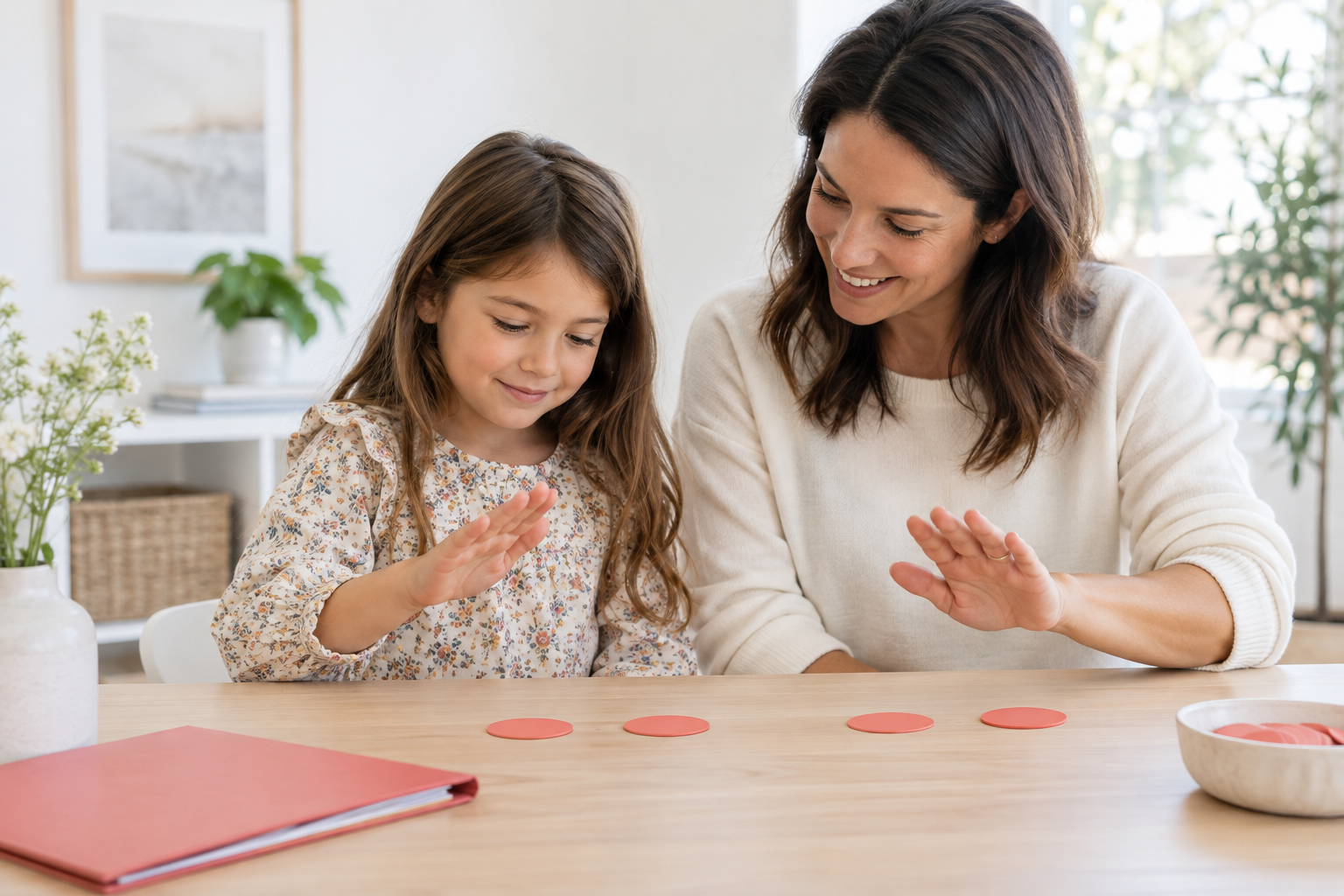
Why does my child ignore rests when playing piano?
Listen to what happens immediately before, during, and after the rest. Several ordinary beginner problems can sound like the same missing silence.
The beat disappears when the sound disappears
Notes give a child something to do with the hands. A rest asks the child to do something less visible: remain silent for an exact amount of musical time. If the internal beat stops, the child may restart too soon, wait too long, or look to an adult for a cue.
The child sees “nothing to play”
A young reader may direct all attention toward note heads and keys. The rest symbol can feel secondary because it does not produce a sound. The child may recognize the symbol when asked but still skip it while managing notes, fingers, and rhythm together.
The previous note is not released
Sometimes the child counts the right number of beats but keeps holding the previous key. The space is present in the count but not in the sound. Learning to release at the beginning of the rest is different from simply waiting to play the next note.
The next note is not prepared
The child may use the rest as a scramble: find the next key, move a hand, or remember a finger. That can make the rest uneven. A well-counted rest includes preparation, but the preparation must fit inside the written time rather than stretching or shrinking it.
One hand rests while the other hand continues
This is harder than a full stop. One hand must remain quiet while the other preserves the pulse. A child may copy the moving hand, enter early, or lose track of which hand owns the next sound. Keep this kind of correction close to the teacher’s assignment.
What should parents check before correcting a piano rest?
Choose one repeated spot and ask a few simple questions. You do not need to identify every symbol or teach a new counting system.
- Does the child know which symbol is the rest?
- Does the child stop the sound at the beginning of the rest?
- Can the child keep tapping a steady beat while remaining silent?
- Does the next note arrive early, late, or only after an adult points?
- Does the problem happen with both hands together but not with each hand alone?
- Is the child following the teacher’s current count, fingering, and assignment?
If the child can tap the pattern accurately away from the piano, the main challenge may be releasing and preparing the hands. If the tapping also skips the silence, make the rhythm visible before adding notes.
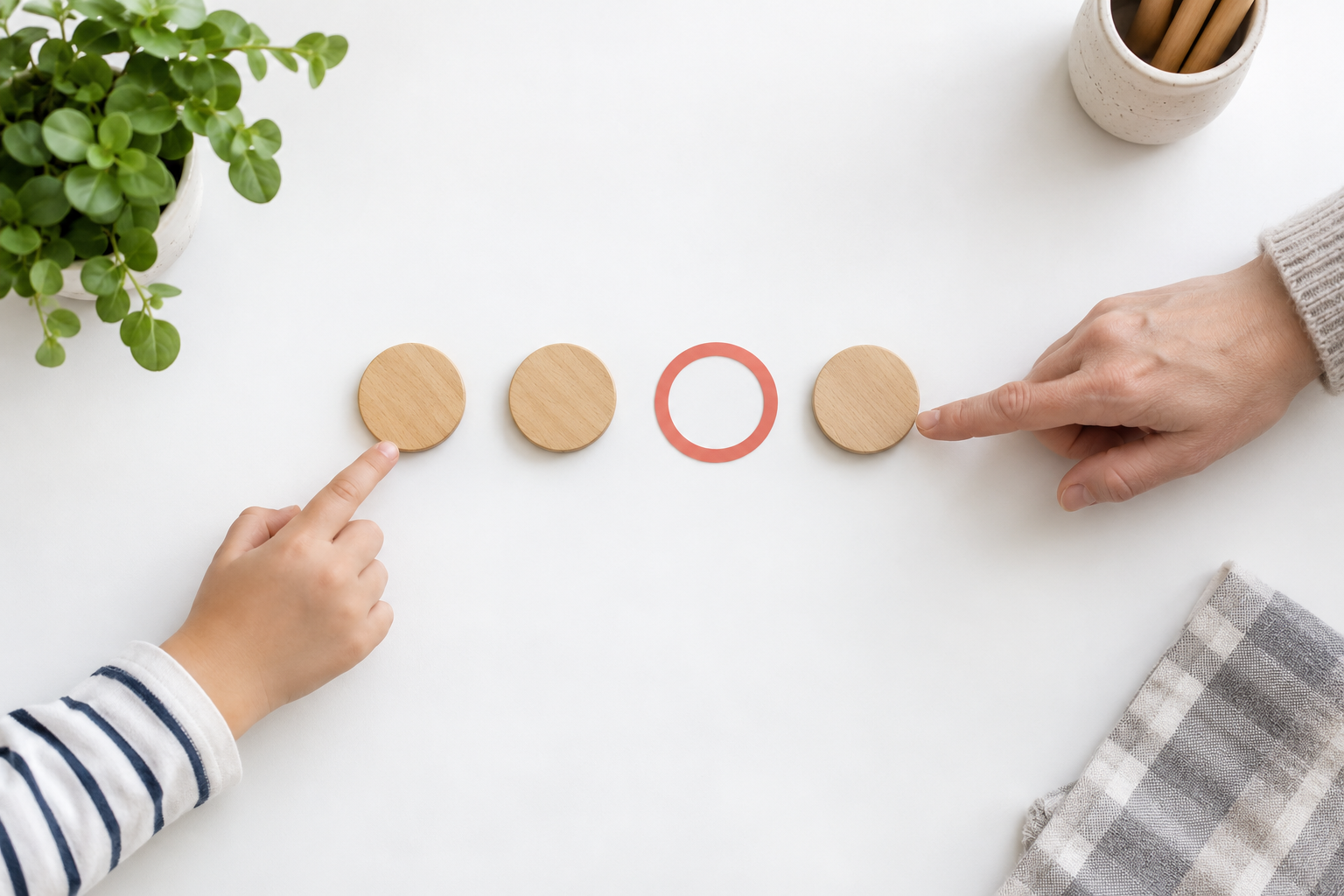
A five-minute “sound–silence–sound” routine
Use one rest from the current assignment. Keep the tempo comfortable and use the same beat words or numbers the teacher uses.
- Point to three jobs. Identify the sound before the rest, the silent rest, and the sound after it. This creates a small musical path instead of an isolated symbol.
- Tap the steady beat. Tap every beat without playing. The hand keeps moving even when the pattern becomes silent.
- Give the rest a quiet action. Clap or tap the sounded beats, then open a hand, lift a finger, or whisper the teacher’s rest syllable during the silence. The action should preserve the beat without adding a musical sound.
- Practice the release. Play the note before the rest and release it exactly when the rest begins. Stop there. Repeat only until the release feels calm and clear.
- Prepare the return. During the silent beat, place or move the hand for the next note without playing it early.
- Play through the whole path. Begin one small step before the rest and finish one small step after it. Repeat a few calm times, then reconnect the surrounding measure or phrase.
The aim is not to make the rest dramatic. It is to keep time continuous: sound, counted silence, sound. When the pulse remains steady, the quiet beat becomes part of the phrase instead of a place where the music falls apart.
How long should a child hold a rest?
A rest lasts for its written value within the song’s meter. In many simple beginner examples, a quarter rest receives one beat and a half rest receives two beats. A whole rest can represent a full measure in common notation, so parents should use the teacher’s count and the printed context rather than applying one shortcut to every piece.
A useful home question is, “What number does the next sound begin on?” That keeps attention on the return point. If the child or parent is unsure about the value, mark the measure and ask the teacher instead of guessing.
What is the difference between a written rest and an accidental pause?
A written rest belongs to the rhythm. It has a planned length, and the next beat arrives on time. An accidental pause appears because the player is searching, moving, decoding, or restarting the count. It may change length on every repetition.
If your child inserts silence at every printed measure line, use the guide on pausing at bar lines. If the notes are correct but durations change throughout the phrase, review why correct piano notes can still have the wrong rhythm. If hesitation appears between nearly every note, see the separate guide to connecting notes without rushing.
What can a parent say without becoming the piano teacher?
Use one neutral prompt at a time:
- “Can the beat keep moving while the sound is quiet?”
- “Show me where the sound stops and where it returns.”
- “Let’s tap that small pattern before we play it.”
- “Release here, count the quiet beat, then play the next note.”
- “What does your hand need to prepare during the rest?”
- “Was that a written rest or a searching pause?”
Avoid filling the rest by talking over it, counting in a different system from the teacher, or repeatedly shouting “wait.” Those cues can make the child depend on an adult instead of hearing the pulse. A small gesture or shared tap is usually easier to fade.
When should the piano teacher take the lead?
Bring the exact measure to the teacher when the child cannot identify the rest, the symbol’s value is unclear, one hand rests while the other continues, the rest follows a tie or held note, or the next movement feels uncomfortable. These details can change the best practice method.
Describe the observation rather than diagnosing it: “The tapping is steady, but the previous key keeps sounding through the rest,” or, “The right hand waits, but the left hand also stops.” That gives the teacher useful evidence without asking the parent to rewrite the lesson.
Why learning to count silence matters
Rests help children feel that rhythm continues even when their hands are quiet. That supports steadier entrances, cleaner releases, better listening, and more confident playing with another person or recording. The larger lesson is simple: music is organized by time, not only by the notes that make sound.
iPianoLab helps beginners connect songs they enjoy with rhythm, note reading, keyboard geography, coordinated movement, and musical listening. A counted rest is one small skill that makes the whole phrase clearer.
Give your beginner a clearer next musical step
iPianoLab combines engaging songs with structured support for rhythm, note reading, two-hand coordination, and confident home practice.
Explore iPianoLab online piano lessons, or choose a program and get started.
Frequently asked questions
Does a rest mean a child should stop counting?
No. The sound stops, but the beat continues. The child counts or feels the rest for its written length, then enters on the correct next beat.
Why does my child always play the note after a rest too early?
The silent beat may not feel active yet. Tap the pulse continuously and give the rest one quiet gesture. Then practice only the sound before the rest, the rest, and the next sound.
Should my child say “rest” or “shh” out loud?
A spoken syllable can make silence easier to count, but it should match the teacher’s method and gradually become internal. The goal is a steady pulse, not permanent dependence on the word.
Should we use a metronome to practice rests?
A metronome can make the pulse audible after the pattern is understood. If it adds stress or the child cannot yet release and prepare the hands, begin with tapping or counting and ask the teacher when to add it.
What if one hand has a rest while the other keeps playing?
Practice each hand’s job separately, then combine only a very small section using the teacher’s fingering and count. If the resting hand copies the moving hand or enters early, bring that exact measure to the teacher.